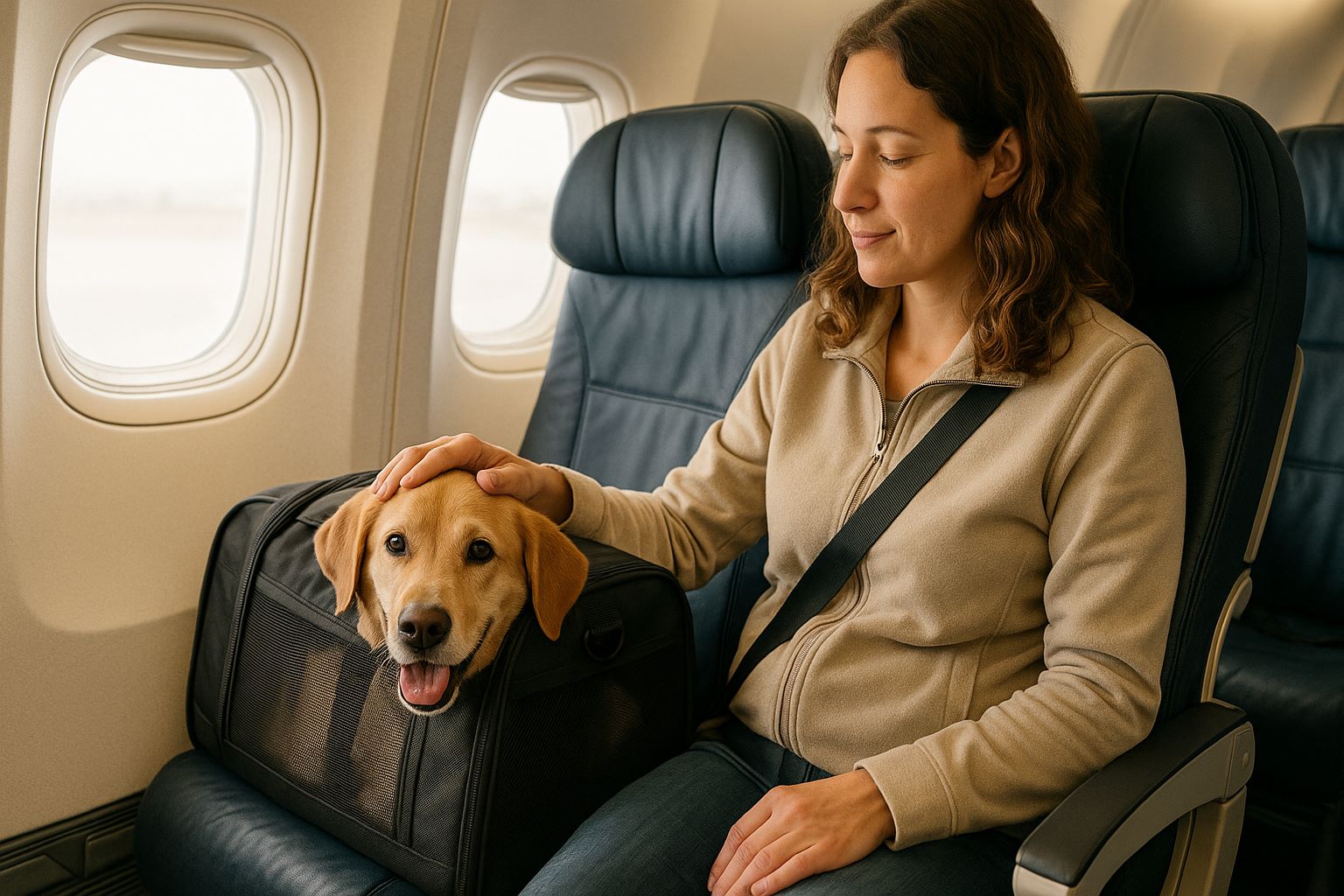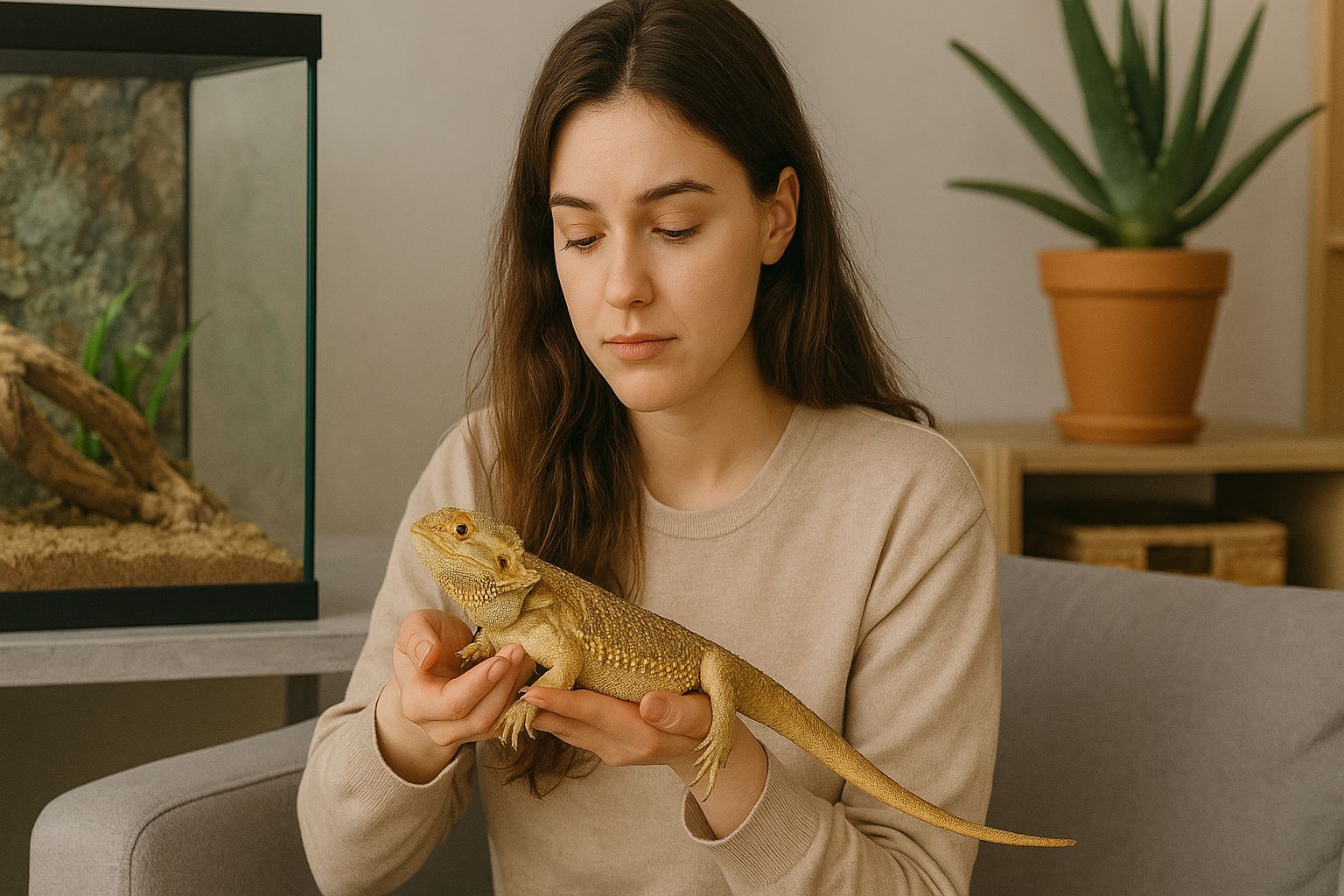
In a world where stress, anxiety, and loneliness have become increasingly common, the unconditional love and companionship of a pet can be life-changing. Whether it’s a dog’s wagging tail greeting you after a long day or a cat’s soothing purr beside you on the couch, pets have a remarkable ability to lift our spirits and calm our minds.
Thank you for reading this post, don't forget to subscribe!But how exactly do pets improve mental health? Beyond the emotional connection, science has proven that the human–animal bond offers real psychological and physiological benefits. Let’s explore the powerful connection between pets and mental well-being — and what makes them such amazing therapy partners in our everyday lives.
🧠 1. The Science of the Human–Animal Bond
The bond between humans and animals isn’t new — it’s been evolving for thousands of years. Studies in psychology and neuroscience have shown that interacting with pets triggers the release of oxytocin, often called the “love hormone.”
💞 What Happens in Your Brain
When you cuddle, pet, or even make eye contact with your pet, your brain releases oxytocin — the same hormone responsible for emotional bonding in human relationships. This leads to:
- Lower stress levels
- Decreased cortisol (the stress hormone)
- Increased feelings of happiness and trust
In fact, a 2019 study in Frontiers in Psychology found that pet owners who regularly interacted with their pets experienced improved mood regulation and lower anxiety levels compared to non-pet owners.
🐕 2. Pets Help Reduce Stress and Anxiety
One of the most well-documented benefits of pet ownership is its impact on stress and anxiety reduction.
🐾 Calming Through Routine and Presence
Pets provide consistency — feeding, walking, or grooming them introduces a daily routine that helps structure our day. Routine itself is an effective anxiety reducer because it creates predictability and control.
The simple act of petting an animal has been shown to lower blood pressure and slow the heart rate. This soothing physical interaction helps relax tense muscles and calm an overactive mind.
🧘 Emotional Grounding
Animals live in the present moment — they don’t dwell on the past or worry about the future. Being around them helps us practice mindfulness, grounding us in “now” instead of our anxious thoughts.
Fun fact: Research shows that spending just 10 minutes interacting with dogs or cats can significantly reduce levels of the stress hormone cortisol.
❤️ 3. Combating Loneliness and Depression
In a digital era where many people experience emotional isolation, pets offer a reliable source of companionship and unconditional love.
🐾 The Power of Companionship
For people living alone, a pet can fill the emotional void by offering warmth, affection, and presence. Dogs, cats, birds, or even rabbits become part of the family, giving their owners a sense of purpose and belonging.
💬 Emotional Expression
Many people find it easier to open up to pets — talking to them, expressing feelings, or simply sitting in silence together. Pets don’t judge, interrupt, or criticize, which can make them a safe emotional outlet for those dealing with depression or trauma.
🧩 Mental Health in Seniors
Elderly individuals often face loneliness after retirement or the loss of loved ones. Studies show that seniors with pets report lower depression rates, better emotional stability, and increased motivation to stay active and social.
🐾 4. Encouraging Exercise and Outdoor Activity
Pets — especially dogs — encourage physical activity, which directly contributes to better mental health.
🚶♂️ Physical Movement Boosts Mood
Walking, playing fetch, or visiting a dog park increases the production of endorphins and serotonin, both natural mood lifters. Regular physical activity also helps prevent conditions like anxiety and depression.
Dog owners, on average, walk 20–30 minutes more per day than non-dog owners — and that extra movement is often enough to make a measurable difference in mental well-being.
🌳 Exposure to Nature
Spending time outdoors with your pet exposes you to sunlight, fresh air, and social interactions — all of which are proven to enhance mood and reduce stress.
👥 5. Pets Improve Social Connections
For people who struggle with social anxiety or introversion, pets can act as social bridges — helping spark conversations and connections.
🗣️ Easier Social Interactions
Whether you’re walking your dog in the park or sharing pet photos online, animals create instant common ground between strangers. This can lead to meaningful friendships and increased confidence in social situations.
🐾 Therapy and Community
Animal-assisted therapy programs often pair pets with individuals facing social isolation, PTSD, or developmental challenges. These programs have demonstrated significant improvements in communication and emotional openness.
Example: Therapy dogs in hospitals or nursing homes help patients open up, smile, and interact more — even those who’ve withdrawn emotionally.
🛌 6. Helping with Sleep and Relaxation
A peaceful night’s sleep is essential for mental health, and pets can help with that too.
💤 Comfort and Security
Many pet owners report sleeping better when their pet is nearby. The rhythmic breathing of a cat or dog can have a calming effect, promoting feelings of safety and relaxation.
🐕 Emotional Security
Pets provide emotional reassurance during stressful times. Their presence can help reduce nighttime anxiety and feelings of loneliness, allowing for deeper, more restorative sleep.
However, it’s important to ensure your pet’s sleeping habits don’t disrupt yours — balance is key.
🧩 7. Emotional Support Animals (ESAs) and Therapy Pets
Emotional Support Animals (ESAs) and therapy pets take the benefits of pet companionship to the next level. These animals are trained — or sometimes naturally suited — to provide comfort and emotional stability to people with mental health challenges.
🩺 ESAs vs. Therapy Pets
- Emotional Support Animals (ESAs): Provide companionship and comfort for people with anxiety, depression, or PTSD. They don’t require special training but are often prescribed by mental health professionals.
- Therapy Pets: Usually trained animals that visit hospitals, schools, or care facilities to comfort groups of people.
Both play a vital role in mental health care, offering nonverbal emotional connection and helping individuals manage symptoms.
🌈 8. The Science Is Clear: Pets Make Us Happier
The connection between pets and mental health isn’t just emotional — it’s deeply biological. Here’s what scientific research continues to confirm:
- Petting a dog or cat increases oxytocin and dopamine, reducing anxiety.
- Caring for pets decreases feelings of loneliness and social isolation.
- Dog ownership is linked to lower blood pressure and improved heart health — both affected by stress.
- Children who grow up with pets develop better empathy and emotional regulation.
In short, pets bring structure, joy, and companionship into our lives — all essential ingredients for mental and emotional wellness.
💖 9. Final Thoughts: Healing Through Companionship
At their core, pets remind us of the simple joys of life — play, affection, loyalty, and living in the moment. They don’t care about our flaws, mistakes, or appearance. What they offer is pure, unconditional love — something deeply healing in today’s fast-paced and often disconnected world.
Whether it’s a dog that encourages you to go outside, a cat that curls up on your lap when you’re sad, or even a bird that greets you every morning, the effect is the same: they make life brighter and our minds calmer.
So the next time you look into your pet’s eyes, remember — it’s not just affection you’re feeling. It’s science working hand in hand with love.
SEO Keywords (naturally included): pets and mental health, how pets help anxiety, emotional support animals, pet therapy benefits, human–animal bond, pets reduce stress, how pets improve mood, dogs and depression, pets and loneliness.