The kitchen is the heart of every home — a place where meals are prepared, families gather, and memories are made. But it’s also a magnet for grease, grime, and germs. From sticky stovetops to bacteria-laden countertops, your kitchen can quickly become one of the dirtiest rooms in the house if not cleaned properly.
Thank you for reading this post, don't forget to subscribe!Luckily, keeping it spotless doesn’t have to be complicated. With the right cleaning techniques, natural products, and consistent habits, you can maintain a fresh, hygienic kitchen that’s safe for cooking and enjoyable to use.
In this complete guide, you’ll discover proven, easy-to-follow kitchen cleaning methods that tackle grease, banish bacteria, and make your space shine — without spending hours scrubbing.
🍽️ 1. Why Kitchen Cleaning Is So Important
Your kitchen is a high-traffic area that faces constant exposure to:
- Food residue and grease splatters from cooking
- Germs and bacteria from raw meat, produce, and utensils
- Crumbs, spills, and dust that attract pests
A dirty kitchen doesn’t just look bad — it can pose real health risks. Cross-contamination can lead to foodborne illnesses, while grease buildup can cause odors and even fire hazards.
The good news: With daily maintenance and periodic deep cleaning, you can easily stay ahead of the mess.
🧽 2. Essential Kitchen Cleaning Supplies
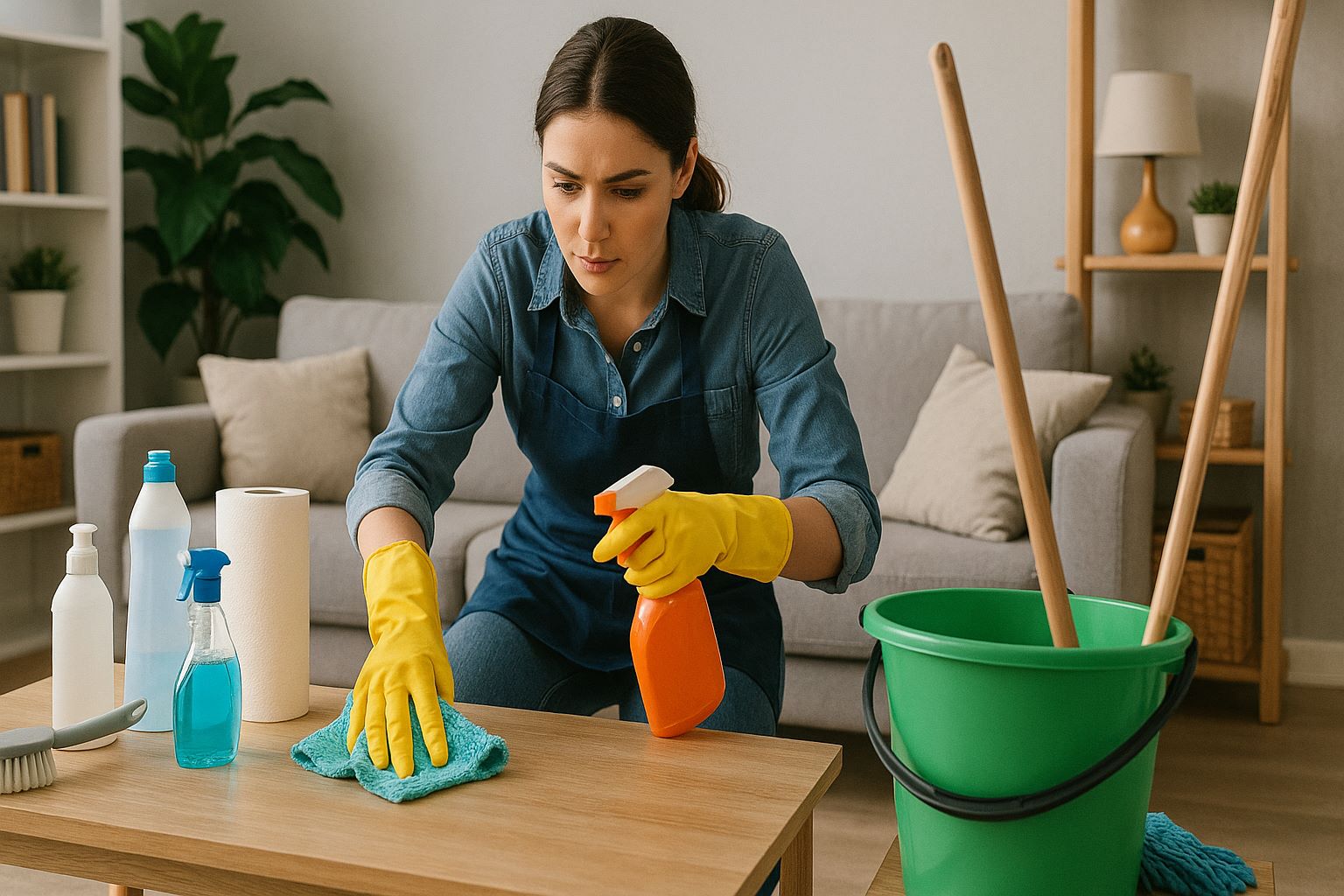
Before you start cleaning, make sure you’re equipped with the right tools. The pros always say: a clean kitchen starts with clean tools.
Must-Have Cleaning Tools
- Microfiber cloths or sponges
- Scrub brushes (different sizes for different surfaces)
- Spray bottles
- Paper towels or reusable cleaning rags
- Rubber gloves
- Mop and bucket
Powerful Cleaning Ingredients
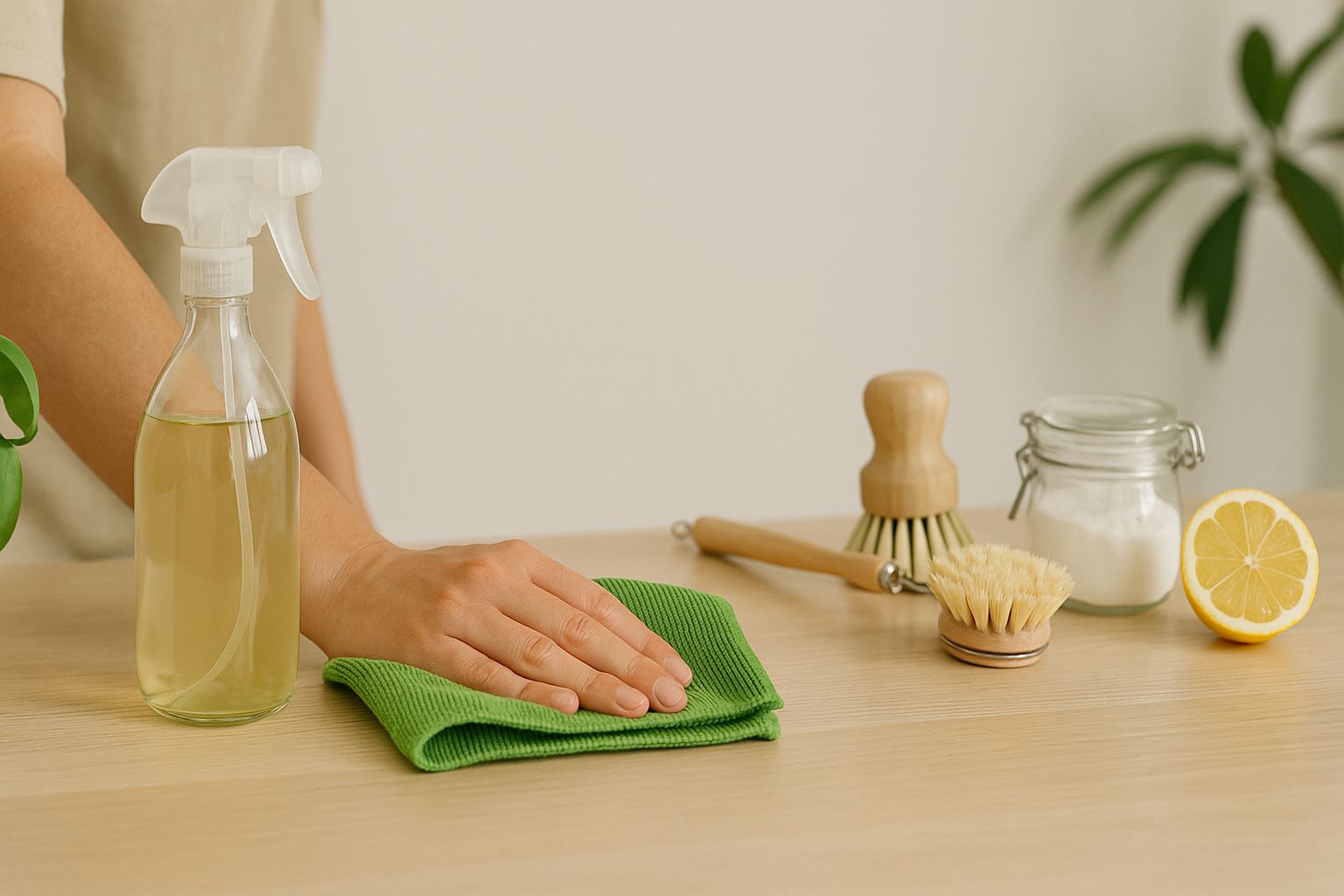
- White vinegar – cuts grease and disinfects naturally
- Baking soda – great for scrubbing and deodorizing
- Dish soap – removes oil and residue effectively
- Lemon juice – helps dissolve tough grease and leaves a fresh scent
- Hydrogen peroxide – kills bacteria and whitens surfaces
Pro Tip: Mix equal parts vinegar and water in a spray bottle — this natural cleaner works wonders for most kitchen surfaces.
🧴 3. Step-by-Step Kitchen Cleaning Routine
Cleaning your kitchen efficiently is all about working smart, not hard. Follow this systematic approach for the best results.
Step 1: Declutter
- Remove dishes, utensils, and small appliances from counters.
- Throw away expired food and empty packages.
- Organize items into “keep,” “store,” or “discard” categories.
Step 2: Dust and Wipe Down Surfaces
Start from the top (cabinets, shelves) and work your way down (counters, floors).
- Wipe cabinet tops and handles using a vinegar-water solution.
- Use a microfiber cloth to capture dust effectively.
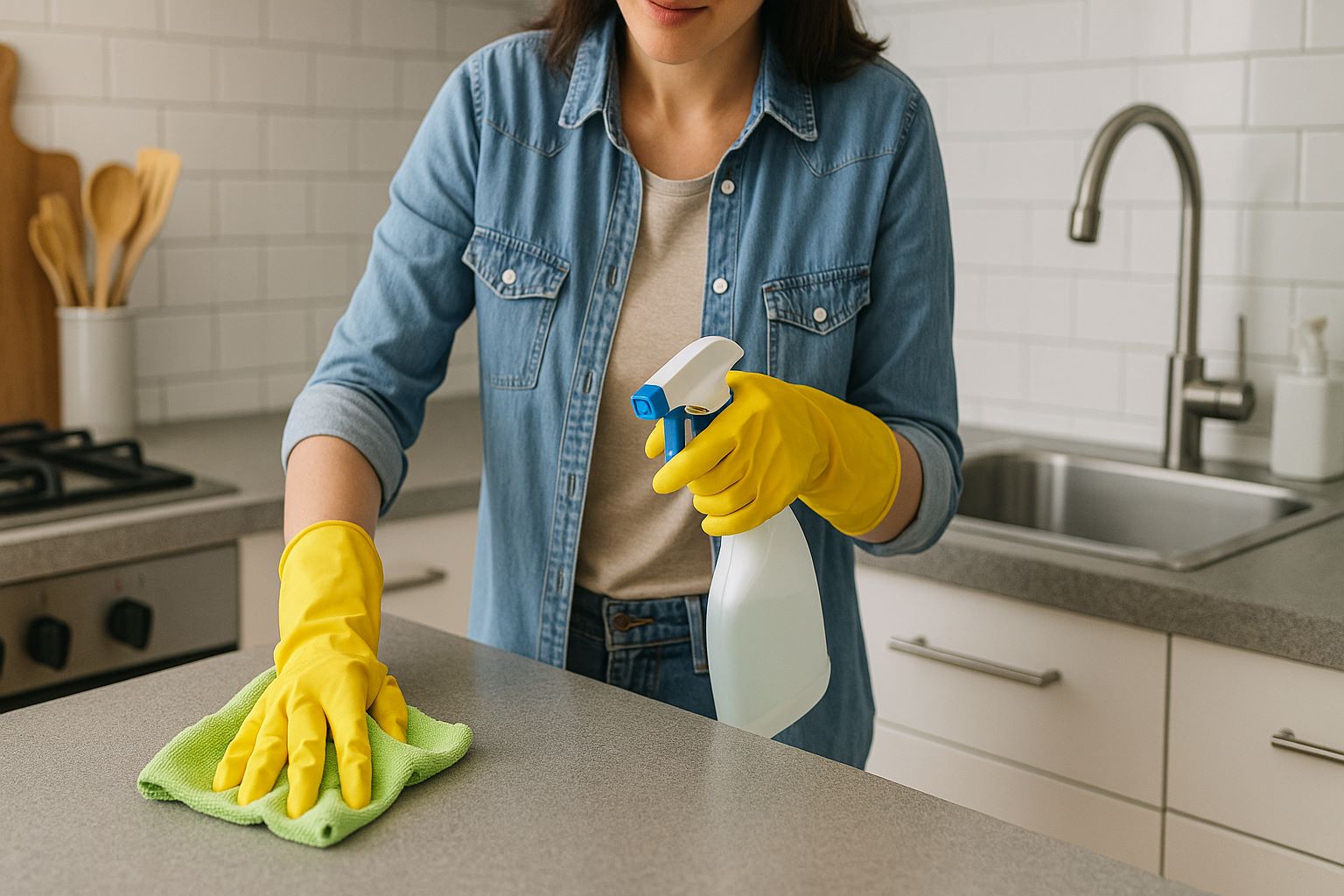
Step 3: Clean Countertops and Backsplash
Different countertop materials need specific care:
For Laminate or Tile:
- Use dish soap and warm water.
- Wipe down with a soft cloth and rinse.
For Granite or Marble:
- Avoid vinegar — it can dull the surface.
- Use a mix of warm water and mild dish soap.
- Dry immediately to prevent water spots.
Backsplash Tip:
- Spray with vinegar and let sit for 5 minutes.
- Scrub lightly with a sponge to remove grease splatters.
🔥 4. Removing Grease the Easy Way
Grease can be one of the toughest kitchen enemies, especially on stovetops, cabinets, and exhaust fans. Here’s how to eliminate it effectively.
For Stovetops
- Sprinkle baking soda directly onto greasy spots.
- Spray vinegar over the area — it will fizz and break down grease.
- Let it sit for 5–10 minutes, then scrub with a sponge.
- Wipe clean with a damp cloth and dry.
For Kitchen Cabinets
- Mix 2 cups warm water, 1 cup vinegar, and 1 tablespoon dish soap.
- Wipe greasy cabinets with a cloth, focusing on handles and edges.
- Rinse with a damp towel and dry thoroughly.
For Range Hoods and Filters
- Remove the metal filter and soak it in hot water mixed with dish soap and baking soda for 15 minutes.
- Scrub with a brush and rinse clean.
- Wipe the hood exterior with a degreasing spray or vinegar solution.
Pro Tip: Regularly clean range filters to prevent buildup and improve air circulation.
🧫 5. How to Disinfect and Remove Germs
The kitchen can host E. coli, salmonella, and mold — especially on cutting boards, sponges, and countertops. Sanitizing is essential.
Countertops and Cutting Boards
- Wipe surfaces with vinegar, then follow up with hydrogen peroxide (spray separately, not mixed).
- Let it sit for a few minutes, then rinse and dry.
Sink and Faucet
- Sprinkle baking soda in the sink, then scrub with a brush.
- Pour vinegar to disinfect and eliminate odors.
- Rinse thoroughly with hot water.
- For faucets, wrap a vinegar-soaked paper towel around the base to dissolve mineral deposits.
Sponges and Dishcloths
- Microwave damp sponges for 1 minute to kill bacteria.
- Replace sponges every 2–3 weeks.
- Wash cloths in hot water after each use.
🧊 6. Cleaning Kitchen Appliances
Appliances often get overlooked — yet they’re where most bacteria and odors hide.
Refrigerator
- Remove all food and shelves.
- Wash shelves with warm soapy water.
- Wipe the interior with a mix of water and baking soda.
- Dry completely before restocking.
Pro Tip: Keep an open box of baking soda inside to absorb odors.
Microwave
- Fill a bowl with water and lemon slices.
- Heat for 3 minutes, then let it sit for 2 minutes.
- Wipe the interior easily — the steam loosens grime.
Oven
- Mix baking soda and water into a paste.
- Spread it inside the oven and let it sit overnight.
- Wipe off residue with vinegar and a damp cloth.
Dishwasher
- Run an empty cycle with 1 cup of vinegar to clean and deodorize.
- Wipe the door edges and filter regularly.
🪟 7. Cleaning Sinks, Drains, and Garbage Disposal
Sinks and drains are breeding grounds for bacteria and bad smells.
Sink Cleaning
- Sprinkle baking soda around the sink.
- Scrub using a sponge or brush.
- Rinse with warm water and wipe dry.
Drain and Disposal
- Pour ½ cup baking soda followed by ½ cup vinegar.
- Let it fizz for 10 minutes, then rinse with boiling water.
- Drop lemon peels and ice cubes into the disposal for a fresh scent and cleaner blades.
Pro Tip: Always dry your sink after cleaning — moisture encourages mold growth.
🧂 8. Organizing While Cleaning
A truly clean kitchen is also an organized one.
- Store similar items together — spices, baking ingredients, snacks.
- Use transparent containers for better visibility.
- Label jars and bins.
- Keep countertops clutter-free for easier daily cleaning.
- Assign each drawer a purpose — cutlery, utensils, gadgets, etc.
Pro Tip: Follow the “one in, one out” rule — if you buy new kitchenware, donate or discard something old.
🌿 9. Natural and Eco-Friendly Cleaning Alternatives
If you want a chemical-free clean, natural solutions can be just as powerful.
- All-purpose cleaner: Mix 2 cups water, 1 cup vinegar, and 1 tablespoon lemon juice.
- Degreaser: Combine baking soda and dish soap into a thick paste.
- Fridge freshener: Place coffee grounds or baking soda inside to absorb odors.
- Glass cleaner: Mix vinegar and cornstarch for a streak-free finish.
Bonus: Essential oils like lavender, lemon, or tea tree not only smell great but also have antibacterial properties.
🕒 10. Daily, Weekly, and Monthly Cleaning Schedule
Consistency keeps your kitchen spotless and bacteria-free.
Daily
- Wipe counters and stovetop.
- Wash dishes or load dishwasher.
- Sweep the floor.
- Empty the trash bin.
Weekly
- Mop floors.
- Clean sink and faucets thoroughly.
- Disinfect cutting boards and handles.
- Wipe inside microwave and small appliances.
Monthly
- Deep clean the refrigerator and oven.
- Wash range filters.
- Clean and deodorize drains.
- Wipe inside cabinets and drawers.
Pro Tip: Create a cleaning checklist to stay organized — small daily habits prevent massive cleanups later.
✨ Final Thoughts
A clean kitchen isn’t just about appearances — it’s about health, hygiene, and comfort. By using the right cleaning techniques, natural ingredients, and consistent routines, you can easily remove grease, kill germs, and maintain a spotless kitchen without harsh chemicals or endless scrubbing.
So next time you cook, you can do it in a shining, fresh, and healthy environment that makes your home feel truly welcoming. 🧽🍋✨