The bathroom is one of the most frequently used spaces in any home — and also one of the hardest to keep clean. From soap scum and limescale to mold and mildew, bathrooms attract all kinds of stubborn stains that can make them look dull, dirty, and even unhealthy.
Thank you for reading this post, don't forget to subscribe!But with the right cleaning methods, tools, and habits, you can keep your bathroom sparkling, fresh, and germ-free year-round. In this comprehensive guide, you’ll learn expert-approved bathroom cleaning tips that tackle everything from mold and mildew removal to deep stain treatment — so your bathroom stays spotless and safe.
🚿 1. Understanding Bathroom Dirt: Why It Builds Up So Fast
Bathrooms are warm, humid environments — perfect conditions for bacteria, mildew, and mold to thrive.
Here’s what you’re up against:
- Soap scum: Caused by the mix of soap residue, body oils, and minerals in water.
- Hard water stains: Result from calcium and magnesium deposits.
- Mold and mildew: Fungi that grow in damp areas with poor ventilation.
- Grime and germs: Especially around toilets, sinks, and floors.
Understanding what causes these problems is the first step to fighting them effectively.
🧼 2. Essential Bathroom Cleaning Supplies
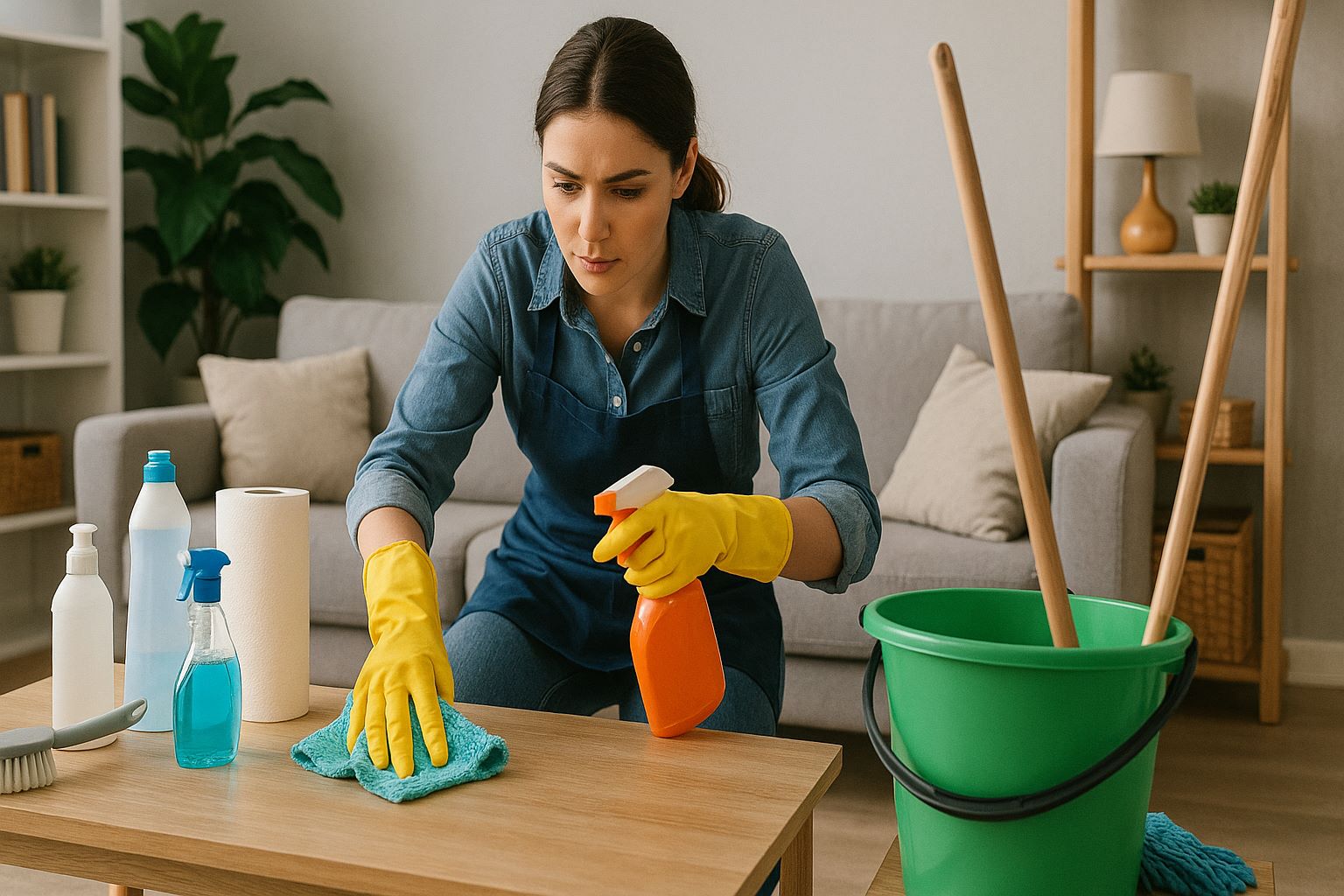
Before you start scrubbing, make sure you have the right tools. A well-equipped cleaning kit saves time and effort.
Must-Have Cleaning Tools
- Microfiber cloths or cleaning rags
- Scrub brushes (large and small)
- Grout brush or old toothbrush
- Spray bottles
- Squeegee
- Mop and bucket
Effective Cleaning Agents
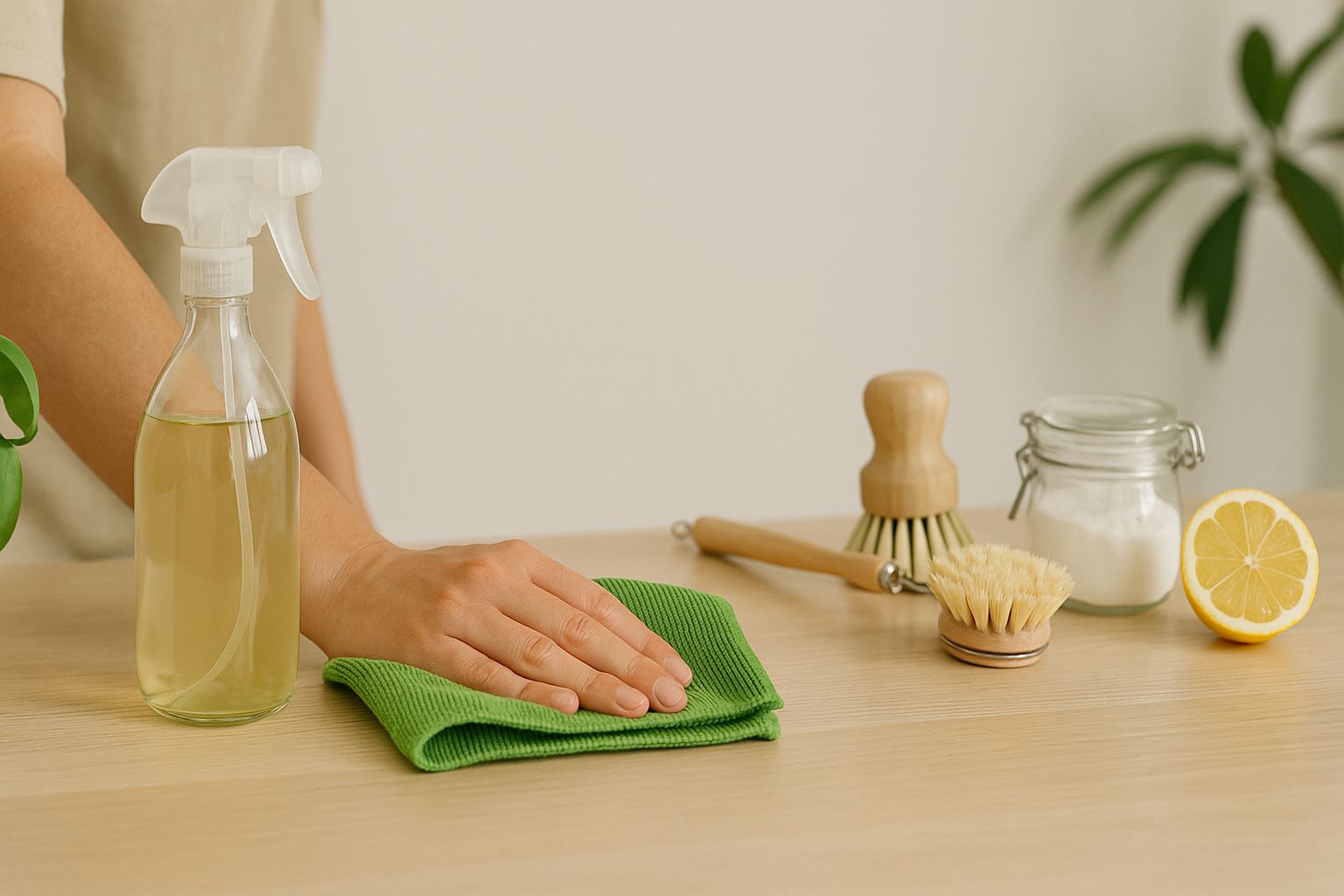
- White vinegar (natural disinfectant)
- Baking soda (deodorizer and gentle abrasive)
- Hydrogen peroxide (kills bacteria and mold)
- Dish soap (cuts grease and grime)
- Lemon juice (natural bleach alternative)
Pro Tip: Avoid mixing vinegar with bleach — it releases toxic fumes. Use natural ingredients or commercial cleaners safely and separately.
🧽 3. Step-by-Step Deep Cleaning Routine
To get your bathroom truly clean, follow this professional, room-wide approach.
Step 1: Declutter and Prepare
- Remove all towels, mats, toiletries, and decorations.
- Shake out or wash shower curtains and rugs.
- Open windows or turn on the exhaust fan for ventilation.
Step 2: Start from Top to Bottom
Cleaning top-down ensures dust and debris fall to areas you’ll clean last.
- Dust light fixtures, vents, and shelves.
- Wipe mirrors with vinegar and water (1:1 ratio).
- Spray disinfectant on walls and let it sit for a few minutes before wiping down.
Step 3: Clean the Shower and Bathtub
These are the toughest spots — where soap scum and mold build up.
For Soap Scum and Hard Water Stains:
- Mix equal parts vinegar and dish soap in a spray bottle.
- Spray surfaces generously and let sit for 15 minutes.
- Scrub with a sponge or soft brush, then rinse with warm water.
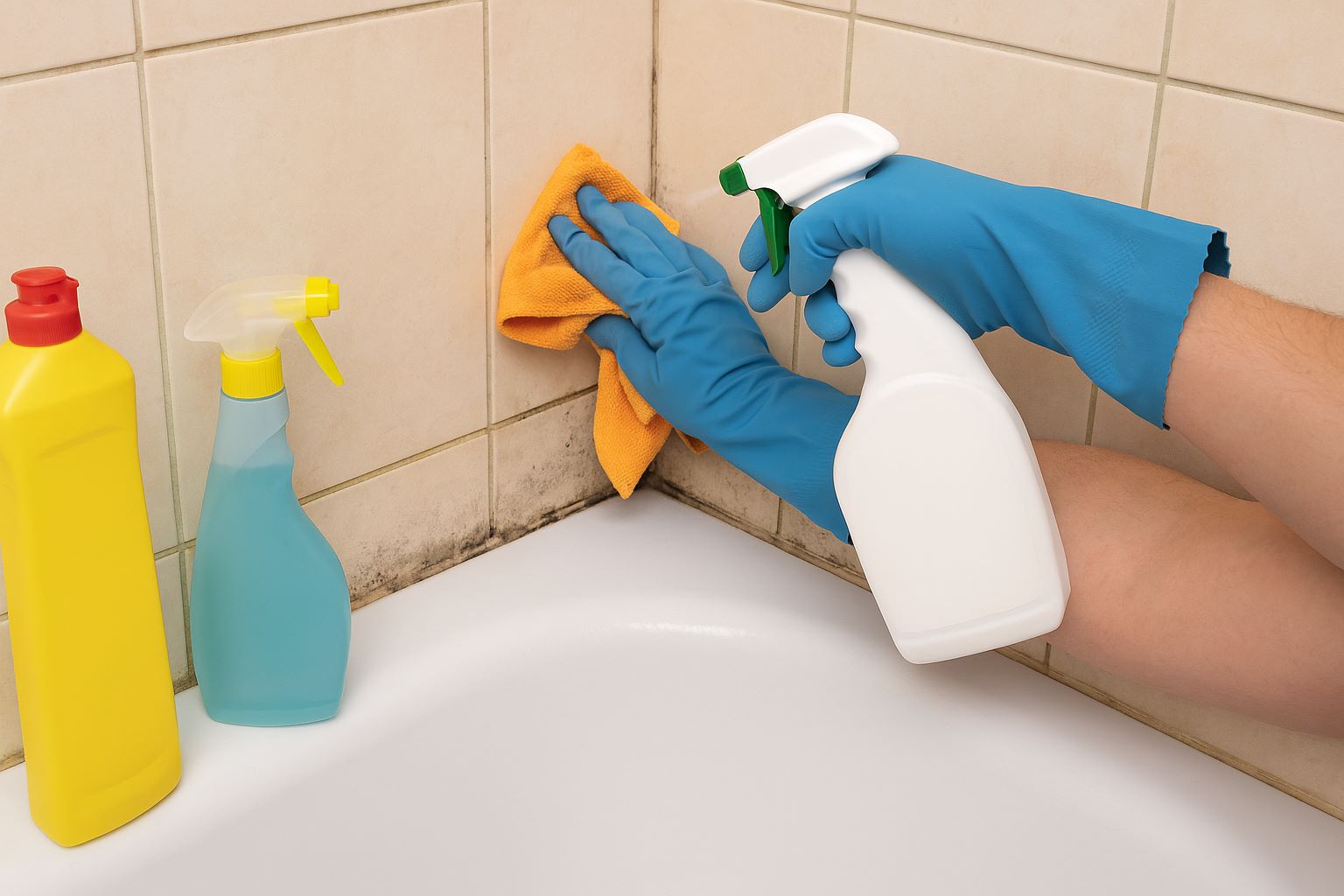
For Mold and Mildew:
- Combine baking soda and hydrogen peroxide into a paste.
- Apply it to moldy spots (especially on tiles and grout).
- Let it sit for 10–15 minutes, then scrub with a grout brush.
- Rinse and dry completely to prevent regrowth.
Bonus Tip: Keep a small squeegee in your shower and use it after every shower to reduce soap scum buildup.
🚽 4. Toilet Cleaning: Disinfecting Made Easy
Toilets harbor more germs than almost any other surface in your home — but cleaning them doesn’t have to be unpleasant.
Toilet Bowl
- Pour 1 cup of vinegar into the bowl and let it sit for 10 minutes.
- Add baking soda and scrub with a toilet brush.
- Flush to rinse thoroughly.
Toilet Seat, Handle, and Exterior
- Wipe with disinfectant or a mix of vinegar and water.
- Pay special attention to the flush handle and underside of the seat — these are high-touch, high-germ areas.
Pro Tip: Use disposable wipes or paper towels instead of reusable cloths for the toilet area to avoid cross-contamination.
🪞 5. Sink and Countertop Cleaning
Bathroom sinks collect toothpaste residue, soap film, and mineral buildup.
How to Clean Effectively:
- Apply a mix of baking soda and dish soap to the sink.
- Scrub gently with a soft sponge.
- Rinse and wipe dry with a microfiber cloth to prevent water spots.
For Faucets and Handles:
- Spray vinegar and let it sit for 5 minutes.
- Wipe clean with a cloth — use a toothbrush for tight corners.
- Polish with a drop of baby oil or lemon juice for extra shine.
🧴 6. Grout and Tile Care
Grout lines are notorious for harboring mold and dirt — but with regular maintenance, they can stay bright and clean.
Deep Clean Grout Naturally
- Mix 1 cup of baking soda with ¼ cup of hydrogen peroxide and 1 teaspoon of dish soap.
- Apply paste to grout lines with an old toothbrush.
- Let it sit for 10 minutes, scrub, then rinse.
For Extra Tough Stains:
Use a steam cleaner — it loosens dirt and kills bacteria without chemicals.
Prevent Future Stains
- Apply a grout sealer every 6 months to block moisture.
- Keep bathroom ventilated after showers to minimize mold growth.
🧴 7. Mirror and Glass Cleaning Hacks
Say goodbye to streaky mirrors and foggy shower glass with these quick tricks.
For Mirrors:
- Spray a vinegar-water solution (1:1 ratio).
- Wipe with a microfiber cloth in a zigzag motion.
- Buff dry with newspaper for a streak-free shine.
For Shower Doors:
- Make a paste with baking soda and vinegar for soap scum.
- Apply, let sit 10 minutes, scrub, and rinse.
- Prevent buildup by applying a thin layer of car wax or baby oil monthly — it repels water and keeps glass crystal clear.
🌿 8. Mold and Mildew Prevention Tips
Mold thrives in damp, dark spaces — prevention is key to keeping your bathroom healthy.
Keep It Dry
- Always turn on the exhaust fan or open windows after showers.
- Wipe down shower walls and doors after use.
- Hang towels to dry properly.
Improve Ventilation
- Clean exhaust fans regularly for better air circulation.
- Leave the bathroom door slightly open to prevent humidity buildup.
Routine Mold Control
- Spray a vinegar solution on tiles weekly — it kills spores before they spread.
- Replace old caulking if mold persists — it can hide beneath it.
Pro Tip: Add a few drops of tea tree oil to your cleaning spray — it’s a natural antifungal that smells amazing.
🧹 9. Floor and Baseboard Cleaning
The floor collects hair, dust, and bacteria daily — don’t neglect it.
For Tile or Vinyl Floors:
- Sweep or vacuum first.
- Mop using warm water mixed with a few drops of dish soap or vinegar.
- Rinse with clean water and dry to prevent streaks or water spots.
Baseboards:
- Wipe with a damp cloth or use a small brush to clean crevices.
- For shine, apply a small amount of all-purpose cleaner and buff dry.
🕒 10. Create a Weekly Bathroom Cleaning Routine
Keeping your bathroom spotless is easier when you maintain it regularly instead of deep-cleaning once a month.
Daily Tasks
- Wipe counters and mirrors.
- Rinse the sink after use.
- Hang towels to dry.
Weekly Tasks
- Scrub the toilet, tub, and shower.
- Mop the floor.
- Wash mats and towels.
Monthly Tasks
- Clean grout and deep-clean drains.
- Wash shower curtains or liners.
- Check for leaks or water damage.
By sticking to a schedule, you’ll prevent grime and mold from ever taking hold.
✨ Final Thoughts
A sparkling bathroom isn’t just about appearances — it’s about creating a clean, hygienic, and relaxing environment. By tackling mold, mildew, and stains proactively, and keeping up with simple daily habits, you can ensure your bathroom stays fresh and inviting all year long.
Start today — grab your vinegar, baking soda, and scrub brush, and transform your bathroom into a spotless, spa-like space that shines from corner to corner. 🚿🧽