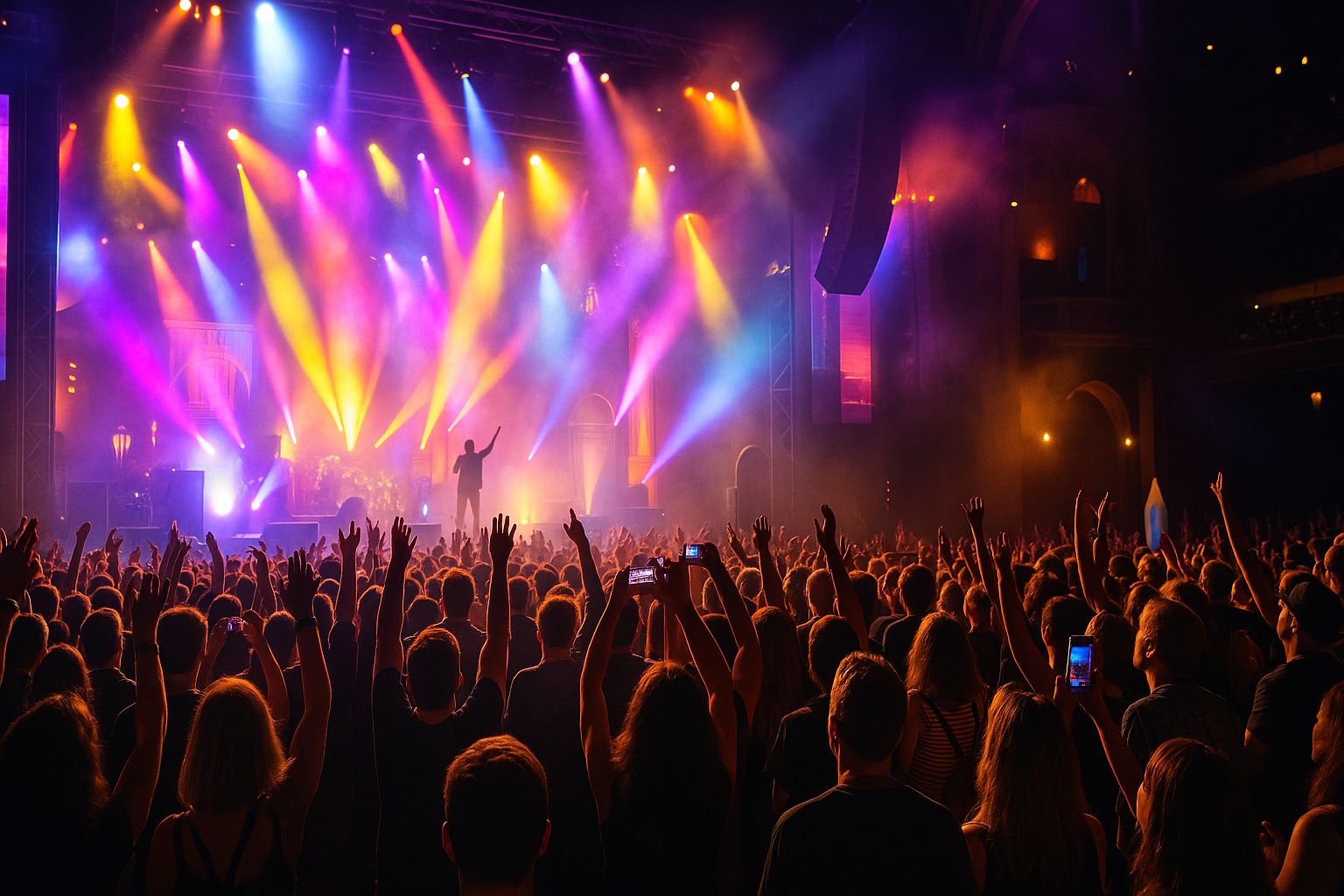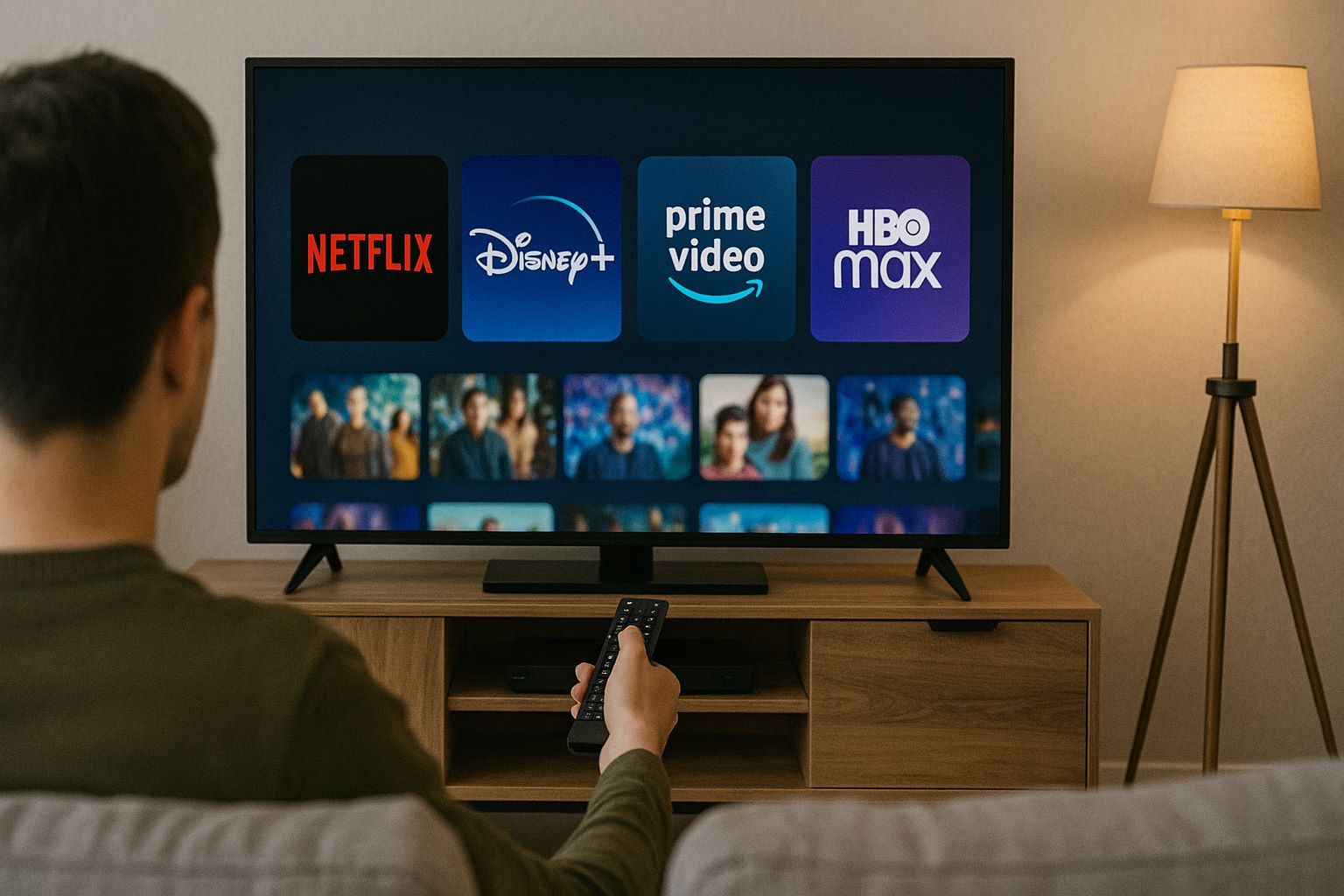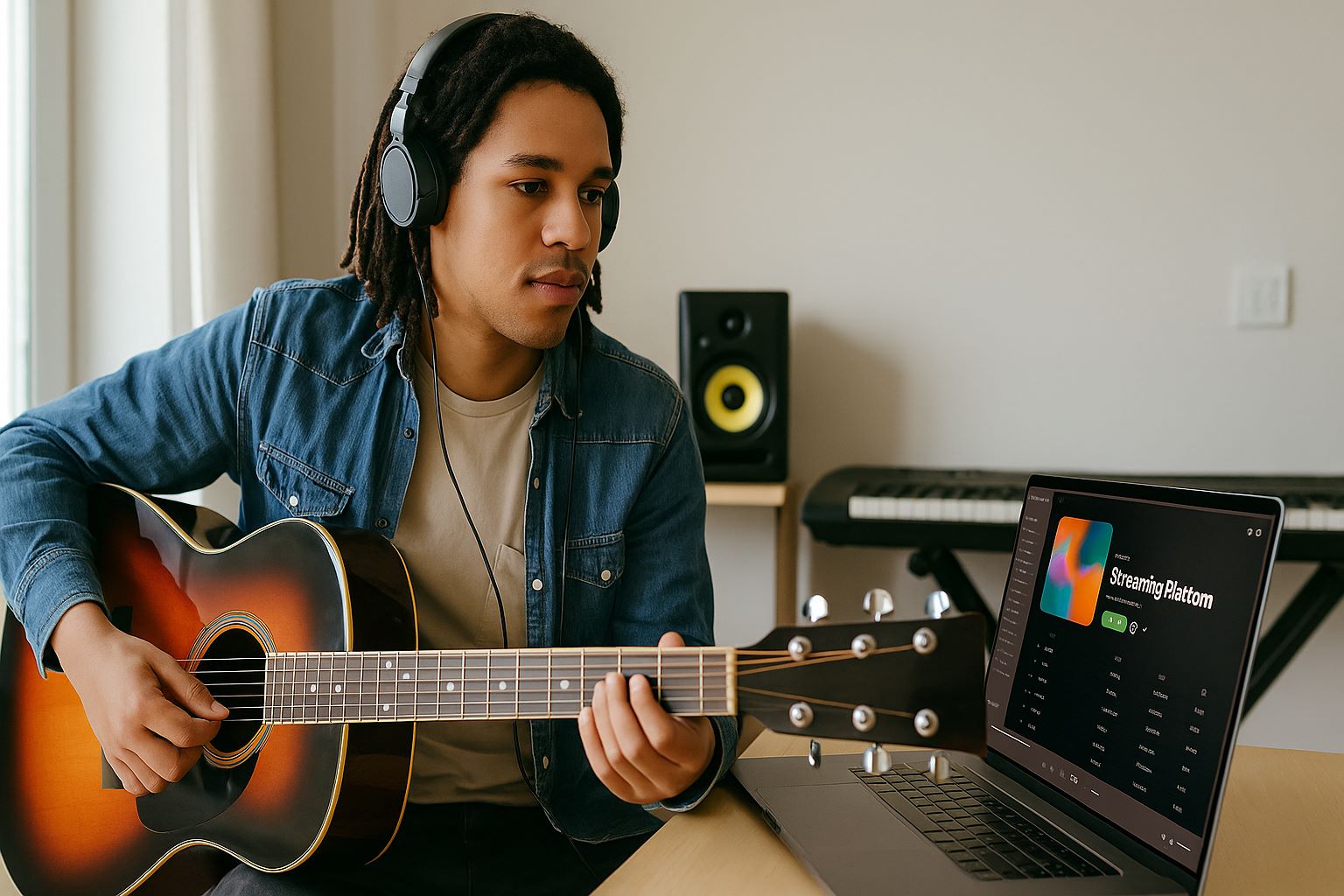
Music has always been a reflection of culture, emotion, and creativity. But over the past two decades, the way we create, share, and experience music has changed more than ever before. Gone are the days of CDs and cassette tapes — the digital age has completely revolutionized the industry. Today, streaming platforms like Spotify, Apple Music, YouTube, and SoundCloud dominate how people discover and listen to music, giving artists global reach but also introducing new challenges.
Thank you for reading this post, don't forget to subscribe!In this article, we’ll explore how streaming has reshaped the music industry, transformed artists’ careers, and redefined what it means to succeed in today’s digital world.
1. The Transformation of Music Consumption
Before streaming, music was a tangible experience — you bought physical albums, collected vinyl, or downloaded tracks one by one. The arrival of digital music platforms changed everything.
From Ownership to Access
In the past, people owned music — now, they access it. Streaming services give users millions of songs instantly, all for a small subscription fee (or even free with ads). This shift from ownership to accessibility marked a fundamental change in consumer behavior.
Global Reach and Instant Availability
Platforms like Spotify and YouTube have made music borderless. An independent artist from Nigeria or South Korea can reach listeners in Europe or the U.S. overnight. This has democratized the industry, giving artists exposure without the backing of major record labels.
2. The Rise of Streaming Platforms
The 2010s were the decade that truly established streaming as the future of music. Let’s take a quick look at how key platforms shaped this revolution:
Spotify: The Pioneer of Music Streaming
Launched in 2008, Spotify became the game-changer with its vast library, user-friendly interface, and personalized playlists. Features like Discover Weekly and Release Radar help users find new artists, while giving creators valuable data on their listeners.
Apple Music: Blending Tech and Tunes
Apple Music entered the scene in 2015, integrating seamlessly with the Apple ecosystem. It focused on exclusive releases and high-quality audio, appealing to serious music lovers and professionals alike.
YouTube and SoundCloud: The Platforms for Discovery
- YouTube remains the largest music discovery platform globally, where visuals amplify an artist’s reach.
- SoundCloud, on the other hand, gave rise to entire genres like “SoundCloud rap,” launching artists such as Post Malone and Lil Uzi Vert to stardom.
Together, these platforms didn’t just distribute music — they reshaped how artists build audiences and brands.
3. How Streaming Changed the Artist’s Journey
Streaming has made music creation more accessible but also more competitive. For artists, the digital age has opened new doors — and new challenges.
1. The Democratization of Music Production
In the past, producing a professional album required expensive studio equipment. Now, with affordable digital audio software and online distribution, anyone can create and release music. This has given rise to millions of independent artists, blurring the line between amateur and professional.
2. Direct Connection with Fans
Streaming platforms allow artists to engage directly with their audience. Through data analytics, musicians can see who listens, where they’re located, and what songs they replay most. This data helps artists plan tours, create personalized content, and build loyal communities.
3. The Decline of Record Labels’ Control
While record labels once had total control over who “made it,” streaming has leveled the playing field. Independent artists can now self-release music and still gain millions of streams. This has empowered creators to maintain ownership of their music and brand identity.
4. The Economics of Streaming: A Double-Edged Sword
While streaming has expanded global access to music, it has also sparked debate about artist compensation.
1. How Streaming Royalties Work
Streaming services pay artists based on the number of times their songs are played. However, the payouts are fractional — usually between $0.003 and $0.005 per stream. This means an artist would need millions of plays to earn a substantial income.
2. The Winners and Losers
- Big stars like Taylor Swift, Drake, and Ed Sheeran earn millions from streaming due to their vast reach.
- Independent artists, however, often struggle to make enough, especially since platforms keep a significant portion of the revenue.
This imbalance has led to ongoing debates about fair pay in the digital era, with many artists calling for more transparency and higher royalty rates.
3. The Rise of Alternative Revenue Streams
To counter low streaming income, artists have diversified their income sources:
- Live performances and tours
- Brand collaborations and sponsorships
- Merchandise sales
- Crowdfunding through platforms like Patreon
Streaming may not always pay well, but it acts as a powerful promotional tool, helping artists attract opportunities beyond digital plays.
5. The Role of Algorithms in Shaping Music Careers
In the streaming era, algorithms decide what we listen to.
Platforms use artificial intelligence to study listener habits and recommend songs that match their preferences. While this helps users discover new music, it also raises questions about creative visibility.
1. Playlist Power
Being featured on a major playlist like Spotify’s New Music Friday can make or break a career. A single placement can bring millions of streams overnight. However, with thousands of songs uploaded daily, getting noticed is harder than ever.
2. The Shorter Attention Span Effect
Because streaming encourages skip-friendly listening, songs have become shorter and catchier. Many artists now craft intros that hook listeners within seconds to avoid being skipped — a sign of how technology influences creativity.
3. Data-Driven Creativity
Some artists use data to guide their artistic direction, focusing on styles or lyrics that perform better. While this helps maximize success, it can sometimes limit artistic experimentation.
6. Social Media and Music: The New Promotional Powerhouse
Streaming and social media go hand in hand. Platforms like TikTok, Instagram, and X (formerly Twitter) are now essential for music promotion.
1. The TikTok Effect
A 15-second TikTok clip can make a song go viral worldwide. Many artists, such as Lil Nas X (Old Town Road) and Olivia Rodrigo (Drivers License), owe their success to viral trends that started on TikTok.
2. Fan Engagement and Branding
Artists now act as their own marketers, sharing behind-the-scenes content, live sessions, and personal moments. This humanizes them and strengthens their bond with fans.
3. The Era of Music Virality
A catchy hook, relatable lyrics, or dance challenge can propel unknown musicians into stardom overnight. In today’s world, virality is often more powerful than traditional marketing.
7. Challenges of Music in the Digital Age
Despite its advantages, digitalization has created new hurdles for musicians.
- Oversaturation: Millions of tracks are uploaded daily, making it hard for artists to stand out.
- Piracy: Even with streaming, illegal downloads and leaks still harm revenue.
- Creative Pressure: The need for constant online presence and viral success can lead to burnout.
- Algorithm Dependence: Artists are increasingly at the mercy of algorithms that control visibility and reach.
Still, for many musicians, the opportunities outweigh the risks — streaming gives them global exposure that was unimaginable two decades ago.
8. The Future of Music Streaming
The evolution of streaming is far from over. Future innovations promise to make the music experience even more interactive and rewarding for both artists and listeners.
1. Blockchain and NFTs
Blockchain technology could allow musicians to sell music directly to fans through NFTs, ensuring fair payment and ownership transparency.
2. Immersive Audio and AI Integration
Advancements in spatial and AI-generated music are transforming how we experience sound, offering personalized, 3D-like audio experiences.
3. Fan-Driven Economies
New models like fan tokens and artist crowdfunding are emerging, allowing fans to invest directly in their favorite artists’ careers.
The next phase of digital music will likely focus on fair compensation, personalized engagement, and immersive storytelling.
9. The Positive Impact: Empowering a New Generation of Artists
Despite its flaws, streaming has empowered millions of creators. It has democratized the industry, allowing musicians to bypass gatekeepers and share their art directly with the world.
Artists from diverse backgrounds, languages, and cultures are finding global audiences, breaking down barriers that once restricted international success. Streaming has made music more inclusive, accessible, and borderless than ever before.
Conclusion: A New Era of Music and Opportunity
The digital age has transformed music from a local experience into a global phenomenon. Streaming platforms have redefined what it means to be an artist — empowering creators to connect with fans, analyze data, and reach audiences across continents.
While challenges like low royalties and algorithmic bias remain, the opportunities for creativity and connection are endless.
In this new landscape, success isn’t just measured by record sales or awards — it’s about connection, consistency, and creativity. Streaming hasn’t just changed how we listen to music — it’s reshaped the very soul of the music industry forever.