The COVID-19 pandemic changed nearly every aspect of our lives — and few industries felt the impact more than live entertainment. Concerts were canceled, theaters went dark, and festivals that once drew thousands were replaced with livestreams and digital events. For a time, it seemed like the magic of shared, in-person experiences might never return.
Thank you for reading this post, don't forget to subscribe!Yet, just a few years later, live events are making a powerful comeback — reimagined, more inclusive, and technologically advanced. The world’s hunger for real connection has reignited, and artists, organizers, and audiences alike are reshaping what it means to come together for entertainment.
In this article, we’ll explore how concerts, theaters, and festivals have evolved in the post-pandemic era — from safety innovations and hybrid experiences to the rebirth of community through live performance.
1. The Pause That Transformed the Industry
When the World Went Silent
In 2020, stages across the globe went dark. Major festivals like Coachella, Glastonbury, and Tomorrowland were canceled. Broadway and West End theaters closed their doors for months. Musicians and performers turned to social media, hosting live streams from their bedrooms.
It wasn’t just an economic hit — it was an emotional one. Audiences missed the collective energy of crowds, the thrill of live music, and the emotional resonance that only shared experiences can bring.
The Rise of Virtual and Hybrid Events
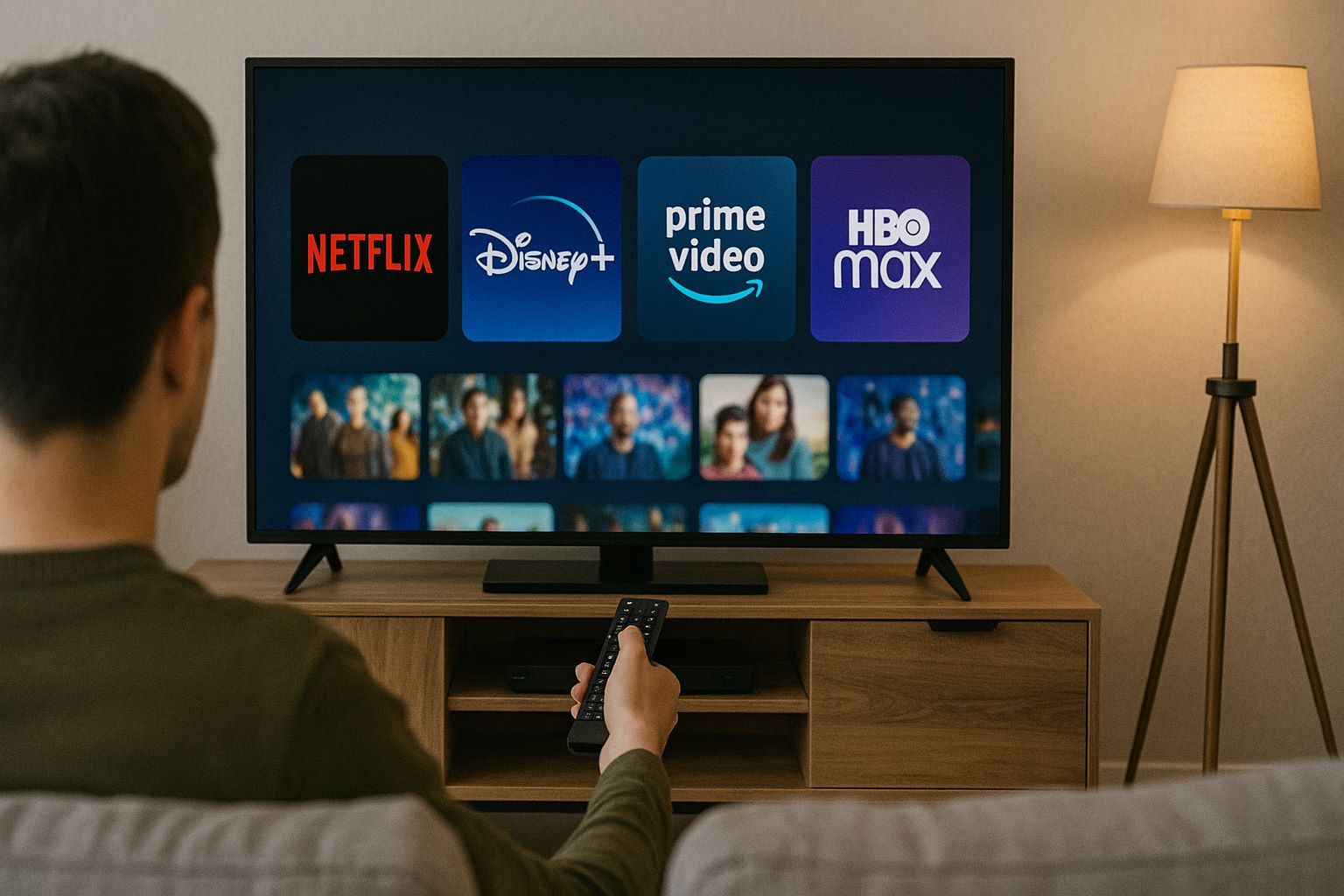
During lockdowns, virtual concerts and digital festivals became the norm. Platforms like YouTube Live, Twitch, and Instagram Live gave performers new stages — though without the physical presence of fans.
Artists like Billie Eilish, BTS, and The Weeknd pioneered high-quality virtual performances that blended technology, interactivity, and creativity. These online experiments kept the entertainment world alive and introduced a new layer of innovation that still influences live events today.
2. The Grand Return: Rebuilding the Live Experience
Reopening with Purpose
As restrictions eased, the return of live events wasn’t simply a return to “normal.” It was a rebirth. Organizers began prioritizing safety, inclusivity, and innovation. Concerts and festivals implemented new systems like:
- Digital ticketing and contactless entry
- Improved air filtration and sanitization
- Outdoor venues and open-air layouts
- Hybrid streaming options for remote audiences
These measures not only restored confidence but also enhanced the overall experience.
Fans’ Renewed Appreciation
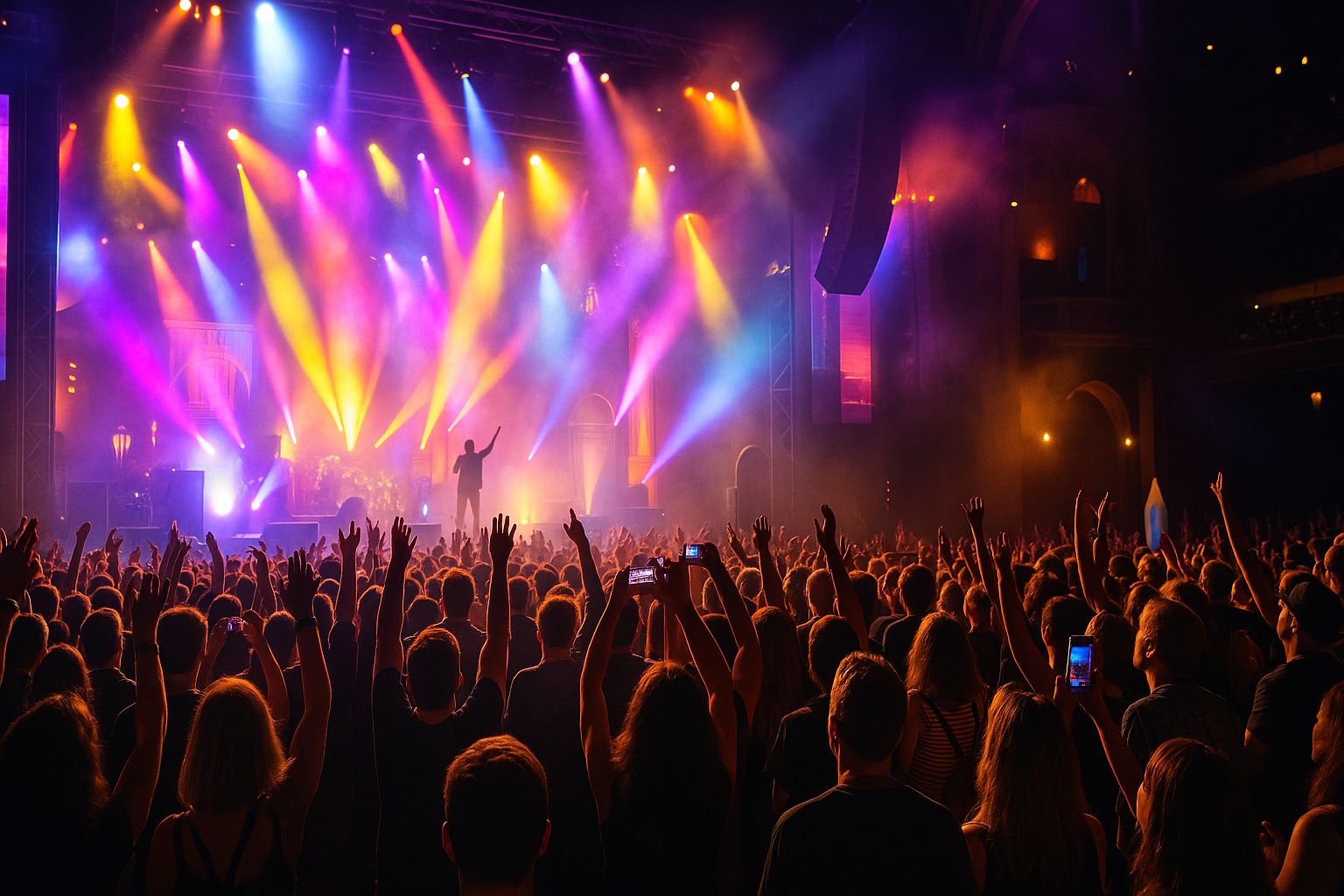
After years of isolation, audiences now value in-person connection more than ever. The energy of a crowd singing in unison, the anticipation before a curtain rises, or the communal joy of a festival dance floor — these moments feel richer post-pandemic.
As one concertgoer put it, “We’re not just attending shows anymore — we’re celebrating the fact that we can.”
3. The Evolution of Concerts
a. Technology Meets Performance
Post-pandemic concerts have embraced technology like never before. From holographic performances and augmented reality visuals to 360° stage designs, live music has become more immersive and interactive.
Artists such as Coldplay and Beyoncé use synchronized wristbands, LED visuals, and sustainability-focused designs to create experiences that engage every sense.
b. Smaller, More Intimate Shows
Many artists are choosing smaller venues to reconnect with audiences on a personal level. Acoustic sessions, pop-up gigs, and limited-capacity tours are creating a sense of intimacy that was missing in pre-pandemic mega-concerts.
c. Sustainable Touring
Sustainability has become a major focus. Artists like Billie Eilish and Harry Styles are championing eco-friendly tours by minimizing waste, reducing carbon emissions, and collaborating with green organizations.
Concerts are not just entertainment anymore — they’re statements of global responsibility.
4. Theater’s Creative Reinvention
a. Digital and Live Fusion
Theater companies adapted by blending live and digital formats. Many performances now offer hybrid tickets — allowing audiences to attend in person or watch via high-quality live streams. This approach expands accessibility to global audiences who may not be able to travel or afford premium seats.
b. Innovative Stage Design and Storytelling
The pandemic inspired a wave of creative storytelling. Productions like Hamilton and Dear Evan Hansen released cinematic versions, while new works explore themes of isolation, resilience, and hope.
Theater has become more experimental and emotionally raw, resonating deeply with post-pandemic audiences seeking authenticity.
c. Accessibility and Inclusivity
Diversity and inclusion are also at the forefront. More productions are being cast with inclusive representation and offering closed captioning, sign language, and affordable pricing — ensuring theater remains open to everyone, not just a privileged few.
5. Festivals Reimagined for a New Era
a. Hybrid Festival Models
Music and arts festivals have embraced hybrid models — combining physical gatherings with virtual experiences. Fans who can’t attend in person can still join via live streams, VR setups, or metaverse-style events.
For example, Tomorrowland introduced “Tomorrowland Around the World”, a digital edition that connected millions of fans globally in a virtual fantasy landscape.
b. Wellness and Mindfulness
After the collective trauma of the pandemic, festivals are focusing more on mental health and well-being. Yoga zones, meditation tents, and wellness workshops have become as common as DJ stages.
Festivals like Wonderfruit in Thailand and Lightning in a Bottle in California integrate mindfulness, sustainability, and community building — redefining what celebration means.
c. Local Talent and Community Revival
Many festivals are supporting local artists and regional talent more than ever before. Instead of relying solely on international headliners, post-pandemic lineups highlight community creativity — fostering local culture and identity.
6. The Role of Technology in Post-Pandemic Entertainment
a. Contactless and Cashless Systems
The pandemic accelerated digital transformation in live events. Today, most festivals and concerts are cashless, using wristbands, QR codes, or mobile apps for payments and access — enhancing convenience and safety.
b. Virtual Reality and Metaverse Events
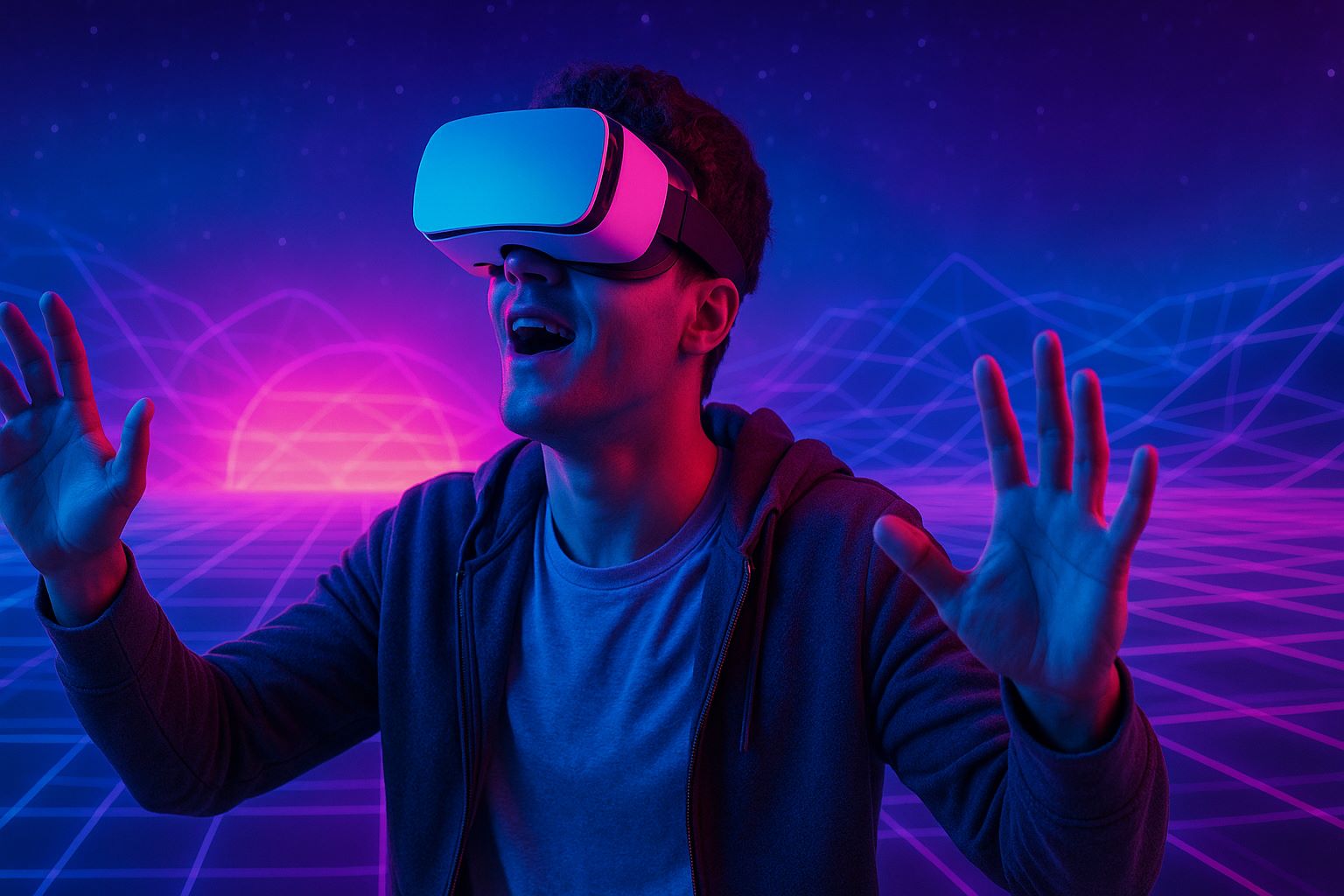
Some organizers are blending VR and the Metaverse with live shows. Fans can attend virtually, interact with others as avatars, and experience concerts in new ways. This technology creates global accessibility and expands the meaning of “live.”
c. Data-Driven Experiences
Event apps now use data analytics to enhance the audience experience — from personalized playlists and crowd management to real-time safety alerts. These innovations make live entertainment smarter and more responsive.
7. Safety, Sustainability, and Responsibility
Health and Safety Protocols
Even as the world moves past the pandemic, many health measures remain standard. Hand sanitizing stations, crowd flow management, and flexible cancellation policies are now integral to event planning.
Eco-Conscious Entertainment
Sustainability is no longer optional. Organizers are cutting plastic waste, using renewable energy, and encouraging eco-friendly travel options. Festivals like Glastonbury have banned single-use plastics entirely.
Social Responsibility
Live events are also becoming platforms for change — supporting causes like mental health awareness, climate action, and diversity. Entertainment now doubles as advocacy, giving audiences a sense of purpose alongside enjoyment.
8. The Emotional Power of Being Together Again
Rediscovering Human Connection
If the pandemic taught us anything, it’s that humans crave connection. Virtual entertainment kept us company, but it couldn’t replace the electricity of shared emotion — that moment when thousands of people sing the same lyric or when a theater audience collectively gasps at a twist.
The Healing Power of Art
Live events now carry a deeper meaning. They’ve become a form of collective healing, reminding us that art, music, and performance can unite us after years of separation. The joy of togetherness feels almost sacred — a rediscovered treasure.
9. What the Future Holds for Live Entertainment
Hybrid Is Here to Stay
Hybrid events — combining in-person and virtual attendance — will continue to shape the future. This format ensures inclusivity, accessibility, and global reach, making entertainment more flexible and resilient.
Technological Immersion
Expect more AR-enhanced concerts, holographic performances, and interactive theater shows that respond to audience participation. The boundary between performer and spectator will continue to blur.
Focus on Experience Over Scale
Instead of chasing record-breaking crowds, event organizers are focusing on quality, intimacy, and emotional depth. The goal is no longer to just entertain — it’s to connect and inspire.
10. Conclusion: The Renaissance of Live Entertainment
The pandemic may have paused the music, but it couldn’t silence the human spirit. In its aftermath, live events have returned stronger, smarter, and more meaningful than ever before.
Concerts, theaters, and festivals are no longer just spectacles — they’re symbols of resilience and rebirth. They remind us that while screens can connect us, only shared experiences can truly move us.
As we step into this new era, the future of entertainment lies not just in technology, but in the timeless power of togetherness — where art, energy, and emotion converge to create moments that no digital world can replicate.