Introduction: The New Era of Digital Investing
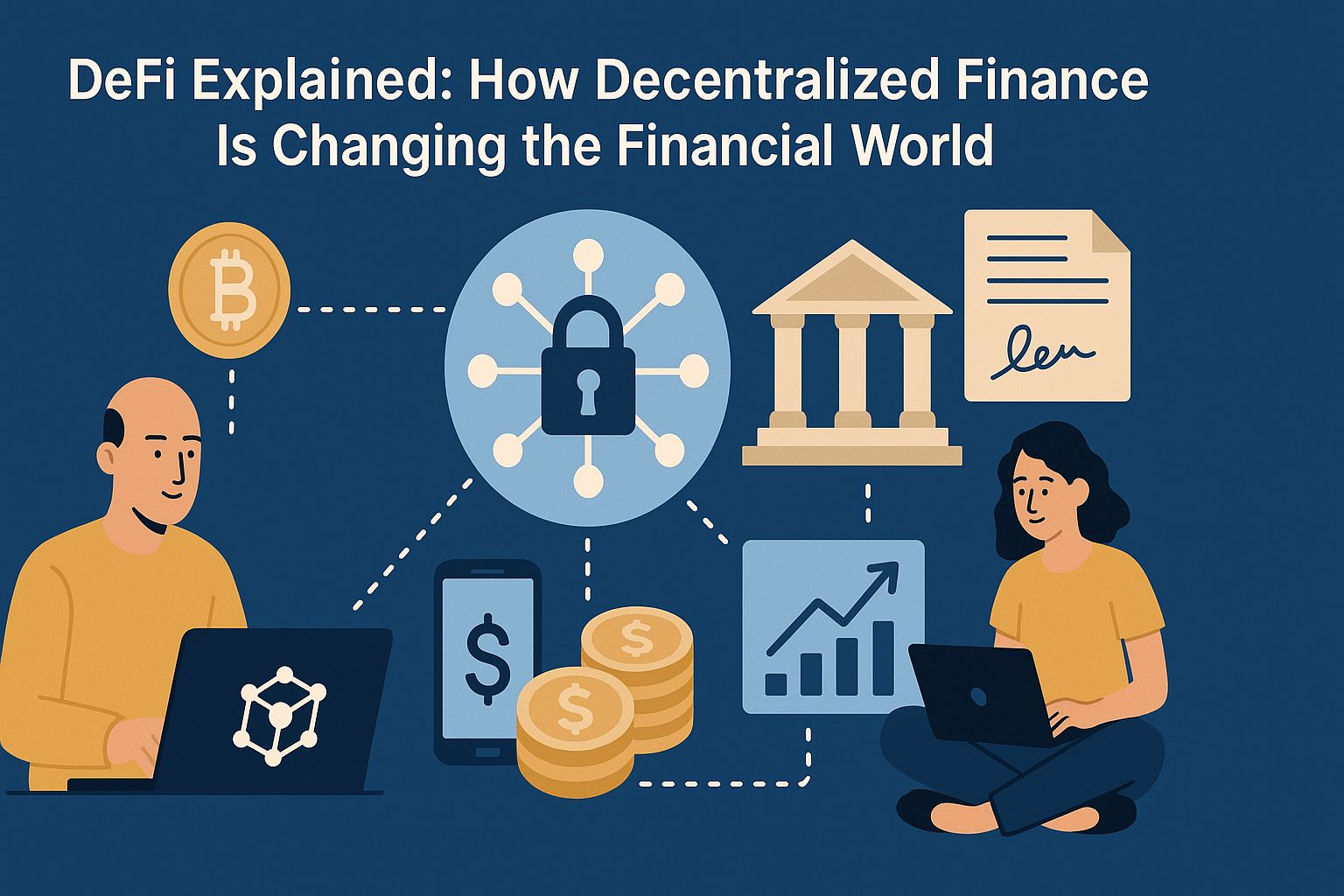
Cryptocurrency investing has taken the financial world by storm. What was once considered a niche interest for tech enthusiasts has now become a mainstream investment option attracting millions of people across the globe. From Bitcoin and Ethereum to thousands of altcoins, the digital asset market offers endless opportunities — but also risks that every new investor must understand.
Thank you for reading this post, don't forget to subscribe!In 2025 and beyond, cryptocurrencies are no longer just speculative assets; they’ve become an essential part of diversified investment portfolios. Whether you want to grow your wealth, hedge against inflation, or explore decentralized finance (DeFi), understanding how to start investing in crypto safely is vital.
This guide will walk you through every step of crypto investing, from choosing your first coin to securing your assets — all explained in a clear, beginner-friendly way.
1. Understanding Cryptocurrency: The Foundation of Your Investment Journey
1.1 What Is Cryptocurrency?
Cryptocurrency is a digital form of money that operates on a decentralized network called the blockchain. Unlike traditional currencies controlled by governments or banks, crypto allows peer-to-peer transactions without intermediaries.
Each cryptocurrency operates on its own blockchain — a secure, transparent digital ledger that records every transaction. This decentralization makes cryptocurrencies transparent, borderless, and resistant to manipulation.
1.2 Why People Invest in Crypto
There are several reasons why millions are turning to crypto:
- High Return Potential: Some coins have grown thousands of percent in value over the past decade.
- Decentralization: No central authority controls crypto, giving users full ownership of their funds.
- Portfolio Diversification: Crypto provides exposure to a new asset class uncorrelated with traditional markets.
- Innovation and Future Potential: Blockchain is driving global trends in Web3, NFTs, DeFi, and AI-integrated finance.
However, crypto investing also carries volatility and risk, making education and strategy essential before diving in.
2. Step 1 – Do Your Research (DYOR)
2.1 Learn the Basics
Before buying your first coin, spend time understanding how cryptocurrencies work. Read beginner guides, follow reputable crypto news outlets, and learn about blockchain fundamentals, wallets, and exchanges.
2.2 Understand the Types of Cryptocurrencies
There are thousands of coins, but they generally fall into categories like:
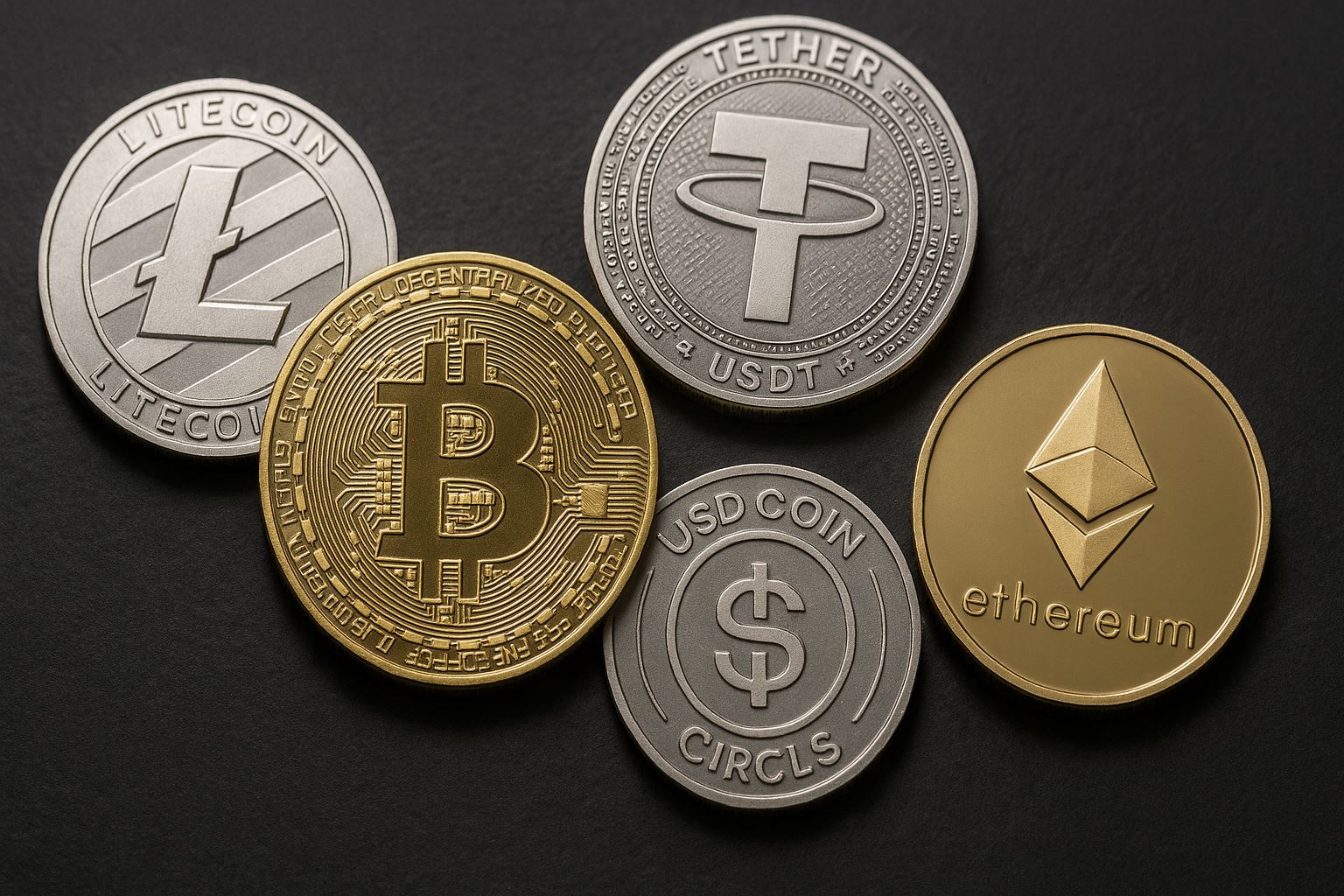
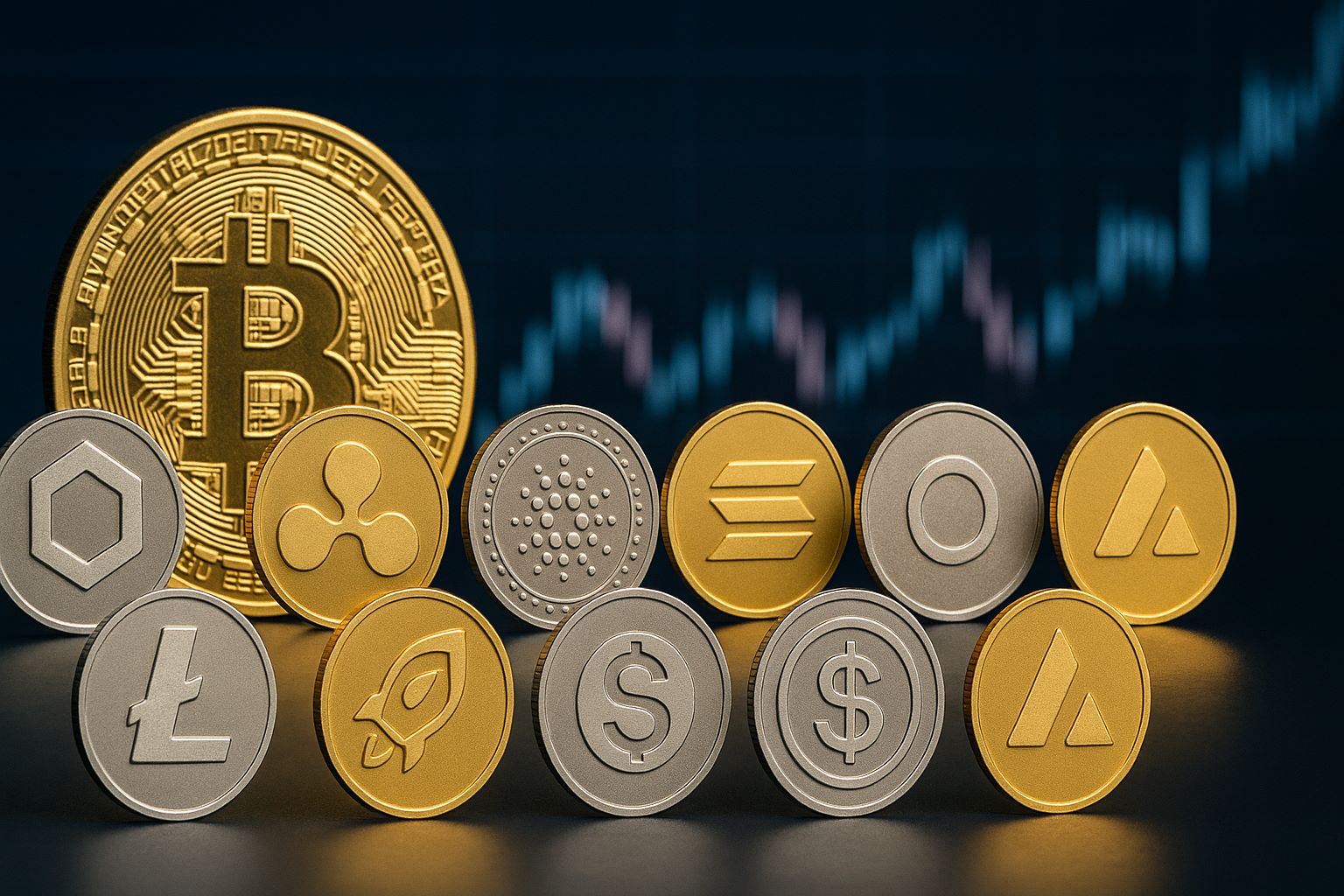
- Bitcoin (BTC): The original cryptocurrency and store of value.
- Altcoins (e.g., Ethereum, Cardano, Solana): Offer different technologies and use cases.
- Stablecoins (USDT, USDC): Pegged to real-world assets to maintain price stability.
- Utility Tokens: Provide access to blockchain-based services or platforms.
Avoid “hype coins” or unverified projects. Look for cryptocurrencies with strong teams, transparent goals, and real-world use cases.
2.3 Analyze the Market
Use tools like CoinMarketCap or CoinGecko to track prices, market caps, and trading volumes. Learn how to read crypto charts and indicators to make informed decisions rather than emotional ones.
3. Step 2 – Choose a Reliable Crypto Exchange
3.1 What Is a Crypto Exchange?
A crypto exchange is a digital marketplace where you can buy, sell, and trade cryptocurrencies. It works like a stock exchange but operates 24/7 and allows you to own your assets directly.
3.2 How to Pick a Secure Exchange
Look for platforms that offer:
- Strong Security Features: Two-factor authentication (2FA), cold storage, and insurance coverage.
- Regulatory Compliance: Registered and licensed in your country.
- User-Friendly Interface: Simple trading tools for beginners.
- Variety of Coins: A diverse selection of reputable cryptocurrencies.
Top beginner-friendly exchanges: Binance, Coinbase, Kraken, and OKX.
3.3 Verification and Setup
After selecting an exchange, complete KYC (Know Your Customer) verification to comply with anti-fraud regulations. Once verified, link your bank account or payment method to deposit funds securely.
4. Step 3 – Choose a Wallet to Store Your Crypto Safely
4.1 The Importance of Wallets
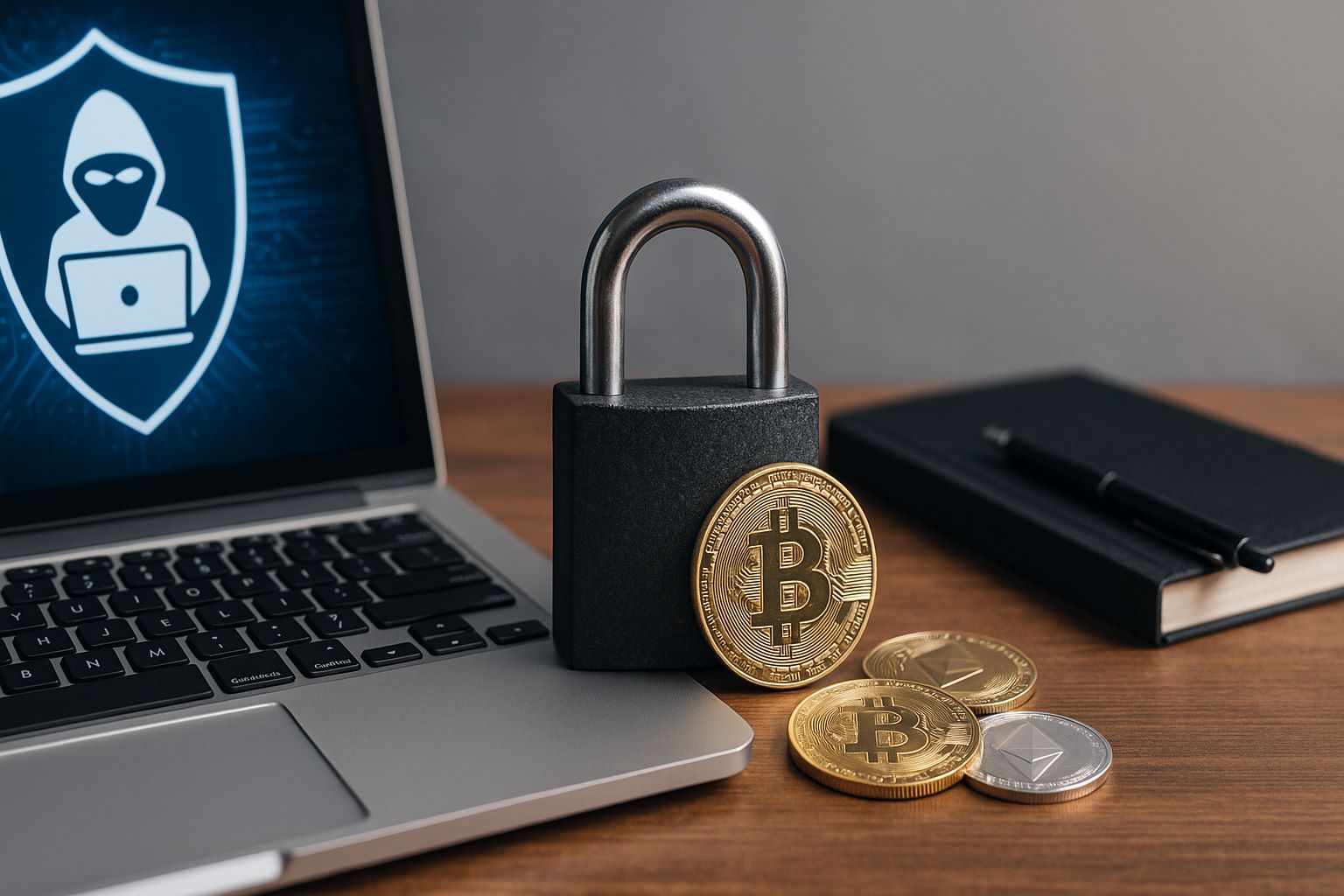
Your crypto wallet is where your digital assets are stored. Keeping funds on exchanges long-term is risky — hackers often target centralized platforms. That’s why you should move your holdings to a personal crypto wallet for maximum control.
4.2 Types of Crypto Wallets
- Hot Wallets: Online wallets connected to the internet. Convenient but vulnerable to cyberattacks. Examples: MetaMask, Trust Wallet.
- Cold Wallets: Offline devices that store crypto securely. Ideal for long-term investors. Examples: Ledger Nano X, Trezor.
4.3 Private Keys and Backup
Always remember: “Not your keys, not your coins.”
If you don’t control the private keys to your wallet, you don’t truly own your crypto. Write down your seed phrase on paper and store it safely — never share it online.
5. Step 4 – Build Your First Crypto Portfolio
5.1 Start Small
The crypto market is volatile, so start with a small amount — something you can afford to lose. Many investors begin with $100–$500 to understand market behavior before scaling up.
5.2 Diversify Your Investments
Don’t put all your money into one coin. A balanced beginner portfolio might include:
- 40% Bitcoin (BTC) – A stable, long-term store of value.
- 30% Ethereum (ETH) – For exposure to smart contracts and DeFi.
- 20% Altcoins (e.g., Solana, Cardano, Avalanche) – For potential growth.
- 10% Stablecoins (USDT, USDC) – For flexibility and reduced risk.
5.3 Dollar-Cost Averaging (DCA)
Instead of investing a lump sum, invest a fixed amount regularly (e.g., weekly or monthly). DCA helps reduce the impact of volatility and builds long-term wealth steadily.
6. Step 5 – Learn to Manage Risk
6.1 Set Clear Goals
Decide why you’re investing — for long-term growth, short-term trading, or passive income through staking. Having clear goals helps you avoid emotional decisions.
6.2 Never Invest Based on Hype
Social media and influencer promotions often fuel hype-driven coins. Always rely on research and fundamentals, not rumors.
6.3 Use Stop-Loss and Take-Profit Strategies
If trading, set stop-loss limits to minimize losses and take-profit levels to lock in gains automatically.
6.4 Avoid Emotional Trading
The crypto market can swing dramatically. Successful investors remain calm, patient, and disciplined — they think long-term rather than chasing quick profits.
7. Step 6 – Stay Updated and Keep Learning
7.1 Follow Trusted Sources
Stay informed with updates from reputable sources like CoinDesk, The Block, and Decrypt. Join communities on Reddit, X (Twitter), and Discord to discuss trends and strategies.
7.2 Learn About DeFi, NFTs, and Web3
Once you’re comfortable with the basics, explore decentralized finance (DeFi) platforms for lending, staking, and yield farming. These advanced options can boost earnings but also come with added risks — so research deeply before participating.
7.3 Watch for Scams
Be cautious of fake investment schemes, phishing links, or “guaranteed profit” offers. Always double-check website URLs, and never share your private keys or wallet details.
8. Step 7 – Think Long-Term
The biggest mistake beginners make is treating crypto like a get-rich-quick scheme. Real success comes from long-term conviction and patience. Many of today’s crypto millionaires simply held strong, ignoring short-term noise.
Focus on accumulating assets you believe in, hold through volatility, and take profits strategically. Over time, consistent investing and discipline can lead to impressive results.
Conclusion: Your First Step Toward Financial Independence
Cryptocurrency investing may seem intimidating at first, but with the right approach, it can become one of the most rewarding financial decisions you make. By understanding the basics, choosing reliable platforms, managing risk, and securing your assets properly, you’ll be well on your way to building wealth in the digital era.
Remember, every crypto expert once started as a beginner. Take small, consistent steps, keep learning, and never stop exploring — because the world of cryptocurrency isn’t just about money; it’s about empowerment, innovation, and the future of finance.