Your 20s and 30s are some of the most crucial years for building your financial foundation. The decisions you make during this time — how you spend, save, invest, and manage debt — will shape your financial health for decades to come. Unfortunately, many people make avoidable financial mistakes during these years that can delay or even derail their long-term goals.
Thank you for reading this post, don't forget to subscribe!The good news? By identifying these common pitfalls early, you can make smarter choices, set yourself up for financial independence, and create lasting wealth.
In this article, we’ll explore the most common financial mistakes people make in their 20s and 30s — and, most importantly, how to avoid them.
1. Ignoring Budgeting and Spending Without a Plan
One of the biggest mistakes young adults make is not tracking where their money goes. Without a clear budget, it’s easy to overspend, live paycheck to paycheck, and miss opportunities to save or invest.
Why It Matters
Budgeting is the cornerstone of financial success. It helps you:
- Understand your income vs. expenses.
- Identify unnecessary spending.
- Allocate money toward savings and goals.
How to Fix It
- Use the 50/30/20 rule — 50% for needs, 30% for wants, 20% for savings and debt.
- Track expenses using apps like Mint, YNAB (You Need a Budget), or PocketGuard.
- Set realistic financial goals and revisit your budget monthly.
Even a simple spending plan can make the difference between being broke and building wealth.
2. Living Beyond Your Means
Social media often fuels the desire to “keep up with the lifestyle” — fancy cars, vacations, and dining out. But spending more than you earn leads to credit card debt, stress, and financial instability.
The Problem
Overspending is easy when payments are digital or credit-based. Many young people underestimate how fast small expenses add up.
The Solution
- Differentiate between wants and needs.
- Practice delayed gratification — save for big purchases instead of buying on credit.
- Automate savings to prioritize your future before spending.
Living below your means isn’t deprivation — it’s freedom.
3. Neglecting Emergency Savings
Many in their 20s and 30s assume they can rely on credit cards or loans in case of emergencies. But without a dedicated emergency fund, one unexpected expense — a car repair, job loss, or medical bill — can cause major setbacks.
Ideal Emergency Fund Size
Aim to save 3–6 months of living expenses in a separate, easily accessible account.
How to Build It
- Start small: save even $25–$50 per week.
- Automate transfers to your emergency fund.
- Keep it liquid — avoid investing this money in risky assets.
Your emergency fund is your financial safety net — it prevents crises from turning into debt.
4. Ignoring Credit Scores and Debt Management
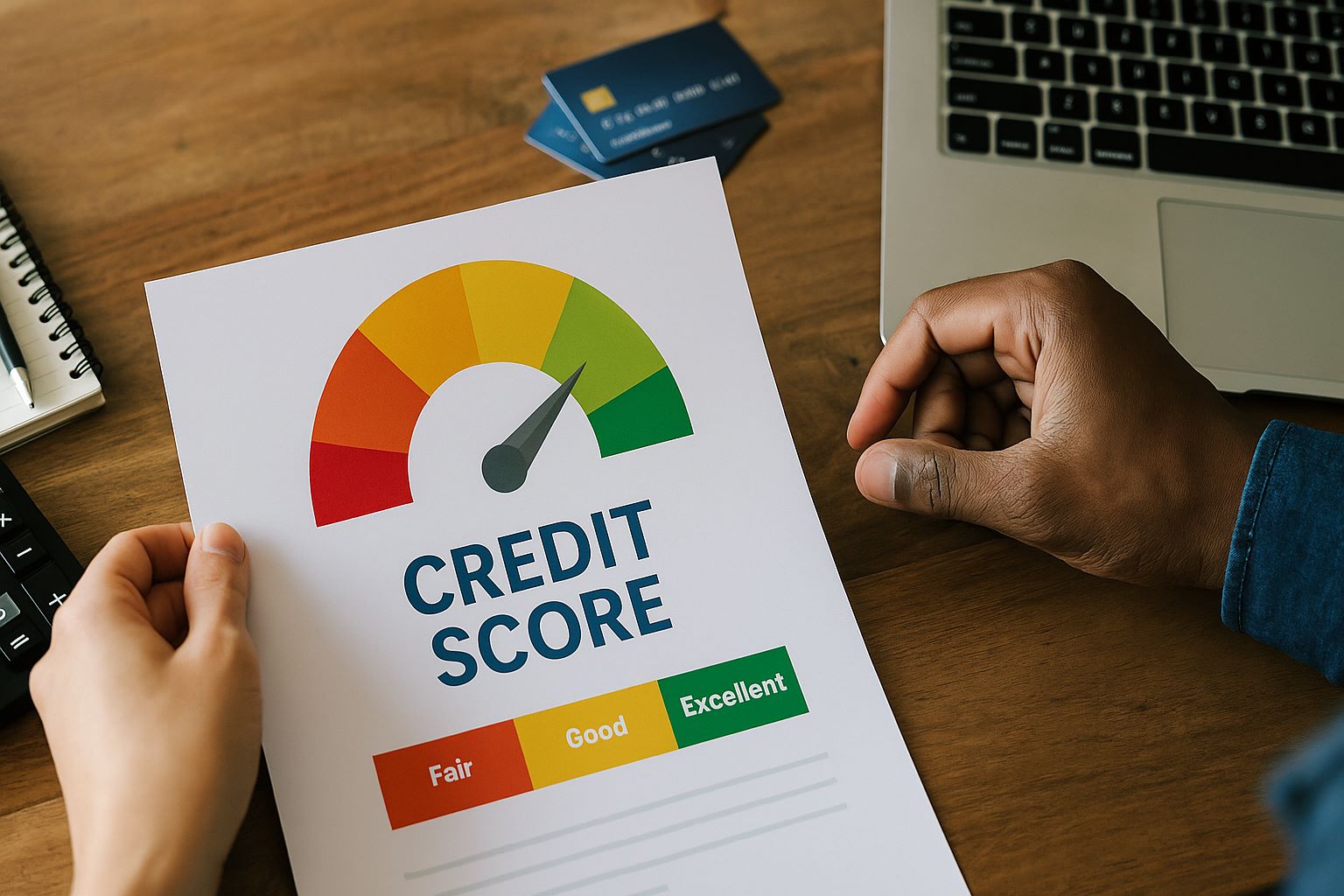
Your credit score determines your ability to borrow money, rent an apartment, buy a car, or even land a job in some cases. Unfortunately, many young adults don’t understand how credit works until it’s too late.
Common Mistakes
- Missing payments.
- Carrying high credit card balances.
- Ignoring student or personal loan obligations.
Smart Credit Habits
- Always pay bills on time.
- Keep your credit utilization below 30%.
- Review your credit report annually for errors.
- Avoid opening too many new accounts at once.
Good credit opens financial doors — bad credit locks them.
5. Delaying Investing
Many people in their 20s and 30s think investing is only for the wealthy or for “later in life.” But the earlier you start, the more your money benefits from compound interest — growth on top of growth.
Why It Matters
Even small investments made early can multiply over time.
For example:
Investing $200 per month from age 25 to 65 at a 7% return can grow to over $500,000.
How to Start
- Open an investment account or use robo-advisors like Wealthfront or Betterment.
- Contribute to retirement plans (401(k), IRA, etc.).
- Invest in diversified index funds or ETFs.
- Focus on long-term growth — not quick wins.
Time is your greatest asset — don’t waste it waiting for the “perfect moment” to invest.
6. Overusing Credit Cards
Credit cards can be useful tools for building credit — but misuse can lead to debt traps. Many young adults treat credit as “extra income,” only to face high-interest debt later.
The Consequences
- High interest rates (often over 20%).
- Damaged credit scores.
- Ongoing financial stress.
Best Practices
- Pay your balance in full each month.
- Use credit cards for convenience, not borrowing.
- Choose cards that offer cashback or rewards without high annual fees.
Remember: credit cards are financial tools, not financial lifelines.
7. Failing to Set Financial Goals
Without clear goals, money management becomes aimless. Many people drift through their 20s and 30s without a roadmap — and end up regretting lost opportunities.
Why Goals Matter
Financial goals help you:
- Stay motivated to save.
- Measure your progress.
- Make smarter spending and investment decisions.
Examples of Smart Financial Goals
- Save for a down payment on a home.
- Build a retirement portfolio.
- Pay off all high-interest debt.
- Achieve a certain net worth by age 35 or 40.
Write down your goals, review them regularly, and adjust as your life evolves.
8. Ignoring Insurance and Risk Protection
Insurance may not seem exciting, but it’s one of the most critical components of financial stability. Many young people skip it to “save money,” not realizing they’re risking everything.
Essential Types of Insurance
- Health insurance: Protects against massive medical bills.
- Life insurance: Supports dependents in case of unexpected events.
- Disability insurance: Replaces income if you can’t work.
- Auto and renters insurance: Covers damages and theft.
Insurance protects not just you — but your family, assets, and financial goals.
9. Relying Only on a Single Source of Income
In today’s uncertain economy, depending solely on your job is risky. Layoffs, recessions, or illness can instantly disrupt your income stream.
Smart Move: Build Multiple Income Streams
- Start a side hustle or freelance service.
- Invest in dividend-paying stocks or real estate.
- Learn digital skills to expand earning potential.
Having multiple income sources not only adds security but accelerates wealth-building.
10. Not Planning for Retirement Early
Retirement may seem far away, but waiting too long to plan for it can cost you hundreds of thousands of dollars in lost compound growth.
Start Now, Even If It’s Small
- Contribute to retirement accounts as soon as possible.
- Take advantage of employer matches if available.
- Increase contributions yearly as your income grows.
The earlier you start, the less you’ll need to save later.
For example, investing $300 a month from age 25 can yield more than double the amount compared to starting at 35 — with the same monthly contribution.
11. Falling for Lifestyle Inflation
As income increases, many people automatically start spending more — bigger homes, newer cars, and expensive gadgets. This is called lifestyle inflation, and it silently eats away your potential wealth.
How to Avoid It
- Keep your living expenses stable even as income rises.
- Redirect extra income toward investments or debt repayment.
- Celebrate success modestly — prioritize financial growth over material growth.
Sustainable wealth is built by controlling expenses, not increasing them.
12. Not Seeking Financial Education
Financial literacy is one of the most valuable skills, yet it’s rarely taught in schools. Many young adults make poor financial choices simply due to a lack of knowledge.
How to Get Educated
- Read personal finance books like Rich Dad Poor Dad or The Millionaire Next Door.
- Follow reputable finance podcasts and YouTube channels.
- Take free online courses on investing and budgeting.
- Speak with certified financial planners when possible.
Knowledge is power — and in personal finance, it’s also profit.
13. Ignoring Taxes and Failing to Plan Ahead
Many young professionals only think about taxes during filing season. But year-round tax planning can help you save significantly.
Smart Tax Moves
- Claim eligible deductions (education, home office, health expenses).
- Invest in tax-deferred retirement plans.
- Keep records of donations and work-related costs.
- Avoid tax penalties by paying estimated taxes on time.
Being proactive about taxes means keeping more of what you earn.
14. Not Networking or Building Professional Relationships
Believe it or not, networking plays a key role in financial success.
Connections can open doors to better job opportunities, partnerships, or side projects that increase income and security.
Build Financial and Professional Relationships
- Attend industry events and online communities.
- Connect with mentors and financially savvy peers.
- Share knowledge and opportunities with others.
Networking isn’t just social — it’s a long-term financial investment.
15. Procrastinating on Financial Decisions
Finally, the worst mistake of all is doing nothing.
Many people delay investing, saving, or starting side hustles — waiting for “the right time.” The truth is, the right time is now.
Take Action Today
- Open that savings account.
- Start your first investment.
- Create a simple budget.
- Begin paying off debt strategically.
Small actions taken today compound into massive financial rewards tomorrow.
Conclusion: Build a Strong Financial Foundation Early
Your 20s and 30s are your financial launchpad. This is the time to make smart money decisions, avoid common mistakes, and set habits that will last a lifetime.
By budgeting wisely, managing debt responsibly, saving consistently, and investing early, you’ll position yourself for financial freedom, not financial stress.
Remember — wealth isn’t built overnight, but over time. Every smart choice you make today brings you one step closer to the life you want tomorrow.