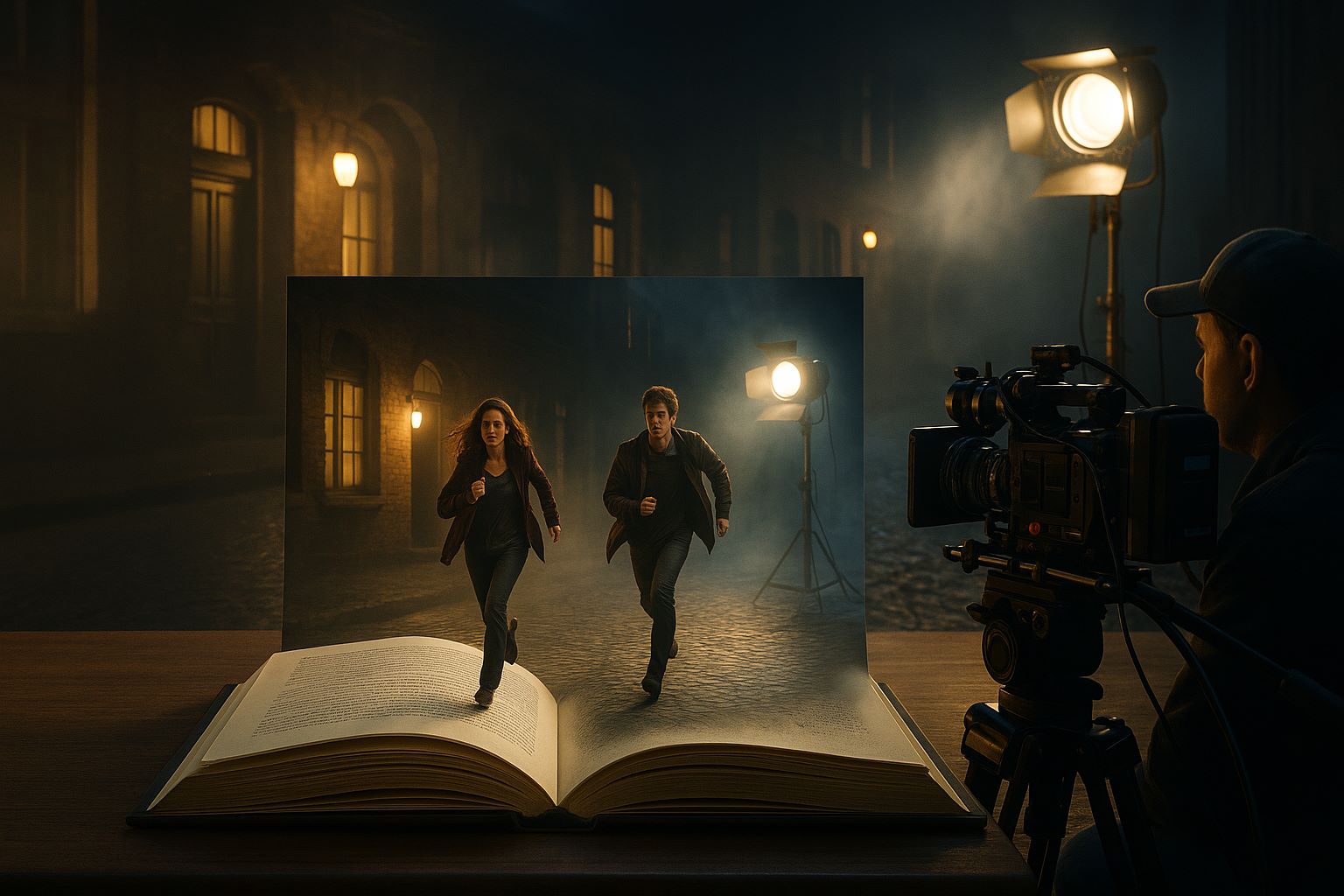
Books have long been a source of imagination, emotion, and storytelling — but when they make the leap from page to screen, they enter a new dimension of global influence. Some of the most successful films ever made — from Harry Potter and The Lord of the Rings to The Hunger Games and The Fault in Our Stars — began as written stories that captured readers’ hearts before lighting up the big screen.
Thank you for reading this post, don't forget to subscribe!But how exactly does a novel transform into a cinematic experience that captivates millions? The process of adaptation is both an art and a science, involving careful interpretation, creative vision, and an understanding of what makes a story resonate in a completely different medium.
In this article, we’ll dive deep into the fascinating world of book-to-movie adaptations — exploring how stories evolve, what challenges filmmakers face, and why these adaptations continue to dominate Hollywood.
1. The Timeless Appeal of Book Adaptations
A Perfect Source of Inspiration
Books are natural blueprints for films. They already have developed characters, strong plots, and immersive worlds — everything filmmakers need to build compelling cinema. Hollywood has relied on literature for decades because successful novels come with built-in audiences who are eager to see their favorite stories come to life.
Why Audiences Love Adaptations
Viewers are drawn to adaptations for two main reasons:
- Familiarity – Fans love seeing beloved characters and moments visualized on screen.
- Curiosity – There’s excitement in discovering how a director interprets the same story differently.
This combination of nostalgia and novelty makes adaptations both emotionally engaging and commercially powerful.
Proven Box Office Success
Adaptations are not only artistically rewarding but also financially smart. Some of the highest-grossing films in history — like Harry Potter, The Lord of the Rings, Jurassic Park, and Twilight — originated as books. Studios recognize that bestselling novels reduce risk, providing a pre-tested storyline with a passionate fanbase.
2. The Journey from Page to Screen
Step 1: Acquiring the Rights
The first step is optioning the book — purchasing the rights to adapt it into a film. This can cost anywhere from a few thousand to several million dollars depending on the book’s popularity. Once a studio secures the rights, the project can move forward to script development.
Step 2: Writing the Screenplay
Transforming a 400-page novel into a two-hour movie is a massive challenge. Screenwriters must condense, restructure, and reinterpret the material without losing its essence.
This often means:
- Cutting side plots and minor characters.
- Combining multiple scenes or characters for pacing.
- Rewriting internal monologues into dialogue or visuals.
The goal is to make the story cinematic while staying emotionally faithful to the source.
Step 3: Casting and Vision
Casting is crucial in bringing literary characters to life. A perfect actor can elevate a film (like Daniel Radcliffe as Harry Potter), while poor casting can alienate fans.
Directors also play a key role in shaping tone and style — deciding whether the film should stay true to the book’s setting or take creative liberties (as seen in The Great Gatsby’s modernized adaptation).
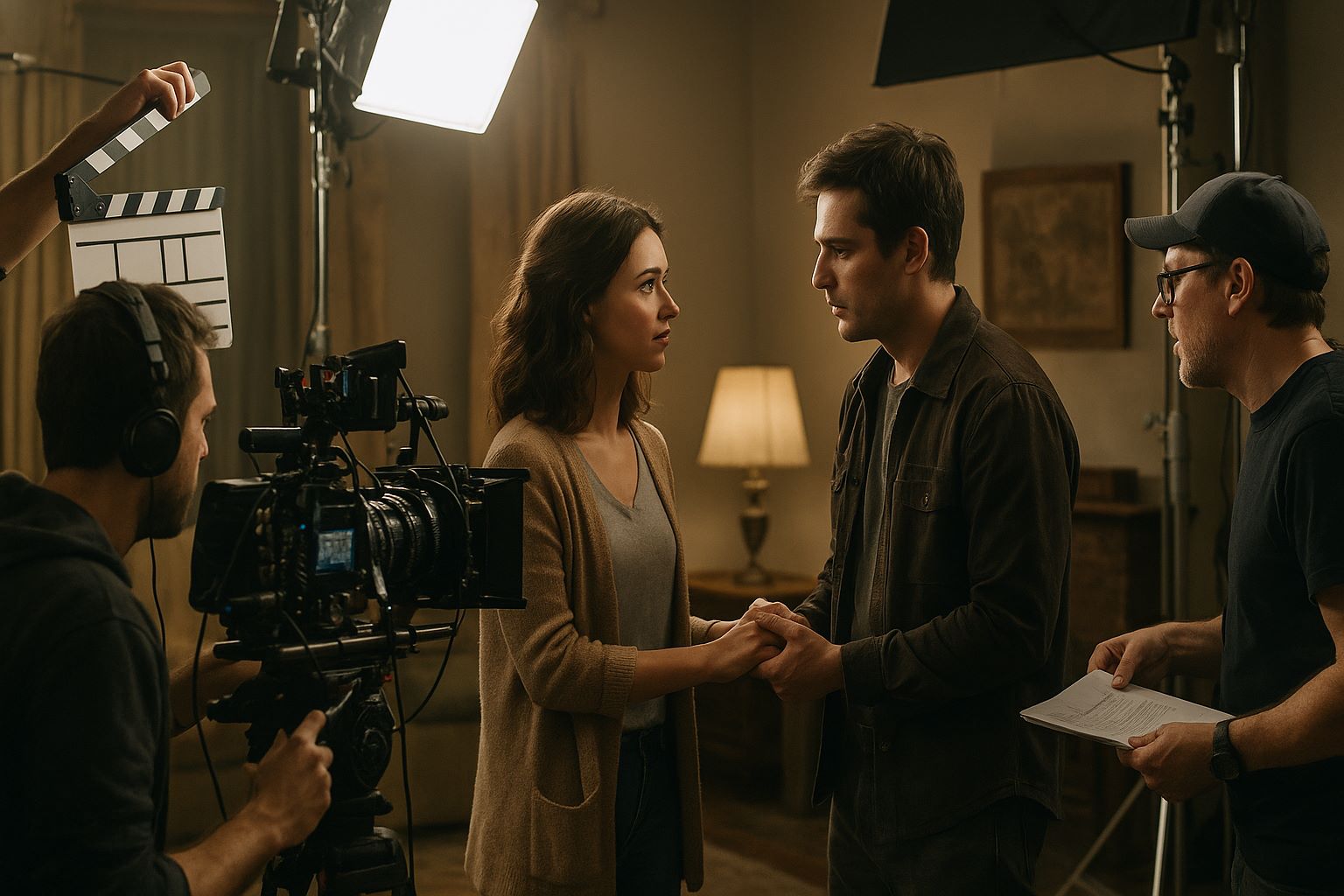
Step 4: Filming and Production
Once pre-production is complete, filming begins. Many adaptations require elaborate sets, CGI, and costume design to recreate the world described in the novel. For fantasy or sci-fi stories, this stage becomes a massive visual challenge, blending art direction, visual effects, and storytelling.
Step 5: Editing and Release
After months (or years) of production, editors refine the story to balance pacing and emotion. Then comes marketing — often targeting both book fans and general audiences. Tie-in campaigns, trailers, and limited previews build anticipation before the official release.
3. Balancing Faithfulness and Creativity
The Art of Staying True
The most successful adaptations capture the spirit of the book, not necessarily every word. Fans often demand loyalty to the source material, but literal translations rarely make the best films.
Movies must focus on visual storytelling — showing rather than telling. A filmmaker’s job is to preserve the emotional core, even if some details change.
Creative Liberties That Worked
- The Lord of the Rings omitted Tom Bombadil but stayed emotionally faithful, resulting in a cinematic masterpiece.
- The Hunger Games expanded on minor details to enhance world-building.
- The Shining, though different from Stephen King’s novel, became a horror classic in its own right.
When done well, creative freedom can elevate a story rather than dilute it.
When Changes Go Too Far
Not all adaptations succeed. Some, like Eragon or Percy Jackson & The Olympians (2010), were criticized for straying too far from their books, alienating fans and losing emotional depth. The key lies in balance — respecting the book while adapting it smartly for screen dynamics.
4. Why Some Books Are Harder to Adapt
Internal Narration
Books often rely on a character’s thoughts, emotions, and internal conflicts — elements difficult to portray visually. For example, in The Catcher in the Rye, Holden Caulfield’s inner monologue drives the story, making a film version nearly impossible to capture authentically.
Complex World-Building
Fantasy and sci-fi novels like Dune or The Wheel of Time require vast universes, languages, and histories. Translating that scale demands massive budgets and advanced effects — which is why some adaptations take decades to develop.
Nonlinear or Abstract Storytelling
Books that play with time, memory, or perspective — like Cloud Atlas or Life of Pi — require exceptional creativity to succeed visually. Their success depends on innovative direction, cinematography, and editing.
5. The Role of Authors in Adaptation
Collaborative or Detached?
Some authors actively participate in the filmmaking process (like J.K. Rowling with Fantastic Beasts), ensuring their vision stays intact. Others prefer to stay uninvolved, trusting filmmakers to interpret their work freely.
When Authors and Filmmakers Disagree
Creative tension is common. Stephen King famously disliked Stanley Kubrick’s version of The Shining, claiming it missed the book’s emotional heart — yet the film became a cult classic.
These clashes highlight a truth: once a story leaves the page, it belongs to two worlds — literature and cinema.
6. Book-to-Screen Success Stories
The Lord of the Rings Trilogy
Peter Jackson’s adaptation of J.R.R. Tolkien’s epic remains a gold standard. Combining loyalty to the source with cinematic innovation, it won 17 Academy Awards and redefined fantasy filmmaking.
Harry Potter Series
Over eight films, the Harry Potter franchise became a global cultural phenomenon. It not only brought magic to life but also grew alongside its audience — a rare feat in adaptation history.
The Hunger Games
Suzanne Collins’s dystopian saga translated perfectly to screen, thanks to strong direction and Jennifer Lawrence’s performance. It captured the essence of rebellion, power, and human emotion.
Pride and Prejudice (2005)
This adaptation modernized a classic without losing its timeless charm. Keira Knightley’s portrayal and the film’s lush visuals made it a critical and commercial success.
The Fault in Our Stars
By staying emotionally true to John Green’s novel, this film proved that intimacy and sincerity can outperform spectacle.
7. Why Adaptations Matter to the Film Industry
Safe Investments, Big Rewards
In an era of streaming wars and uncertain box office returns, adaptations provide financial stability. Studios know that literary fans guarantee initial interest, reducing marketing risks.
Cultural Legacy
Adaptations preserve great stories for new generations. Many viewers discover classic literature only after seeing its film version — proving that movies can reignite interest in reading.
Expanding Story Worlds
Franchises like Harry Potter and Game of Thrones spawned spin-offs, theme parks, and merchandise empires — transforming simple stories into global ecosystems of entertainment.
8. The Streaming Revolution and Adaptation Boom
Netflix, Amazon, and Beyond
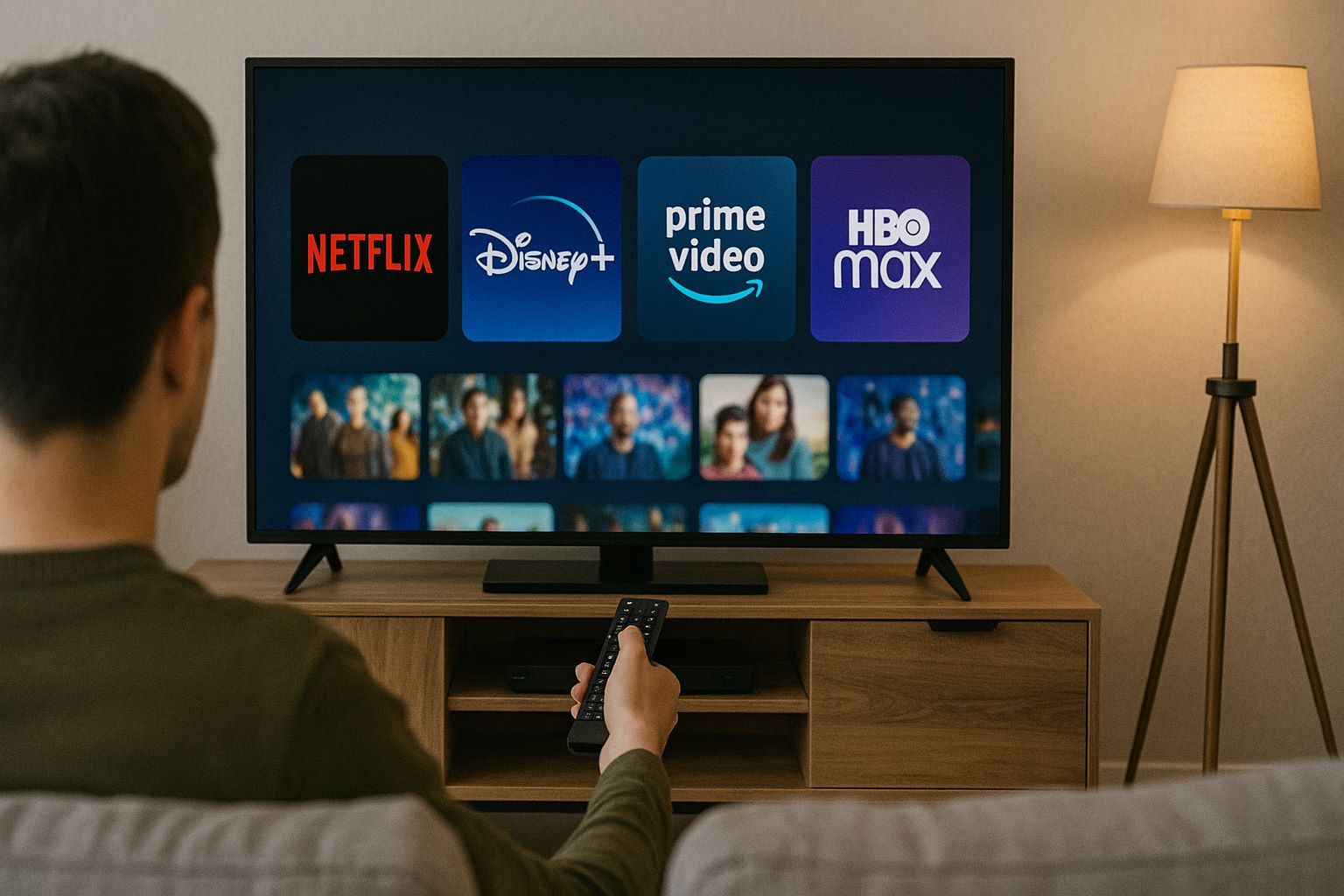
Streaming platforms have triggered a new golden age of adaptations. With their global reach and creative freedom, they’re reviving novels that Hollywood once ignored.
Recent examples include:
- The Witcher (Netflix)
- The Wheel of Time (Amazon Prime Video)
- Bridgerton (Shondaland on Netflix)
- All the Light We Cannot See (Netflix adaptation of Anthony Doerr’s novel)
These series offer the depth and length traditional movies couldn’t, allowing more faithful storytelling.
Serialized Storytelling
Long-form streaming formats give complex novels space to breathe. Multi-season series can explore subplots and character development that films must often cut for time. This trend ensures book lovers finally get the depth they crave on screen.
9. Challenges and Criticisms of Adaptations
Fan Expectations
Readers often hold adaptations to impossible standards. Every cut or casting choice invites debate, making it difficult for filmmakers to please everyone.
Creative Limitations
Budget constraints, time limits, and studio interference can dilute even the best intentions. Many films fail not because of poor writing, but because the medium’s demands differ from those of literature.
The “Hollywood Formula”
Some studios prioritize marketability over depth, simplifying complex narratives into action-driven blockbusters. This can strip a story of its literary richness.
10. The Future of Book Adaptations
AI and Virtual Production
Advances in technology are making even the most ambitious worlds possible. AI tools help visualize settings, while virtual sets (like those used in The Mandalorian) reduce costs without compromising quality.
Diversity and Inclusion
Modern adaptations are embracing diverse casting and storytelling, introducing global audiences to fresh voices and perspectives that were once underrepresented.
Interactive Storytelling
With streaming platforms experimenting in interactive content (like Black Mirror: Bandersnatch), the future may allow viewers to choose how stories unfold — blending literature, gaming, and cinema.
Conclusion: A Story’s Second Life
When a book becomes a movie, it’s more than an adaptation — it’s a rebirth. The words that once lived in a reader’s imagination now gain color, sound, and motion, reaching new audiences and generations.
From the quiet pages of a novel to the thunderous applause of a movie premiere, the journey from page to screen celebrates the power of storytelling itself. Whether faithful or reimagined, each adaptation reminds us that great stories never die — they simply evolve.