Technology is evolving faster than ever, and one of the most revolutionary developments reshaping our daily lives is the Internet of Things (IoT). From smart homes and connected cars to wearable devices and intelligent factories, IoT is silently transforming how we interact with the world.
Thank you for reading this post, don't forget to subscribe!In simple terms, IoT connects physical devices — from appliances to industrial machines — to the internet, enabling them to collect, share, and act on data. This connectivity is not just making life more convenient; it’s making it smarter, more efficient, and data-driven.
In this article, we’ll explore what IoT is, how it works, the ways it’s changing our lifestyles, its benefits, challenges, and what the future of connected living looks like.
1. What Is the Internet of Things (IoT)?
The Internet of Things (IoT) refers to a network of interconnected devices that communicate and exchange data through the internet. These devices can range from everyday household items — like smart TVs and thermostats — to industrial machines and healthcare sensors.
Each IoT device is equipped with sensors, software, and connectivity that allow it to collect and transmit information. For example:
- A smartwatch tracks your heartbeat and syncs data with your phone.
- A smart thermostat learns your temperature preferences and adjusts automatically.
- A connected car provides real-time navigation and maintenance alerts.
In essence, IoT brings together the physical and digital worlds, allowing devices to “think,” “learn,” and “communicate.”
2. How IoT Works: The Technology Behind It
IoT operates on a simple yet powerful structure involving four key components:
a. Devices and Sensors
These are the physical objects that gather data. Sensors measure parameters such as temperature, humidity, motion, light, or speed.
b. Connectivity
Once data is collected, it needs to be transmitted. IoT devices use technologies like Wi-Fi, Bluetooth, Zigbee, 5G, or LoRaWAN to communicate with other systems or the cloud.
c. Data Processing
After reaching the cloud or a central server, the data is processed using algorithms, often involving Artificial Intelligence (AI) or Machine Learning (ML).
d. User Interface
Finally, the processed data is presented to users through apps or dashboards — allowing people to monitor, control, and make decisions.
For example, your smart refrigerator can send a notification to your phone reminding you to buy milk — all thanks to IoT’s interconnected ecosystem.
3. Everyday Examples of IoT in Action
IoT is not a distant concept — it’s already part of our everyday lives. Here are some areas where IoT has made a massive impact:
a. Smart Homes
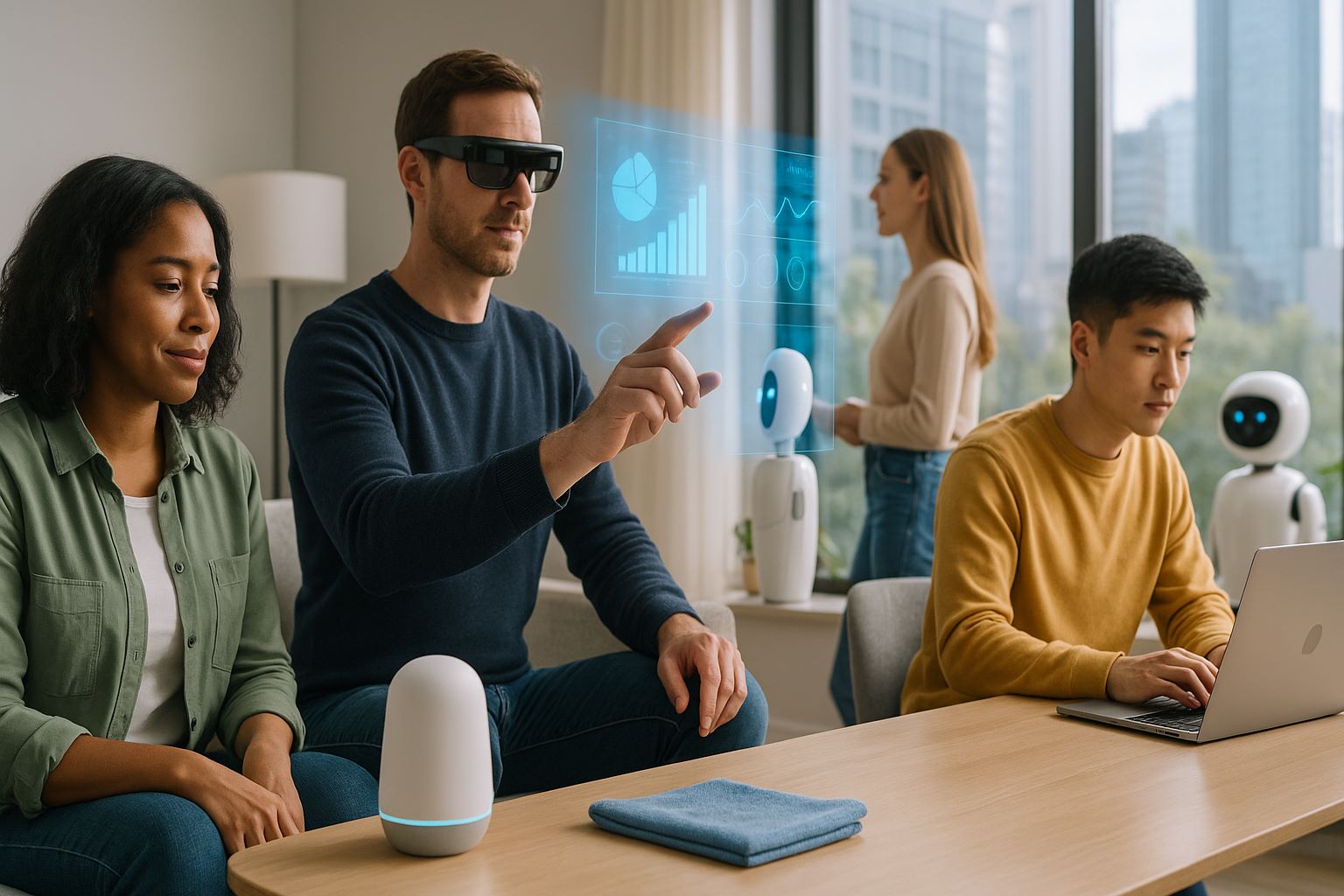
Smart home technology is one of the most visible examples of IoT in action.
Devices like Amazon Echo, Google Nest, and Ring Doorbells allow homeowners to control lighting, security cameras, thermostats, and appliances through voice commands or mobile apps.
Benefits include:
- Convenience: Adjust room temperature or lighting remotely.
- Energy Efficiency: Smart thermostats learn your behavior and save power.
- Security: Smart locks and surveillance cameras enhance safety.
With IoT, homes are not just connected — they’re intelligent, adapting to the habits and preferences of their owners.
b. Wearable Technology
Wearables like smartwatches, fitness bands, and health trackers are redefining personal wellness.
Devices such as Apple Watch or Fitbit monitor vital signs, sleep patterns, and physical activity — empowering users to take control of their health.
Healthcare professionals can even use IoT data to detect anomalies or track recovery progress remotely.
c. Connected Cars
Modern vehicles are equipped with IoT technology that improves safety and convenience.
Features include real-time navigation, vehicle diagnostics, automatic parking, and even self-driving capabilities.
Connected cars can also communicate with other vehicles and infrastructure (a concept known as V2X – Vehicle to Everything) to prevent accidents and optimize traffic flow.
d. Smart Cities
Cities around the world are integrating IoT systems to improve efficiency and sustainability.
Examples include:
- Smart traffic lights that adapt to real-time congestion.
- Waste bins that signal when they’re full.
- Sensors monitoring air quality, water levels, and electricity usage.
Smart cities aim to reduce waste, lower emissions, and make urban living more sustainable.
e. Healthcare and Medical Devices
IoT is transforming healthcare into connected healthcare.
Smart devices like insulin pumps, pacemakers, and remote patient monitoring systems transmit real-time data to doctors.
This ensures faster diagnosis, continuous care, and better patient outcomes — even from miles away.
f. Industrial IoT (IIoT)
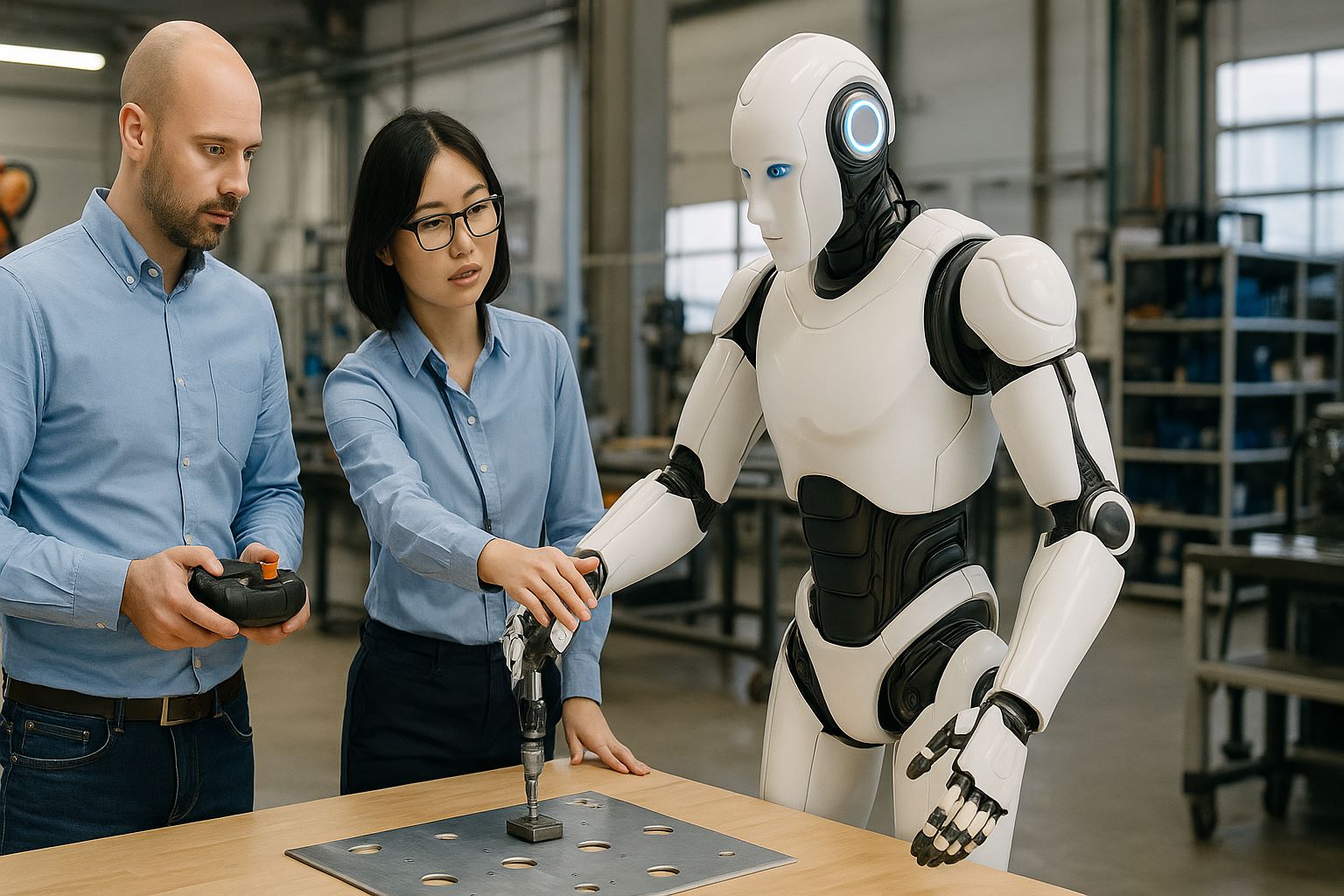
In manufacturing and logistics, IoT powers smart factories. Machines equipped with sensors can predict maintenance needs, monitor performance, and optimize production lines.
This data-driven approach minimizes downtime and boosts productivity — a key principle of Industry 4.0.
4. The Benefits of IoT: Why It’s Changing Everything
IoT offers a host of advantages that make it one of the most transformative technologies of the modern era.
a. Efficiency and Automation
IoT automates routine processes, saving time and effort. For instance, irrigation systems that adjust automatically based on weather data save both water and energy.
b. Cost Savings
By reducing waste, predicting failures, and optimizing operations, IoT helps businesses and consumers lower costs in the long term.
c. Real-Time Monitoring
Whether it’s tracking delivery trucks or monitoring patient vitals, IoT provides real-time insights that improve decision-making and responsiveness.
d. Enhanced User Experience
IoT enables hyper-personalization — your devices learn your habits and preferences, providing a smoother and more intuitive experience.
e. Sustainability
IoT plays a vital role in energy conservation, smart farming, and environmental monitoring, contributing to a more sustainable planet.
5. The Challenges and Risks of IoT
Despite its benefits, IoT also comes with challenges that need to be addressed for safe and efficient use.
a. Security Vulnerabilities
Every connected device is a potential target for hackers. Weak passwords, outdated firmware, and unsecured networks can expose sensitive data.
b. Privacy Concerns
IoT devices constantly collect personal information — from location data to daily routines. Without proper safeguards, this data could be misused.
c. Data Overload
The enormous volume of data generated by IoT devices can overwhelm networks and systems if not managed efficiently.
d. Compatibility Issues
With so many manufacturers and devices, ensuring compatibility and standardization remains a challenge.
e. High Implementation Costs
Setting up IoT infrastructure, especially for industries and cities, requires significant investment in hardware, software, and data management.
6. The Role of 5G and AI in Expanding IoT
The full potential of IoT is being unlocked by two major technologies — 5G and Artificial Intelligence (AI).
a. 5G Connectivity
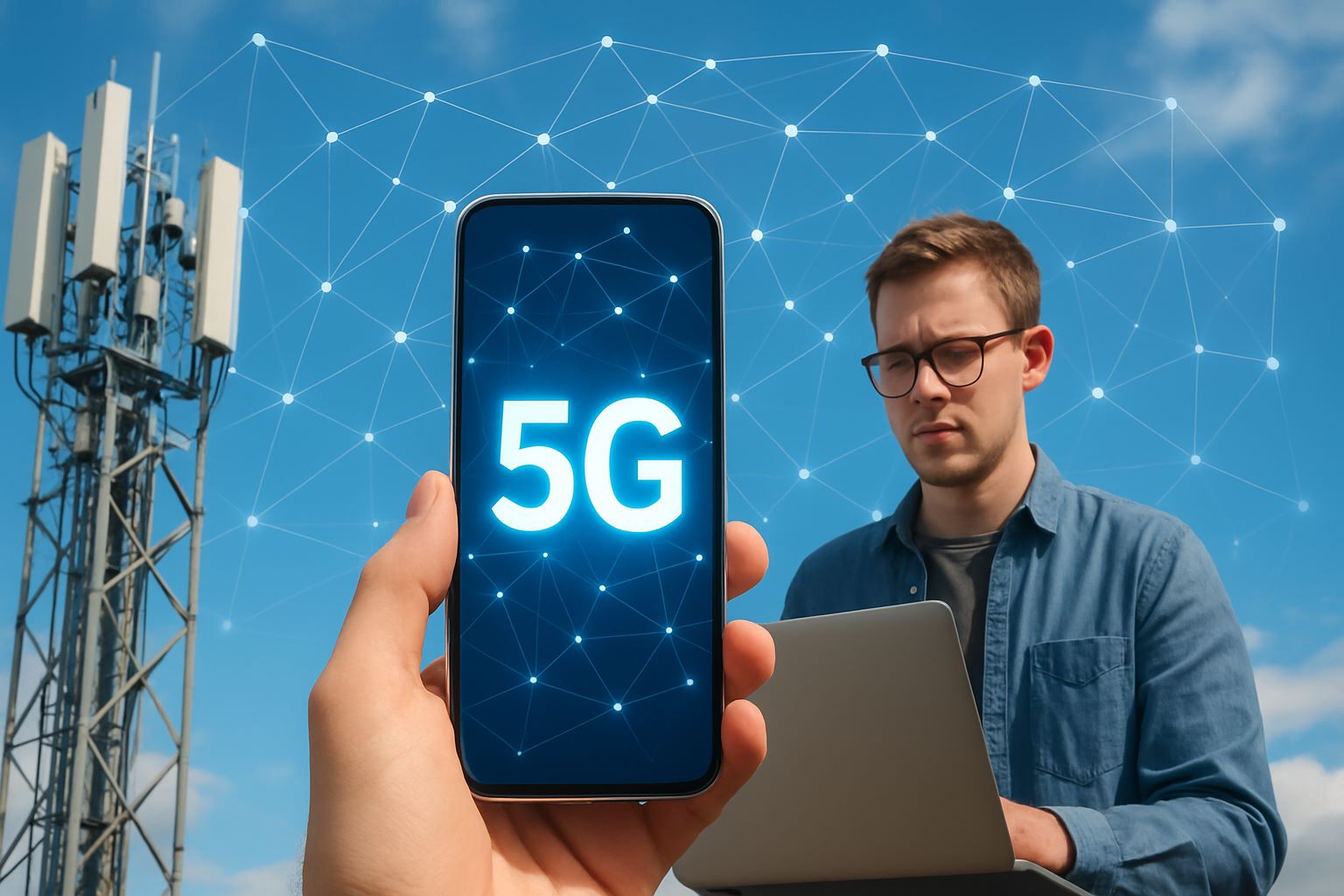
5G offers the ultra-fast speeds and low latency required for real-time IoT communication.
This allows for instant data transfer, remote surgeries, autonomous driving, and massive IoT networks connecting millions of devices seamlessly.
b. Artificial Intelligence (AI) Integration
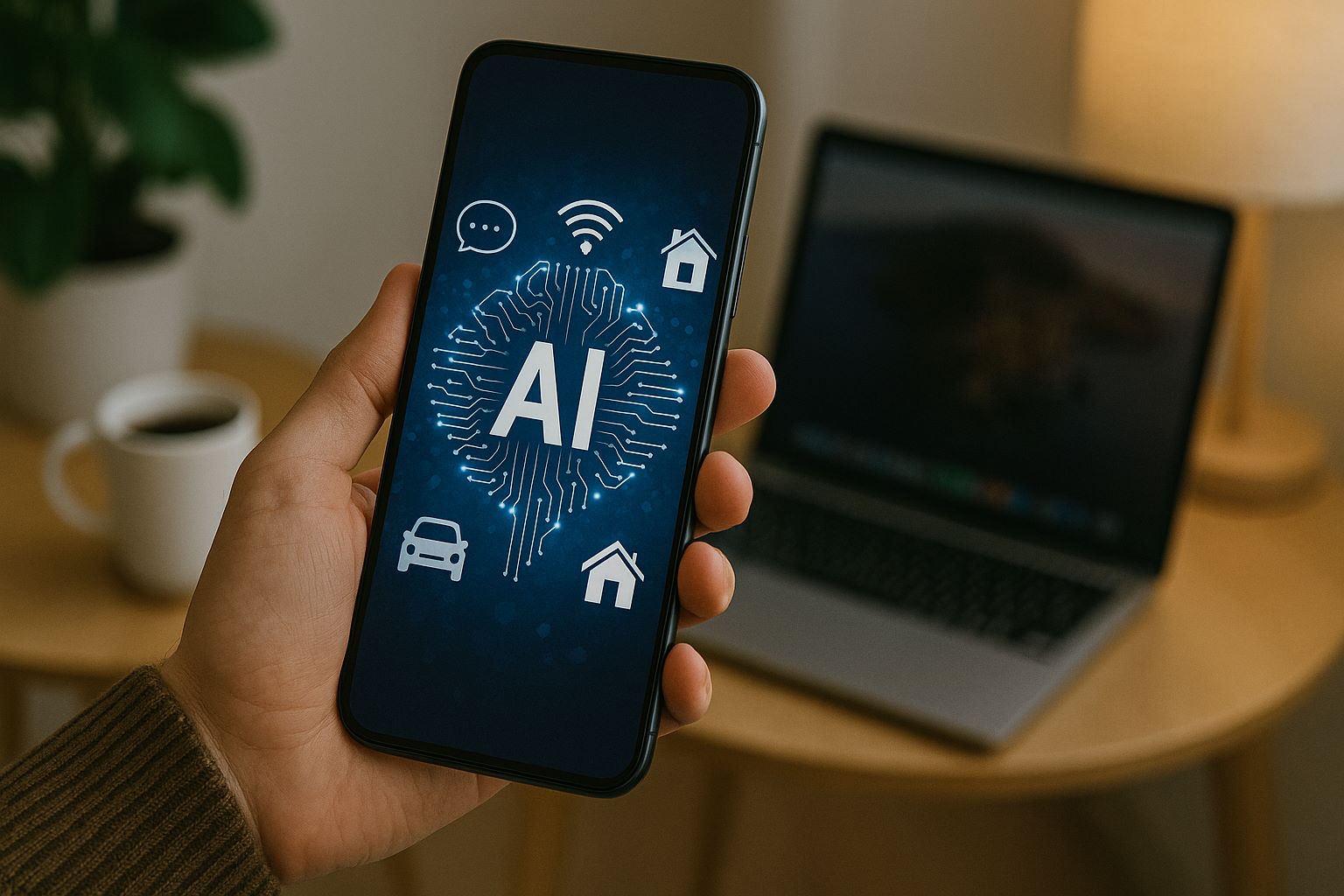
AI helps IoT devices learn from data and make intelligent decisions.
For example:
- Smart homes that adjust automatically to your preferences.
- Predictive maintenance systems that detect equipment faults before failure.
- Healthcare wearables that detect irregular heartbeats and alert doctors instantly.
AI and IoT together form the foundation of smart automation — where machines not only connect but also think.
7. The Future of IoT: What Lies Ahead
The IoT revolution is just beginning. Analysts predict that by 2030, over 125 billion IoT devices will be connected worldwide.
Here’s what the future might look like:
- Fully autonomous homes with self-managing systems.
- Connected agriculture optimizing food production.
- Smart grids balancing renewable energy usage.
- Blockchain-based IoT ensuring secure data exchange.
- Edge computing bringing data processing closer to devices, reducing delays.
IoT will continue to blur the line between the digital and physical worlds — making everyday living smarter and more efficient than ever.
8. How to Stay Safe in an IoT-Driven World
As we embrace IoT, protecting our data and privacy is vital. Here are a few key safety measures:
- Change default passwords and enable two-factor authentication.
- Keep devices and firmware updated.
- Use secure Wi-Fi networks and avoid public connections for IoT devices.
- Limit the data your devices collect by adjusting privacy settings.
- Regularly review and remove unused or outdated connected devices.
9. Conclusion
The Internet of Things is not just a technological trend — it’s a lifestyle revolution. It’s turning homes into smart ecosystems, cities into digital hubs, and industries into intelligent networks.
While IoT brings incredible convenience, efficiency, and innovation, it also demands responsibility. As we connect more devices and systems, we must ensure that privacy, security, and ethics remain at the heart of technological progress.
The future belongs to the connected world — where smart devices, powered by data and intelligence, will continue to change how we live, work, and interact.