Owning a pet is one of life’s greatest joys. Whether it’s a loyal dog, a playful cat, or a chirping bird, pets quickly become family members who bring love, laughter, and companionship into our homes. But being a responsible pet owner goes far beyond cuddles and playtime — it’s about ensuring your pet stays healthy, safe, and happy throughout their life.
Thank you for reading this post, don't forget to subscribe!In this guide, we’ll explore essential pet care tips that every owner should know. From nutrition and exercise to grooming and emotional well-being, here’s how you can give your furry (or feathered) friend the best life possible.
1. Provide Proper Nutrition
Just like humans, pets need the right balance of nutrients to thrive. A healthy diet helps maintain energy, boosts immunity, and prevents diseases.
Choose Quality Food
Opt for high-quality pet food made specifically for your animal’s age, breed, and size. Check labels for natural ingredients and avoid products with artificial preservatives or fillers.
- Dogs and cats: Look for foods high in protein and essential fatty acids.
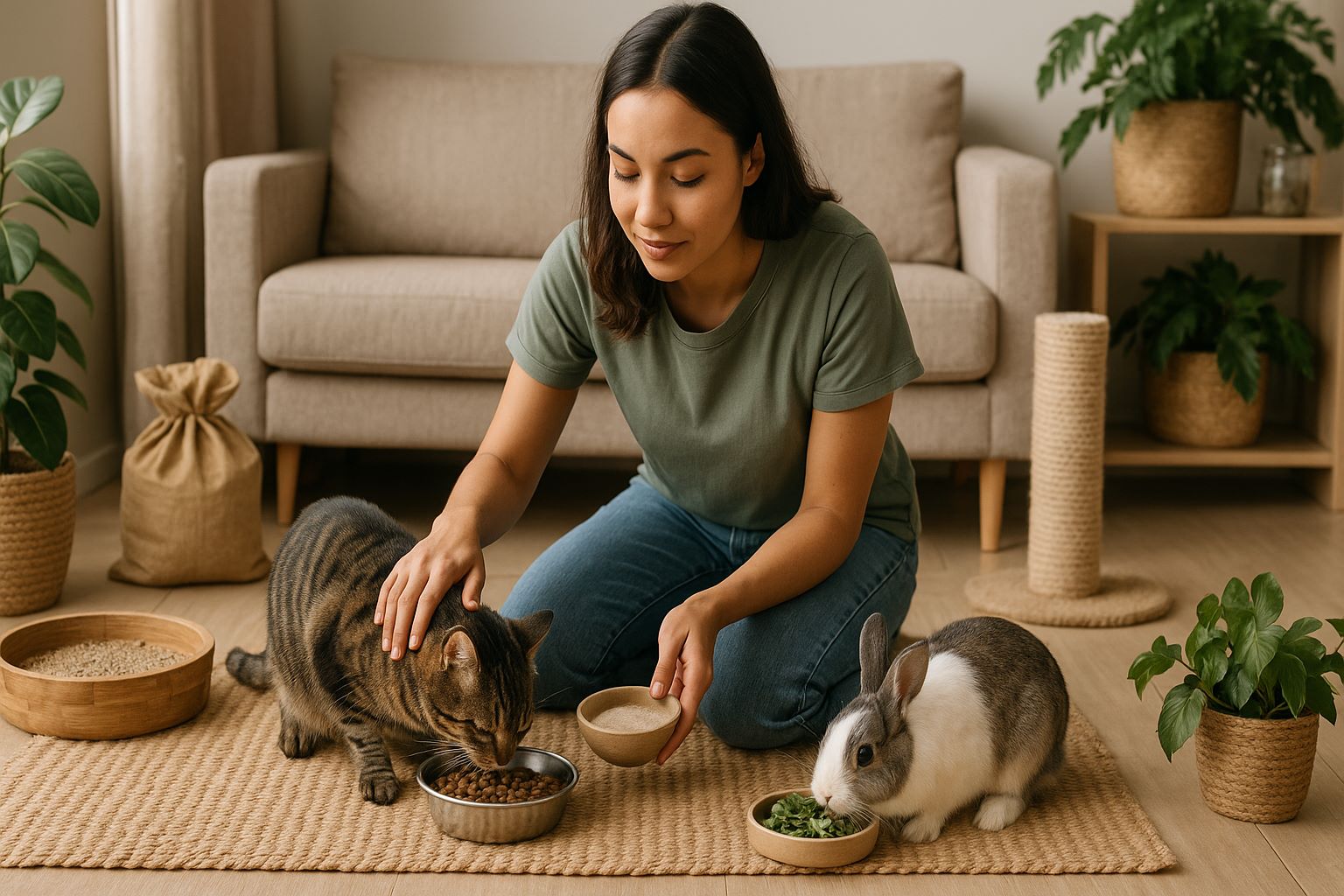
- Small pets (like rabbits or hamsters): Provide a mix of pellets, hay, and fresh vegetables.
- Birds: Offer seeds, pellets, and occasional fruits.
Avoid Overfeeding
Obesity is a growing issue among pets and can lead to diabetes, joint problems, and heart disease. Always follow feeding guidelines on the packaging and consult your vet about portion sizes.
Hydration Is Key
Keep fresh water available at all times. Clean the bowl daily to prevent bacterial growth. Hydration supports digestion, skin health, and body temperature regulation.
2. Schedule Regular Vet Visits
Routine checkups are crucial for early detection of potential health problems.
- Annual or biannual checkups help monitor weight, dental health, and overall wellness.
- Keep vaccinations up to date to prevent infectious diseases.
- Don’t skip parasite prevention — fleas, ticks, and worms can cause serious health issues.
If your pet shows signs of illness — such as lethargy, loss of appetite, vomiting, or unusual behavior — contact your veterinarian immediately.
3. Exercise Regularly
Physical activity is essential for your pet’s physical and mental health. Exercise prevents obesity, strengthens muscles, and reduces behavioral problems.
For Dogs
Dogs need daily walks and playtime. The amount depends on the breed and age — active breeds like Border Collies or Labradors need more exercise than smaller or older dogs.
Try fun activities like:
- Fetch or frisbee
- Hiking or swimming
- Obedience and agility training
For Cats
Cats love to play too! Encourage movement with toys like feather wands, laser pointers, or climbing trees. Even indoor cats need stimulation to stay fit.
For Small Pets
Rabbits, guinea pigs, and hamsters benefit from space to roam. Provide safe play areas or exercise wheels to keep them active.
4. Grooming and Hygiene
Keeping your pet clean isn’t just about appearances — it’s vital for their health.
Brushing
Regular brushing removes dirt, prevents matting, and reduces shedding. It also helps distribute natural oils, giving your pet a healthy coat.
- Dogs: Brush weekly (daily for long-haired breeds).
- Cats: Regular brushing prevents hairballs.
- Small animals: Gentle brushing keeps fur tangle-free.
Bathing
Most pets don’t need frequent baths. Overbathing can strip away essential oils. Use pet-safe shampoos and make sure they’re completely dry afterward.
Dental Care
Dental hygiene is often overlooked but critical. Brush your pet’s teeth regularly with a vet-approved toothpaste. Dental chews can also help reduce plaque.
Nail and Ear Care
Trim nails before they get too long to prevent pain or injuries. Clean ears gently with vet-recommended solutions to avoid infections.
5. Create a Safe and Comfortable Environment
Your pet’s surroundings should be secure, comfortable, and stimulating.
Pet-Proof Your Home
Remove toxic plants, chemicals, and small items they might swallow. Keep wires and cords out of reach.
Provide a Cozy Space
Give them a clean bed or crate in a quiet area where they can relax. Cats enjoy soft bedding and high perches, while dogs love a comfy, familiar space.
Temperature Control
Avoid exposing pets to extreme heat or cold. Never leave pets alone in cars — even for a few minutes — as temperatures can become deadly fast.
6. Mental and Emotional Health
Pets need love and attention just as much as physical care. A happy pet is one that feels secure, loved, and mentally stimulated.
Spend Quality Time
Play, talk, and bond with your pet daily. It builds trust and strengthens your relationship.
Provide Mental Stimulation
Use puzzle toys, training games, or treat-dispensing devices to keep their minds active.
Avoid Loneliness
Pets, especially dogs, are social creatures. If you’re away often, consider a pet sitter or doggy daycare to keep them company.
7. Training and Socialization
Training is not just about obedience — it’s about communication and safety.
Start Early
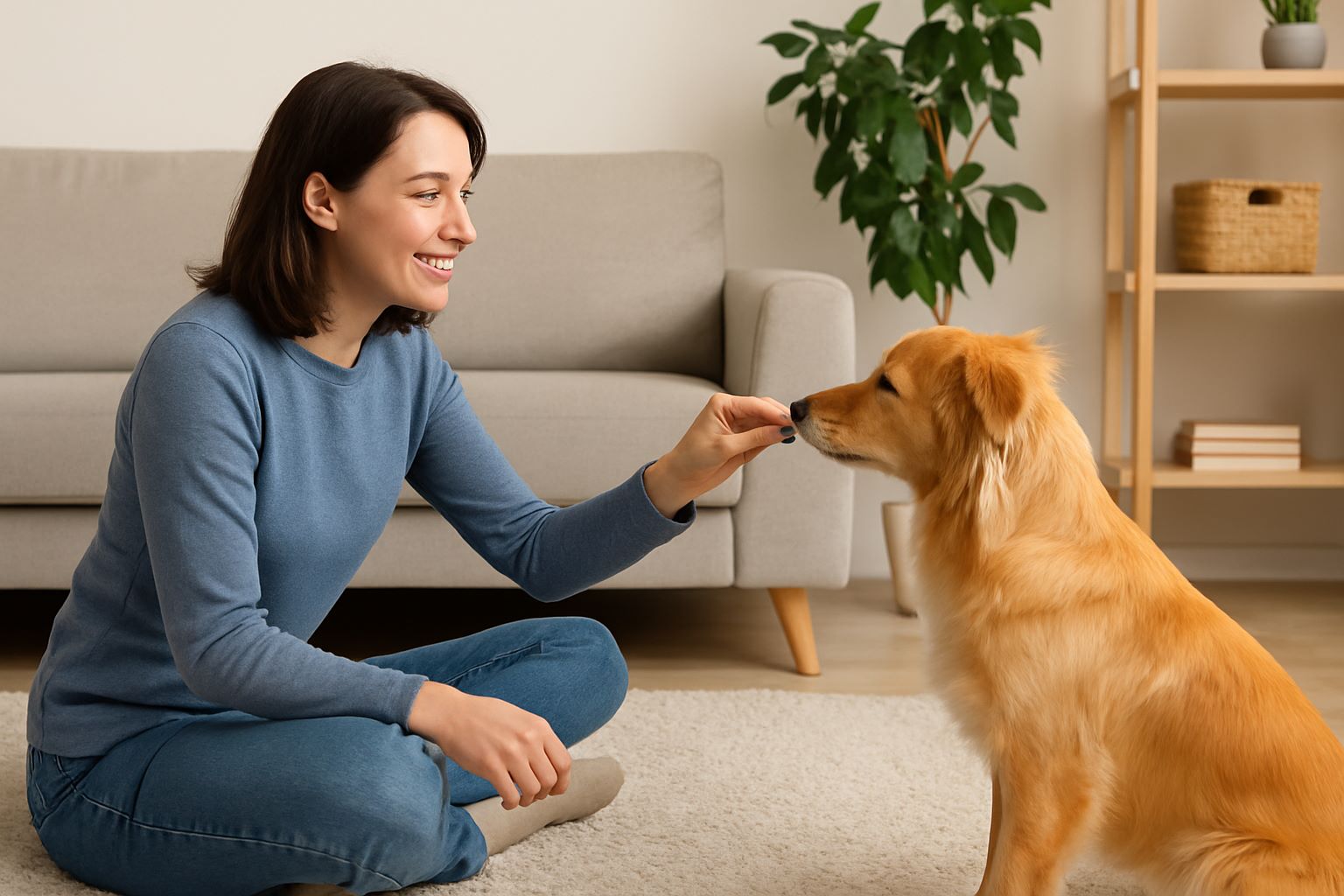
Begin training and socialization as soon as possible. Use positive reinforcement techniques like treats and praise instead of punishment.
Teach Basic Commands
Commands like sit, stay, come, and leave it are essential for your pet’s safety.
Socialization
Expose your pet to different people, animals, and environments early on. It helps them grow into confident, well-adjusted companions.
8. Pet Identification and Safety
Accidents happen — pets can slip out of the house or yard unexpectedly.
- Always use a collar with ID tags that include your phone number.
- Consider microchipping — it’s a permanent way to identify your pet if they get lost.
- Keep recent photos of your pet to share in case of emergencies.
9. Spaying and Neutering
Spaying (for females) and neutering (for males) are responsible choices that prevent unwanted litters and improve health.
Benefits include:
- Reduced risk of certain cancers
- Decreased aggression and roaming behavior
- Longer, healthier life expectancy
Consult your veterinarian about the best age and timing for the procedure.
10. Show Unconditional Love
Lastly — and most importantly — give your pet love and attention every single day. They rely on you for their happiness and well-being. Celebrate their little quirks, reward good behavior, and provide the affection they crave.
The bond between a human and a pet is truly special — built on trust, care, and companionship. When you commit to proper care, your pet rewards you with loyalty, love, and countless joyful memories.
Conclusion
Being a pet owner is both a privilege and a responsibility. By focusing on proper nutrition, regular vet care, grooming, training, and emotional well-being, you ensure your pet lives a long, healthy, and fulfilling life.
Remember: pets give us unconditional love — it’s our duty to return it through responsible care, patience, and kindness. Whether it’s a wagging tail, a happy purr, or a cheerful chirp, their happiness is the greatest reward for every pet parent.