Having a pet is one of the most rewarding experiences in life. They bring joy, love, companionship, and even teach children valuable lessons about responsibility and empathy. However, choosing the right family pet isn’t as simple as picking the cutest animal at the shelter or pet store — it’s about finding a pet that fits your lifestyle, home environment, and personality.
Thank you for reading this post, don't forget to subscribe!In this comprehensive guide, we’ll explore the best family pets, factors to consider before adoption, and how to make the right choice for a happy and harmonious household.
1. Why Choosing the Right Pet Matters
Every animal has different needs, personalities, and care requirements. Some pets love constant attention and play, while others prefer quiet companionship. Choosing the wrong pet for your lifestyle can lead to frustration — for both you and your animal.
A well-matched pet, on the other hand, leads to a loving, lifelong bond. Before you adopt or buy, it’s important to assess your time, energy, home size, and family dynamics.
2. Factors to Consider Before Getting a Pet
Here are the most important things to think about before deciding which pet is right for your family:
a. Time Commitment
Every pet needs time for feeding, grooming, training, and play.
- Dogs, for example, need daily walks and attention.
- Cats are more independent but still need interaction.
- Small pets may require less time, but cleaning their cages is a regular task.
b. Space and Living Conditions
Consider your home’s size.
- Do you live in an apartment or a house with a yard?
- Is there space for your pet to move around and play?
Large dogs thrive in open areas, while cats, birds, and small pets do well indoors.
c. Budget
Owning a pet involves ongoing costs — food, grooming, veterinary care, toys, and possibly training. Make sure you’re ready for the financial responsibility.
d. Allergies
Check if anyone in the household has allergies to fur, feathers, or dander. If so, hypoallergenic breeds or non-shedding pets might be better options.
e. Age of Family Members
Families with young children may prefer gentle, patient animals. Some pets are better suited for older kids who can handle responsibility safely.
3. The Best Family Pets by Category
Let’s look at some of the most popular and family-friendly pets, along with their unique traits and care requirements.
🐶 1. Dogs: Loyal Companions and Family Protectors
Why they’re great: Dogs are loving, loyal, and endlessly entertaining. They encourage exercise, play, and social interaction — making them ideal for active families.
Best for: Families with space and time for regular walks, play, and training.
Popular family-friendly breeds include:
- Golden Retriever: Gentle, intelligent, and great with kids.
- Labrador Retriever: Energetic, loyal, and easy to train.
- Beagle: Playful, social, and small enough for apartment living.
- Cavalier King Charles Spaniel: Affectionate and calm, perfect for families with young children.
Things to consider:
Dogs require commitment — daily walks, training, grooming, and vet visits. If you’re away for long hours, a dog may feel lonely or develop anxiety.
🐱 2. Cats: Independent Yet Affectionate Companions
Why they’re great: Cats are low-maintenance, clean, and adaptable. They don’t need daily walks and are happy to lounge indoors.
Best for: Families who want a loving companion but have busy schedules.
Family-friendly breeds include:
- Ragdoll: Calm, affectionate, and great with kids.
- Maine Coon: Playful, patient, and loves family life.
- British Shorthair: Quiet, friendly, and independent.
Things to consider:
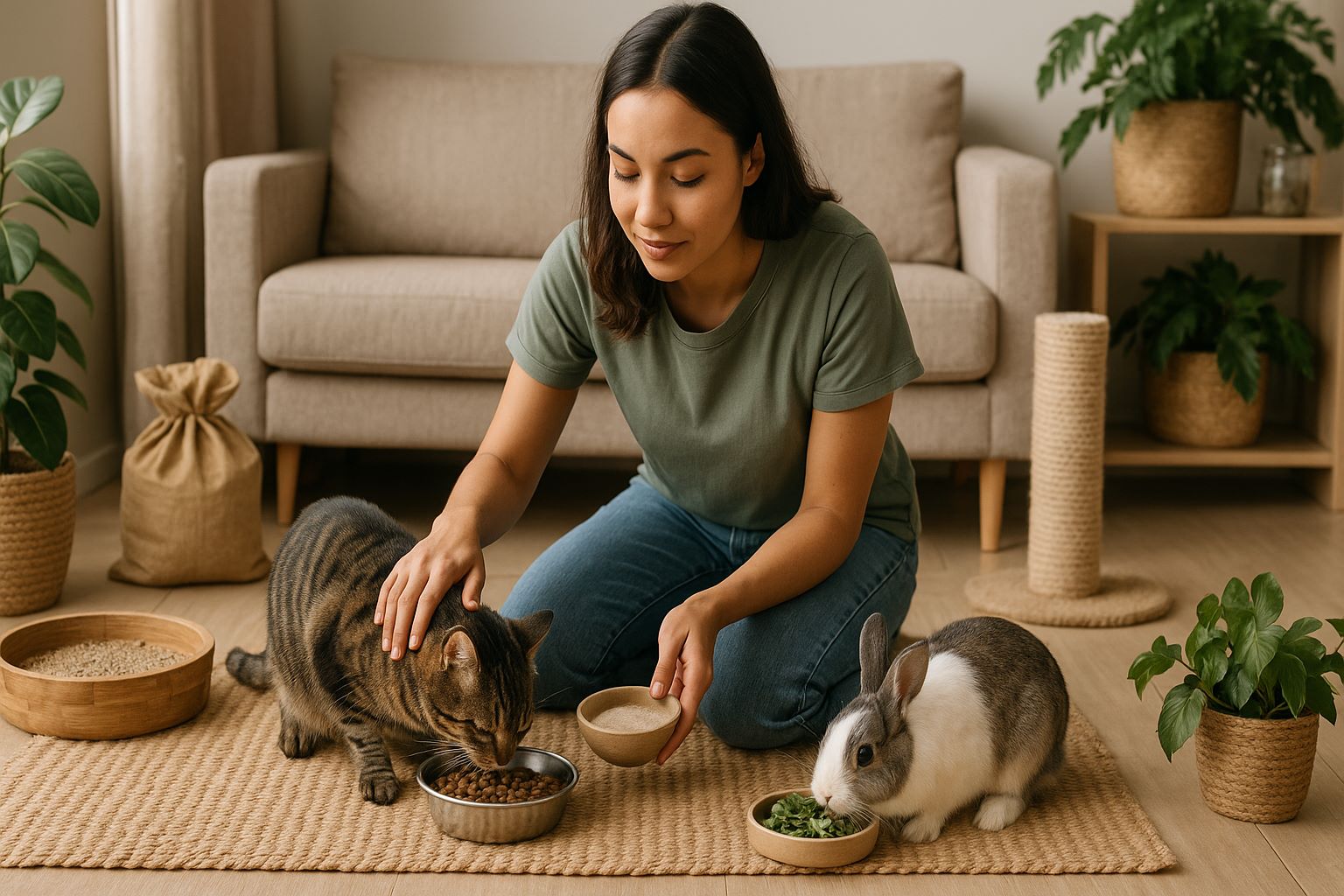
While cats are easier to care for, they still need playtime, regular feeding, and grooming. Keep litter boxes clean and provide scratching posts to protect furniture.
🐹 3. Small Mammals: Hamsters, Guinea Pigs, and Rabbits
Why they’re great: Small pets are adorable, fun to watch, and teach kids responsibility.
Best for: Families with limited space or first-time pet owners.
Popular choices:
- Hamsters: Tiny and entertaining but mostly nocturnal.
- Guinea Pigs: Social, gentle, and great with children.
- Rabbits: Playful and affectionate but need space to hop around.
Things to consider:
Small animals need clean cages, regular feeding, and gentle handling. Some live longer than others — guinea pigs and rabbits can live 5–10 years.
🐠 4. Fish: Calming and Colorful Pets
Why they’re great: Watching fish swim can be relaxing and therapeutic. They’re beautiful to look at and require minimal daily attention.
Best for: Families wanting a low-maintenance pet that doesn’t need handling.
Things to consider:
Setting up and maintaining an aquarium requires effort — you’ll need proper filtration, water changes, and the right food. Goldfish, guppies, and bettas are good beginner species.
🐦 5. Birds: Social, Smart, and Full of Personality
Why they’re great: Birds can be surprisingly affectionate and even learn to mimic sounds and words.
Best for: Families with older children who can handle gentle animals responsibly.
Popular pet birds:
- Budgerigars (Budgies): Friendly, small, and easy to train.
- Cockatiels: Playful and affectionate.
- Parrots: Intelligent and talkative but need more attention.
Things to consider:
Birds need social interaction, mental stimulation, and cage cleaning. They can be noisy and may live for decades — so consider it a long-term commitment.
🐢 6. Reptiles: Unique and Low-Allergy Pets
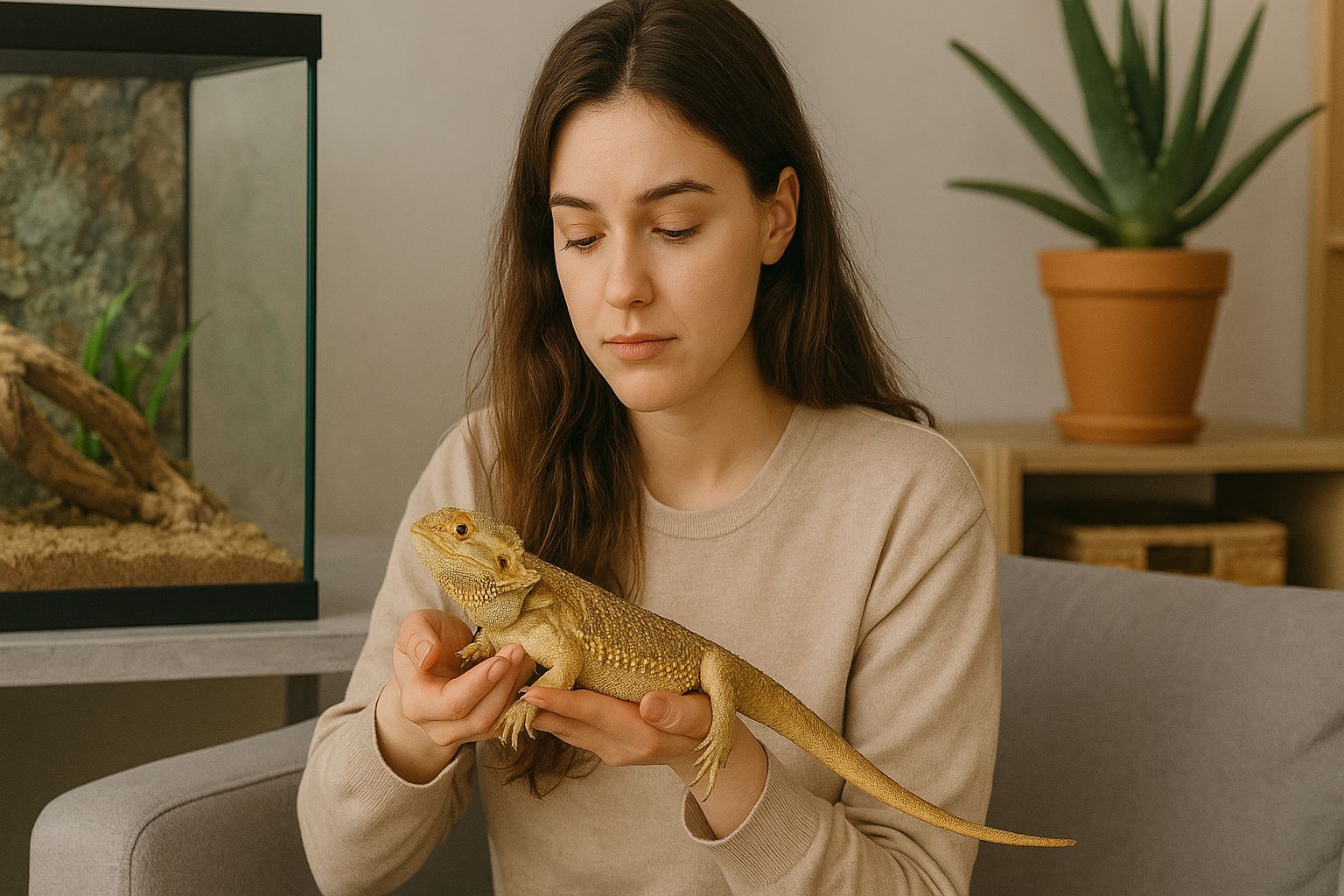
Why they’re great: Reptiles like turtles, geckos, and bearded dragons are fascinating to observe and ideal for families with allergies.
Best for: Families interested in something different and willing to maintain a proper habitat.
Things to consider:
Reptiles need specific temperatures, humidity, and UV lighting. They’re not cuddly but can still be engaging companions.
4. Matching Pets to Your Lifestyle
Here’s a quick guide to help you find your perfect match:
| Lifestyle Type | Best Pets | Why They Fit |
| Active Families | Dogs (Labrador, Border Collie) | Love outdoor activities and exercise |
| Busy Households | Cats, Fish | Require less attention and maintenance |
| Small Apartments | Cats, Rabbits, Hamsters | Compact and adaptable |
| Allergy-Prone Families | Reptiles, Fish, Hypoallergenic dogs | Produce little or no allergens |
| Families with Young Kids | Golden Retriever, Guinea Pig, Ragdoll Cat | Gentle and patient personalities |
5. Adopting vs. Buying
When looking for your new companion, consider adopting from shelters instead of buying from breeders or pet stores. Thousands of loving animals are waiting for homes.
Adoption not only saves a life but often costs less and supports animal welfare. Shelters can also help you find a pet that suits your family’s lifestyle and experience level.
6. Preparing Your Home for a New Pet
Before bringing your new friend home, make sure your space is safe and welcoming:
- Pet-proof your house by removing toxic plants, cleaning supplies, and choking hazards.
- Set up a cozy sleeping area.
- Buy essentials like food, bowls, toys, and grooming tools.
- Teach children how to interact gently and respectfully with the new pet.
7. Building a Lifelong Bond
Once your pet is home, spend time bonding and building trust. Use positive reinforcement, treats, and affection to help them feel safe. Be patient — adjusting to a new environment takes time.
Remember, a pet’s loyalty and love are priceless rewards that come with consistent care and kindness.
Conclusion
Choosing the right family pet is a big decision — one that should be made with care, compassion, and understanding. Whether you adopt a playful dog, a curious cat, a chirping bird, or a colorful fish, the right pet can bring warmth and happiness to your home for years to come.
Take time to research, prepare, and connect with your future furry (or scaly or feathery) friend. After all, a well-chosen pet isn’t just an animal — it’s a cherished member of the family.