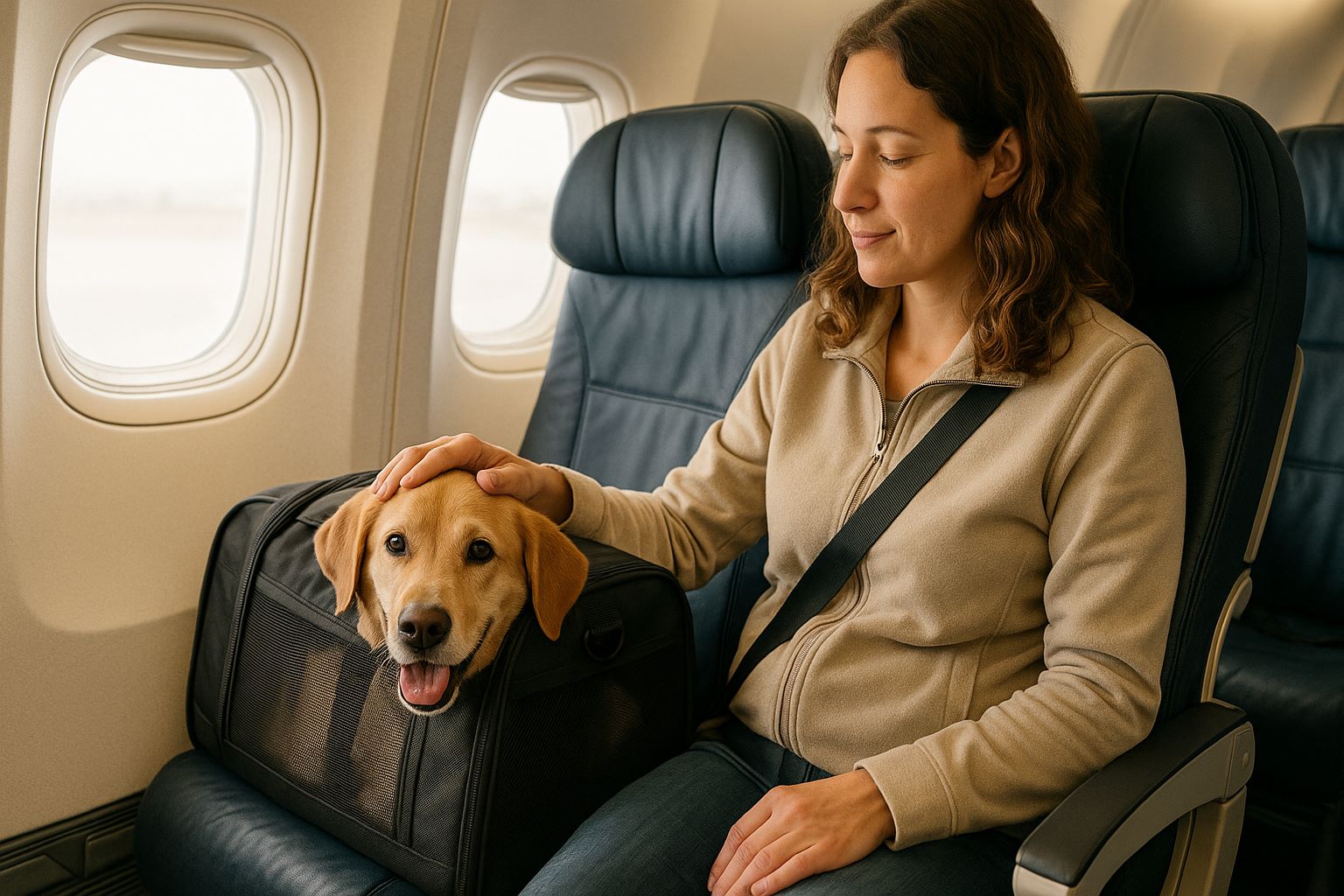
For many pet owners, leaving their furry friends behind when traveling simply isn’t an option. Whether it’s a weekend road trip or a cross-country move, taking your pet along can make the experience more enjoyable — but it also requires careful planning. Traveling with pets involves more than just packing their food and toys; it’s about ensuring their comfort, safety, and well-being throughout the journey.
Thank you for reading this post, don't forget to subscribe!In this comprehensive guide, we’ll cover everything you need to know to make traveling with your pet smooth and stress-free — from preparation and packing to transportation tips and destination advice.
🧳 1. Preparing for the Trip
Before hitting the road or booking your flight, preparation is key. Pets thrive on routine, and travel can disrupt their comfort zones. Proper planning helps reduce anxiety and prevents potential health or safety issues.
✅ Visit the Vet
Start by scheduling a checkup with your veterinarian. Make sure your pet is:
- Up-to-date on vaccinations (especially rabies and distemper)
- Free from fleas, ticks, and parasites
- Healthy enough to travel, especially if they’re senior pets or have medical conditions
Ask your vet for a health certificate (often required for flights or crossing borders) and discuss whether your pet might benefit from anti-anxiety medication or calming supplements.
🐶 Update Identification
Your pet’s ID tag and microchip should have your current contact information. If your pet gets lost during travel, this simple step could make all the difference. For extra safety, consider a GPS pet tracker.
🎒 2. Packing Essentials for Your Pet
Just like humans, pets need their own travel essentials. Pack a dedicated pet bag with all the items they’ll need for comfort and care on the road.
🐾 Must-Have Items:
- Food and water (plus travel bowls)
- Leash, harness, and collar
- Favorite toys and blankets for familiarity
- Waste bags or litter supplies
- First aid kit (including pet-safe antiseptic and bandages)
- Medications and vet records
- Pet wipes and grooming supplies
Pro Tip: Bring a portable water bottle for your dog or cat, especially during long walks or hikes. Dehydration is common during travel.
🚗 3. Traveling by Car
For most pet owners, car travel is the most common and convenient option. However, it’s important to make your pet comfortable and secure inside the vehicle.
🐕 Safety First
Never let your pet roam freely in the car. Sudden stops or distractions can lead to accidents. Instead:
- Use a pet seat belt, harness, or secured crate
- Keep smaller pets in a carrier with good ventilation
- Never allow pets to sit in the front seat — airbags can cause injuries
🚘 Comfort Tips
- Take frequent breaks (every 2–3 hours) for bathroom and water breaks
- Keep the car well-ventilated and temperature-controlled
- Avoid feeding your pet right before travel to prevent motion sickness
If your pet is new to car rides, start with short practice trips around your neighborhood to help them get used to the movement and sounds.
✈️ 4. Traveling by Air
Flying with pets can be challenging, but with proper planning, it’s manageable. Airlines have strict rules about pet travel, so always check their policies well in advance.
🐾 In-Cabin vs. Cargo
- In-Cabin: Small pets (usually under 20 lbs or 9 kg) can travel in an airline-approved carrier under the seat in front of you.
- Cargo Hold: Larger pets must travel as checked baggage or cargo. Choose this option only if absolutely necessary, as it can be stressful for pets.
✈️ Tips for Flying:
- Book direct flights whenever possible to minimize stress and transfer time.
- Feed your pet a few hours before the flight, not immediately before.
- Line the carrier with absorbent pads in case of accidents.
- Include a comfort item (like a favorite toy or blanket) inside the carrier.
Also, make sure your carrier meets airline size and ventilation requirements, and label it clearly with your pet’s name and your contact info.
🚆 5. Traveling by Train, Bus, or Boat
Not all public transport options are pet-friendly, so always check before booking.
- Trains (e.g., Amtrak): Small pets in carriers are usually allowed for short trips.
- Buses: Most major bus lines, such as Greyhound, do not allow pets (service animals are the exception).
- Boats and Ferries: Policies vary — some ferries have designated pet areas or allow leashed pets on deck.
If you’re going on a cruise, check the line’s pet policy. A few luxury liners even have onboard kennels!
🏠 6. Finding Pet-Friendly Accommodations
Before you arrive at your destination, research pet-friendly hotels or vacation rentals. Websites like BringFido, Airbnb (pet-friendly filter), or Booking.com make it easy to find lodging that welcomes animals.
🏨 Hotel Tips:
- Always confirm the pet policy (size limits, breed restrictions, and extra fees)
- Bring your pet’s bed or blanket to make the room feel familiar
- Never leave your pet unattended in the hotel room for long periods
- Be courteous to other guests — keep noise under control and clean up after your pet
🌳 7. Keeping Your Pet Calm and Comfortable
Travel can be stressful for animals. Use these techniques to help them relax:
🧘 Calming Techniques:
- Play soothing music or white noise
- Use pheromone sprays or calming collars
- Maintain a regular feeding and walking schedule
- Give them a familiar toy or blanket during the trip
For anxious pets, ask your vet about natural calming aids like chamomile, CBD (for pets), or prescription sedatives if needed.
💡 8. Special Considerations for Different Animals
🐶 Dogs
Dogs usually love traveling, but keep an eye out for motion sickness or anxiety. Exercise them before departure to help them stay calm during the trip.
🐱 Cats
Cats are territorial and often dislike change. Use a secure carrier, cover it with a light blanket, and provide a soft surface inside.
🐰 Small Pets (Rabbits, Guinea Pigs, etc.)
These animals are sensitive to temperature changes and noise. Keep them in a quiet, well-ventilated space and avoid long trips if possible.
🐦 Birds
Use a sturdy travel cage and keep it partially covered to reduce stress. Avoid drafts and ensure they have access to food and water.
🧭 9. At the Destination: Helping Pets Adjust
Once you’ve reached your destination, allow your pet time to settle in.
- Set up a small area with their bed, food, and toys
- Stick to their usual feeding schedule
- Explore the new environment gradually
If you’re visiting friends or family, remind them not to overwhelm your pet with attention right away.
❤️ 10. Final Thoughts: Make Travel Fun for Both of You
Traveling with pets can be one of life’s greatest joys — with the right preparation, it’s entirely possible to make the experience safe, comfortable, and enjoyable for everyone involved. From packing essentials and choosing the best transport to finding pet-friendly lodging and keeping your pet calm, every step matters.
With patience and planning, your pet can become your favorite travel companion — ready to explore the world by your side.
SEO Keywords (integrated naturally): traveling with pets, pet travel tips, car travel with pets, flying with dogs, pet-friendly hotels, pet safety while traveling, pet travel checklist, how to travel with a cat, stress-free pet travel.