As more people embrace environmentally conscious living, the focus has expanded beyond human habits — to include how we care for our pets. From the food they eat to the toys they play with, every aspect of pet ownership has an environmental footprint.
Thank you for reading this post, don't forget to subscribe!While our furry (or feathery) companions bring joy and companionship, their needs can sometimes contribute to waste, carbon emissions, and resource use. But the good news is: you can be a responsible pet owner and an environmental advocate at the same time.
In this guide, we’ll explore how to practice eco-friendly pet ownership — simple, effective ways to reduce waste, conserve resources, and make more sustainable choices for your pets without compromising their health or happiness.
🌍 1. Understanding the Environmental Impact of Pet Ownership
Before we dive into the solutions, it’s important to recognize that pets do have an environmental impact — mostly through their diet, waste, and lifestyle products.
🦴 Common Environmental Challenges:
- Pet food production (especially meat-based diets) contributes to carbon emissions and deforestation.
- Single-use plastic in toys, bowls, and packaging adds to land and ocean waste.
- Non-biodegradable waste bags and synthetic cat litter harm ecosystems.
- Overconsumption of resources (like water and energy in grooming or washing pet supplies).
However, these impacts can be minimized through mindful, sustainable decisions — starting right at home.
🐶 2. Choose Sustainable Pet Food
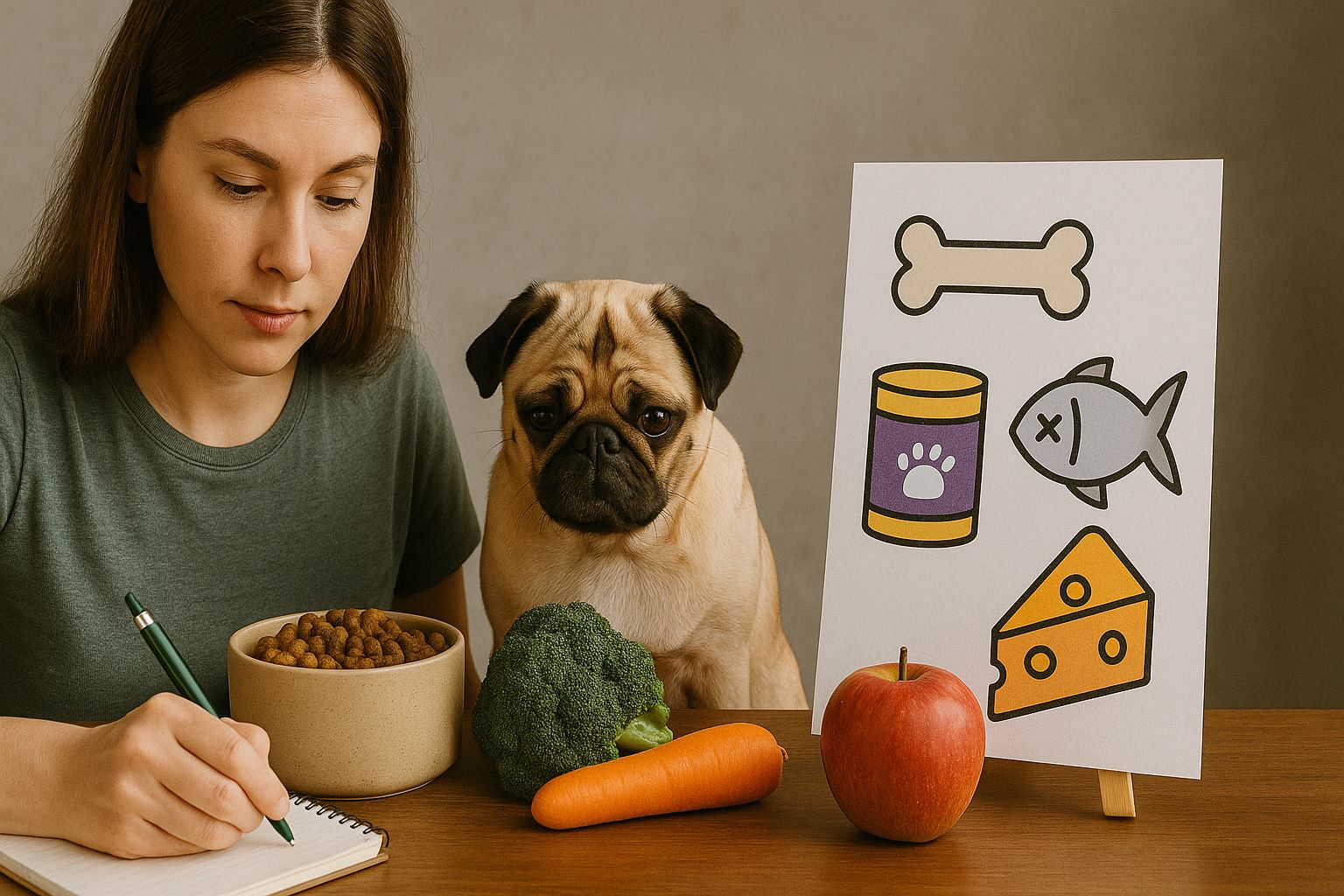
Pet food is one of the largest environmental contributors in pet ownership. A 2017 UCLA study estimated that U.S. pets consume about 25–30% of the country’s animal-derived calories, producing roughly 64 million tons of CO₂ per year.
🌱 Opt for Eco-Friendly Ingredients
When choosing pet food:
- Look for brands that use responsibly sourced meat or sustainable protein alternatives (like insect protein or plant-based blends).
- Avoid foods with palm oil, which contributes to deforestation.
- Select organic or locally produced options when possible — reducing transportation emissions.
♻️ Reduce Packaging Waste
Buy bulk or refillable options to minimize single-use packaging. Some sustainable pet brands now offer recyclable or compostable bags, which are far better for the environment.
🍽️ DIY Pet Meals
If your vet approves, you can even make homemade pet food using local, seasonal ingredients — but always ensure nutritional balance with your vet’s guidance.
🐾 3. Eco-Friendly Toys and Accessories
Pets love playtime — but many toys are made of plastic, synthetic fibers, or non-recyclable materials that end up in landfills.
🌿 Go for Sustainable Materials
Choose toys made from:
- Natural rubber
- Organic cotton
- Hemp
- Recycled fabrics or wood
These materials are durable, non-toxic, and biodegradable.
🧸 DIY Toys
Get creative with homemade toys — such as:
- Old t-shirts braided into tug ropes
- Cardboard boxes turned into cat castles
- Tennis balls or natural ropes for dogs
DIY toys not only reduce waste but also save money and provide bonding time with your pet.
🚰 4. Reduce Plastic Waste in Pet Care
Plastic waste is a major issue in pet products — from food containers to grooming supplies.
💧 Sustainable Swaps:
- Replace plastic bowls with stainless steel or ceramic.
- Use biodegradable poop bags instead of plastic ones.
- Opt for glass or bamboo grooming tools over plastic combs or brushes.
Many eco-conscious pet brands now make plastic-free alternatives, and switching to them helps reduce your pet’s carbon “pawprint.”
🐕 5. Sustainable Waste Management
Dealing with pet waste responsibly is crucial for environmental protection — as pet waste can pollute waterways and release harmful methane gas.
💩 For Dogs:
- Always use biodegradable or compostable poop bags.
- If you have space, consider pet waste composting systems (specifically designed for dog waste — never for food compost).
- Never leave dog waste outdoors; it’s not fertilizer and can spread bacteria.
🐈 For Cats:
- Avoid clay-based cat litter, which is strip-mined and non-biodegradable.
- Choose eco-friendly alternatives like:
- Recycled paper pellets
- Coconut husk litter
- Wood shavings or sawdust litter
- Corn or wheat-based litter
- Recycled paper pellets
These natural litters are biodegradable, safer for your cat, and better for the planet.
🌱 6. Adopt, Don’t Shop
The most sustainable way to become a pet owner is through adoption.
🏡 Why Adoption Matters
Adopting a pet from a shelter:
- Saves a life
- Reduces overpopulation and the demand for breeding mills
- Helps lower the carbon footprint associated with commercial breeding and transport
Rescuing a pet is an act of compassion and environmental responsibility. Shelters are filled with loving animals waiting for a second chance — often already vaccinated and trained.
🚿 7. Eco-Friendly Grooming Practices
Pet grooming can also be made more sustainable with small adjustments.
🧴 Choose Natural, Non-Toxic Products
Look for:
- Shampoos with plant-based ingredients
- No parabens, sulfates, or artificial fragrances
- Brands that use recyclable or refillable packaging
Avoid over-bathing pets — it not only conserves water but also protects their skin’s natural oils.
♻️ Sustainable Grooming Tools
Use bamboo brushes, organic cotton towels, and refillable spray bottles for grooming or cleaning.
🚗 8. Green Travel with Your Pet
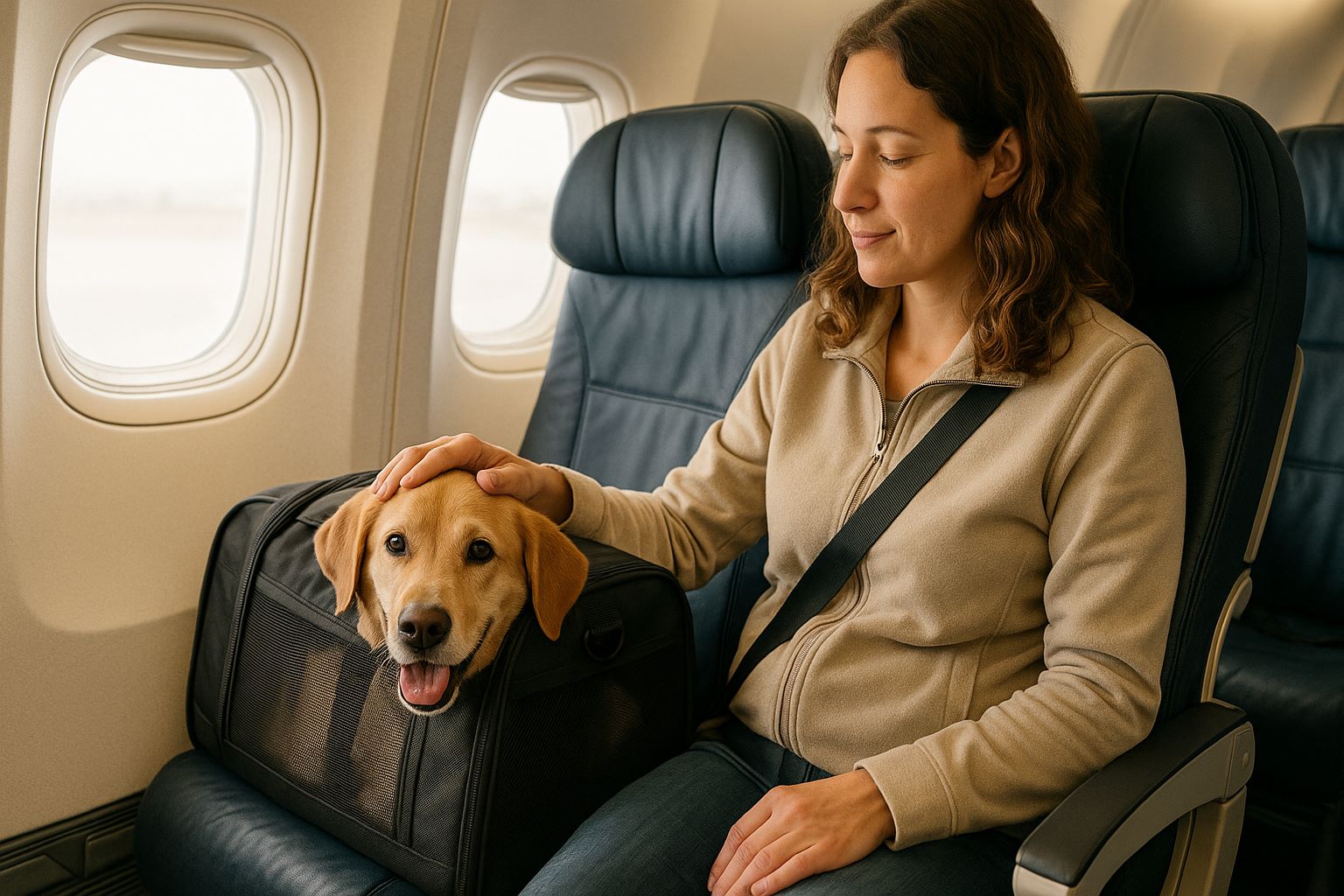
When traveling with pets, there are eco-friendly ways to minimize your environmental impact.
🌍 Sustainable Travel Tips:
- Choose local destinations or eco-lodges that welcome pets.
- Bring reusable water bottles and bowls instead of disposables.
- Use public transportation or carpool with other pet owners when possible.
- Pack eco-friendly wipes, waste bags, and organic treats for the trip.
Every small decision contributes to reducing emissions and waste while keeping your adventures pet-friendly.
🧩 9. Support Eco-Conscious Pet Brands
Your purchasing power makes a difference. Many pet brands today are leading the way with ethical sourcing, cruelty-free testing, and eco-packaging.
🌎 What to Look For:
- Certified B-Corporations (businesses that meet sustainability standards)
- Cruelty-free and carbon-neutral certifications
- Locally made or small-batch pet products
- Transparent ingredient sourcing
Supporting these companies encourages others to adopt sustainable practices too.
🌸 10. Reduce, Reuse, Recycle — Pet Owner Edition
Eco-friendly pet ownership often comes down to the basics:
- Reduce consumption (buy only what’s needed)
- Reuse old items (repurpose blankets, containers, or toys)
- Recycle packaging and broken items properly
You can even donate gently used pet items — like collars, leashes, and toys — to shelters instead of throwing them away.
💚 11. A Mindful Approach to Pet Ownership
Being a sustainable pet owner isn’t about perfection — it’s about progress and awareness. Every small action adds up.
By choosing natural products, adopting rather than shopping, and being mindful of waste, you’re contributing to a healthier planet for humans and animals alike.
Ultimately, sustainability and pet ownership share a common goal: care, respect, and responsibility toward life. When we nurture our pets sustainably, we nurture the Earth too.
🌎 Final Thoughts: Creating a Greener Future for Pets and People
Eco-friendly pet ownership is more than a trend — it’s a mindset. Our animals depend on us for care, and the planet depends on us for preservation. With small, consistent efforts, you can make a big impact: lowering your pet’s carbon pawprint while improving their quality of life.
From choosing sustainable food and toys to managing waste responsibly, every eco-friendly decision creates a ripple effect that benefits future generations — both human and animal.
So next time you buy your pet food, leash, or shampoo, ask yourself: Is this choice kind to the Earth?
Because being a great pet parent also means being a guardian of the planet we all share. 🌍🐾
SEO Keywords (naturally integrated): eco-friendly pet ownership, sustainable pet care, green pet tips, eco pet products, biodegradable pet waste, sustainable dog food, zero-waste pet care, eco-conscious pet parents, environmentally friendly pet tips.