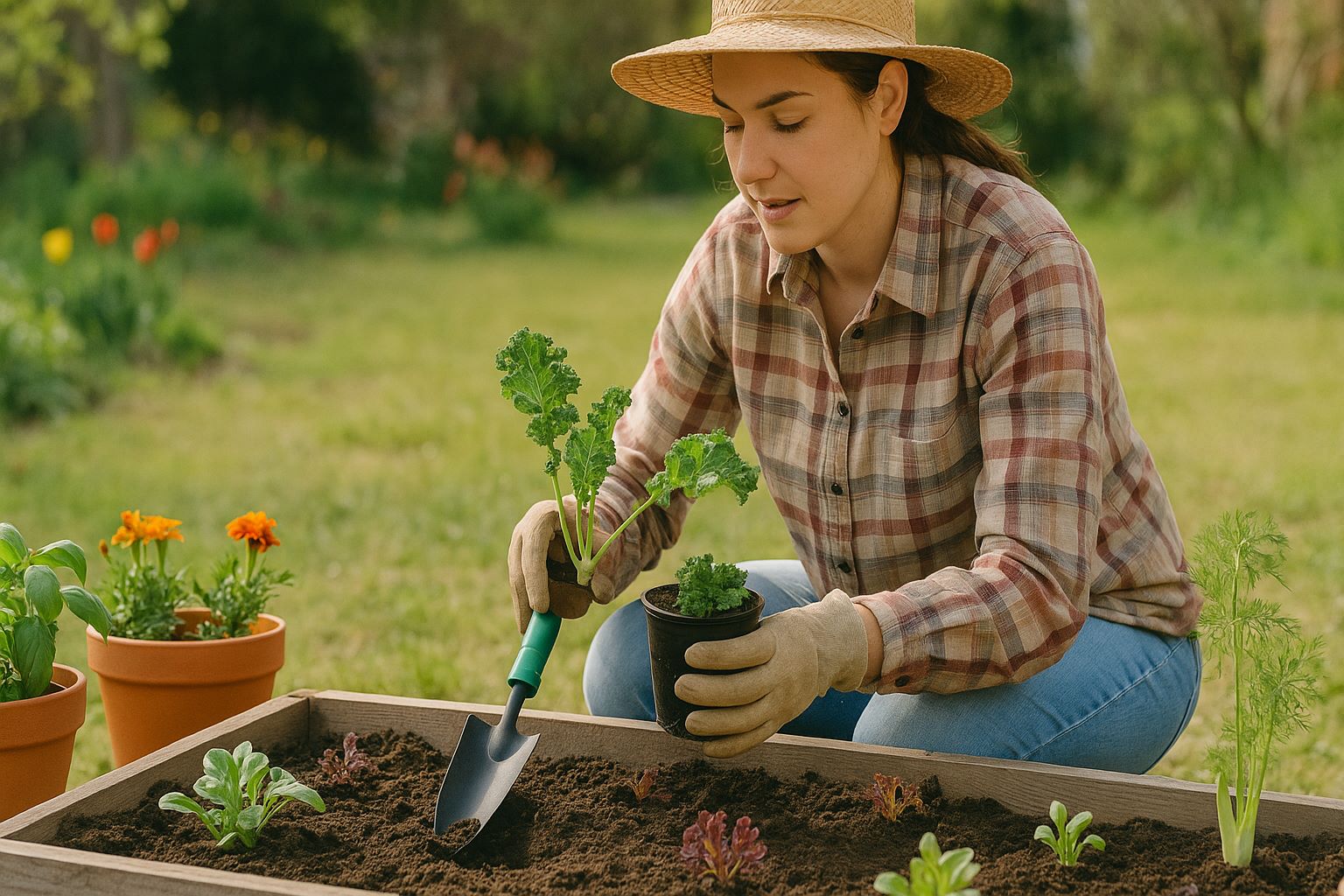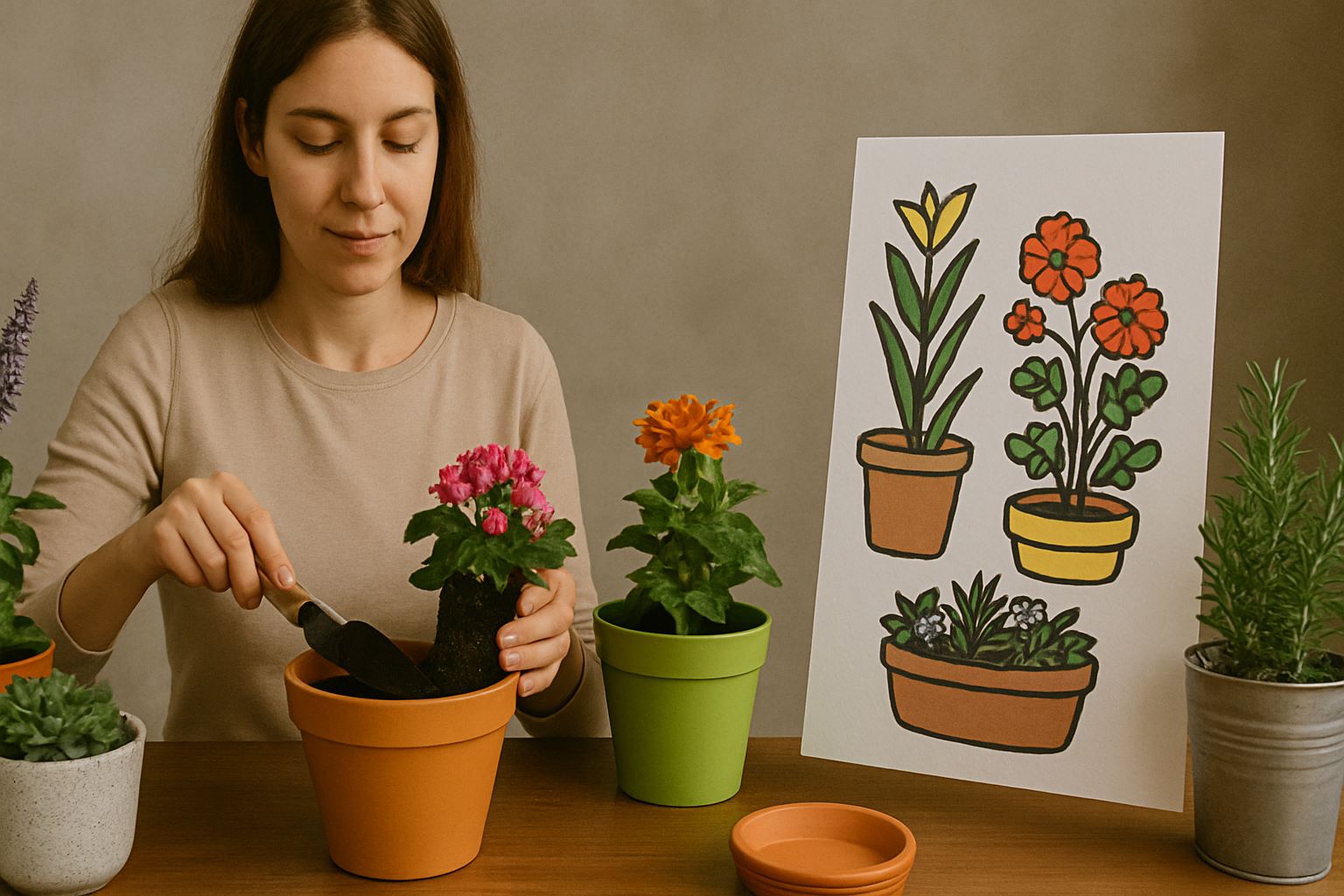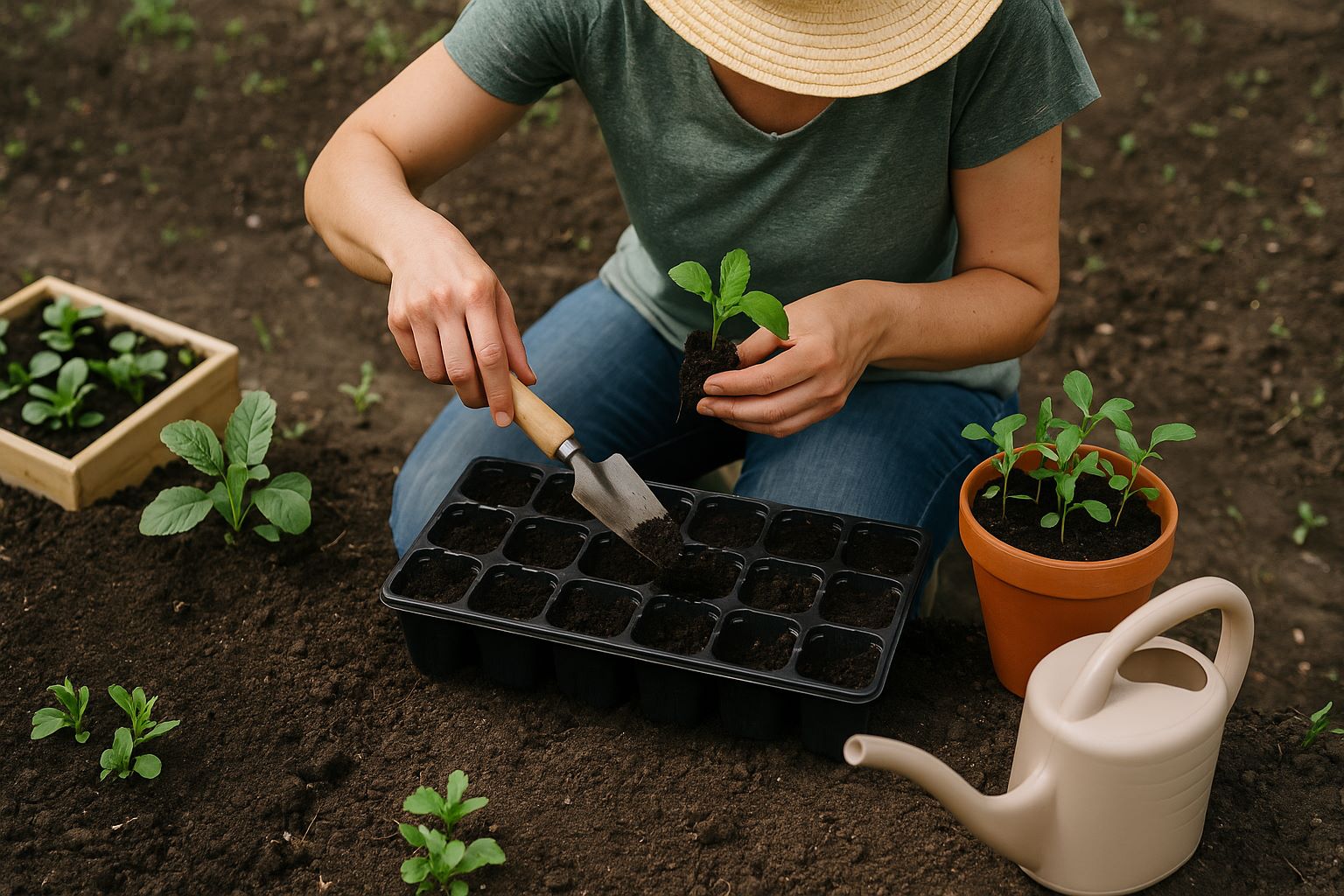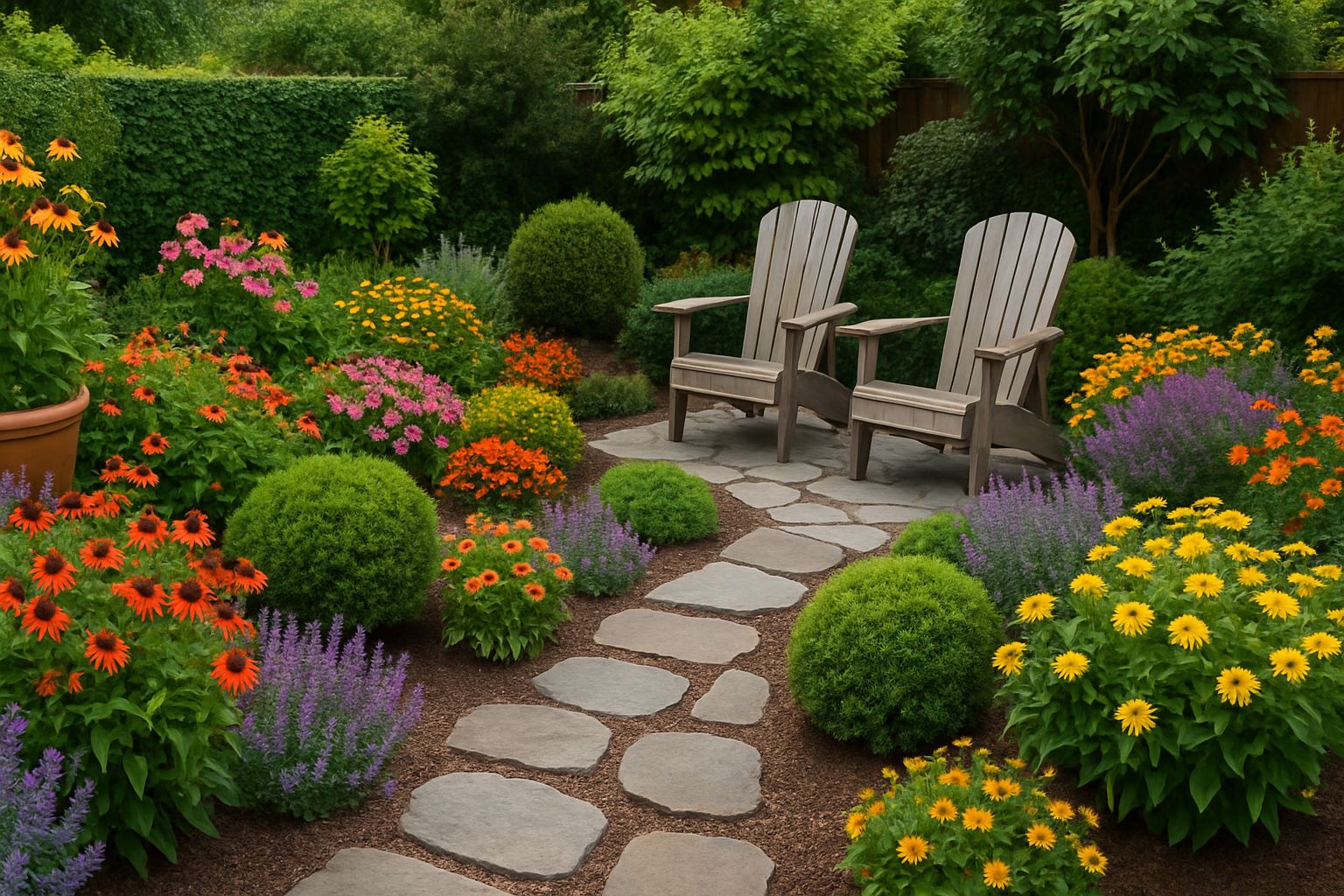
A well-designed garden is more than just a collection of plants — it’s a living, breathing extension of your home. Whether you have a sprawling backyard or a compact patio, the right garden design can turn your outdoor space into a place of relaxation, beauty, and inspiration.
Thank you for reading this post, don't forget to subscribe!Designing a garden doesn’t require a degree in landscaping. With a little creativity, planning, and understanding of your space, you can transform any outdoor area into a personal paradise. In this guide, we’ll explore creative garden design ideas, layout styles, and practical tips to help you build a garden that reflects your taste and lifestyle.
1. Understanding Your Garden Space
Before diving into design, take time to analyze your space. The size, shape, and conditions of your garden determine what kind of design will work best.
Key Factors to Consider:
- Sunlight: Observe where the sun hits your garden throughout the day.
- Soil type: Sandy, clay, or loamy soils affect what plants thrive.
- Drainage: Check how water flows or collects after rain.
- Existing features: Trees, fences, walls, or slopes can enhance or limit certain designs.
Sketch a simple layout of your garden to visualize where you might place plants, seating areas, or paths. This helps you create a balanced, functional design before you start planting.
2. Choosing a Garden Style That Matches Your Personality
Your garden should reflect your personality and lifestyle. Do you prefer a structured, elegant look or a relaxed, natural feel? Here are some popular garden styles to inspire you:
🌿 Modern Minimalist Garden
- Features clean lines, geometric shapes, and neutral colors.
- Ideal for small spaces or urban homes.
- Uses materials like stone, concrete, and steel for a sleek, contemporary vibe.
- Plants: Ornamental grasses, bamboo, succulents, and evergreens.
🌸 Cottage Garden
- Overflowing with color, texture, and fragrance.
- Combines flowers, herbs, and shrubs in a seemingly random yet charming way.
- Features stone pathways, wooden fences, and vintage décor.
- Plants: Roses, lavender, foxglove, daisies, and delphinium.
🌾 Rustic Country Garden
- Embraces natural beauty and simplicity.
- Perfect for larger spaces with a relaxed, organic feel.
- Includes vegetable patches, wildflowers, and recycled materials.
- Plants: Sunflowers, zinnias, hydrangeas, and herbs.
🪴 Zen or Japanese Garden
- Designed for peace, meditation, and balance.
- Combines rocks, gravel, water, and minimal plantings.
- Focuses on simplicity and harmony with nature.
- Plants: Ferns, moss, Japanese maple, bamboo.
🌼 Mediterranean Garden
- Ideal for warm, sunny climates.
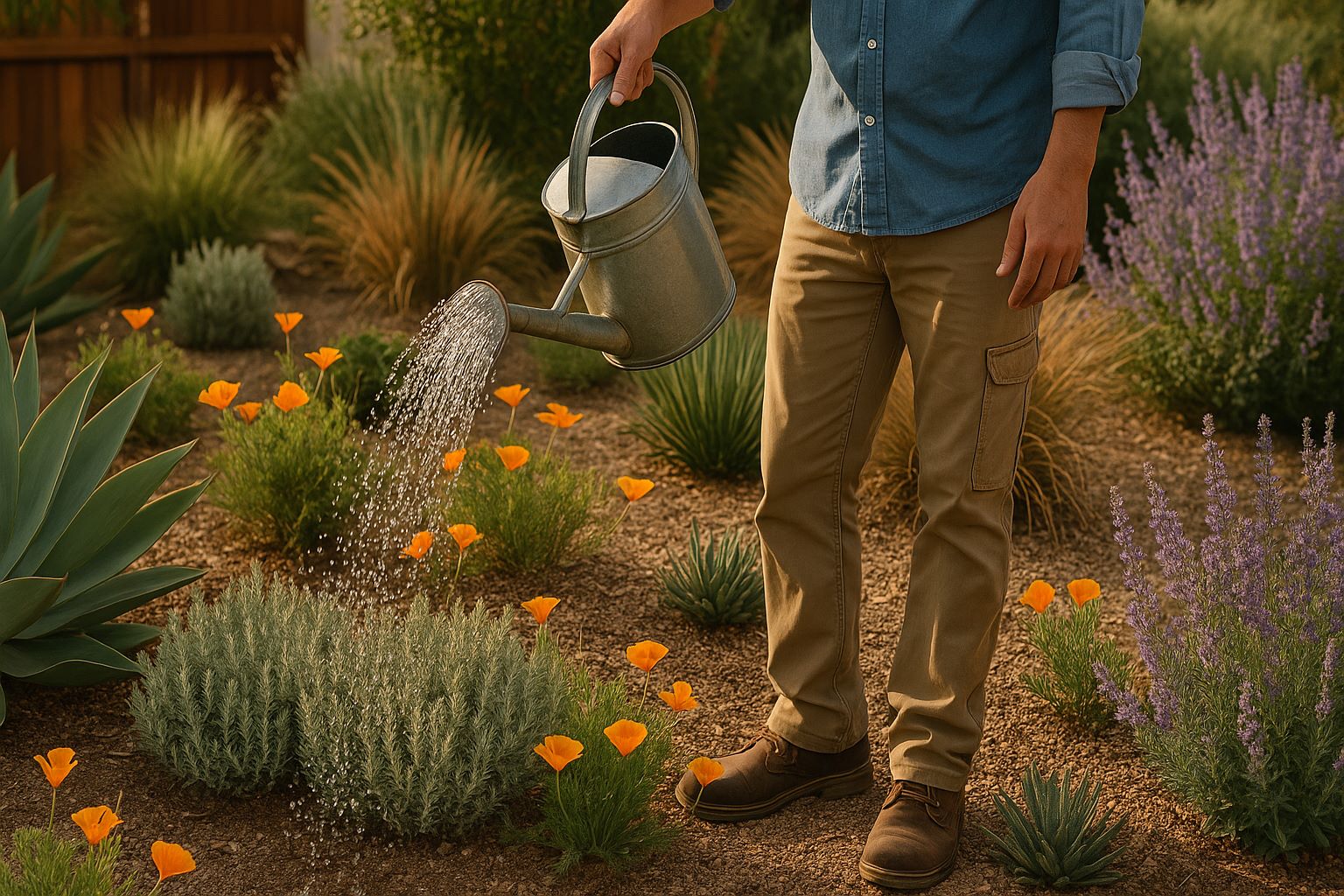
- Features terracotta pots, gravel paths, and drought-resistant plants.
- Plants: Lavender, rosemary, olive trees, and succulents.
Once you choose a theme, stick to it for a cohesive look that ties all elements together.
3. Plan for Functionality and Flow
Great garden design isn’t just about beauty—it’s also about how the space works for you. Think of your garden as a series of zones that serve different purposes.
Common Garden Zones:
- Relaxation area: A patio, hammock, or garden bench for unwinding.
- Dining space: A table or BBQ setup for outdoor meals.
- Play zone: Open lawn or soft-surface area for kids or pets.
- Planting beds: For flowers, vegetables, or shrubs.
- Pathways: To connect different sections smoothly.
Use pathways, hedges, or garden screens to subtly divide these areas while maintaining a sense of unity.
4. Incorporate Hardscaping for Structure
Hardscaping refers to non-plant elements like stone, wood, metal, and concrete that give structure and definition to your garden. The right combination of hardscape and softscape (plants) brings harmony and balance.
Hardscaping Ideas:
- Stone pathways: Guide visitors through your garden.
- Decks or patios: Create functional areas for seating and dining.
- Water features: Fountains, ponds, or birdbaths add movement and sound.
- Garden walls or raised beds: Add depth and interest to flat spaces.
- Pergolas or arches: Provide shade and vertical structure.
Choose materials that complement your home’s exterior for a cohesive look.
5. Layer Your Plantings for Depth and Dimension
In design, layering is key to creating visual interest. Instead of planting everything at the same height, use a mix of tall, medium, and low-growing plants to build texture and depth.
How to Layer Plants:
- Back: Tall trees, shrubs, or climbers for structure and privacy.
- Middle: Medium plants and perennials for color and form.
- Front: Low-growing plants, ground covers, or edging flowers.
This arrangement makes your garden feel full and dynamic, while also helping you hide walls or fences naturally.
6. Play with Color and Texture
Color brings life to any garden, and texture adds richness. The secret is finding the right balance between boldness and harmony.
Color Tips:
- Use complementary colors (like purple and yellow) for striking contrast.
- Stick to a color palette that matches your garden style — soft pastels for a cottage look, or greens and neutrals for a modern one.
- Repeat colors throughout the garden for visual continuity.
Texture Tips:
- Mix fine-textured plants (like ferns or grasses) with bold-leaved ones (like hostas or elephant ears).
- Use rough materials (stone, bark) against smooth surfaces (metal, glass) for contrast.
A well-balanced mix of color and texture turns an ordinary garden into a feast for the eyes.
7. Add Lighting for Evening Magic
Don’t let your garden disappear when the sun goes down. Outdoor lighting transforms your space into a cozy nighttime retreat.
Lighting Ideas:
- Path lights: Illuminate walkways safely and beautifully.
- Spotlights: Highlight trees, sculptures, or focal plants.
- String lights: Add warmth and charm to patios or pergolas.
- Solar lights: Eco-friendly and easy to install.
A mix of ambient, task, and accent lighting creates both functionality and atmosphere.
8. Include Water and Wildlife Features
Water adds tranquility, while wildlife brings your garden to life. Together, they enhance the sensory experience of your outdoor space.
Water Feature Ideas:
- Small fountains or bubbling urns for patios.
- Reflecting pools or ponds for larger gardens.
- DIY birdbaths for budget-friendly charm.
Encouraging Wildlife:
- Plant pollinator-friendly flowers like lavender, echinacea, and salvia.
- Add bird feeders or bee hotels.
- Avoid using chemical pesticides that harm beneficial insects.
A garden buzzing with bees and birds is not only beautiful but also ecologically valuable.
9. Use Vertical Space
If your space is limited, look up! Vertical gardening allows you to grow plants upward, saving ground space while adding a unique visual appeal.
Vertical Gardening Ideas:
- Install wall-mounted planters or shelves.
- Grow climbing plants like jasmine, ivy, or clematis on trellises.
- Use hanging baskets for cascading flowers.
- Build a living green wall for a lush, modern look.
Vertical gardening is perfect for balconies, courtyards, or small urban gardens.
10. Personalize Your Space
The best gardens tell a story — your story. Add touches that reflect your personality, interests, or culture.
Personalization Ideas:
- Display garden art or sculptures.
- Use recycled materials for DIY garden projects.
- Add a fire pit, hammock, or reading nook for relaxation.
- Incorporate favorite plants or meaningful ornaments.
A garden filled with personal touches feels welcoming, authentic, and uniquely yours.
11. Keep It Sustainable
A beautiful garden can also be eco-friendly. Sustainable design saves resources and supports the environment.
Tips for Sustainable Garden Design:
- Choose native, drought-tolerant plants that require less water.
- Collect rainwater for irrigation.
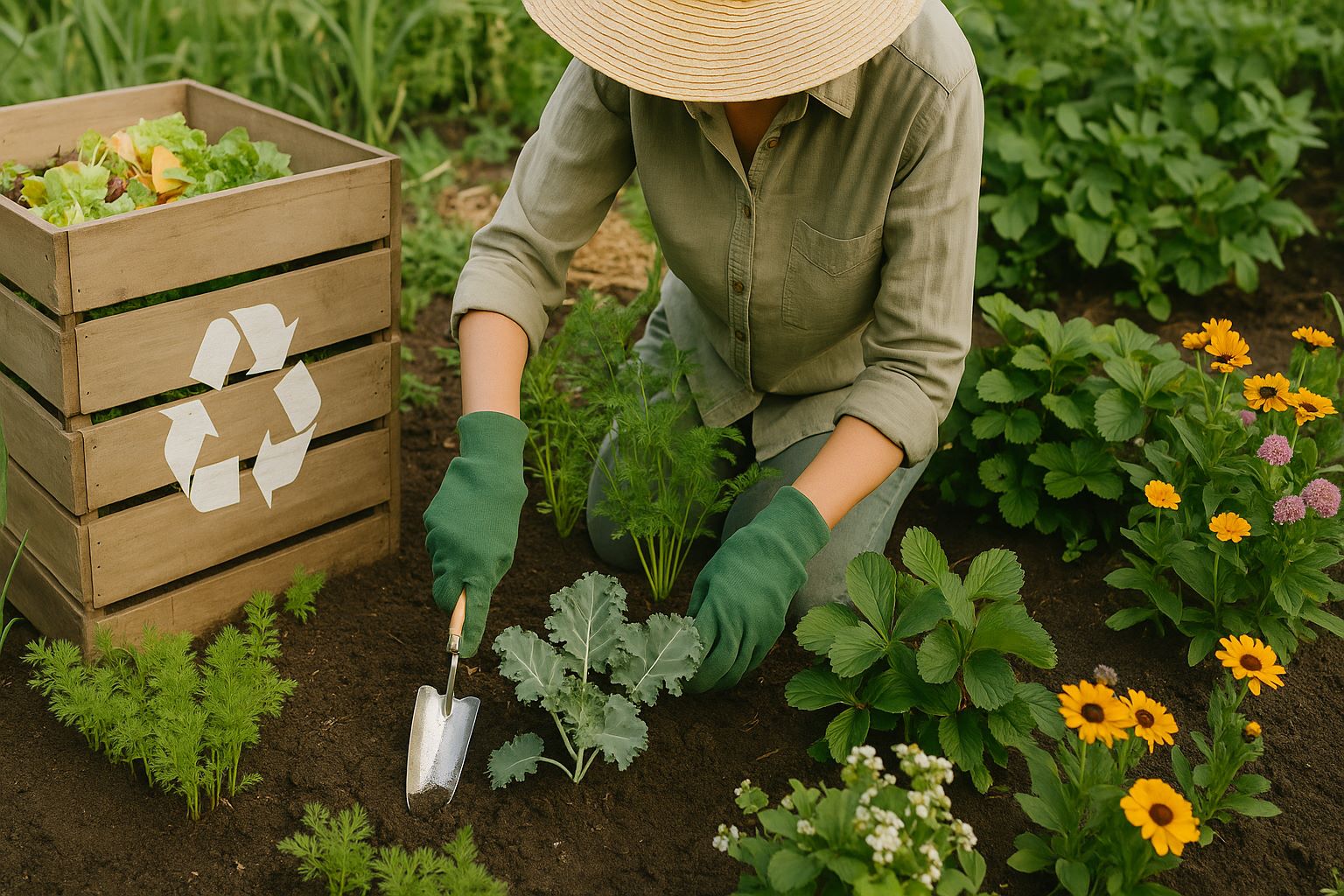
- Use organic mulch and compost to enrich the soil naturally.
- Reuse materials like old bricks, wood, or stones for paths and borders.
A sustainable garden not only looks good but also gives back to nature.
12. Maintain for Long-Term Beauty
Designing your garden is just the beginning — maintaining it keeps the beauty alive.
Maintenance Tips:
- Prune and deadhead regularly to encourage new growth.
- Weed weekly to prevent competition for nutrients.
- Refresh mulch and compost annually.
- Check irrigation systems for efficiency.
A little care goes a long way in preserving the charm and health of your garden design.
Conclusion
Your garden is a blank canvas waiting for creativity. Whether you prefer a modern retreat, a cottage haven, or a wildlife-friendly sanctuary, thoughtful design can transform any outdoor space into something extraordinary.
By combining structure, color, texture, and personal style, you’ll create not just a garden — but an experience. One that grows and evolves with you, season after season.
So, grab your notebook, sketch your ideas, and start planning your dream garden today. With a little vision and passion, you can turn any patch of land into a breathtaking outdoor masterpiece.