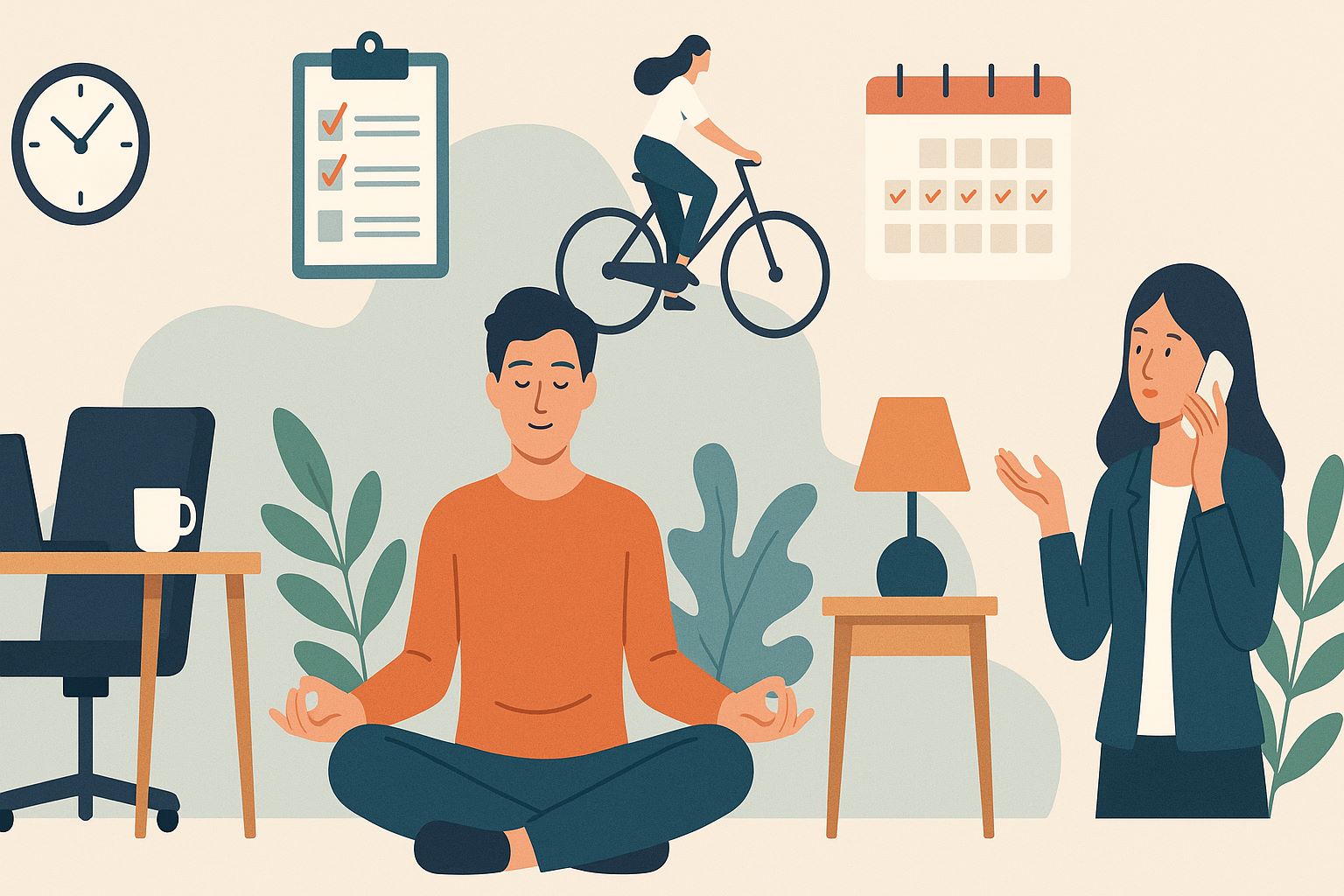
In today’s fast-paced world, our mindset plays a crucial role in shaping our emotions, decisions, and overall well-being. Positive thinking is not about ignoring reality or pretending that everything is perfect—it’s about approaching challenges with optimism and focusing on opportunities rather than obstacles. The power of positive thinking can truly transform your life, improving your health, relationships, career, and happiness.
Thank you for reading this post, don't forget to subscribe!What Is Positive Thinking?
Positive thinking is the practice of focusing on the good in any given situation. It doesn’t mean denying the negative but instead choosing to view problems as temporary and solvable. A positive thinker believes that things will work out for the best and looks for solutions rather than dwelling on problems.
At its core, positive thinking is about shifting perspective. When you train your mind to see possibilities rather than limitations, you create an environment for personal growth, success, and peace of mind.
The Science Behind Positive Thinking
Numerous studies have shown that a positive mindset can have a measurable impact on both physical and mental health. According to research from Harvard Health, people who maintain an optimistic outlook tend to live longer, experience less stress, and recover more quickly from illnesses.
Here’s how positivity influences your brain and body:
- Reduces Stress: Positive thoughts lower cortisol (the stress hormone) and help maintain a calmer nervous system.
- Boosts Immunity: Optimistic people have stronger immune systems, which makes them more resistant to diseases.
- Improves Heart Health: Studies show that positivity is linked to lower blood pressure and reduced risk of heart disease.
- Enhances Resilience: A positive mindset helps people bounce back faster from setbacks, failures, or trauma.
- Improves Focus and Creativity: When you think positively, your brain releases dopamine and serotonin—chemicals that enhance motivation, learning, and creativity.
In short, your thoughts shape your reality. When you focus on gratitude, hope, and self-belief, your brain adapts by strengthening neural pathways that promote happiness and success.
How Mindset Shapes Your Everyday Life
Your mindset is like a lens through which you view the world. A positive lens brightens everything—it helps you see lessons in failures, opportunities in challenges, and strength in struggles.
Here’s how a positive mindset influences key areas of life:
1. Relationships
Positive people attract positive energy. When you approach relationships with kindness, understanding, and gratitude, you create deeper connections. Instead of focusing on flaws or conflicts, optimistic individuals work toward resolution and empathy.
Even during disagreements, a positive thinker seeks understanding instead of blame—this builds trust and long-lasting relationships.
2. Career and Success
Your attitude determines how you respond to challenges at work. Positive thinkers are more confident, motivated, and persistent. They view setbacks as learning experiences and are more likely to take calculated risks, innovate, and grow.
Employers and leaders value positivity because it boosts team morale, productivity, and creativity. In fact, a study from the University of Pennsylvania found that optimistic salespeople sold 37% more than pessimistic ones.
3. Health and Wellness
Your mind and body are deeply connected. Stress, anxiety, and negative emotions can weaken your immune system and lead to chronic illnesses. Conversely, a positive outlook supports healthy habits like regular exercise, nutritious eating, and quality sleep.
Positive people are also more likely to practice self-care because they believe they deserve to feel good.
4. Personal Growth
When you believe in yourself, you’re more willing to step outside your comfort zone. Positive thinkers embrace change as an opportunity for growth rather than something to fear. This mindset fuels self-improvement and builds resilience.
How to Develop a Positive Mindset
Positive thinking is a skill—it takes time and consistency to develop. The good news is, anyone can train their mind to think more positively using simple, daily habits.
Here are proven strategies to help you get started:
1. Practice Gratitude Daily
Gratitude shifts your focus from what’s missing to what’s present. Each morning or before bed, list three things you’re grateful for. They can be as simple as a good cup of coffee, supportive friends, or good health.
Over time, gratitude rewires your brain to notice and appreciate the good in every situation.
2. Surround Yourself with Positive People
The people around you influence your mindset. Spend time with individuals who uplift, inspire, and encourage you. Limit exposure to negativity, whether it’s gossip, pessimistic people, or toxic environments.
3. Use Positive Affirmations
Affirmations are powerful statements that reinforce belief in yourself. Try repeating phrases like:
- “I am capable and confident.”
- “I choose happiness and peace.”
- “Every day is a new opportunity for growth.”
These reminders gradually reshape your subconscious mind toward optimism.
4. Reframe Negative Thoughts
When faced with challenges, ask yourself:
- “What can I learn from this?”
- “How can I handle this differently next time?”
- “Is there a positive side to this situation?”
This helps you move from a victim mindset to a problem-solving mindset.
5. Practice Mindfulness and Meditation
Mindfulness helps you stay present and aware of your thoughts. Meditation, even for 10 minutes a day, reduces stress and promotes clarity. By observing your thoughts without judgment, you gain control over your reactions.
6. Focus on Solutions, Not Problems
Positive thinking doesn’t mean ignoring problems—it means tackling them constructively. Instead of saying “I can’t do this,” reframe it as “How can I make this work?” Solution-based thinking keeps you motivated and productive.
7. Celebrate Small Wins
Recognizing progress, no matter how small, boosts confidence and motivation. Each win reinforces your belief that you’re moving forward, encouraging even more positive actions.
Overcoming Negative Thinking
Everyone experiences negative thoughts—it’s part of being human. The goal isn’t to eliminate negativity completely but to manage it effectively.
Here’s how to counter negativity:
- Recognize the trigger: Notice what situations or people cause negative thinking. Awareness is the first step toward change.
- Challenge your inner critic: When you catch yourself thinking, “I’ll fail,” ask, “What evidence do I have for that?”
- Take care of your body: Exercise, sleep, and nutrition play huge roles in mental clarity and emotional stability.
- Be patient with yourself: Developing a positive mindset takes time. Celebrate your progress and keep practicing daily.
The Long-Term Benefits of Positive Thinking
Positive thinking creates a ripple effect throughout your life. Over time, you’ll notice benefits such as:
- Improved emotional resilience
- Better decision-making
- Increased motivation and focus
- Deeper, more meaningful relationships
- Enhanced physical health
- Greater overall happiness
When positivity becomes your default state, you stop reacting to life—and start creating it.
Conclusion: Choose Positivity Every Day
The power of positive thinking lies in the choices you make daily. You can’t always control your circumstances, but you can control your mindset. By practicing gratitude, surrounding yourself with positivity, and focusing on growth, you reshape your world from the inside out.
Happiness, success, and peace of mind aren’t found in perfect conditions—they’re cultivated through a positive perspective. So, start today. Believe in yourself, think positively, and watch how your life begins to transform in remarkable ways.