The world is changing fast—and so must we. Climate change, pollution, and overconsumption have made it clear that the way we live affects not only our planet but also our health and future generations. The good news is that living sustainably doesn’t require drastic sacrifices or expensive solutions. By making small, mindful changes in daily life, anyone can help build a greener, cleaner, and healthier world.
Thank you for reading this post, don't forget to subscribe!This article explores practical, affordable, and easy eco-friendly habits you can start today to make a real difference—without feeling overwhelmed.
1. What Is Sustainable Living?
At its core, sustainable living means making choices that reduce your environmental impact. It’s about balancing what we take from nature with what we give back, ensuring that future generations can enjoy the same resources we do today.
Sustainability isn’t just about recycling—it’s a mindset. It’s about rethinking how we consume, travel, eat, and even decorate our homes. Each small change adds up and collectively creates a powerful ripple effect.
In short:
Sustainable living isn’t about perfection—it’s about progress.
2. Start with the 3 R’s: Reduce, Reuse, Recycle
The easiest place to begin is by embracing the 3 R’s—a timeless foundation of eco-friendly living.
- Reduce: Buy only what you need. Choose quality over quantity, avoid single-use items, and limit waste.
- Reuse: Repurpose containers, jars, and clothes. Donate instead of discarding.
- Recycle: Properly separate paper, plastic, and glass. Educate yourself about what your local recycling center actually accepts.
Pro Tip:
Before you buy something new, ask yourself:
“Can I borrow it, repair it, or find it secondhand?”
You’ll save money—and the planet will thank you.
3. Embrace a Sustainable Diet
What we eat has one of the biggest environmental footprints. Agriculture, especially meat and dairy production, contributes heavily to greenhouse gas emissions, deforestation, and water use. The solution? You don’t need to go vegan overnight—just make smarter food choices.
Here’s how:
- Eat more plants: Add more fruits, vegetables, beans, and grains to your diet.
- Choose local and seasonal: Support nearby farmers and reduce the carbon cost of transport.
- Cut food waste: Plan meals, store food properly, and get creative with leftovers.
- Compost: Turn organic waste into nutrient-rich soil instead of sending it to landfills.
Did you know?
If everyone reduced their meat consumption by just one day per week, global emissions could drop significantly. Small steps, big impact.
4. Switch to Eco-Friendly Household Products
Many household products contain harsh chemicals that harm both your health and the environment. Luckily, there are simple, sustainable alternatives.
Try these:
- Use natural cleaning products like vinegar, baking soda, and lemon.
- Switch to biodegradable soaps and detergents.
- Choose refillable containers and bulk stores instead of single-use plastics.
- Avoid synthetic air fresheners—opt for essential oils or indoor plants instead.
These changes are not only better for the planet but also safer for your family and pets.
5. Rethink Your Energy Use
Energy conservation is one of the most effective ways to reduce your carbon footprint. Even small adjustments can lead to big savings—both environmentally and financially.
Simple steps include:
- Switch off lights and electronics when not in use.
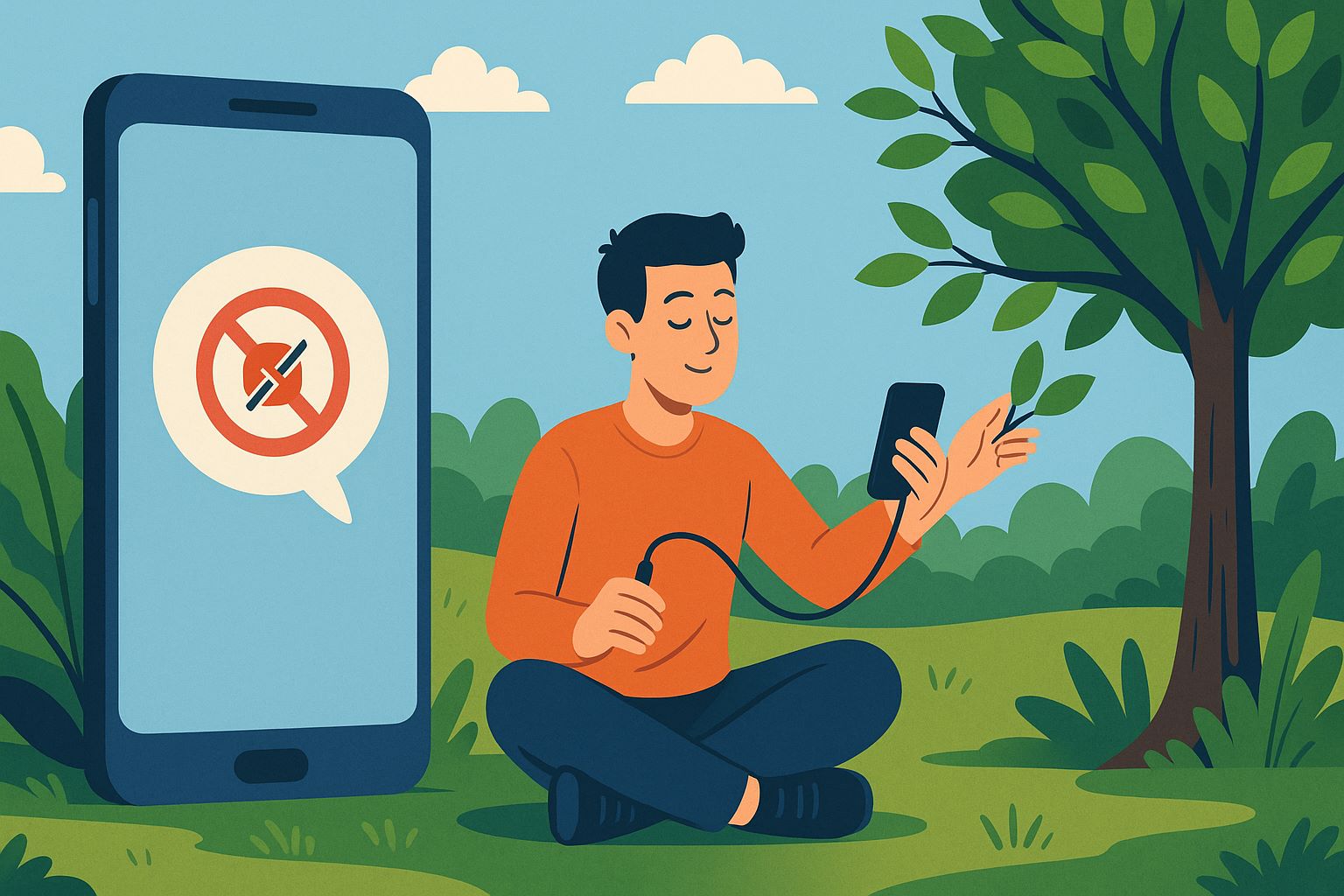
- Unplug chargers—they still draw energy when idle.
- Replace bulbs with energy-efficient LEDs.
- Use natural light during the day.
- Insulate your home to keep it cooler in summer and warmer in winter.
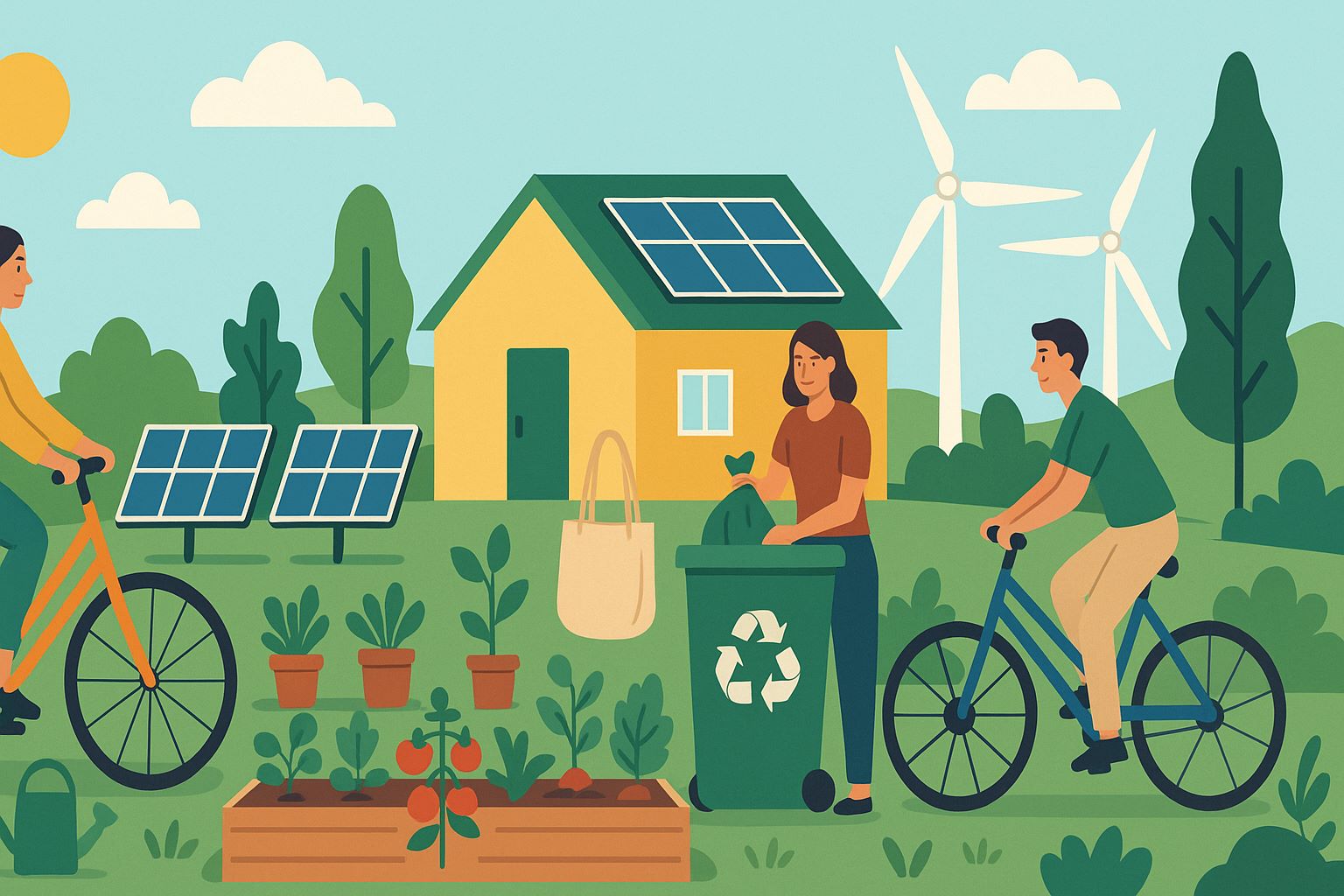
If possible, consider solar panels or renewable energy plans. Investing in green energy today can save thousands in the long run.
6. Say Goodbye to Single-Use Plastics
Plastic pollution is one of the most pressing environmental problems of our time. From oceans to rivers, plastic waste harms wildlife and contaminates food chains. The solution starts with conscious consumer choices.
Here are easy ways to cut down:
- Carry a reusable water bottle and coffee cup.
- Bring your own shopping bags and avoid plastic packaging.
- Switch to metal straws and reusable cutlery.
- Choose glass or cardboard packaging over plastic whenever possible.
Remember: The best plastic waste is the one you never create.
7. Sustainable Fashion: Dress with Purpose
Fast fashion produces massive amounts of waste, uses toxic dyes, and relies on exploitative labor. But there’s a better way—slow, sustainable fashion.
Make your wardrobe more eco-friendly by:
- Buying quality pieces that last longer.
- Shopping secondhand or thrift stores.
- Supporting ethical brands that use organic or recycled materials.
- Mending or upcycling old clothes instead of throwing them away.
- Hosting clothing swaps with friends.
Sustainable fashion isn’t about having less—it’s about making what you have count more.
8. Green Transportation Choices
Transportation accounts for a large portion of global emissions. Thankfully, there are plenty of ways to travel smarter.
Try to:
- Walk or cycle for short distances—it’s great exercise, too!
- Use public transportation instead of driving solo.
- Carpool with friends or coworkers.
- When possible, choose trains over planes.
- If driving, maintain your vehicle regularly for better fuel efficiency.
And if you’re planning for the future, consider electric or hybrid vehicles.
9. Bring Nature Indoors
Adding greenery to your home is one of the simplest ways to live sustainably. Indoor plants purify the air, boost mood, and create a calm, natural vibe.
Best low-maintenance indoor plants include:
- Snake Plant – Great for air purification.
- Aloe Vera – Useful for skin care and easy to grow.
- Peace Lily – Absorbs toxins and adds beauty.
- Spider Plant – Perfect for beginners.
Bonus tip: You can even grow herbs like basil, mint, or rosemary indoors—fresh, organic, and zero waste!
10. Practice Conscious Consumption
Sustainable living is not just about what you buy—but why you buy it. Every purchase you make sends a message about the kind of world you want to live in.
Before buying anything, ask:
- Do I really need this?
- Can I find it secondhand?
- Was it made ethically and sustainably?
- How long will it last?
When we consume mindfully, we shift from a throwaway culture to one of intention, respect, and responsibility.
11. Support Green Businesses and Causes
Support companies that are committed to sustainability—those that use eco-friendly packaging, renewable energy, and ethical labor practices. You can also contribute by donating to environmental organizations, planting trees, or participating in local clean-up drives.
Even spreading awareness on social media or in your community makes a difference. Every action—no matter how small—helps build a more sustainable world.
12. Sustainability Starts at Home
You don’t need to be an activist to make a difference. Change begins with everyday habits—turning off lights, saving water, reusing what you have, and teaching others to do the same.
Get your family involved! Create fun sustainability challenges, like “zero-waste week” or “no plastic day.” Small collective actions at home can inspire big community change.
Conclusion: Small Changes, Big Impact
Living sustainably isn’t about doing everything perfectly—it’s about doing something consistently. Each eco-friendly choice you make helps reduce waste, save energy, and protect the planet for future generations.
Start small. Maybe you bring your own bag, switch to LED bulbs, or buy secondhand clothes. Over time, these small habits become a lifestyle—a lifestyle that reflects care, respect, and responsibility toward the Earth.
As the saying goes:
“We don’t need a handful of people doing sustainability perfectly. We need millions doing it imperfectly.”
So start today. Live consciously. Love your planet—it’s the only one we have.