In the world of sports, injuries are almost inevitable. Whether you’re a professional athlete or a weekend warrior, pushing your physical limits always carries some risk. But while injuries can’t always be avoided, they can often be prevented — and when they do occur, proper recovery makes all the difference between a quick comeback and a long-term setback.
Thank you for reading this post, don't forget to subscribe!Injury prevention and recovery are two sides of the same coin. Both rely on preparation, awareness, and smart habits. Understanding how to protect your body, train safely, and recover effectively is key to maintaining peak performance and extending your athletic career.
This comprehensive guide explores proven strategies every athlete should follow to stay healthy, prevent injuries, and recover stronger than ever.
1. Understanding Why Injuries Happen
Before we dive into prevention, it’s important to understand why injuries occur in the first place. Sports injuries typically fall into two categories:
- Acute injuries – sudden trauma such as sprains, fractures, or dislocations (often caused by collisions or falls).
- Overuse injuries – gradual damage caused by repetitive stress on muscles, joints, or tendons (common in runners, swimmers, and tennis players).
Common causes of sports injuries include:
- Poor warm-up or cool-down routines
- Overtraining or lack of rest
- Improper technique or equipment
- Muscle imbalances and tightness
- Fatigue or dehydration
- Ignoring early warning signs of pain
Understanding these causes allows athletes to take proactive steps to protect their bodies and minimize risks.
2. Injury Prevention Starts with Preparation
The best way to deal with injuries is to avoid them altogether — and preparation is your strongest defense.
A. Warm-Up Properly
A proper warm-up increases blood flow, flexibility, and muscle temperature, preparing your body for high-intensity movement. It should last about 10–15 minutes and include:
- Light aerobic activity (jogging, cycling)
- Dynamic stretches (leg swings, arm circles, lunges)
- Sport-specific drills to activate relevant muscles
Skipping your warm-up increases the risk of muscle strains and ligament injuries.
B. Focus on Proper Technique
No matter the sport, technique is everything. Poor form not only limits performance but also puts unnecessary stress on joints and muscles. Regularly review your form with a coach or trainer to identify bad habits before they lead to injuries.
C. Strengthen Supporting Muscles
Many injuries occur because small stabilizing muscles are weak. Incorporate exercises that strengthen your core, glutes, and hips, as they provide balance and support for all movements.
For example:
- Core: planks, bird dogs, and dead bugs
- Hips: glute bridges, resistance band walks
- Shoulders: rotator cuff rotations, scapular push-ups
D. Wear the Right Gear
Using sport-specific equipment that fits properly can prevent unnecessary strain or impact injuries. Always check your shoes, protective padding, or braces for wear and tear.
3. Smart Training: Balance, Rest, and Recovery
Even the fittest athletes can get injured if they overtrain or ignore recovery.
A. Avoid Overtraining
Training too much without adequate rest leads to fatigue, muscle breakdown, and overuse injuries. Watch for signs such as:
- Persistent soreness
- Declining performance
- Irritability or poor sleep
- Joint pain or stiffness
Follow the “10% rule” — increase your training intensity or volume by no more than 10% per week to allow your body to adapt safely.
B. Prioritize Rest Days
Rest is not laziness — it’s part of the training plan. Muscles rebuild and strengthen during rest, not during exercise. Include at least one full rest day each week and consider active recovery activities like light stretching, yoga, or swimming.
C. Sleep Like a Champion
Sleep is your body’s natural recovery system. During deep sleep, growth hormone levels rise, aiding tissue repair and recovery. Aim for 7–9 hours per night for optimal performance and injury prevention.
4. Nutrition: Fuel for Performance and Healing
Nutrition plays a powerful role in keeping your body resilient against injury and speeding up recovery when needed.
A. Eat for Strength and Repair
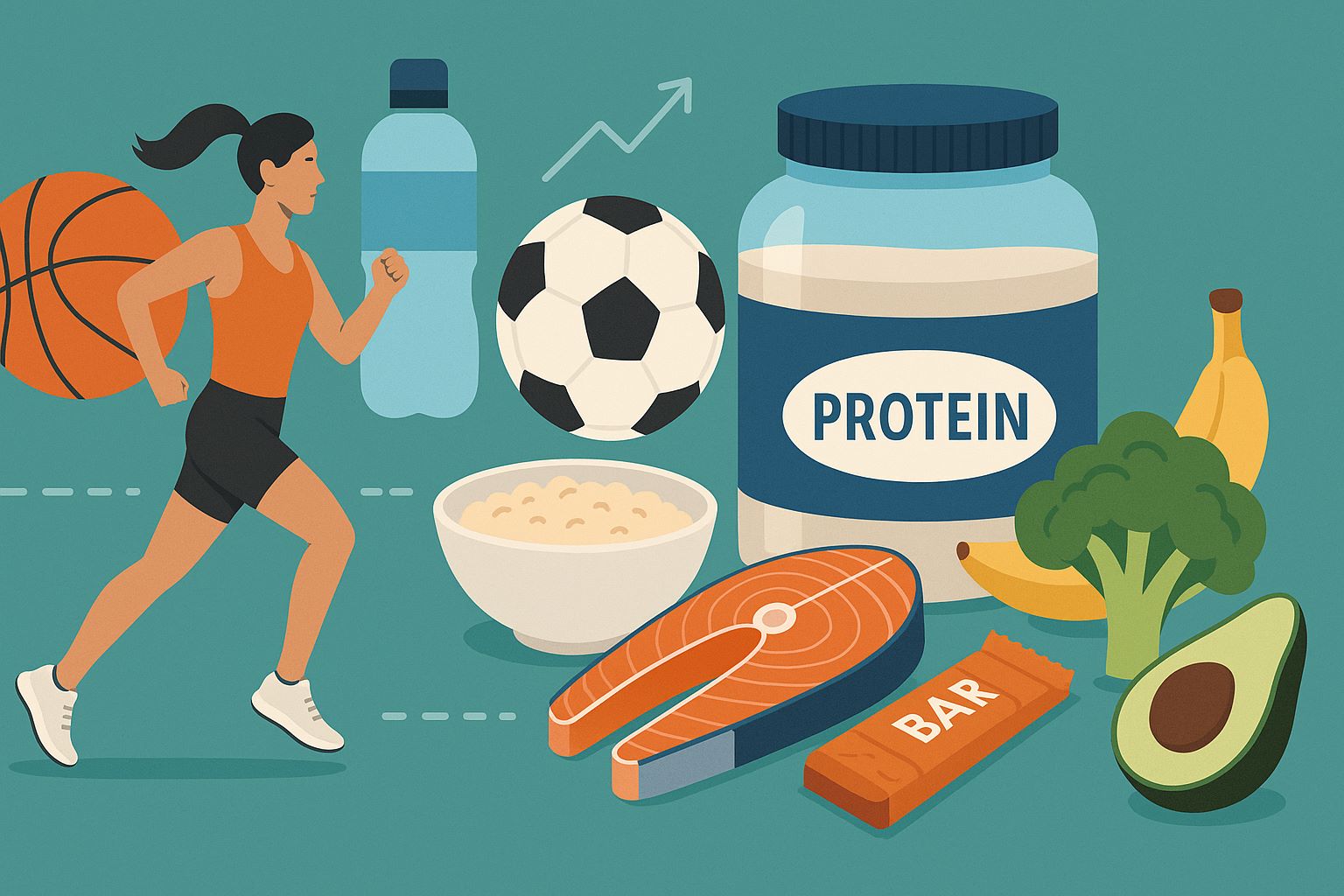
- Protein – essential for muscle repair (found in chicken, eggs, fish, beans, and nuts)
- Complex carbohydrates – provide energy for workouts (whole grains, oats, fruits, vegetables)
- Healthy fats – reduce inflammation and promote joint health (avocados, nuts, olive oil)
B. Stay Hydrated
Dehydration leads to fatigue, cramps, and slower reaction times. Drink water consistently throughout the day — not just during workouts. Electrolyte drinks can help replenish sodium and potassium after intense sessions.
C. Support Recovery with Anti-Inflammatory Foods
Include foods rich in omega-3s, vitamin C, and antioxidants to fight inflammation and boost recovery. Examples include salmon, berries, turmeric, and leafy greens.
5. Stretching and Mobility: The Unsung Heroes of Injury Prevention
Flexibility and mobility are often overlooked, yet they are vital for athletic health.
Dynamic Stretching (Before Training)
Dynamic movements like lunges, leg swings, and arm rotations help prepare the body for activity.
Static Stretching (After Training)
Static stretches help relax tight muscles and improve long-term flexibility. Hold each stretch for 20–30 seconds, focusing on major muscle groups.
Foam Rolling and Mobility Work
Foam rolling reduces muscle tightness and increases blood flow. Combine it with mobility drills (like hip openers or thoracic rotations) to keep joints healthy and movement smooth.
6. Recognizing the Early Signs of Injury
Athletes are often tempted to “push through the pain,” but ignoring warning signs can make minor issues worse.
Listen to your body and watch for:
- Persistent soreness lasting more than 48 hours
- Swelling, redness, or warmth around a joint
- Sharp or localized pain
- Decreased range of motion
- Numbness or tingling
If symptoms persist, stop training and seek medical advice. Early diagnosis and treatment can prevent chronic damage and shorten recovery time.
7. The Recovery Process: Healing the Right Way
When injuries happen, recovery is as much mental as it is physical. Returning too soon can lead to re-injury, while rushing the process can cause permanent damage.
A. Follow the R.I.C.E. Method for Minor Injuries
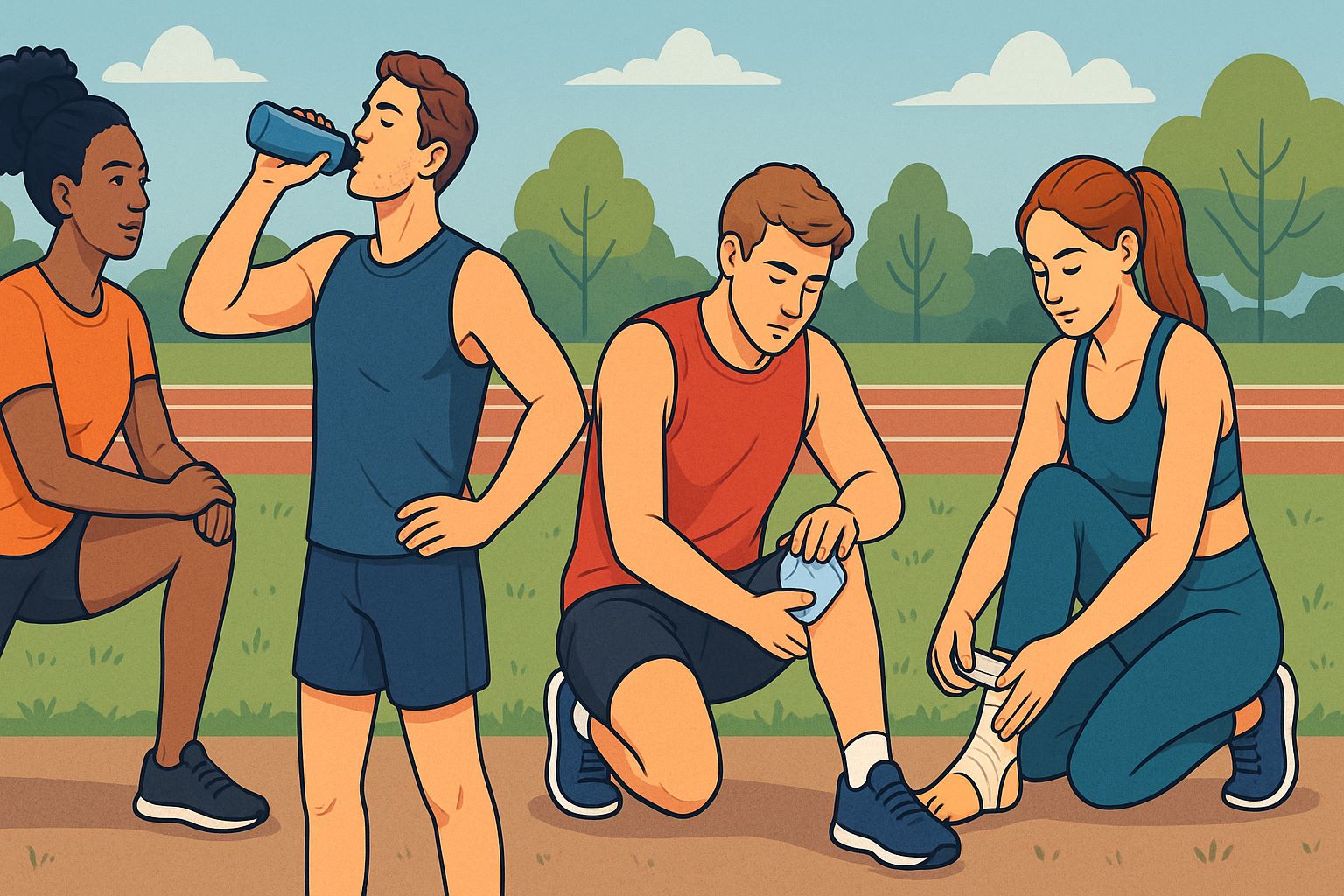
For common sprains or strains, apply the R.I.C.E. method:
- Rest – avoid activities that cause pain
- Ice – apply ice packs for 15–20 minutes several times daily
- Compression – use elastic bandages to reduce swelling
- Elevation – keep the injured area raised above heart level
B. Get Professional Treatment
For serious injuries, consult a sports medicine specialist or physiotherapist. They can recommend personalized treatment, rehabilitation exercises, or physical therapy sessions to speed recovery.
C. Gradual Return to Play
Don’t rush back into full training. Start with light activity and increase intensity gradually. Pain should never exceed mild discomfort — if it does, stop immediately and reassess.
8. Mental Recovery: The Emotional Side of Injury
Injuries can take a psychological toll on athletes. The frustration of being sidelined, losing progress, or fearing re-injury can lead to anxiety or low motivation.
Stay Positive and Patient
Remind yourself that recovery is part of your athletic journey, not the end of it. Focus on what you can control — diet, sleep, rehab, and mindset.
Set Short-Term Goals
Breaking recovery into small milestones keeps motivation high and progress measurable.
Use Visualization
Mentally rehearse your sport or visualize successful performance. This technique helps maintain focus and confidence even while physically resting.
9. Long-Term Strategies for Injury-Free Performance
Once you’ve recovered, maintaining good habits ensures long-term health and success.
- Continue mobility and strength training year-round.
- Cross-train with complementary activities like swimming or cycling to avoid overuse.
- Schedule regular check-ups with physiotherapists or trainers to catch imbalances early.
- Keep improving your technique — even minor adjustments can prevent major injuries.
Conclusion: Train Smart, Recover Smarter
Every athlete dreams of peak performance — but it’s impossible without a strong, healthy body. Injury prevention and recovery are not side topics; they are central to every successful sports career.
By training intelligently, listening to your body, and respecting the recovery process, you can perform at your best and enjoy a long, injury-free athletic life.
Remember: greatness isn’t just about how hard you train — it’s about how well you take care of yourself along the way.