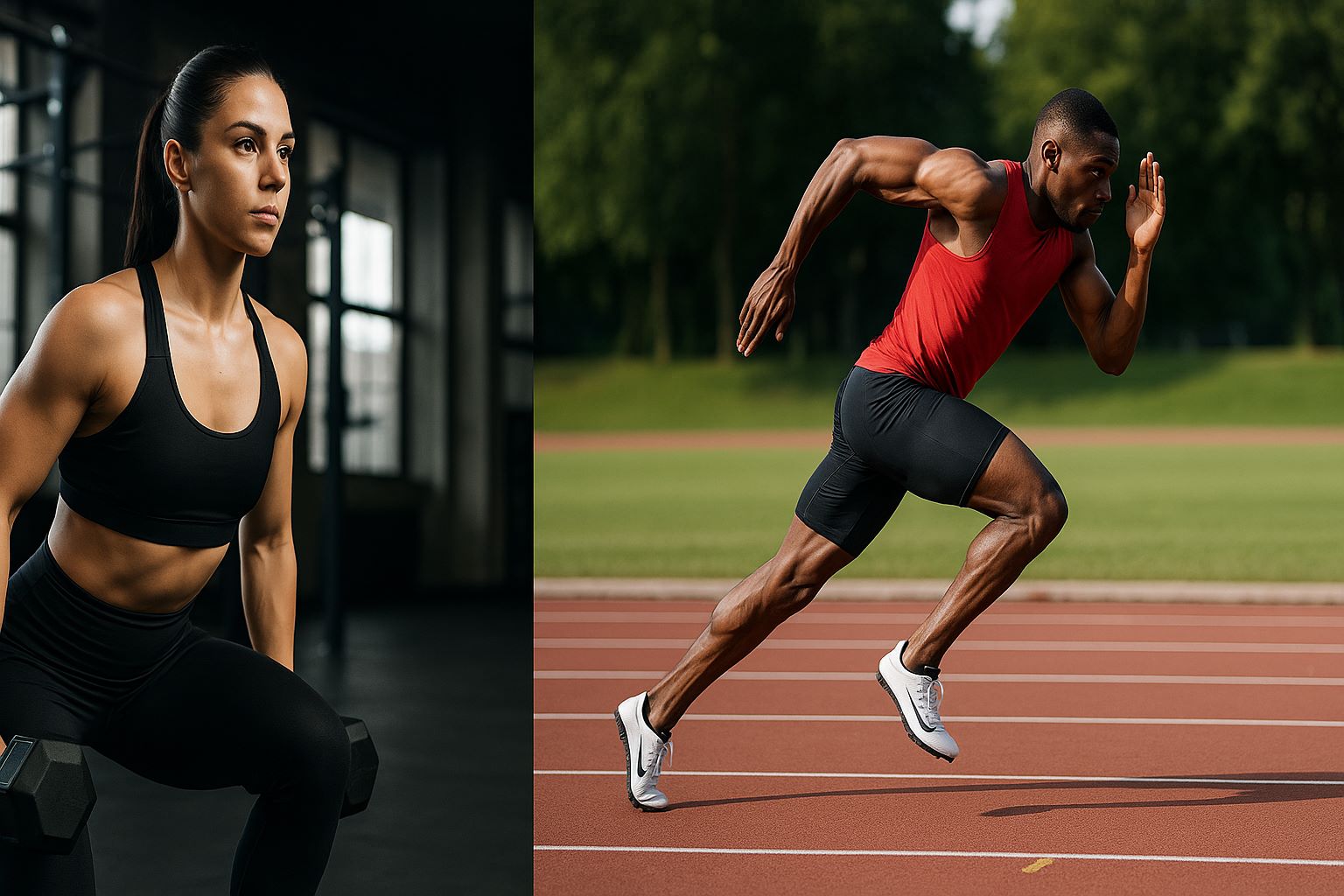
Behind every great athlete lies one essential element — fitness training. While talent and skill are crucial, it’s consistent, targeted physical conditioning that separates good athletes from great ones. Whether it’s strength, speed, endurance, or flexibility, fitness training provides the physical foundation that allows athletes to perform at their peak and stay ahead of the competition.
Thank you for reading this post, don't forget to subscribe!In the modern world of sports, fitness training has evolved far beyond traditional workouts. It now combines science, technology, and psychology to help athletes reach optimal performance levels while minimizing injury risks. In this guide, we’ll explore how fitness training enhances athletic performance, the key components involved, and how athletes at every level can build a winning training strategy.
1. Understanding the Connection Between Fitness and Performance
Fitness training isn’t just about building muscle or losing weight — it’s about preparing the body to perform efficiently under physical and mental stress. In sports, every movement — from sprinting and jumping to tackling or swinging — requires a combination of power, endurance, coordination, and control.
Key Benefits of Fitness Training for Athletes:
- Improved Strength and Power: Stronger muscles allow athletes to perform explosive movements with greater force.
- Enhanced Speed and Agility: Training boosts neuromuscular coordination, allowing faster reactions and smoother transitions.
- Better Endurance: Aerobic conditioning increases stamina, helping athletes maintain performance throughout the game.
- Reduced Injury Risk: Balanced training strengthens joints, tendons, and stabilizing muscles, preventing common injuries.
- Faster Recovery: A fit body recovers more quickly between sessions, allowing consistent training and competition readiness.
Fitness training is not a “one-size-fits-all” process — it’s a personalized approach designed to meet the unique demands of each sport and athlete.
2. The Core Components of Athletic Fitness Training
An effective fitness training program is built around several key pillars. Each plays a unique role in developing a complete athlete capable of performing at their highest potential.
A. Strength Training
Strength training develops muscle power, stability, and endurance. It enhances performance across nearly all sports — from sprinting to swimming and basketball.
- Benefits: Increases power output, improves balance, and enhances resilience against injuries.
- Best Practices: Focus on compound movements such as squats, deadlifts, and bench presses. Include sport-specific exercises that mimic game movements.
- Pro Tip: Strength training should be progressive — gradually increasing resistance ensures steady gains without overtraining.
B. Endurance and Cardiovascular Training
Endurance allows athletes to sustain performance for extended periods without fatigue. This is especially critical in sports like soccer, tennis, or long-distance running.
- Aerobic Training: Improves oxygen delivery to muscles (e.g., long runs, cycling, swimming).
- Anaerobic Training: Builds tolerance for high-intensity bursts (e.g., sprints, interval training).
- Goal: Balance both systems — aerobic for stamina, anaerobic for short, explosive power.
C. Speed and Agility Training
Speed and agility are essential in almost every sport, helping athletes move efficiently and react quickly to dynamic situations.
- Speed Drills: Sprints, resisted runs, and plyometric exercises.
- Agility Drills: Cone drills, ladder drills, and direction-change exercises.
- Key Focus: Develop both linear speed and multidirectional agility for game-realistic performance.
D. Flexibility and Mobility
Flexibility ensures the body moves smoothly through its full range of motion, reducing injury risk and improving coordination.
- Dynamic Stretching: Best before workouts to activate muscles.
- Static Stretching: Ideal post-training to relax and lengthen muscles.
- Mobility Work: Includes foam rolling, yoga, and functional movement patterns to maintain joint health.
A flexible athlete moves more efficiently and recovers faster after intense training.
E. Balance and Core Stability
The core — encompassing the abdomen, hips, and lower back — is the powerhouse of the body. Core training improves stability, posture, and overall coordination.
- Exercises: Planks, Russian twists, stability ball workouts, and Pilates.
- Benefits: Enhances balance, prevents lower back injuries, and supports powerful movements in every sport.
3. The Role of Sports-Specific Fitness Training
Every sport places different demands on the body. A football player needs explosive strength and endurance, while a gymnast relies on flexibility and balance. That’s why sports-specific training is vital — it tailors exercises to replicate the physical and technical challenges of a particular sport.
Examples:
- Basketball players: Emphasize vertical jump training, sprinting, and core stability.
- Swimmers: Focus on shoulder strength, flexibility, and breath control.
- Sprinters: Prioritize leg power, acceleration drills, and start mechanics.
- Tennis players: Develop rotational strength, hand-eye coordination, and agility drills.
Customizing workouts ensures athletes build functional strength — the kind that directly improves in-game performance.
4. The Importance of Recovery in Fitness Training
Elite athletes understand that training isn’t just about pushing harder — it’s also about recovery. Muscles grow and adapt during rest, not while exercising.
A. Rest and Sleep
Sleep is the ultimate recovery tool. It promotes muscle repair, hormone balance, and mental focus. Aim for 7–9 hours per night, especially during intense training periods.
B. Active Recovery
Light activities like stretching, swimming, or yoga improve circulation and reduce muscle stiffness between sessions.
C. Nutrition for Recovery
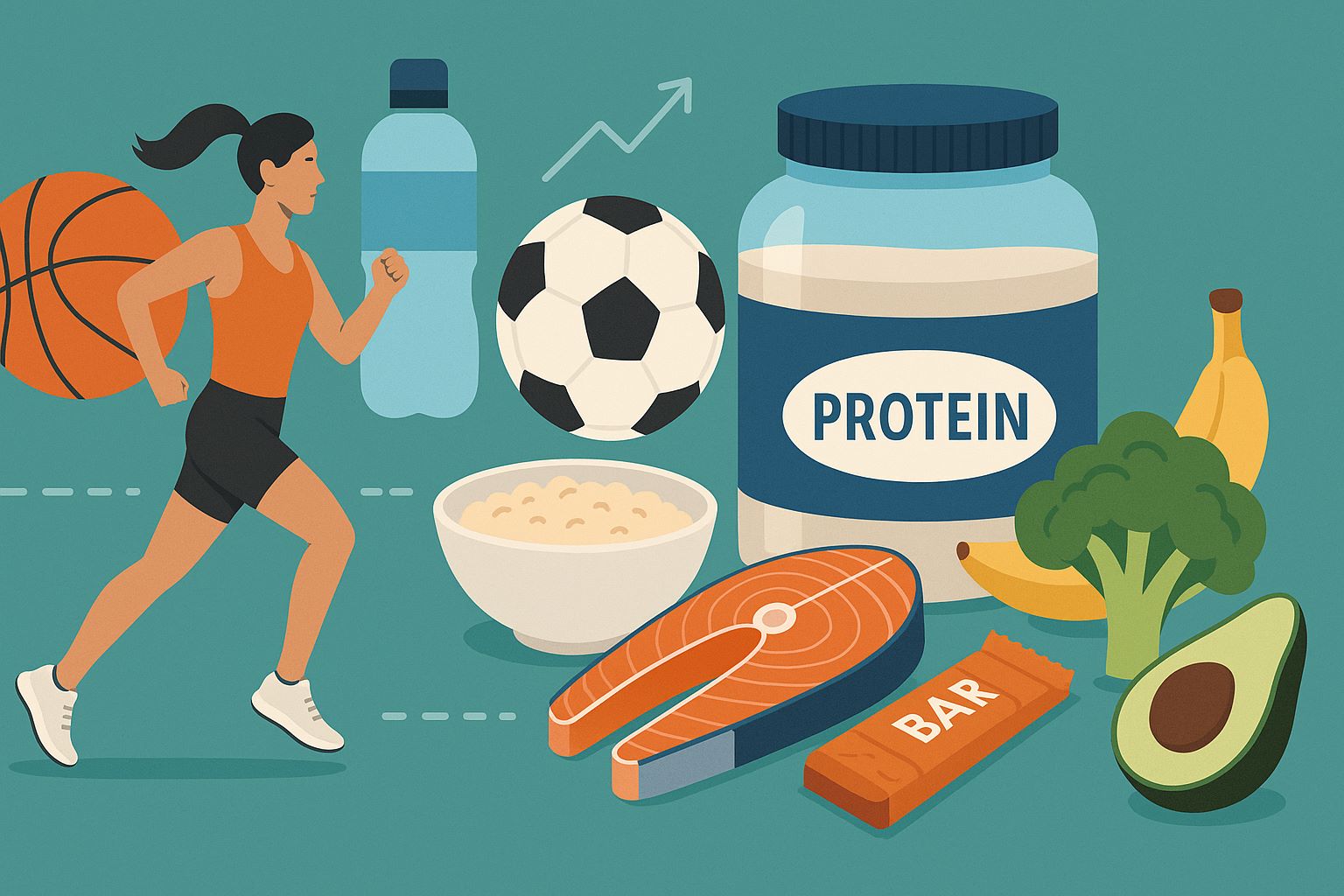
Post-workout meals rich in protein and carbohydrates replenish energy stores and repair tissue. Hydration and electrolytes are equally important for maintaining performance levels.
D. Periodization
Professional coaches use a system called periodization — alternating training intensity, volume, and rest over time. This approach prevents burnout and ensures peak performance during competitions.
5. The Mental Side of Fitness Training
Athletic performance isn’t just physical — it’s also mental. Fitness training helps build psychological resilience, confidence, and focus.
- Discipline and Motivation: Consistent training routines teach self-control and goal-setting.
- Stress Management: Exercise reduces anxiety and increases endorphins, helping athletes stay positive.
- Focus and Visualization: Mind-body training methods like meditation and visualization improve concentration and competitive readiness.
Mentally tough athletes recover faster from setbacks and stay committed to long-term goals, even under pressure.
6. The Role of Technology in Modern Fitness Training
Technology has revolutionized athletic training, providing deeper insights into performance and recovery.
Wearable Devices
Smartwatches, heart rate monitors, and GPS trackers measure speed, distance, heart rate, and fatigue levels in real time.
Performance Analytics
Coaches now use software to track training data, identify weaknesses, and adjust workouts for maximum efficiency.
Virtual Coaching and AI Tools
Online platforms and AI-driven apps help athletes get personalized training programs, feedback, and injury prevention strategies — accessible anywhere, anytime.
These tools allow athletes to train smarter, not just harder, by understanding their bodies better.
7. Injury Prevention Through Fitness Training
One of the most overlooked roles of fitness training is injury prevention. Strong, flexible, and balanced muscles are less likely to strain, tear, or overextend.
How Fitness Training Prevents Injuries:
- Builds muscle support around joints
- Improves posture and alignment
- Enhances proprioception (body awareness)
- Promotes balanced muscle development
Regular conditioning and stretching reduce the risk of common sports injuries like hamstring pulls, ligament tears, and joint strains.
8. How to Create a Balanced Training Program
A successful athlete follows a well-rounded plan that covers all aspects of fitness. Here’s a sample structure:
| Training Element | Frequency | Purpose |
| Strength Training | 2–4 times/week | Build power and muscle endurance |
| Cardiovascular Training | 3–5 times/week | Enhance stamina and recovery |
| Flexibility & Mobility | Daily | Prevent injury and improve movement |
| Skill Practice | 3–6 times/week | Sharpen sport-specific abilities |
| Rest/Recovery | 1–2 days/week | Allow repair and adaptation |
Balancing intensity with rest ensures steady progress and peak performance when it matters most.
9. The Long-Term Impact of Fitness Training
Consistent fitness training doesn’t just help athletes win medals — it builds lifelong health. Benefits include:
- Stronger bones and joints
- Better heart health and metabolism
- Improved focus and mental clarity
- Slower aging and faster recovery
Athletes who train smart enjoy longer careers, fewer injuries, and a higher quality of life even after retirement.
Conclusion: Train Smarter, Perform Stronger
Fitness training is the heartbeat of athletic success. It transforms raw potential into refined performance — powering faster sprints, stronger strikes, and longer endurance.
But great training isn’t about how hard you push; it’s about how intelligently you prepare. Combining strength, endurance, flexibility, and recovery creates a complete athlete ready to perform at their best.
Whether you’re chasing a personal record or a professional title, remember: success in sports begins long before game day — it starts with the dedication you bring to every training session.