Introduction: Redefining Beauty Standards
For decades, the fashion industry has often promoted a narrow idea of beauty — tall, slim, and flawless. But times are changing. The rise of the body positivity movement has transformed how people perceive themselves and how brands design, advertise, and celebrate fashion. Today, fashion is for every body, regardless of size, shape, age, or ability.
Thank you for reading this post, don't forget to subscribe!Embracing body positivity in fashion isn’t just about what you wear — it’s about how you feel in your clothes. It’s about confidence, comfort, and self-expression. The idea is simple yet powerful: fashion should celebrate diversity, not dictate conformity.
The Evolution of Body Positivity in Fashion
The body positivity movement began as a social campaign to challenge unrealistic beauty ideals and promote self-acceptance. Over time, this movement gained momentum across industries — but its impact on fashion has been truly revolutionary.
From Exclusion to Inclusion
In the past, fashion runways and magazines mostly featured one body type. Curvy, plus-size, or differently-abled individuals rarely saw themselves represented in fashion media. However, in the last decade, the conversation has shifted dramatically.
Today, major brands and designers are increasingly prioritizing inclusivity. Fashion weeks around the world — from New York to Paris — are showcasing models of all sizes, ethnicities, and abilities. Celebrities and influencers like Ashley Graham, Lizzo, and Paloma Elsesser have become powerful voices advocating for self-love and authentic representation.
The industry is learning that beauty doesn’t come in one size — it’s as diverse as the people who wear the clothes.
Why Body Positivity in Fashion Matters
The importance of inclusive fashion goes beyond aesthetics. It has deep psychological and cultural implications.
- Boosts Self-Confidence
When people see models who look like them, it reinforces a sense of belonging. It reminds them that they, too, are beautiful and deserving of self-expression through fashion. - Promotes Mental Wellbeing
Body-shaming and unrealistic standards can lead to low self-esteem and anxiety. By embracing body positivity, fashion helps people feel comfortable in their own skin, reducing comparison and promoting self-acceptance. - Encourages Diversity and Representation
Representation matters. Seeing different body types, skin tones, and abilities in fashion normalizes diversity, encouraging inclusivity across society. - Empowers the Consumer
Body-positive fashion shifts the focus from “fitting into clothes” to “finding clothes that fit you.” It’s about empowerment, not restriction.
Building a Body-Positive Wardrobe
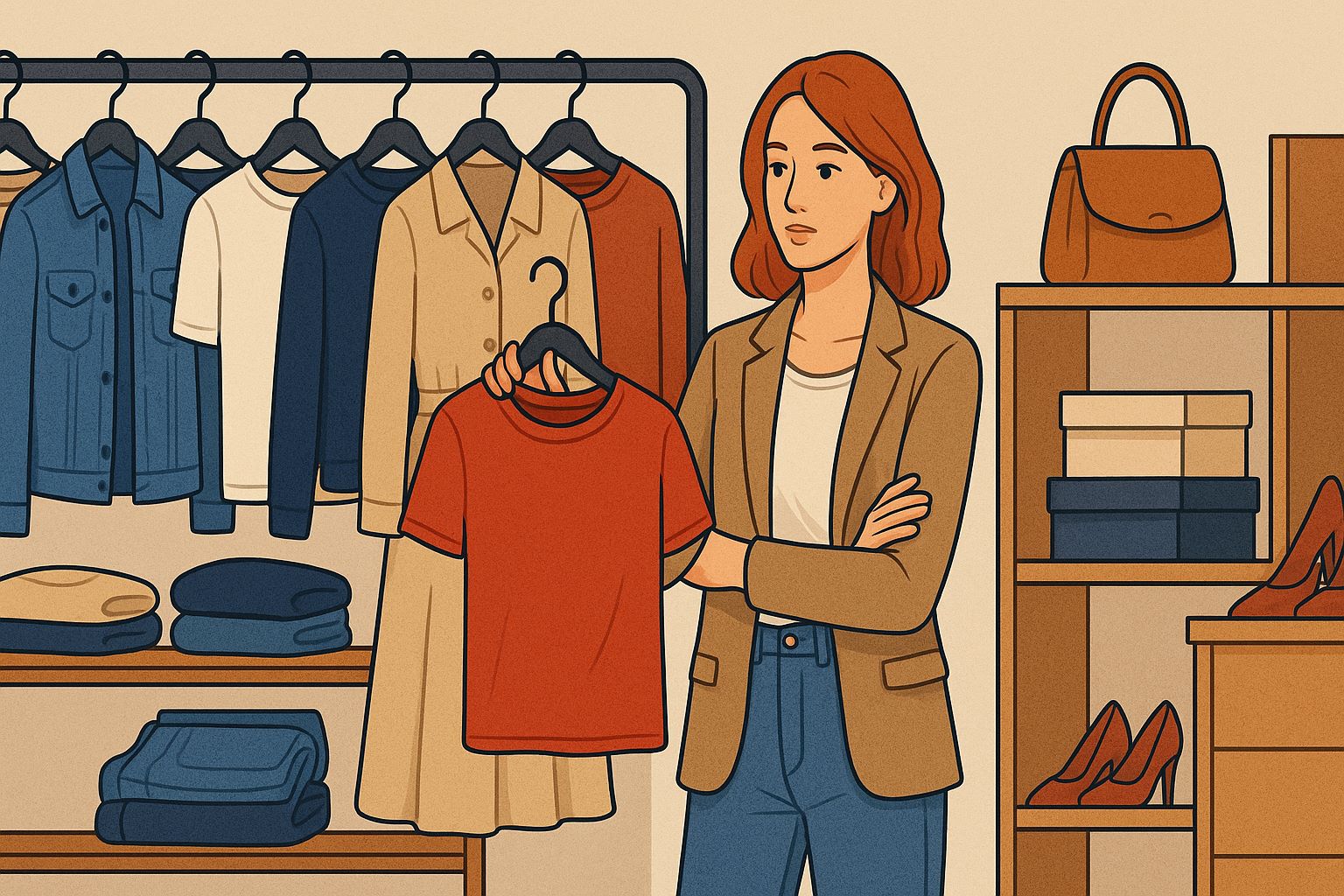
Embracing body positivity starts with how you shop, style, and wear your clothes. Here’s how to create a wardrobe that celebrates your body instead of hiding it:
1. Know Your Body Shape — But Don’t Be Limited by It
Understanding your body type (pear, apple, rectangle, hourglass, etc.) can help you find flattering fits. However, don’t let these “rules” restrict you. Experiment with different cuts and silhouettes to find what makes you feel confident.
2. Prioritize Comfort
Fashion isn’t supposed to hurt. If an outfit feels restrictive, itchy, or uncomfortable, it’s not for you — no matter how trendy it is. Choose fabrics that breathe, move, and make you feel at ease.
3. Celebrate, Don’t Hide
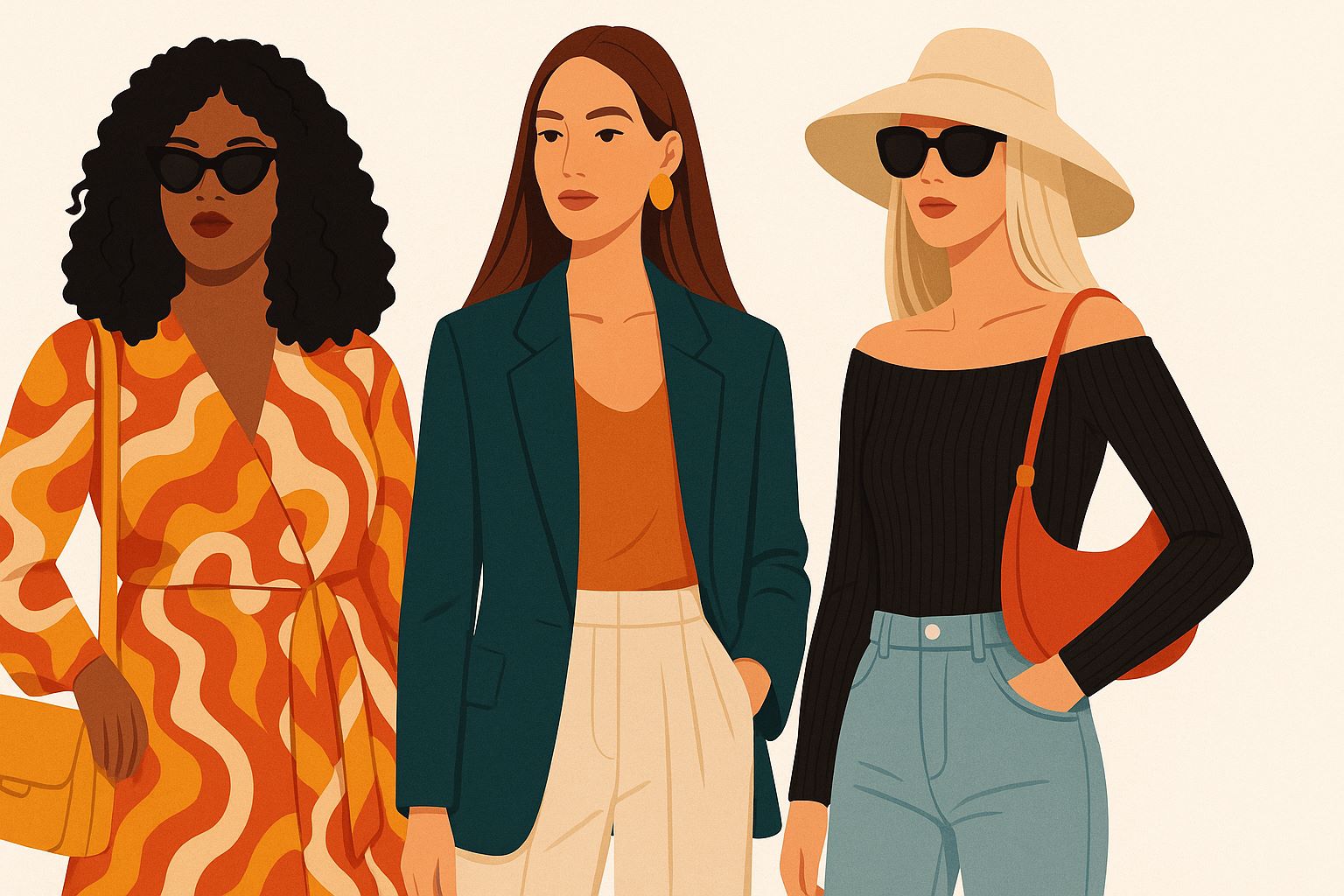
Body-positive fashion encourages highlighting your favorite features instead of concealing what you don’t like. Love your shoulders? Go off-shoulder. Proud of your legs? Try a slit dress. Confidence is your best accessory.
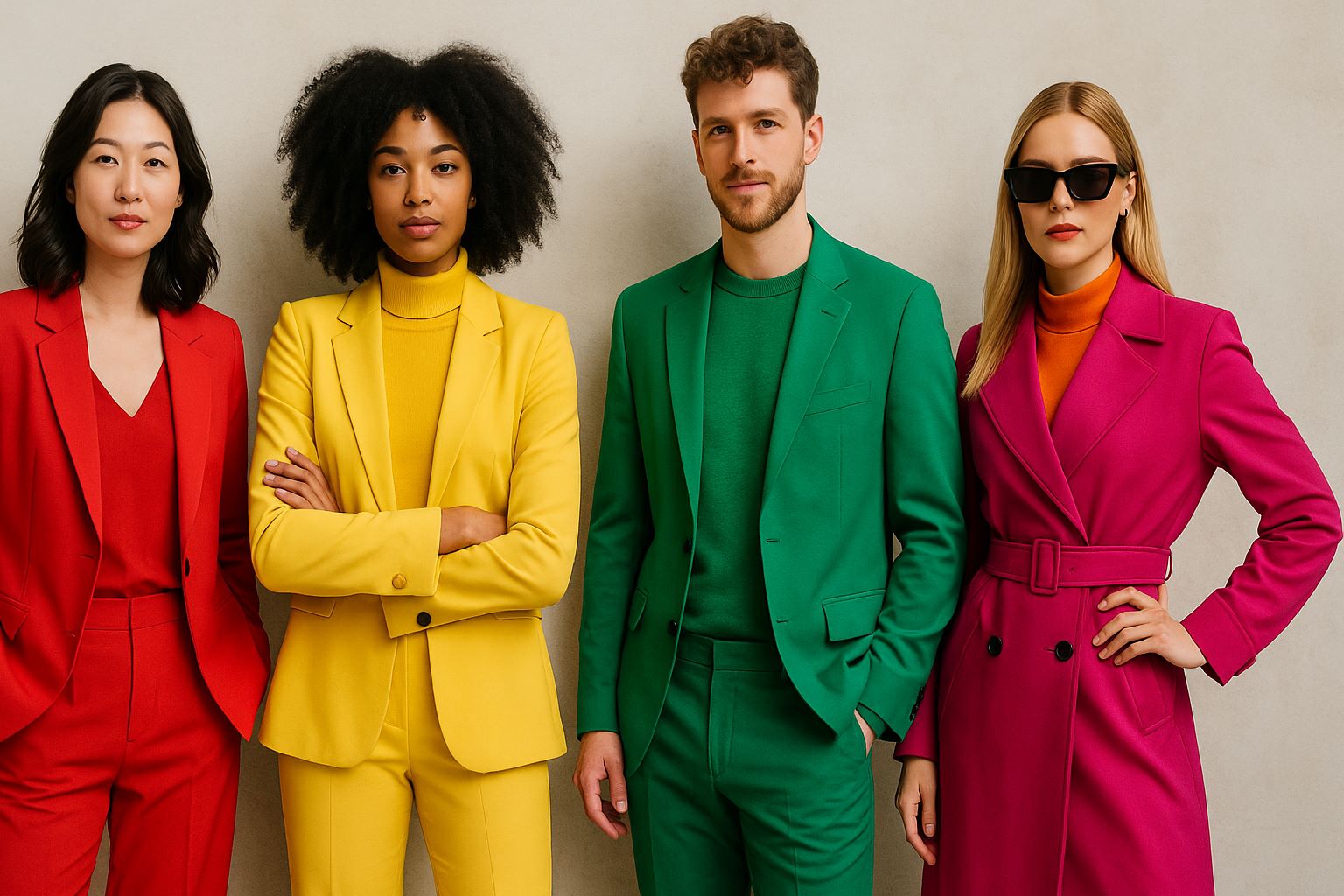
4. Play with Colors and Prints
Many people avoid bold prints or bright colors, fearing they’ll “stand out too much.” But fashion is meant to be fun! Patterns, textures, and colors can express your personality and uplift your mood.
5. Find Brands That Support Inclusivity
Support fashion labels that prioritize size diversity and authentic representation. Brands like Savage X Fenty, Universal Standard, Aerie, and Girlfriend Collective have been praised for offering wide size ranges and featuring real, unretouched models.
The Role of Plus-Size Fashion in Body Positivity
The growth of plus-size fashion has been one of the most powerful changes in the industry. Plus-size consumers now have access to stylish, well-fitting, and high-quality clothing options that once didn’t exist.
What was once a niche market has become a global movement worth billions. Designers and retailers are realizing that style has no size limit. From chic dresses to tailored suits, plus-size fashion empowers individuals to express themselves fully and fearlessly.
The best part? The plus-size movement doesn’t just benefit one group — it expands fashion’s inclusivity for everyone.
How Social Media Is Shaping Body-Positive Fashion
Social media has played a huge role in democratizing fashion. Platforms like Instagram, TikTok, and Pinterest have become powerful spaces for self-expression and inclusivity.
Influencers and content creators now represent every body type, skin tone, and gender identity — creating communities built on empowerment rather than comparison. Hashtags like #BodyPositivity, #EveryBodyIsBeautiful, and #SelfLove celebrate authenticity over perfection.
These digital movements push brands to be more accountable and transparent in their representation — leading to campaigns that feature real people with real bodies.
The Rise of Adaptive and Inclusive Design
Body positivity also extends to people with disabilities or unique physical needs. The growth of adaptive fashion — clothing designed with accessibility in mind — marks a new era of inclusivity.
Brands like Tommy Hilfiger Adaptive and IZ Adaptive create clothes that are functional, fashionable, and easy to wear for individuals with mobility challenges. Magnetic buttons, flexible fabrics, and adjustable fits are small innovations that make a big difference.
This shift proves that fashion inclusivity isn’t just about size — it’s about recognizing and celebrating all kinds of bodies.
Fashion Media and the Representation Revolution
For years, magazines and advertising campaigns relied heavily on airbrushing and unrealistic portrayals of beauty. But now, audiences crave authenticity. Publications like Vogue, Elle, and Glamour have started featuring diverse cover stars who embody the real essence of body positivity.
Campaigns such as Dove’s Real Beauty and Aerie’s #AerieREAL have further proven that genuine representation resonates more deeply than perfection. When media platforms highlight imperfections as normal, they redefine what it means to be beautiful.
Tips for Embracing Body Positivity Every Day
- Stop Comparing Yourself to Others – Everyone’s body is unique. Comparison steals joy and confidence.
- Wear What Makes You Happy – Fashion is self-expression, not a competition.
- Surround Yourself with Positivity – Follow brands, influencers, and creators who uplift, not shame.
- Focus on Fit, Not Size – Clothing tags don’t define you — confidence does.
- Celebrate Small Wins – Every time you choose comfort and confidence over insecurity, you grow stronger.
Conclusion: Fashion That Fits the Soul
Fashion is no longer about conforming to unrealistic ideals. It’s about embracing individuality and celebrating every shape and size. The body positivity movement has reminded the world that confidence is the true measure of beauty — and that everyone deserves to feel stylish, empowered, and seen.
So, the next time you look in the mirror, remember this:
You don’t need to change your body for fashion — fashion should adapt to you.