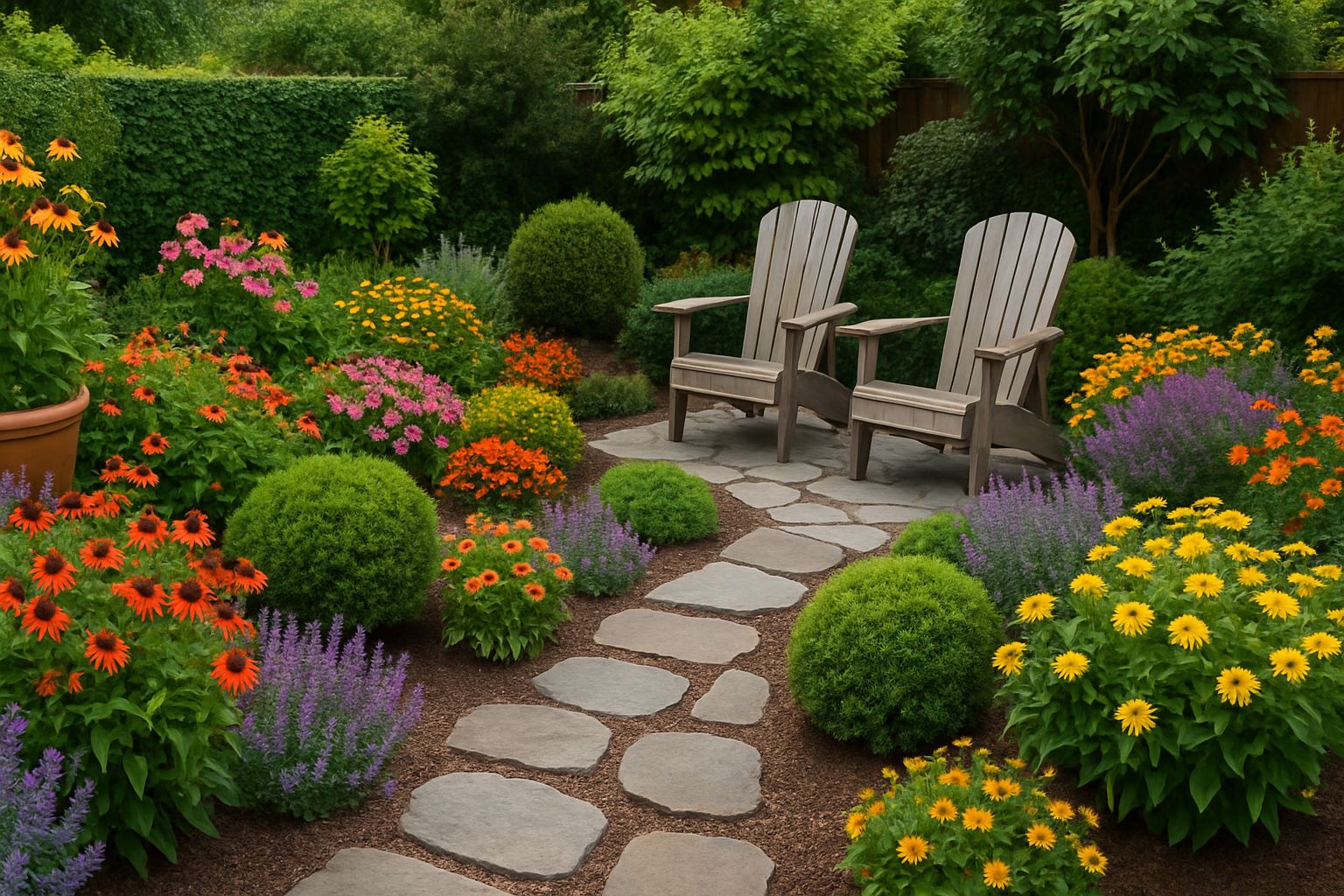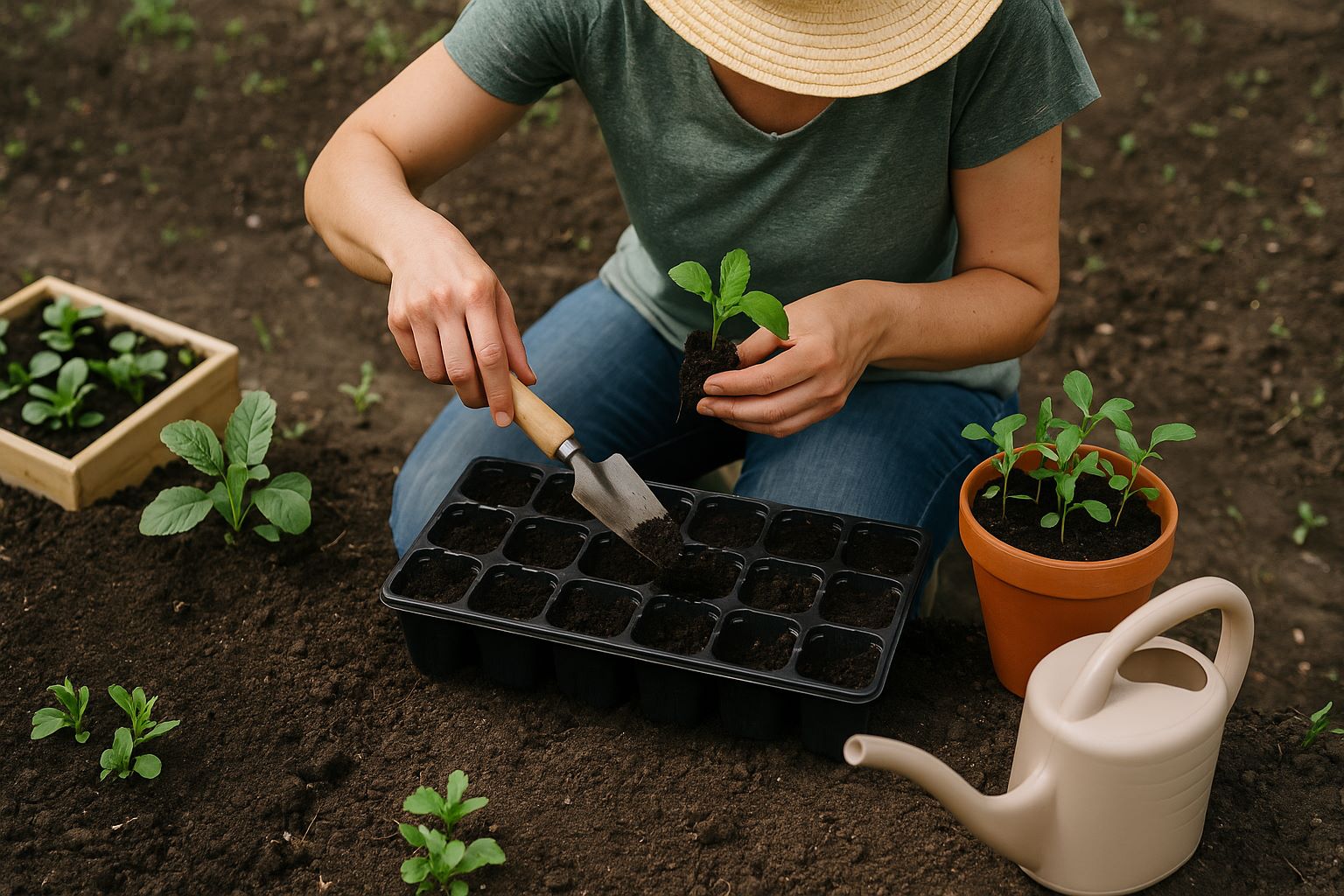
Starting a garden can feel overwhelming at first, especially if you’ve never grown a plant before. But here’s the truth — gardening doesn’t require a green thumb. With a little patience, basic knowledge, and proper care, anyone can grow a thriving garden. Whether you have a backyard, a balcony, or even just a few pots on your windowsill, this beginner’s guide will help you take the first confident steps toward creating your own green oasis.
Thank you for reading this post, don't forget to subscribe!Why Start Gardening?
Before diving into the “how,” let’s talk about the “why.” Gardening isn’t just about growing plants — it’s about nurturing life. It offers countless benefits such as:
- Physical Health: Gardening helps you stay active, burn calories, and improve flexibility.
- Mental Well-Being: Spending time around plants reduces stress and anxiety.
- Sustainability: Growing your own herbs, fruits, and vegetables reduces your carbon footprint.
- Cost Savings: Homegrown produce costs less and tastes fresher than store-bought options.
In short, gardening is good for the mind, body, and planet — and that’s reason enough to get started.
Step 1: Choose the Right Location
Location is everything in gardening. Before you buy seeds or plants, identify the best spot for your garden.
1. Sunlight
Most plants need at least 6 hours of sunlight per day. Observe your space — where does the sun hit longest? That’s where your plants will thrive.
2. Access to Water
Choose a spot close to a water source. You’ll be watering your plants often, and convenience matters more than you think.
3. Soil Quality
Healthy soil is the foundation of healthy plants. Avoid compacted or rocky areas, and look for soil that’s rich and crumbly.
If you live in an apartment or have limited space, container gardening or vertical gardening can be excellent alternatives.
Step 2: Understand Your Soil
Soil health plays a crucial role in gardening success. Good soil provides plants with nutrients, air, and water.
Test Your Soil
A simple soil test kit (available at garden stores or online) will tell you the pH level and nutrient balance. Most plants prefer slightly acidic to neutral soil (pH 6–7).
Improve the Soil
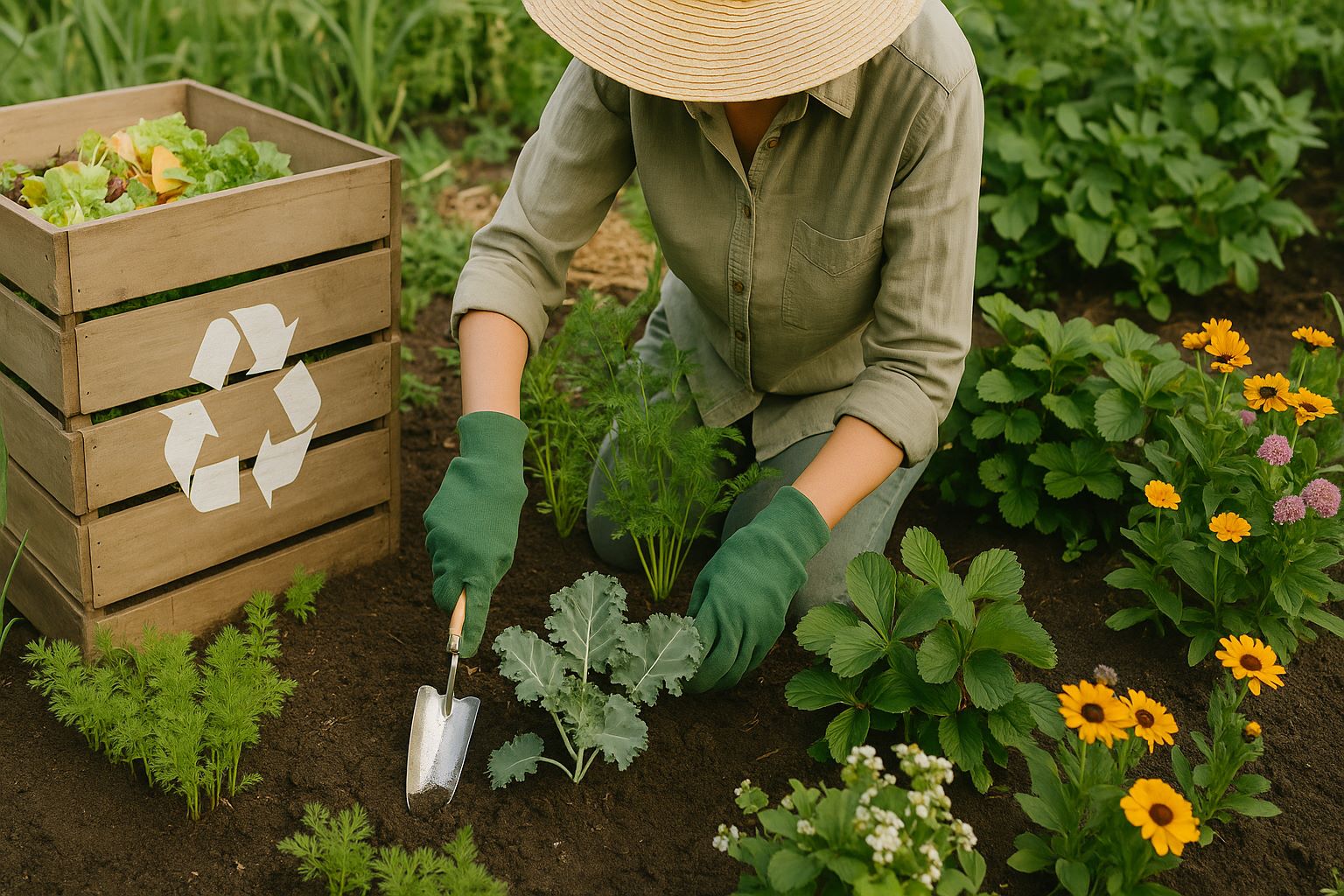
If your soil isn’t ideal, don’t worry — you can amend it. Add organic compost, aged manure, or peat moss to improve texture and fertility. Composting is one of the easiest and most sustainable ways to enrich your garden naturally.
Step 3: Choose the Right Plants
For beginners, start small and choose easy-to-grow plants. Select varieties suited to your climate and available sunlight.
Best Plants for Beginners
Here are some forgiving plants that grow well in most regions:
Vegetables:
- Tomatoes
- Lettuce
- Carrots
- Radishes
- Peppers
Herbs:
- Basil
- Mint
- Parsley
- Chives
- Rosemary
Flowers:
- Marigolds
- Zinnias
- Sunflowers
- Petunias
These plants are hardy, require minimal care, and provide quick results — which helps you stay motivated as a beginner.
Step 4: Planting the Seeds or Seedlings
Once you’ve selected your plants, it’s time to get them into the soil.
1. Read the Seed Packet
Seed packets provide essential details such as planting depth, spacing, and germination time. Follow those instructions closely for best results.
2. Prepare the Soil Bed
Loosen the soil using a garden fork or trowel. Mix in compost to give your plants a nutrient boost.
3. Plant Carefully
- Seeds: Plant them at the depth mentioned on the packet. Usually, that’s about twice the size of the seed.
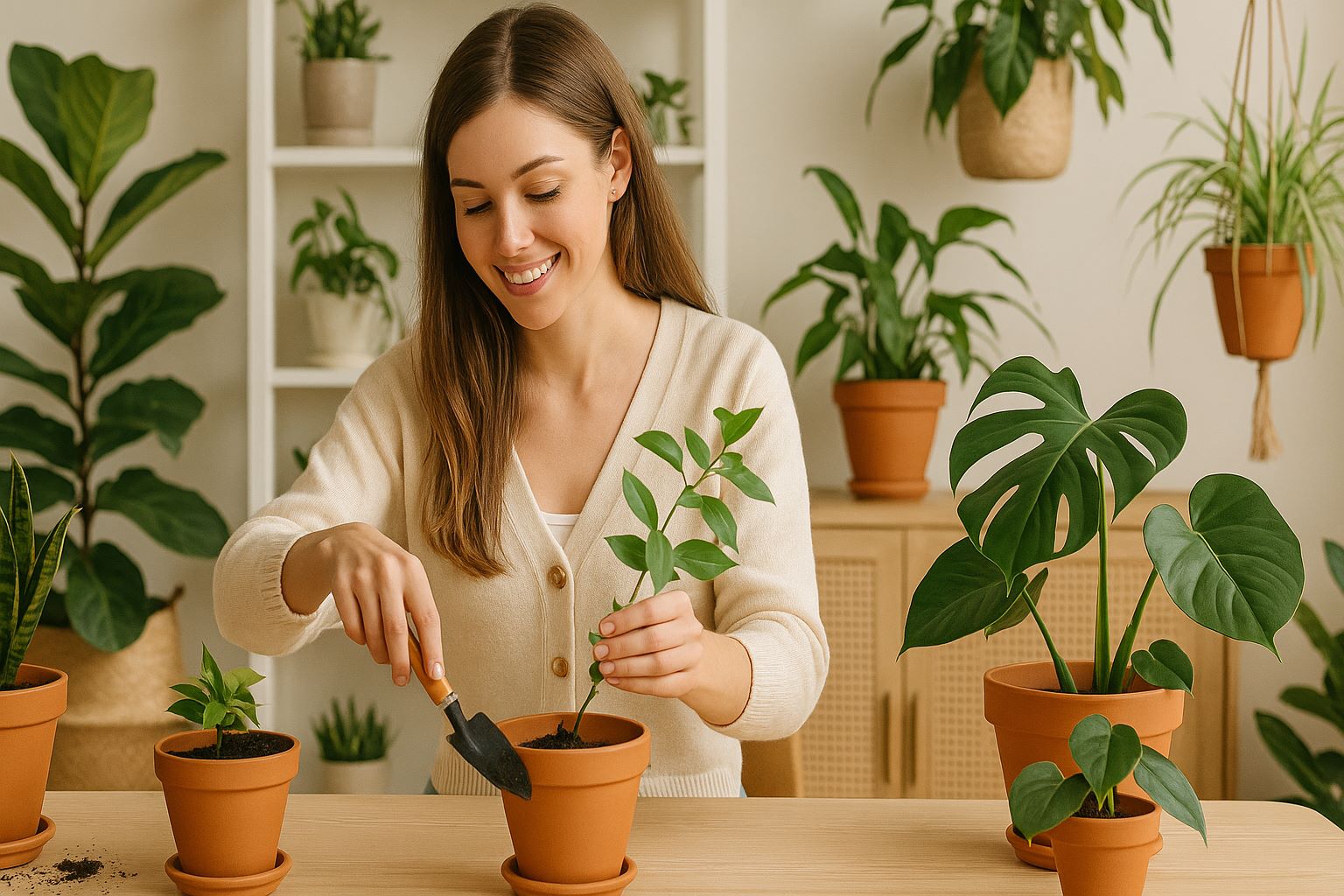
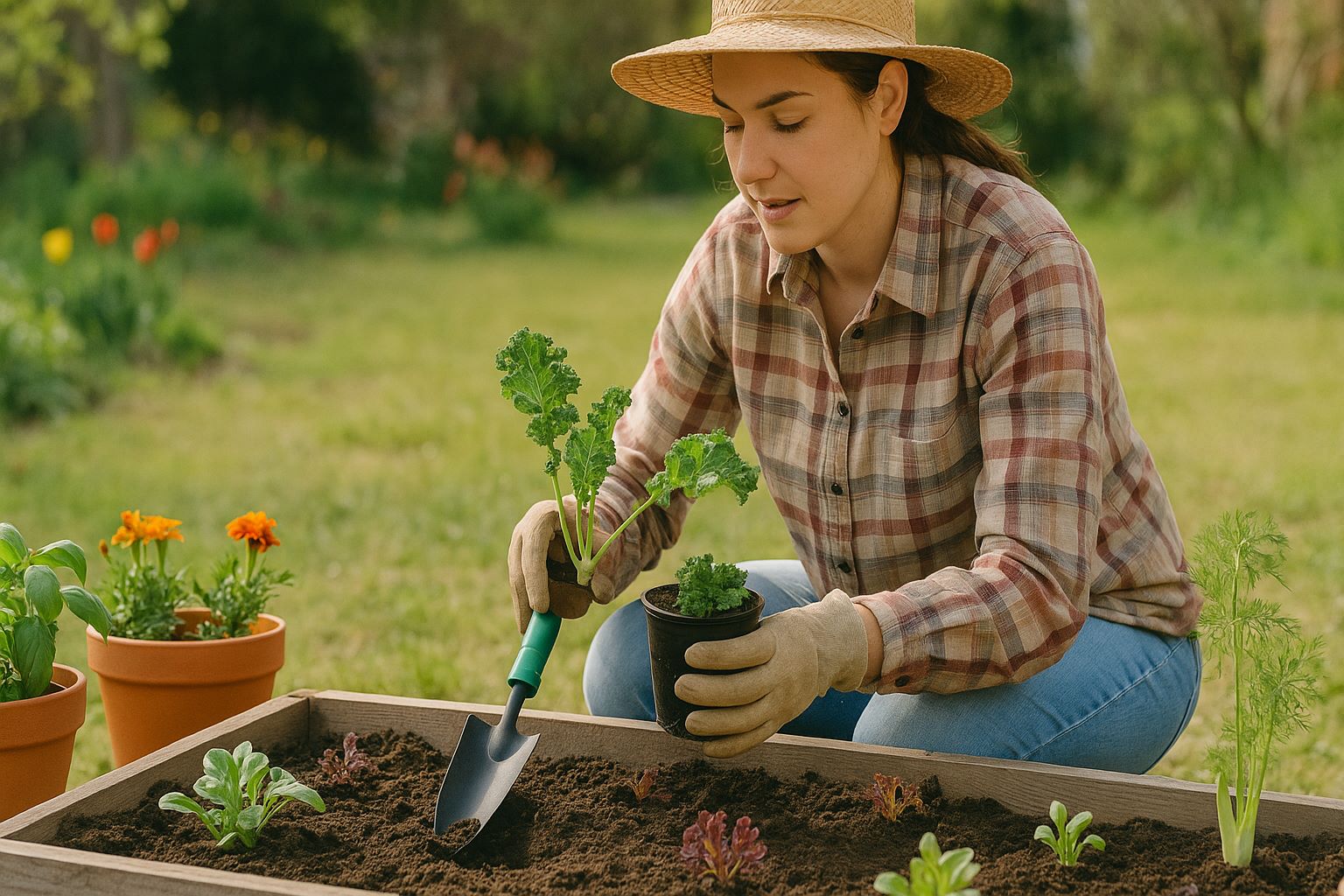
- Seedlings: Dig a small hole large enough for the roots and gently cover them with soil.
4. Water Gently
After planting, give your seeds or seedlings a good watering — but don’t overdo it. Keep the soil moist, not soggy.
Step 5: Watering and Feeding
Watering seems simple, but it’s often where beginners make mistakes. Too much or too little water can kill your plants.
Watering Tips:
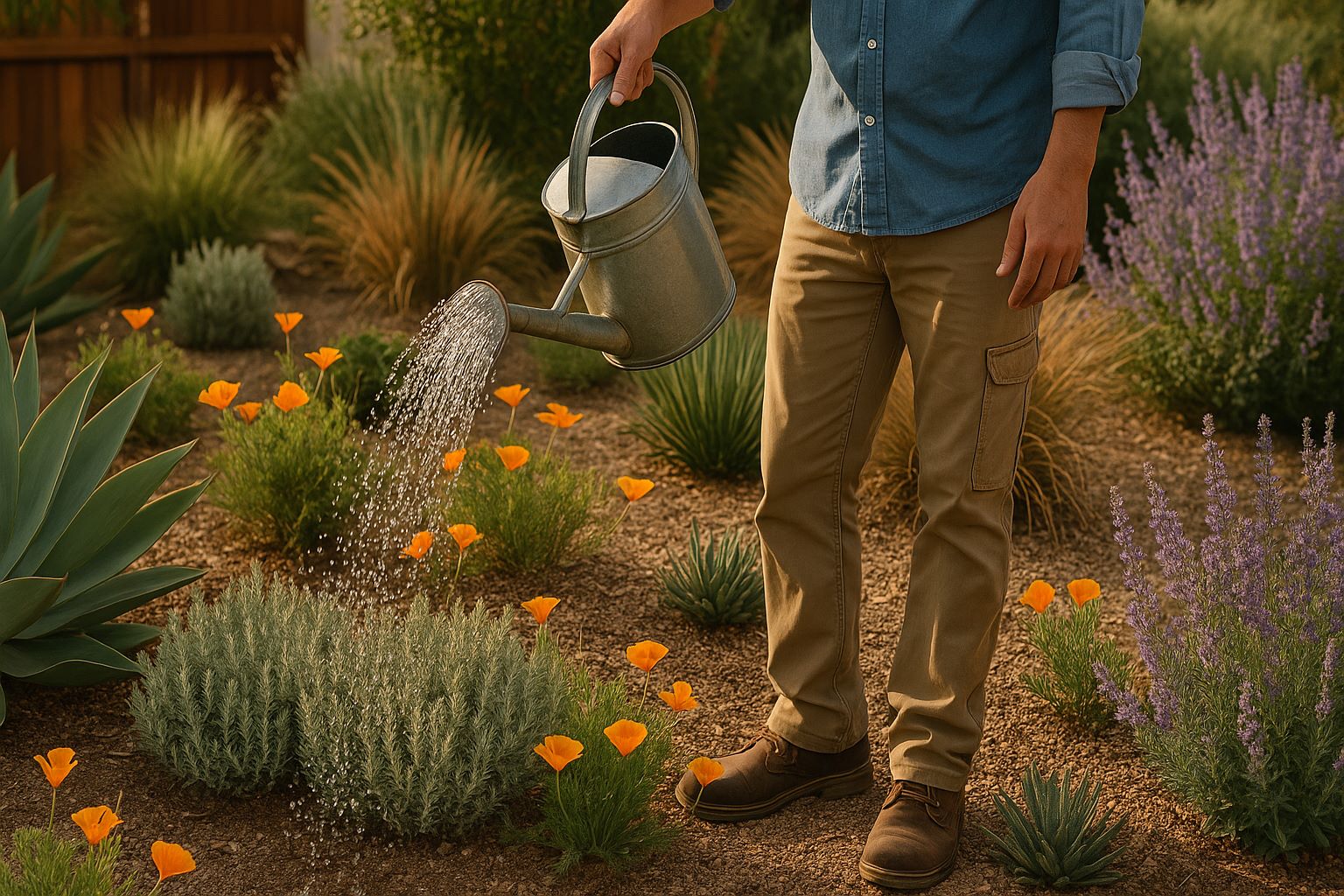
- Water deeply but less often — it encourages roots to grow strong.
- Water in the early morning or late evening to reduce evaporation.
- Use a watering can or drip irrigation system for gentle, even watering.
Fertilizing:
Plants need nutrients to grow. Organic fertilizers like compost tea, worm castings, or fish emulsion are great choices. Feed your plants every few weeks during the growing season, but avoid over-fertilizing — it can burn the roots.
Step 6: Protect Your Plants
Even the healthiest plants can face threats from pests and diseases.
Common Pests:
- Aphids
- Caterpillars
- Whiteflies
- Slugs
Natural Pest Control Tips:
- Introduce beneficial insects like ladybugs.
- Spray plants with neem oil or a mild soap-water solution.
- Remove dead leaves and weeds regularly to prevent infestations.
Healthy plants are less likely to attract pests, so focus on maintaining good soil and proper watering habits.
Step 7: Regular Maintenance
A garden isn’t a “plant it and forget it” project — it’s a living space that needs ongoing care.
Tasks to Include in Your Routine:
- Weeding: Remove weeds weekly so they don’t compete for nutrients.
- Pruning: Trim dead or overgrown branches to encourage new growth.
- Mulching: Apply organic mulch (like straw or wood chips) to retain moisture and regulate soil temperature.
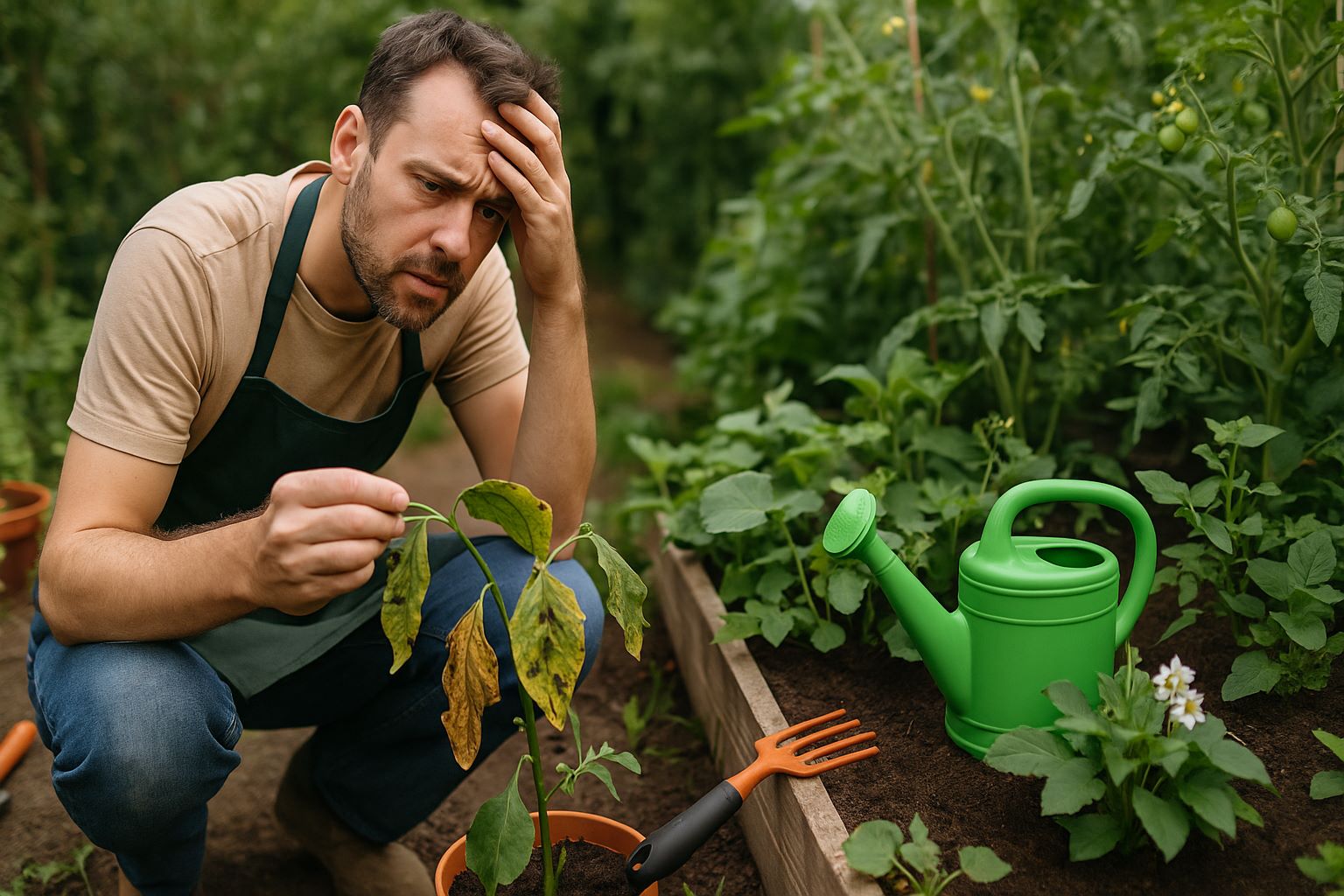
- Observation: Check for signs of stress — yellowing leaves, wilting, or insect damage.
A few minutes of daily attention can make a huge difference.
Step 8: Harvesting Your Crops
Harvesting is one of the most rewarding parts of gardening. Timing is key — harvest vegetables and herbs when they are mature but still tender. For example:
- Pick tomatoes when they are fully colored but firm.
- Harvest lettuce leaves before they get too large and bitter.
- Snip herbs regularly to encourage more growth.
Use clean scissors or pruners to avoid damaging the plant.
Step 9: Learn and Experiment
Gardening is a continuous learning process. You’ll make mistakes — every gardener does. Keep a simple garden journal to record what works and what doesn’t. Note planting dates, watering habits, and weather conditions.
Experiment with different plant varieties, fertilizers, and layouts. Over time, you’ll discover what thrives best in your environment.
Step 10: Enjoy the Process
Remember — gardening is not just about the results; it’s about the experience. Watching your plants grow, bloom, and bear fruit brings a sense of accomplishment that’s hard to match. Whether it’s the joy of harvesting your first tomato or simply enjoying the greenery outside your window, gardening connects you with nature in the most fulfilling way.
Final Thoughts
Starting a garden might seem intimidating, but it’s one of the most rewarding hobbies you can develop. Begin small, stay consistent, and celebrate each milestone — even the tiny ones. Over time, you’ll build confidence and skills that will turn your small patch of soil into a thriving ecosystem.
Remember this golden rule: the best time to start gardening was yesterday — the next best time is today.
So grab your gloves, dig in the dirt, and let nature do its magic. 🌱
✅ SEO Keywords (for optimization):
beginner gardening tips, how to start a garden, easy plants for beginners, home gardening guide, organic gardening, plant care basics, gardening for beginners