Have you ever watched a movie and wondered how it all came together — the dialogue, the visuals, the emotions, and the magic that unfolds on screen? While audiences see the final masterpiece, the real story happens behind the scenes. The journey from a simple idea to a finished film is a fascinating, multi-layered process involving creativity, teamwork, and technology.
Thank you for reading this post, don't forget to subscribe!In this article, we’ll take a deep dive into how movies are made from script to screen, exploring every stage — from the birth of an idea to the cinematic spectacle that lights up theaters and streaming platforms worldwide.
1. The Birth of an Idea: Where Every Movie Begins
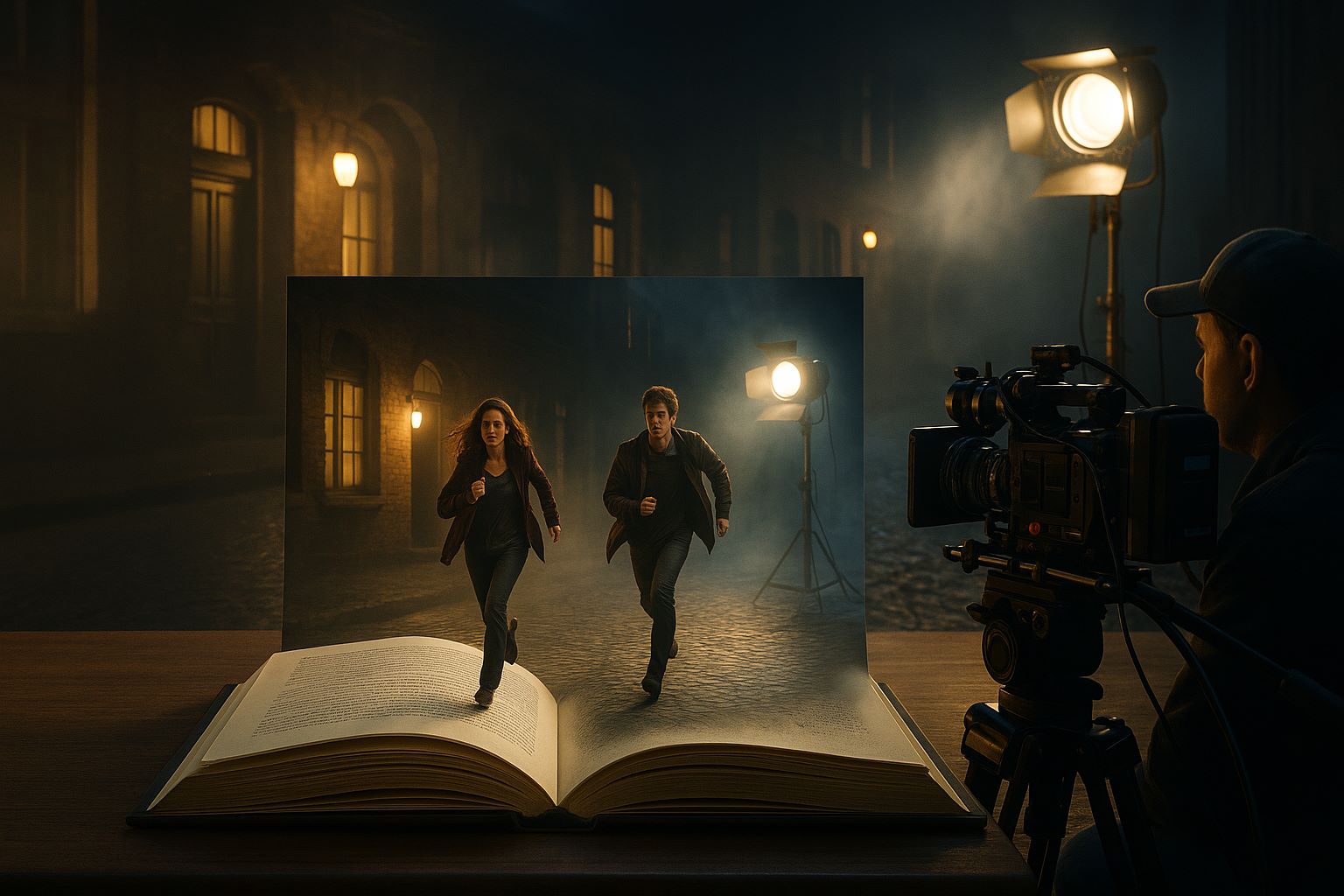
Every great film starts with an idea. It could come from a novel, a historical event, a personal experience, or even a random thought that sparks a story. Writers, producers, or directors often brainstorm concepts that could emotionally or visually captivate audiences.
Once the idea feels strong enough, it’s developed into a concept outline — a short summary of what the movie is about, who the main characters are, and what message or theme it carries.
From here, the journey officially begins.
2. The Scriptwriting Phase: Turning Ideas into Words
The next step is writing the screenplay — the blueprint of the entire film. This script includes everything: dialogue, character actions, settings, and scene directions.
Key Stages in Screenwriting:
- Concept Development: Expanding the idea into a full-fledged story.
- Writing the First Draft: The writer creates the movie’s first complete version.
- Revisions and Feedback: Producers and directors review it, suggesting changes to improve pacing, tone, and dialogue.
- Final Draft: The polished script, known as the “shooting script,” is used during filming.
Screenwriters must balance storytelling, emotion, and visual thinking, as each scene needs to be both compelling on paper and practical to shoot.
Many legendary films, like Inception or The Shawshank Redemption, began as a single script that went through dozens of rewrites before production started.
3. Pre-Production: Planning Every Detail
Once the script is approved, the film moves into pre-production — the planning phase that sets the foundation for everything that follows.
Key Steps in Pre-Production:
- Budgeting: Determining how much the film will cost and securing funding.
- Casting: Choosing actors who can bring characters to life. Casting directors hold auditions and screen tests to find the perfect fit.
- Storyboarding: Artists create detailed sketches that visualize each scene before filming.
- Location Scouting: The production team finds the right settings — from city streets to deserts — that match the story’s tone.
- Scheduling: A shooting schedule is made to plan filming days, locations, and actor availability.
- Set and Costume Design: The production design team builds sets, designs props, and creates costumes that match the film’s world.
Pre-production is where creative vision meets logistics. Every detail — from lighting to wardrobe color — is discussed and approved to ensure the film looks cohesive and authentic.
4. Production: Lights, Camera, Action!
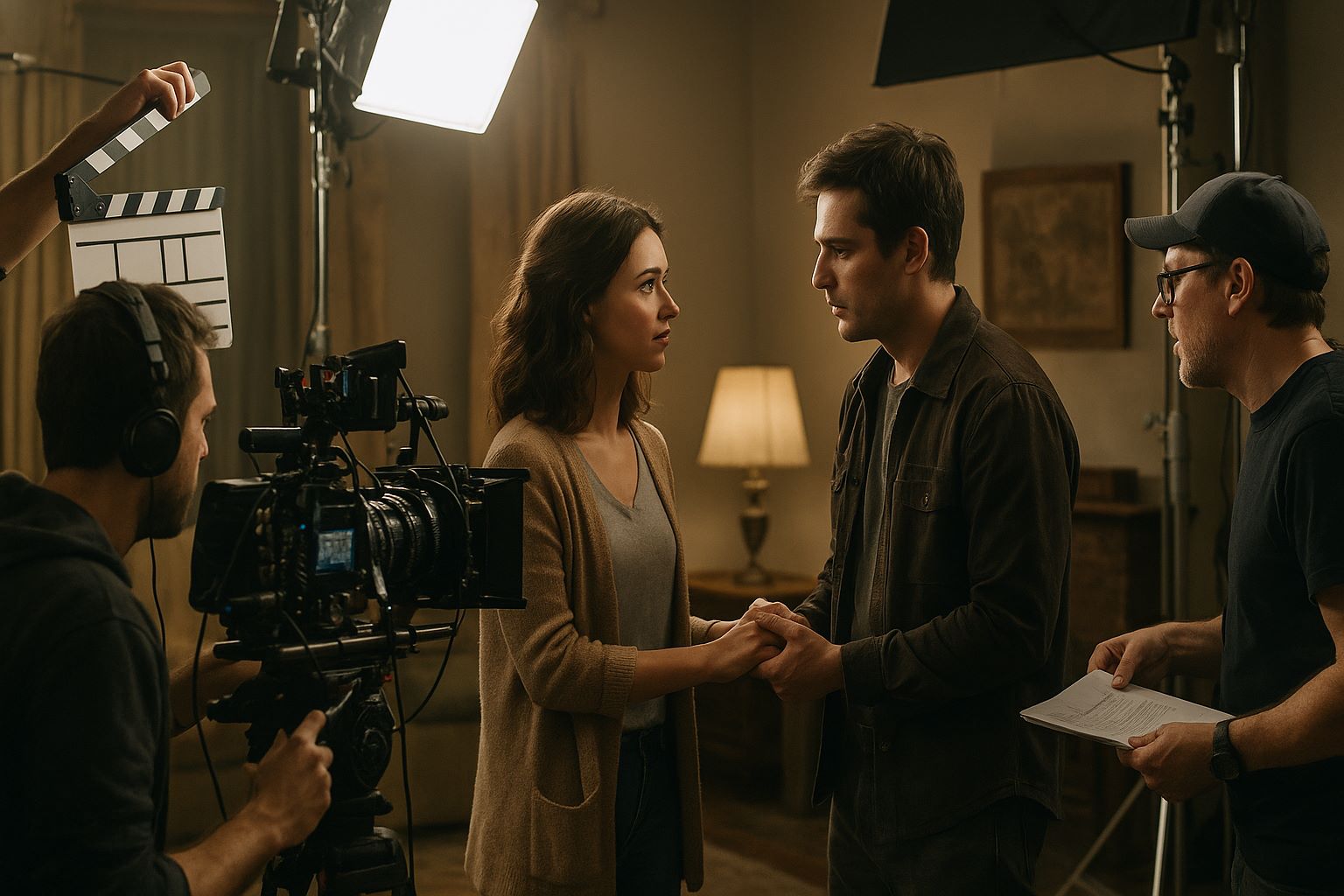
The production phase is where the magic truly happens. This is when the film is actually shot, scene by scene, over weeks or months.
Key Elements of Film Production:
1. The Director’s Vision
The director leads the creative process, guiding actors, deciding on camera angles, and ensuring the story’s emotional tone stays consistent. The director translates the script’s words into visual storytelling.
2. The Cinematography
The Director of Photography (DP) is responsible for how the movie looks — the lighting, framing, and movement of each shot. Using high-end cameras, drones, and lenses, cinematographers bring visual life to the director’s imagination.
3. Acting and Performance
Actors breathe life into the script. They spend hours rehearsing, improvising, and connecting emotionally with their characters. Whether it’s a tearful close-up or a high-speed chase, the actors’ performances are the emotional backbone of the film.
4. Sound and Lighting Teams
While the audience may not notice them, the sound and lighting crews play crucial roles. Good lighting sets the mood, while clear sound ensures every word and effect resonates perfectly.
5. Crew Coordination
Hundreds of people — camera operators, makeup artists, stunt coordinators, and assistants — work together in perfect sync. Every shot, no matter how small, requires careful coordination.
Filming days can be long and demanding, often lasting 12–16 hours. Some scenes might take days or even weeks to perfect.
5. Post-Production: Where the Movie Comes to Life
After filming wraps, the raw footage moves into post-production — the stage where editors and technicians shape the movie into its final form.
Key Steps in Post-Production:
- Editing: Editors review hundreds of hours of footage, cutting and arranging scenes for the best pacing and storytelling flow.
- Sound Design: Dialogue is cleaned up, background noises are added, and special sound effects are created to enhance realism.
- Music and Score: Composers craft soundtracks that bring emotion to every scene — think of how Interstellar or Titanic wouldn’t feel the same without their iconic scores.
- Visual Effects (VFX): From explosions to entire alien worlds, visual effects teams use computer-generated imagery (CGI) to create what cameras can’t.
- Color Grading: This process adjusts the colors and lighting to give the film its signature mood — bright and warm for comedies, dark and cold for thrillers.
- Final Mix and Quality Control: Once everything fits together, the movie is rendered into its final format for release.
Post-production can take months or even years, especially for VFX-heavy blockbusters like Avatar or Avengers: Endgame.
6. Marketing and Promotion: Building the Hype
Before a movie hits theaters or streaming platforms, it needs to build anticipation. This is where marketing takes over.
Key Marketing Strategies:
- Trailers and Teasers: The first glimpse audiences get of the film.
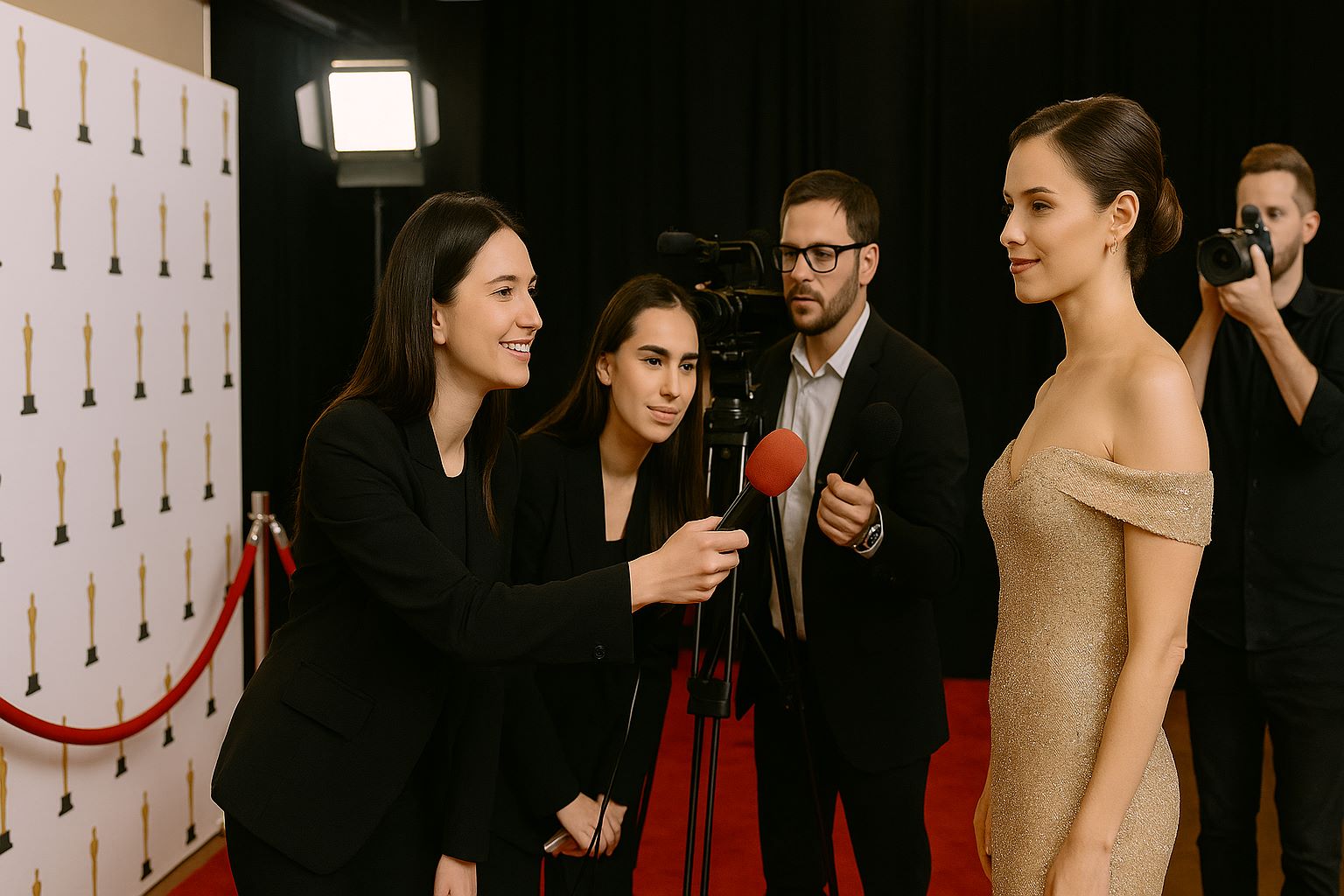
- Press Tours and Interviews: Actors and directors appear on shows, podcasts, and social media to promote the film.
- Social Media Campaigns: Interactive posts, hashtags, and challenges create buzz among fans.
- Premieres and Festivals: Special screenings for critics and fans generate reviews and excitement.
A well-executed marketing campaign can make or break a movie’s success — sometimes even more than the film itself.
7. Distribution: Bringing the Movie to the Audience
After months or years of effort, it’s time for the movie to meet its audience.
Two Major Distribution Models:
- Theatrical Release: Traditional cinema screenings across the world, often followed by streaming or DVD releases.
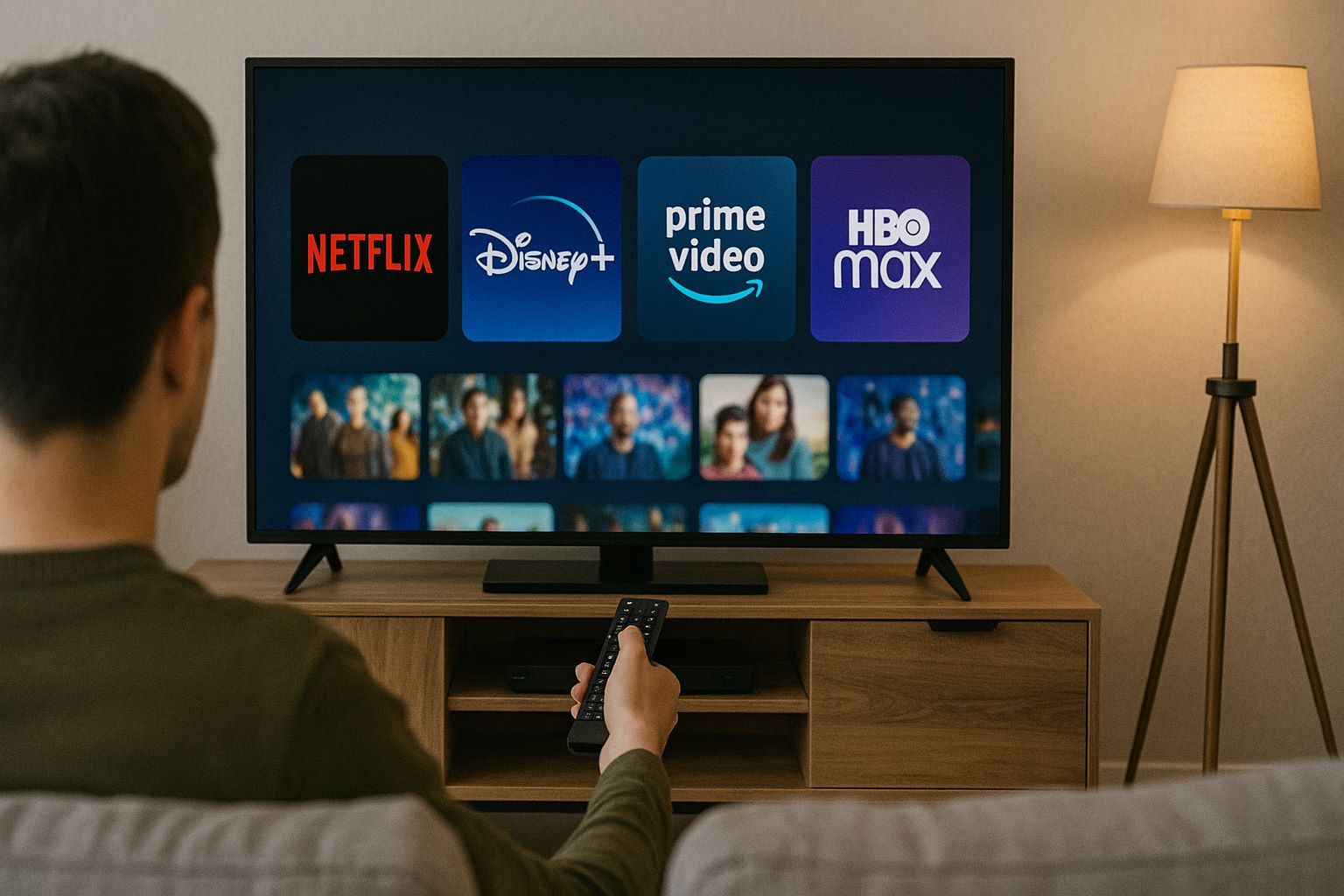
- Digital and Streaming Release: Platforms like Netflix, Disney+, and Amazon Prime Video now release films directly online, sometimes simultaneously with theater premieres.
The rise of digital streaming has given independent filmmakers more opportunities to reach global audiences without huge budgets.
8. The Unsung Heroes: The Crew Behind the Camera
While actors and directors get the spotlight, countless professionals work tirelessly behind the scenes. Some of these include:
- Producers who manage financing and logistics.
- Script Supervisors who ensure continuity between scenes.
- Set Decorators who design realistic environments.
- Editors and Sound Engineers who polish the final product.
Their combined effort transforms a simple script into cinematic brilliance.
9. Challenges in Modern Filmmaking
Despite technological advancements, making movies remains a complex challenge.
- Budget Constraints: Big ideas often require even bigger funding.
- Tight Schedules: Deadlines and weather conditions can delay shooting.
- Creative Differences: Directors, producers, and writers may clash over vision.
- Audience Expectations: With streaming and social media, viewers demand higher quality and faster releases.
Yet, it’s these challenges that push filmmakers to innovate and tell stories in fresh, powerful ways.
10. The Future of Filmmaking: Technology Meets Imagination
The next era of filmmaking is being shaped by artificial intelligence, virtual production, and immersive technology.
- Virtual Production: Movies like The Mandalorian use LED walls to create digital environments in real time, reducing costs and increasing realism.
- AI Tools: Artificial intelligence assists with editing, sound correction, and even scriptwriting.
- Interactive Storytelling: Future audiences may participate in stories, choosing how scenes unfold — blurring the line between movies and games.
As technology evolves, so does storytelling. But one thing remains constant: the power of human imagination.
Conclusion: The Art and Science of Movie Making
From the first spark of an idea to the moment the credits roll, making a movie is a journey of creativity, collaboration, and passion. Every film is the result of hundreds of minds and thousands of decisions working in harmony.
The next time you sit in a theater or stream a film at home, remember — behind every breathtaking scene lies months of hard work, artistry, and innovation.
That’s the true beauty of cinema: it’s not just about what you see on screen, but the incredible world that exists behind it.