Your immune system is your body’s natural defense against illness, infections, and diseases. When it’s strong, you’re better equipped to fight off viruses and recover faster when you do get sick. But when it’s weak, even minor infections can take a toll on your health and energy.
Thank you for reading this post, don't forget to subscribe!The good news? You don’t need expensive supplements or miracle cures to strengthen your immunity. A balanced diet, healthy lifestyle habits, and mindful daily choices can make a big difference in how well your immune system functions.
In this guide, we’ll explore science-backed foods and practical lifestyle tips that can help you boost your immunity naturally — and keep you feeling your best all year long.
Understanding How the Immune System Works
Before diving into the “how,” it helps to understand the “what.”
Your immune system is a complex network of cells, tissues, and organs that work together to defend your body from harmful invaders like bacteria, viruses, and toxins.
It has two main parts:
- Innate immunity: Your body’s first line of defense — a general response to invaders.
- Adaptive immunity: A more targeted defense that remembers previous infections and responds faster next time.
When your immune system is balanced, it keeps you healthy without overreacting. But poor nutrition, lack of sleep, stress, and inactivity can weaken its function, making you more vulnerable to illness.
1. Eat a Nutrient-Rich, Balanced Diet
Nutrition is the foundation of a strong immune system. What you eat directly impacts how well your body can fight infections and repair itself.
Key Nutrients That Support Immunity:
- Vitamin C: Found in oranges, kiwi, strawberries, bell peppers, and broccoli. It increases white blood cell production, which helps your body fight infections.
- Vitamin D: Supports immune cell function and reduces inflammation. Get it from sunlight, fortified foods, or fatty fish like salmon and tuna.
- Zinc: Essential for immune cell development. Found in nuts, seeds, lentils, and lean meats.
- Vitamin A: Keeps skin and mucous membranes healthy — your body’s first barrier against germs. Found in carrots, sweet potatoes, and spinach.
- Iron: Helps carry oxygen to immune cells. Found in beans, tofu, poultry, and leafy greens.
- Probiotics: Found in yogurt, kefir, sauerkraut, and kimchi. These “good bacteria” support gut health, which is directly linked to immunity.
Healthy Eating Habits:
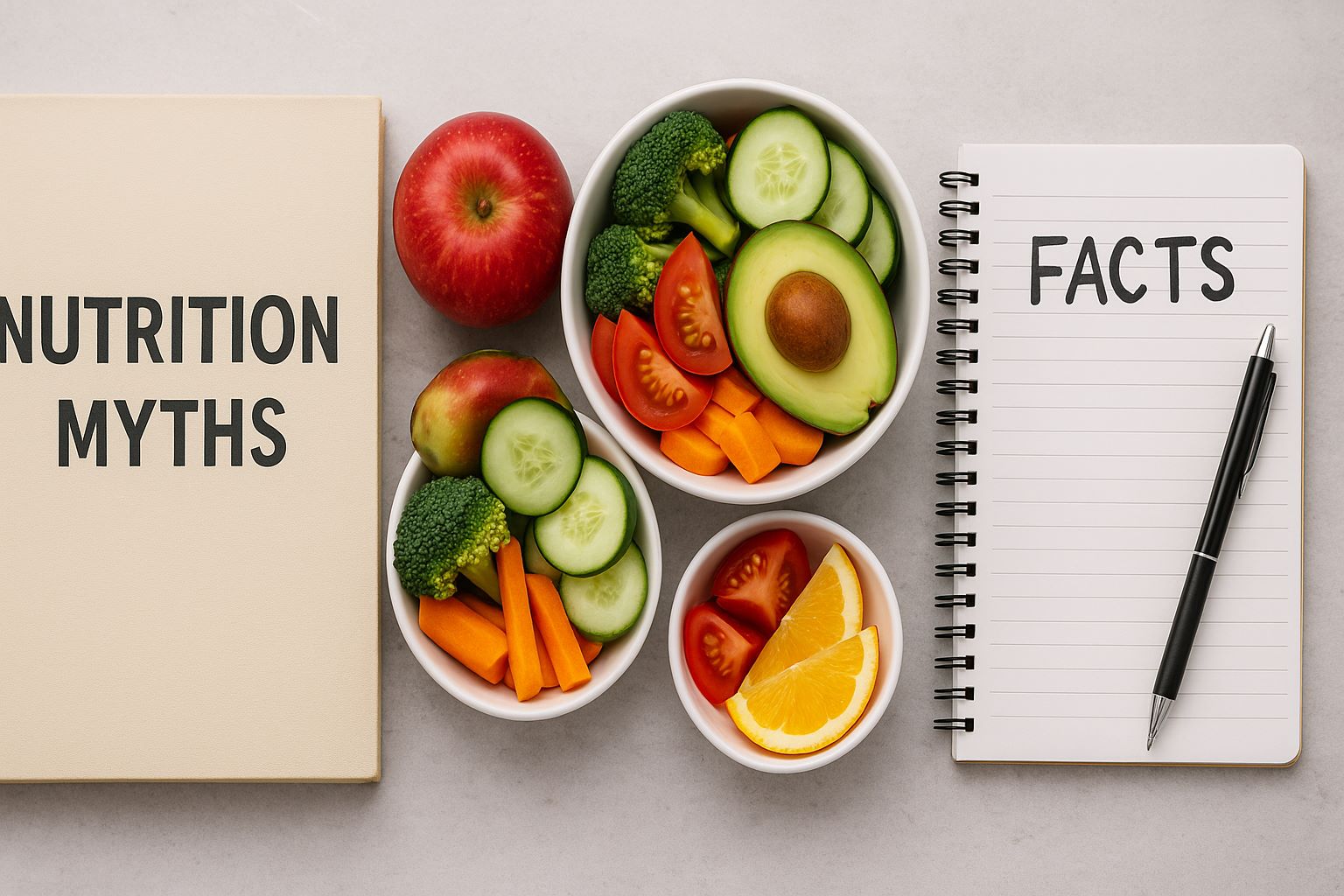
- Eat a rainbow of fruits and vegetables — different colors mean different nutrients.
- Include whole grains for fiber and energy.
- Limit processed foods and added sugars that can cause inflammation.
- Drink plenty of water to keep your body hydrated and flush out toxins.
A balanced diet provides your body with the tools it needs to fight illness naturally — without relying on supplements alone.
2. Get Enough Quality Sleep
Sleep isn’t just about rest — it’s a vital part of immune health. During sleep, your body produces cytokines, proteins that target infection and inflammation. Without enough sleep, your immune response weakens.
Tips for Better Sleep:
- Aim for 7–9 hours of sleep each night.
- Stick to a consistent sleep schedule, even on weekends.
- Avoid caffeine or heavy meals before bedtime.
- Create a relaxing nighttime routine — read, stretch, or meditate.
- Keep your room dark, cool, and quiet for better rest.
When you sleep well, your body has the time it needs to repair cells, regulate hormones, and strengthen immune defenses.
3. Stay Physically Active
Regular exercise doesn’t just tone your muscles — it also enhances immune function. Moderate physical activity helps circulate immune cells more efficiently and reduces inflammation.
Simple Ways to Stay Active:
- Take a brisk 30-minute walk daily.
- Try yoga or stretching to improve flexibility and reduce stress.
- Do bodyweight workouts at home (push-ups, squats, lunges).
- Engage in outdoor activities like cycling, jogging, or hiking.
Avoid overtraining, as excessive exercise without rest can actually weaken your immune system. Aim for at least 150 minutes of moderate exercise per week.
4. Manage Stress for a Healthier Immune System
Chronic stress can significantly weaken your immunity. When you’re stressed, your body releases cortisol — a hormone that suppresses immune function over time.
Effective Stress-Relief Strategies:
- Practice mindfulness or meditation for 10–15 minutes a day.
- Breathe deeply — try slow, controlled breathing to calm your body.
- Connect with loved ones for emotional support.
- Spend time in nature — it helps lower stress hormones naturally.
- Write in a gratitude journal to shift your mindset to positivity.
Managing stress isn’t just good for your mind — it’s essential for keeping your immune system balanced and strong.
5. Stay Hydrated Throughout the Day
Water supports every function in your body, including your immune system. It helps carry oxygen to your cells and flushes out toxins and waste that can slow your body down.
Hydration Tips:
- Aim for 8–10 glasses of water per day.
- Drink warm water with lemon in the morning to start your day hydrated.
- Include hydrating foods like cucumbers, oranges, and watermelon.
- Avoid excessive sugary drinks or alcohol, which can dehydrate you.
Proper hydration keeps your organs functioning efficiently — and your immune system working at full capacity.
6. Prioritize Gut Health
Your gut is home to 70% of your immune cells, so keeping it healthy is key to a strong immune system.
A balanced gut microbiome — the community of “good” bacteria in your intestines — helps your body absorb nutrients and fight harmful pathogens.
Gut-Friendly Foods:
- Probiotics: Yogurt, kefir, miso, kimchi, and sauerkraut.
- Prebiotics: Bananas, garlic, onions, and oats — these feed your healthy gut bacteria.
- Fiber-rich foods: Whole grains, legumes, and vegetables support digestion.
Avoid too many processed foods and antibiotics, which can disrupt gut balance. A healthy gut means a more resilient immune system.
7. Avoid Smoking and Limit Alcohol
Smoking and excessive alcohol consumption are two major factors that suppress immunity.
- Smoking damages the respiratory system and weakens your body’s ability to fight off viruses and bacteria.
- Excessive alcohol disrupts gut bacteria, dehydrates the body, and reduces immune function.
If you smoke, consider seeking help to quit. If you drink, do so in moderation — ideally, no more than one drink a day for women and two for men.
8. Get Enough Sunlight and Fresh Air
Sunlight is your best natural source of vitamin D, which helps regulate immune cell function. Low levels of vitamin D have been linked to higher risks of infection and fatigue.
Try to spend 15–30 minutes outdoors each day, especially in the morning. Even a short walk in the sun can improve your mood, energy levels, and immunity.
If sunlight is limited where you live, consider vitamin D-rich foods like salmon, eggs, and fortified milk.
9. Maintain a Healthy Weight
Being overweight can weaken your immune system and increase inflammation in your body. On the other hand, extreme calorie restriction or undernutrition can also harm your immunity.
Focus on achieving and maintaining a healthy weight through balanced eating and regular physical activity — not crash diets or extreme routines.
10. Keep Your Environment Clean
A clean environment prevents the spread of harmful bacteria and viruses that can overwhelm your immune system.
- Wash your hands frequently.
- Disinfect high-touch surfaces regularly.
- Avoid touching your face unnecessarily.
- Keep indoor air fresh by opening windows or using air purifiers.
Good hygiene supports your immune health by reducing exposure to unnecessary pathogens.
Final Thoughts
Building a strong immune system doesn’t happen overnight — it’s the result of consistent healthy habits. The key is balance: eat nutritious foods, get enough rest, move your body, manage stress, and stay hydrated.
By following these simple lifestyle tips, you’ll not only strengthen your immunity but also improve your overall energy, mood, and long-term well-being.
Remember — your immune system works best when your whole body is cared for. Small, daily choices add up to big, lasting protection.