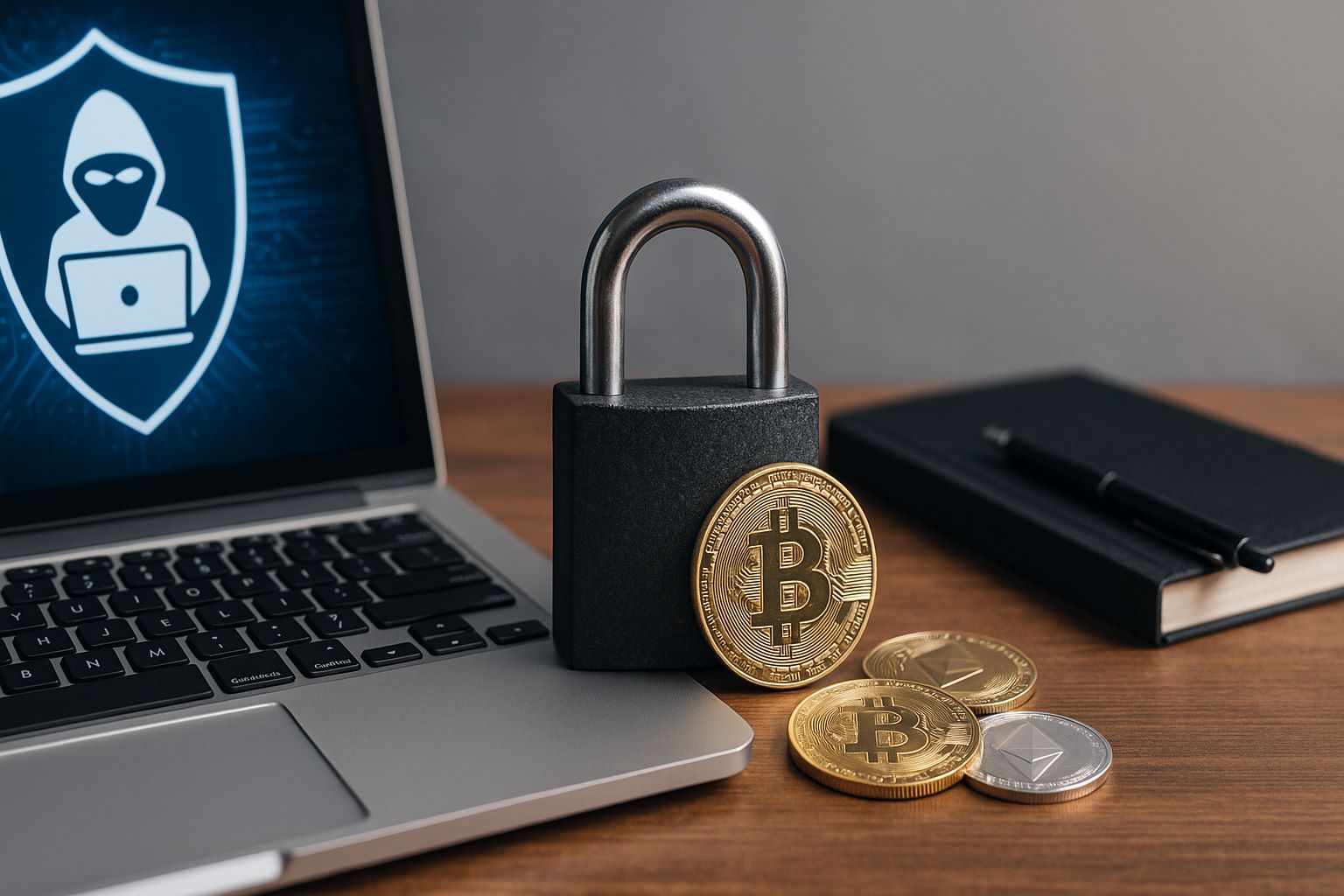
Introduction: The Growing Importance of Crypto Security (120+ words)
As cryptocurrency becomes more mainstream, it’s not just investors who are paying attention—hackers are too. With billions of dollars locked in digital wallets and decentralized platforms, the crypto space has become a prime target for cybercriminals. Unlike traditional banks, where stolen funds can sometimes be recovered, crypto transactions are irreversible, making security a top priority for every investor.
Thank you for reading this post, don't forget to subscribe!Whether you’re trading Bitcoin, holding Ethereum, or investing in DeFi projects, understanding how to secure your digital assets is essential. In this guide, we’ll cover the most common threats facing crypto users and share proven strategies to protect your coins, tokens, and wallets. Think of this as your Crypto Security 101 handbook—a must-read for anyone serious about safeguarding their financial future in the digital world.
1. Understanding the Biggest Crypto Security Threats
1.1 Phishing Attacks: The Most Common Trap
Phishing remains one of the oldest yet most effective forms of cybercrime in the crypto world. Hackers use fake emails, social media messages, or cloned websites to trick users into revealing their private keys or login credentials.
A classic example is when attackers create a fake version of a popular exchange like Binance or Coinbase. When unsuspecting users log in, their data is stolen instantly.
How to Protect Yourself:
- Always double-check website URLs before entering credentials.
- Avoid clicking on links from unknown sources.
- Use bookmark links for your crypto platforms.
- Enable anti-phishing codes offered by major exchanges.
1.2 Malware and Keyloggers
Malicious software is another major threat. Hackers use keyloggers, trojans, or clipboard hijackers to steal sensitive information from your computer or smartphone. Once installed, these programs can record every keystroke—including passwords and seed phrases.
Security Tips:
- Use trusted antivirus software and keep it updated.
- Never download crypto apps or wallets from unofficial sources.
- Avoid using public Wi-Fi when accessing your wallets.
- Regularly scan your devices for malware.
1.3 Social Engineering and Impersonation Scams
Hackers often pose as support staff, influencers, or developers to deceive users into giving up their credentials. Platforms like X (formerly Twitter) and Telegram are full of impersonators claiming to offer “airdrop rewards” or “technical help.”
How to Stay Safe:
- Never share your private key or seed phrase with anyone.
- Legitimate projects will never contact you privately for wallet access.
- Verify official accounts through project websites or verified badges.
2. Wallet Security: Your First Line of Defense
2.1 Hot Wallets vs. Cold Wallets
The most important decision every crypto investor makes is where to store their assets. Wallets come in two main forms:
- Hot Wallets: These are connected to the internet, such as exchange wallets or mobile apps (e.g., MetaMask, Trust Wallet). They offer convenience but are more vulnerable to online attacks.
- Cold Wallets: These are offline storage devices, such as hardware wallets (e.g., Ledger, Trezor). Since they’re disconnected from the internet, they offer maximum protection.
Best Practice:
Keep a small amount of crypto in hot wallets for daily use, and store the bulk of your holdings in a cold wallet.
2.2 Using Hardware Wallets
Hardware wallets are physical devices that store your private keys offline. They ensure your funds remain safe even if your computer is compromised.
Popular Options:
- Ledger Nano X / S Plus
- Trezor Model T / One
Security Advantages:
- Immune to online hacking attempts
- Require physical confirmation for every transaction
- Support multiple cryptocurrencies
Hardware wallets are a must-have for long-term holders and serious investors who prioritize security over convenience.
2.3 Backing Up Your Wallet Securely
Losing access to your crypto wallet is just as bad as being hacked. Always back up your seed phrase—the recovery code that restores your wallet.
Tips for Safe Backup:
- Write your seed phrase on paper or metal, never store it digitally.
- Keep multiple copies in secure, separate locations.
- Never take a photo or screenshot of your recovery phrase.
Remember: anyone with access to your seed phrase can steal all your crypto. Treat it like the keys to your digital vault.
3. Strengthening Account and Exchange Security
3.1 Enabling Two-Factor Authentication (2FA)
Two-Factor Authentication adds an extra layer of protection by requiring a second verification step when logging in. Even if hackers get your password, they can’t access your account without the verification code.
Best Practices:
- Use Google Authenticator or Authy instead of SMS-based 2FA (SIM swaps are common).
- Enable 2FA on all crypto accounts, including exchanges, wallets, and email.
- Regularly check which devices are authorized to access your accounts.
3.2 Use Strong and Unique Passwords
Reusing passwords across multiple accounts is a recipe for disaster. If one platform gets hacked, your credentials could be exposed everywhere.
Tips for Secure Passwords:
- Use at least 12 characters with a mix of letters, numbers, and symbols.
- Avoid using personal information like names or birthdays.
- Use a password manager (e.g., Bitwarden, 1Password) to store them securely.
A strong password combined with 2FA significantly reduces the risk of unauthorized access.
3.3 Avoid Keeping Large Funds on Exchanges
Crypto exchanges are often targeted by hackers. While most reputable platforms have strong security systems, you don’t control your private keys on these platforms—which means you don’t fully own your funds.
Rule of Thumb:
“Not your keys, not your coins.”
Always transfer your crypto to a private wallet after buying or trading on an exchange. Use exchanges only for short-term trading, not for storage.
4. Safe Practices for DeFi and NFT Users
4.1 Beware of Fake dApps and Smart Contracts
DeFi platforms and NFT marketplaces are booming—but they’re also hotspots for scams. Hackers create fake decentralized apps (dApps) or malicious smart contracts that drain your wallet once you connect to them.
Safety Tips:
- Verify dApp URLs through official project sites.
- Use a separate wallet with limited funds for DeFi testing.
- Check community reviews and audit reports before interacting.
4.2 Avoid Rug Pulls and Fake Projects
Many new tokens promise high returns but vanish overnight—a scam known as a rug pull.
How to Spot a Scam:
- Team members are anonymous or unverifiable.
- Unrealistic promises like “100x returns.”
- No code audits or transparent tokenomics.
Before investing, research the project thoroughly on platforms like CoinMarketCap, DeFiLlama, and GitHub.
4.3 Disconnect Wallets After Use
Always disconnect your wallet from dApps once you’re done using them. Leaving wallets connected gives hackers a potential entry point if the dApp becomes compromised.
You can easily manage and revoke permissions using tools like:
- Etherscan Token Approvals
- Revoke.cash
5. Staying Ahead: Continuous Security Awareness
5.1 Keep Software and Firmware Updated
Hackers often exploit outdated systems. Regular updates fix vulnerabilities and strengthen your defense.
Always update:
- Your wallet apps
- Browser extensions
- Exchange software
- Hardware wallet firmware
5.2 Follow Official Channels and Security Alerts
Stay informed by following official crypto communities, blogs, and security experts. Awareness is your strongest defense against evolving threats.
5.3 Use Multi-Signature Wallets for Extra Protection
For large crypto holdings, consider using multi-signature wallets, which require approval from multiple keys to execute transactions. This adds another layer of protection against theft.
Conclusion: Your Security, Your Responsibility
The world of cryptocurrency offers incredible opportunities—but also serious risks. With no banks or authorities to reverse mistakes, your security is entirely in your hands.
By using hardware wallets, strong passwords, 2FA, and vigilant online behavior, you can minimize your risk and protect your hard-earned assets.
Remember, even the most experienced traders can fall victim to scams if they let their guard down. Staying informed and cautious is the key to navigating the digital financial frontier safely.
In crypto, being your own bank means being your own security guard—and the more proactive you are, the safer your future will be.