Introduction: The Technology Behind the Digital Currency Boom
The term “blockchain” has become a buzzword across industries — from finance and healthcare to logistics and real estate. Yet, for many, it remains a mystery. Blockchain is not just the foundation of cryptocurrencies like Bitcoin, Ethereum, and Solana; it’s a technological revolution that is redefining how data, value, and trust are managed in the digital world.
Thank you for reading this post, don't forget to subscribe!In simple terms, blockchain is a decentralized digital ledger that records transactions securely across multiple computers. Its design eliminates the need for intermediaries like banks, increases transparency, and ensures data integrity through cryptographic validation. Since its inception in 2008, blockchain has evolved far beyond cryptocurrency — it’s now the backbone of Web3, decentralized finance (DeFi), and non-fungible tokens (NFTs).
This article decodes blockchain technology in an easy-to-understand way, exploring how it works, why it’s considered revolutionary, and how it continues to power the global crypto ecosystem.
1. What Is Blockchain and How Does It Work?
1.1 The Foundation: A Decentralized Ledger
At its core, blockchain is a distributed ledger system that stores data across a network of computers (called nodes). Instead of relying on a central authority to verify transactions, blockchain enables peer-to-peer validation, ensuring that every participant holds a synchronized copy of the ledger.
Each “block” in the blockchain contains a set of transactions, a timestamp, and a cryptographic hash linking it to the previous block — forming an unbreakable chain. Once a transaction is confirmed and added to the chain, it becomes immutable — meaning it cannot be altered or deleted. This immutability is what gives blockchain its trustless and tamper-proof nature.
1.2 Consensus Mechanisms: The Heartbeat of Blockchain
Consensus mechanisms are algorithms that ensure all nodes in a blockchain network agree on the validity of transactions. The most common types include:
- Proof of Work (PoW): Used by Bitcoin, this mechanism requires miners to solve complex mathematical puzzles to validate transactions. It’s secure but energy-intensive.
- Proof of Stake (PoS): Used by Ethereum 2.0 and Cardano, PoS allows validators to stake coins as collateral to confirm transactions, making it more energy-efficient.
- Delegated Proof of Stake (DPoS): Found in platforms like Tron and EOS, it involves a democratic voting system to elect validators, enabling faster transactions.
These mechanisms are what keep blockchain networks secure and operational without needing a central authority.
1.3 Cryptography and Data Security
Blockchain’s cryptographic encryption is what makes it virtually unhackable. Each user has a pair of keys — a public key (like an account number) and a private key (like a password). Only the private key holder can authorize transactions from their wallet. Additionally, cryptographic hashing ensures that data cannot be modified without altering every subsequent block — making fraud detection instantaneous.
2. Why Blockchain Is the Core of the Crypto Revolution
2.1 Eliminating Intermediaries
Traditional financial systems rely heavily on third parties — banks, brokers, and clearinghouses — to facilitate and verify transactions. Blockchain eliminates these intermediaries by allowing users to transact directly and transparently with one another.
For example, sending Bitcoin doesn’t require approval from a bank. Instead, the transaction is verified by a decentralized network of computers, reducing fees and processing time.
2.2 Transparency and Trust
Every transaction on a blockchain is recorded in a public ledger that anyone can audit. This transparency builds trust among participants and reduces the risk of corruption or manipulation. In contrast, centralized systems often hide transaction data behind institutional walls, making fraud harder to detect.
2.3 Security and Immutability
Blockchain’s decentralized design makes it resistant to hacking. To alter a single transaction, a hacker would need to control more than 51% of all network nodes — an almost impossible feat in large-scale networks like Bitcoin or Ethereum. This level of security ensures that digital currencies remain one of the safest methods for online transactions.
2.4 Empowering Financial Inclusion
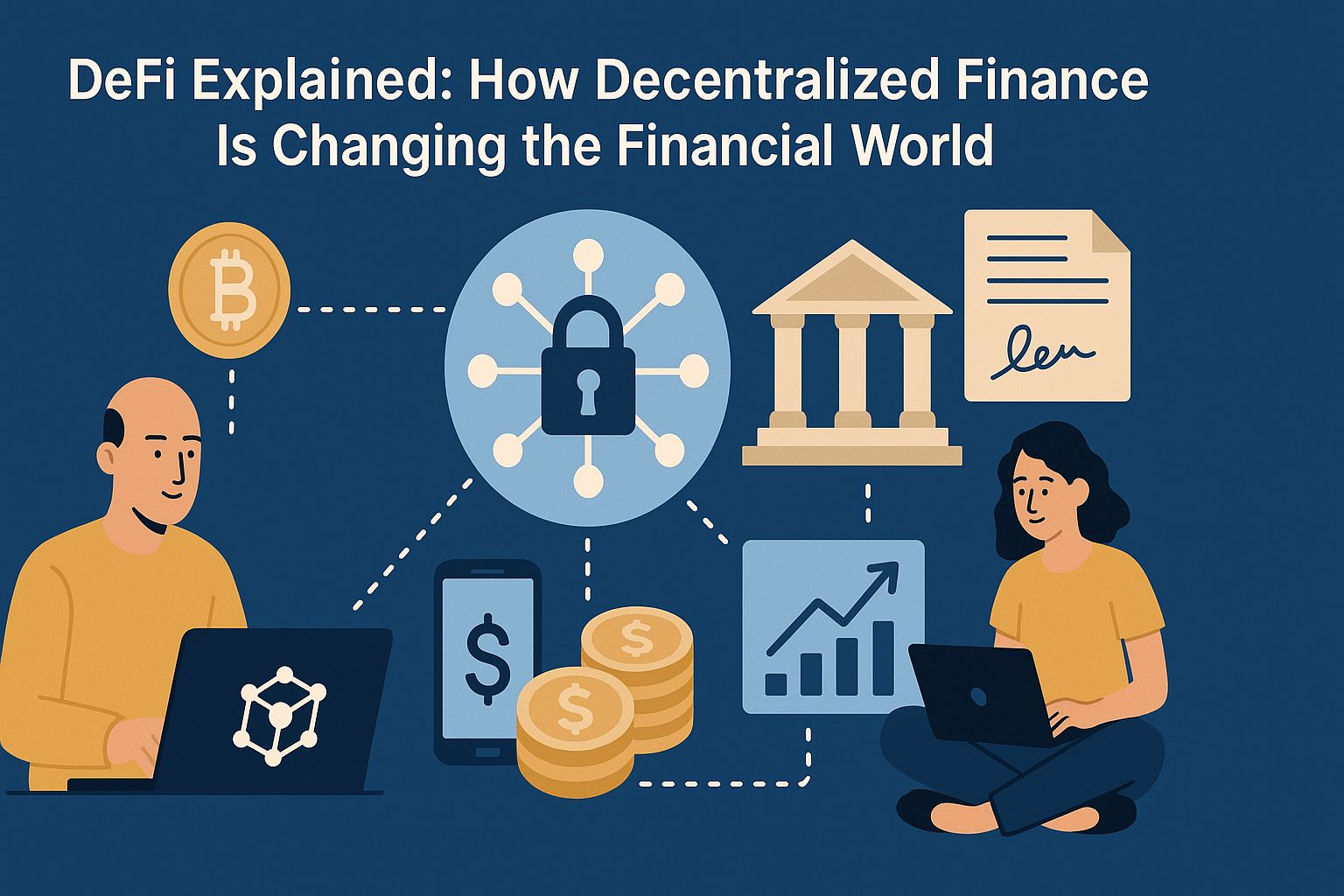
Blockchain has opened financial opportunities for millions who previously lacked access to banking services. Through decentralized finance (DeFi) platforms, anyone with an internet connection can lend, borrow, trade, or earn interest on crypto assets — no credit history or bank account required.
3. Beyond Crypto: Real-World Applications of Blockchain
3.1 Supply Chain Management
Blockchain ensures transparency and traceability in supply chains. Companies like IBM and Walmart use blockchain to track the origin of goods, verify authenticity, and prevent fraud in industries such as food, pharmaceuticals, and luxury goods.
3.2 Healthcare and Data Privacy
In healthcare, blockchain allows secure sharing of patient records among medical providers while maintaining privacy and data ownership. Patients gain control over their data, deciding who can access it and for how long.
3.3 Real Estate and Smart Contracts
Blockchain eliminates the need for paperwork and intermediaries in real estate by using smart contracts — self-executing agreements coded on the blockchain. These contracts automatically execute terms when predefined conditions are met, reducing fraud and speeding up transactions.
3.4 Government and Voting Systems
Governments are exploring blockchain-based voting systems to ensure transparency, accountability, and fraud prevention. Countries like Estonia have already implemented blockchain for national digital identity and e-governance.
4. The Future of Blockchain: What Lies Ahead
4.1 Layer-2 and Scalability Solutions
Early blockchains faced issues with speed and scalability. Innovations like Layer-2 networks (e.g., Lightning Network, Polygon, and Optimism) are solving this problem by processing transactions off-chain before confirming them on the main blockchain. This reduces congestion, lowers fees, and makes crypto payments faster.
4.2 Interoperability Between Blockchains
The future will not belong to a single blockchain but to an interconnected network of chains that can communicate seamlessly. Projects like Polkadot and Cosmos are leading this charge, creating ecosystems where users can transfer assets and data across multiple platforms without friction.
4.3 Blockchain Meets Artificial Intelligence (AI)
The integration of AI and blockchain will shape the next phase of technological evolution. AI can analyze blockchain data to identify patterns, predict market trends, and enhance automation. Meanwhile, blockchain ensures data authenticity, protecting AI systems from manipulation.
4.4 Green Blockchain Initiatives
Energy consumption has been a major criticism of blockchain, especially with proof-of-work systems like Bitcoin. However, the shift to proof-of-stake and the adoption of renewable energy sources are paving the way for a sustainable blockchain future.
5. Challenges Blockchain Still Faces
Despite its potential, blockchain is not without hurdles:
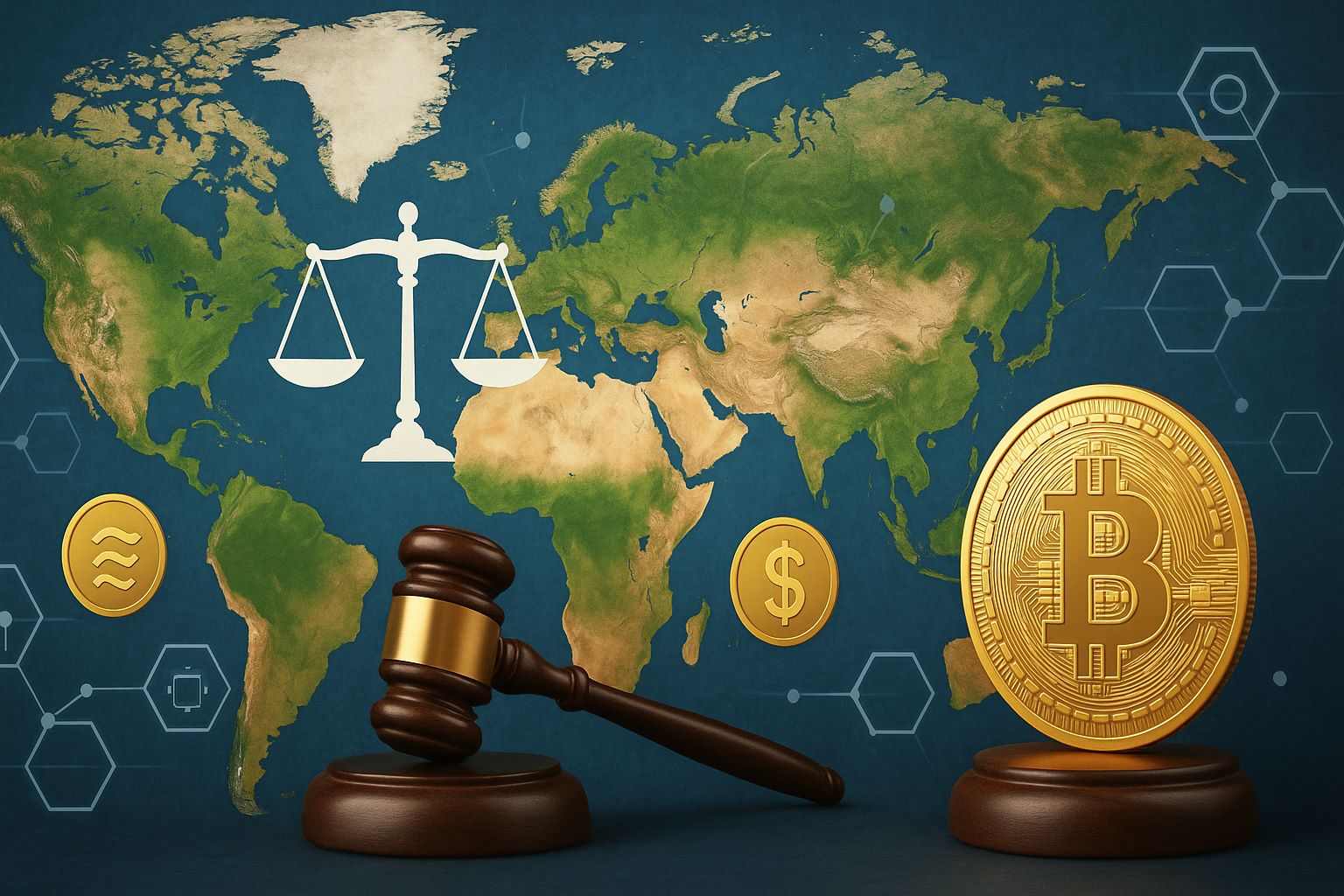
- Regulatory Uncertainty: Governments worldwide are still developing frameworks for crypto and blockchain use, creating confusion for businesses.
- Scalability and Speed: While improving, blockchain transactions can still be slower compared to traditional systems.
- Public Awareness: Many still misunderstand blockchain, associating it only with cryptocurrencies instead of recognizing its broader potential.
Overcoming these challenges will be crucial for blockchain to achieve mass global integration.
Conclusion: The Backbone of a Decentralized Future
Blockchain is more than just a trend — it’s the foundation of the decentralized digital revolution. From empowering individuals to take control of their finances to enabling transparent, tamper-proof systems across industries, blockchain continues to redefine how trust and value operate online.
As we move deeper into the Web3 era, blockchain will remain the invisible force powering cryptocurrencies, smart contracts, decentralized applications, and more. Understanding its mechanics is not just for tech experts anymore — it’s essential for anyone looking to thrive in the digital economy of tomorrow.