Introduction: The New Age of Finance
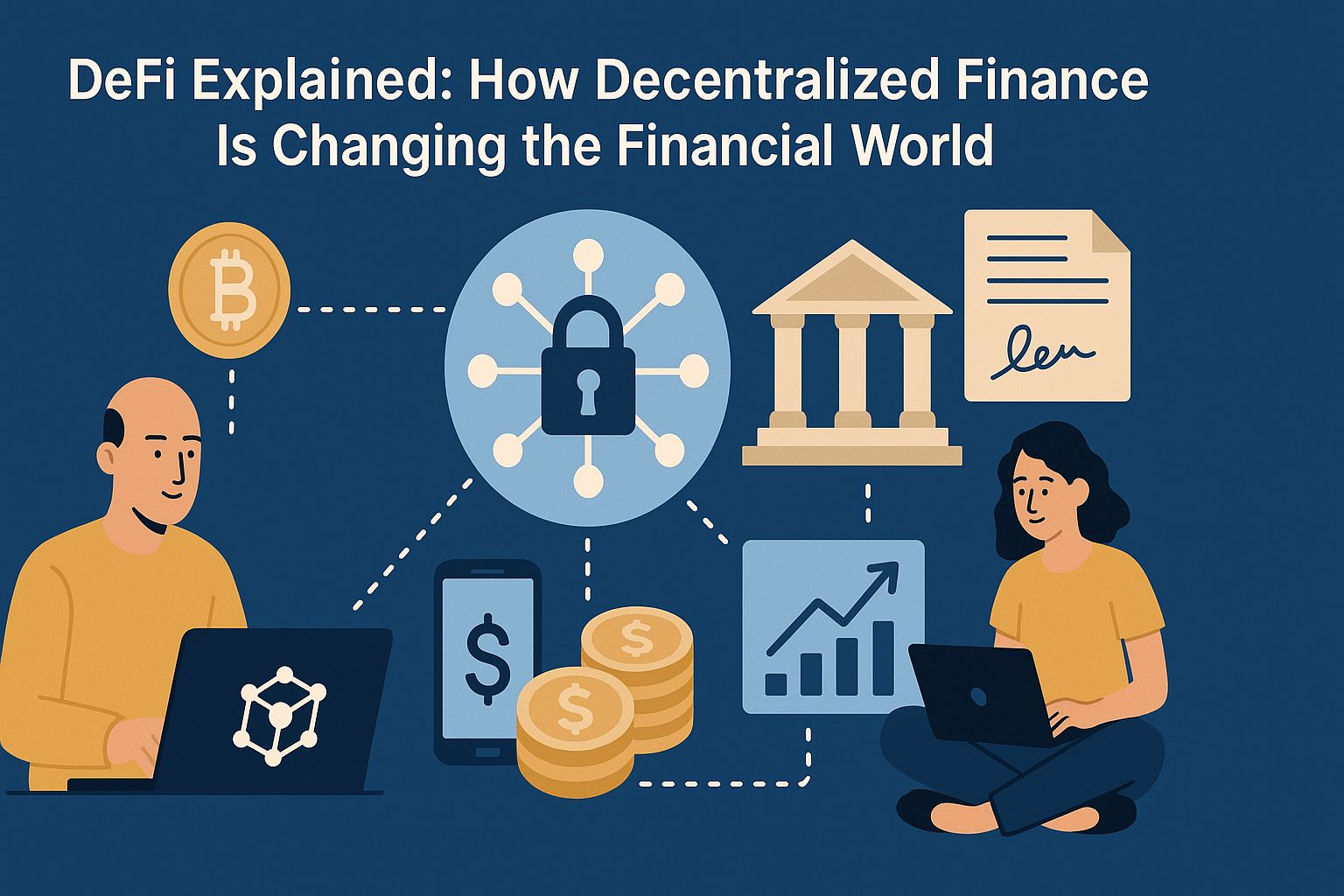
The world of finance is undergoing a radical transformation — one driven not by banks or governments, but by blockchain technology and the power of decentralization. This revolution is called DeFi, short for Decentralized Finance, and it’s reshaping how people borrow, lend, trade, and earn money across the globe.
Thank you for reading this post, don't forget to subscribe!In traditional finance, every transaction passes through intermediaries — banks, payment processors, and brokers — each taking a cut and controlling access. DeFi eliminates these middlemen, allowing users to interact directly through smart contracts on the blockchain. What was once a privilege of a few is now open to anyone with an internet connection.
In this article, we’ll break down what DeFi is, how it works, the major platforms leading the movement, and how it’s fundamentally changing the future of global finance.
1. What Is Decentralized Finance (DeFi)?
1.1 The Concept of DeFi
Decentralized Finance (DeFi) refers to a financial system built on blockchain networks, primarily Ethereum, that operates without centralized authorities. Instead of relying on banks or brokers, transactions are executed automatically by smart contracts — self-executing pieces of code that run on the blockchain.
These smart contracts allow people to borrow, lend, trade, save, and earn interest directly with one another, in a transparent and secure manner. DeFi’s open, permissionless nature means anyone, anywhere in the world can access these financial services without needing a traditional bank account.
1.2 The Core Principles of DeFi
DeFi is built upon four main principles:
- Decentralization: No single authority controls the system. Power is distributed across network participants.
- Transparency: All transactions are recorded publicly on the blockchain, ensuring trust and auditability.
- Accessibility: Anyone with an internet connection can participate, removing barriers faced in traditional banking.
- Interoperability: DeFi apps (known as DApps) can interact seamlessly with each other, allowing money to flow freely between platforms.
2. How DeFi Works: The Role of Smart Contracts and DApps
2.1 Smart Contracts – The Foundation of DeFi
At the heart of DeFi are smart contracts — self-operating agreements written in code that execute automatically when predefined conditions are met. These contracts remove the need for third parties, enabling users to transact directly with complete trust.
For example, when you lend crypto on a DeFi platform, a smart contract locks your funds and automatically pays you interest. When the borrower repays, the contract releases your funds back to your wallet — all without any bank involvement.
2.2 Decentralized Applications (DApps)
DeFi platforms are built as DApps (Decentralized Applications) on blockchain networks like Ethereum, Binance Smart Chain, Solana, and Polygon. These DApps serve as the user interface for DeFi services such as trading, lending, staking, and yield farming.
Some of the most popular DApps include:
- Uniswap: A decentralized exchange (DEX) for swapping cryptocurrencies directly from your wallet.
- Aave: A lending protocol allowing users to earn interest or borrow crypto without intermediaries.
- Compound: A DeFi money market where users can lend and borrow crypto assets seamlessly.
- MakerDAO: The platform behind DAI, a decentralized stablecoin pegged to the U.S. dollar.
These platforms demonstrate how blockchain is replacing traditional banking infrastructure with open-source financial systems.
3. The Key Components of DeFi
3.1 Decentralized Exchanges (DEXs)
Unlike centralized exchanges such as Binance or Coinbase, DEXs let users trade cryptocurrencies directly from their wallets using liquidity pools. This eliminates the need for a custodian and reduces hacking risks.
Popular DEXs like Uniswap, SushiSwap, and PancakeSwap use an automated market maker (AMM) model, where prices are determined by algorithms instead of order books.
3.2 Lending and Borrowing Protocols
DeFi lending platforms allow users to lend crypto and earn interest or borrow assets by putting up collateral. Since everything is governed by smart contracts, loans are processed instantly — no paperwork or credit checks required.
For example:
- Lenders deposit funds into a liquidity pool.
- Borrowers lock crypto as collateral and take loans.
- Interest rates fluctuate dynamically based on supply and demand.
3.3 Stablecoins
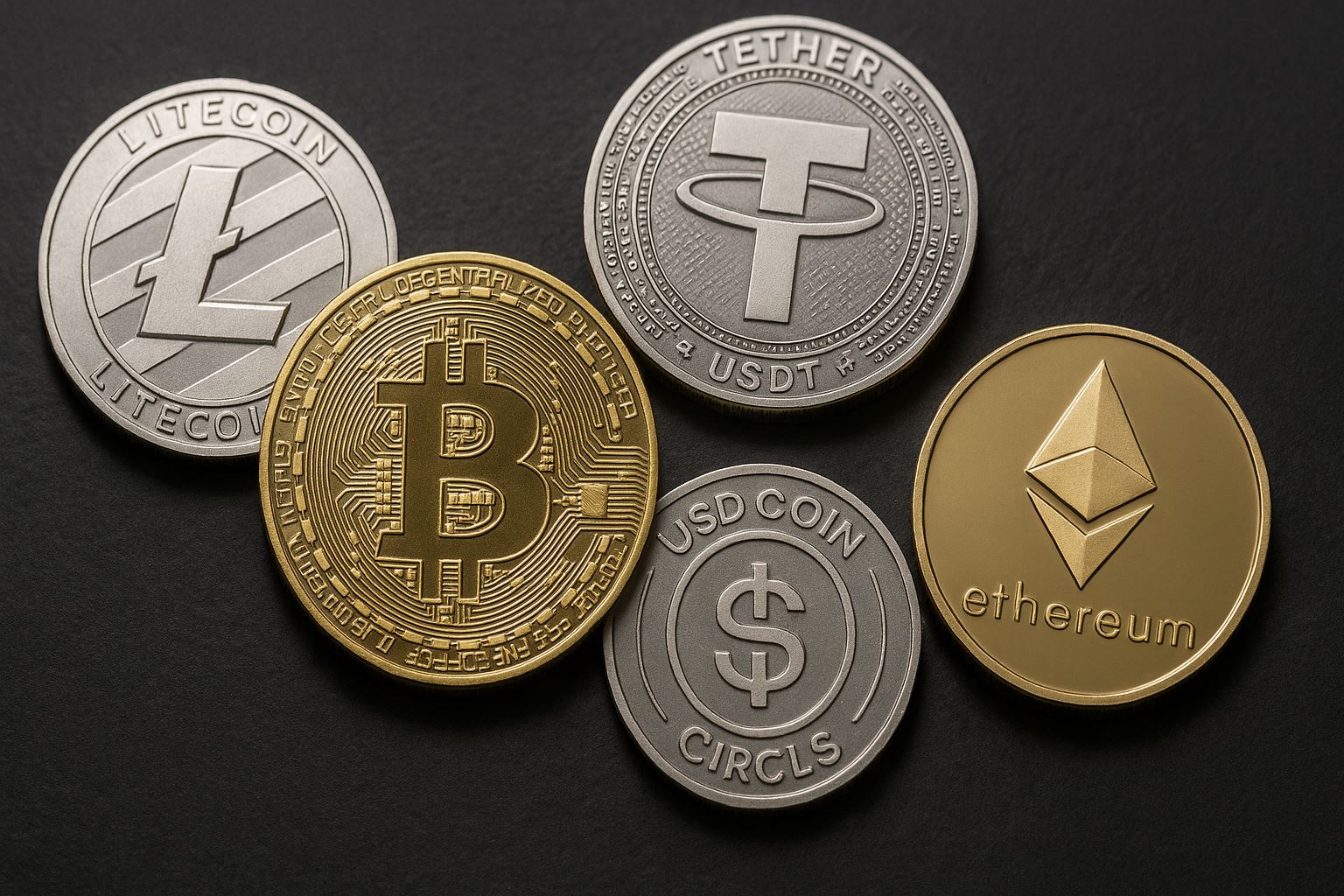
Stablecoins like DAI, USDC, and USDT play a crucial role in DeFi by reducing volatility. They are pegged to real-world currencies (usually the U.S. dollar), providing stability for trading, lending, and savings.
Without stablecoins, DeFi transactions would be far riskier due to crypto’s price fluctuations.
3.4 Yield Farming and Liquidity Mining
These are strategies used by DeFi investors to earn passive income. Yield farming involves moving funds between different platforms to maximize returns, while liquidity mining rewards users for providing liquidity to trading pools.
4. Benefits of DeFi: Why It’s Revolutionary
4.1 Financial Inclusion
DeFi breaks the barriers of geography and bureaucracy. Anyone with a smartphone and internet connection can access financial services — a massive opportunity for the 1.7 billion unbanked people worldwide.
4.2 Transparency and Security
Every DeFi transaction is recorded on a public blockchain, meaning users can verify where funds are going at any time. Since no single entity controls DeFi, there’s less room for corruption or hidden manipulation.
4.3 Passive Income Opportunities
DeFi allows investors to earn yield through lending, staking, or providing liquidity. In some cases, these returns can surpass traditional savings accounts or bonds, though they come with higher risk.
4.4 24/7, Borderless System
DeFi operates nonstop — no holidays, no closing hours. Users can send, receive, or invest money anywhere, anytime, without waiting for approval from banks or governments.
5. The Risks and Challenges of DeFi
While DeFi brings freedom and innovation, it’s not without challenges:
5.1 Smart Contract Vulnerabilities
Since smart contracts are written by humans, coding errors or security flaws can be exploited by hackers. Once funds are stolen, they are nearly impossible to recover.
5.2 Market Volatility
Crypto markets are notoriously volatile. A sudden drop in coin value can lead to liquidation of collateral in lending platforms, resulting in losses.
5.3 Lack of Regulation
DeFi operates in a gray area legally. The lack of regulatory oversight exposes investors to scams, rug pulls, and unverified projects.
5.4 User Error
DeFi is non-custodial, meaning users are responsible for their own wallets and keys. Losing access to a private key means losing access to your funds permanently.
Despite these risks, the DeFi industry is evolving rapidly, with developers constantly improving security and governance models.
6. The Future of DeFi: What’s Next?
6.1 Integration with Traditional Finance
DeFi is no longer seen as a threat — banks and institutions are exploring ways to integrate blockchain into their operations. Expect to see hybrid systems combining traditional banking with decentralized services.
6.2 Expansion Beyond Ethereum
While Ethereum currently dominates the DeFi space, other blockchains like Solana, Avalanche, and Polkadot are rising fast. These networks offer lower fees and faster transactions, expanding DeFi’s accessibility.
6.3 Regulatory Evolution
Governments are beginning to understand DeFi’s potential. As regulations develop, they’ll likely focus on investor protection without compromising innovation, paving the way for mainstream adoption.
6.4 Tokenization of Real-World Assets
In the coming years, DeFi will enable tokenized ownership of real estate, stocks, and commodities — allowing people to trade and invest in traditional assets on the blockchain.
Conclusion: The Financial Revolution Is Here
DeFi represents a fundamental shift in how finance operates — moving from centralized, trust-based systems to decentralized, transparent, and inclusive networks. It empowers users to control their own money, earn passive income, and participate in an open global economy.
While risks remain, the rapid growth of DeFi proves one thing: the future of finance is decentralized. From banking and lending to investing and trading, DeFi is not just changing the financial world — it’s redefining it for generations to come.