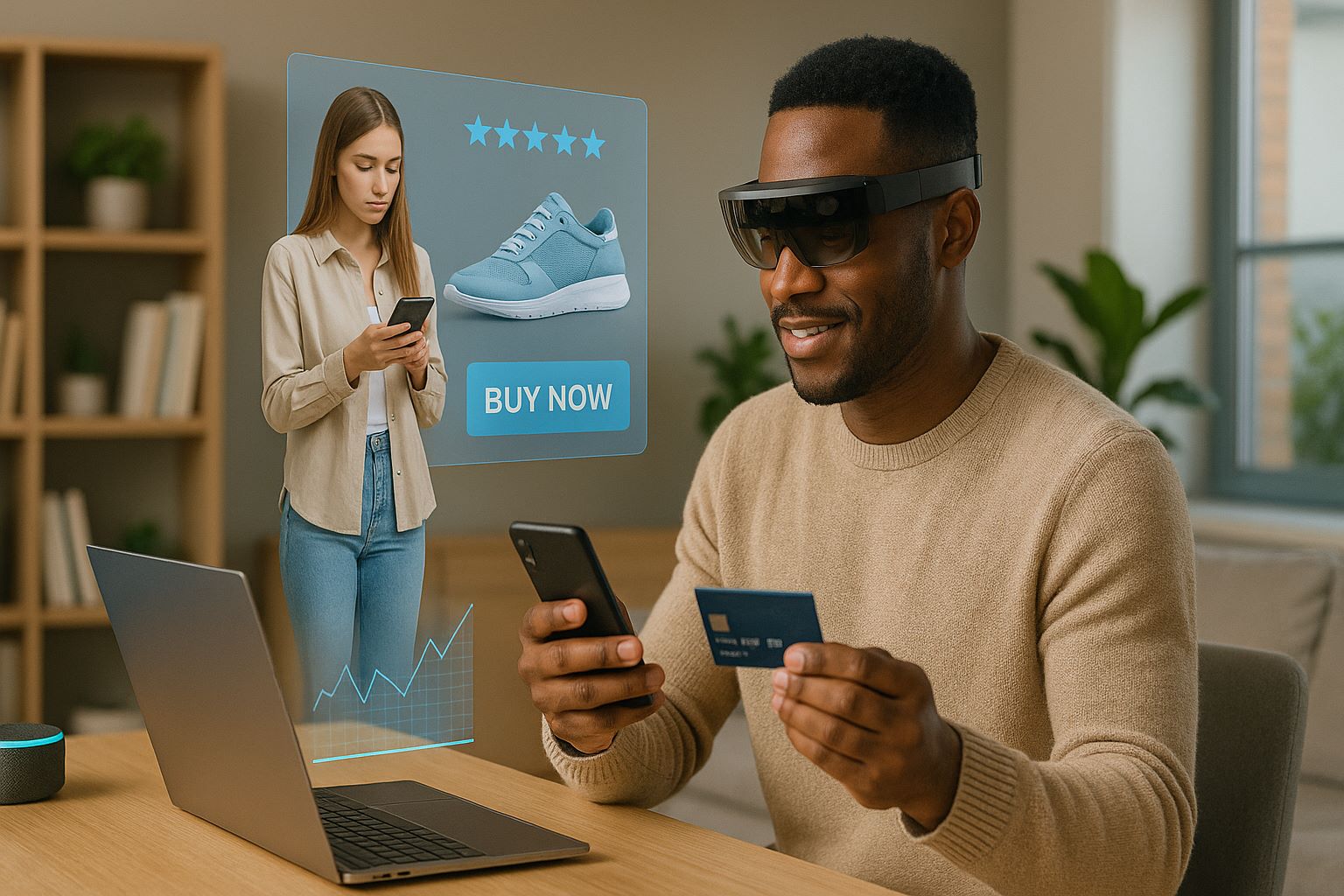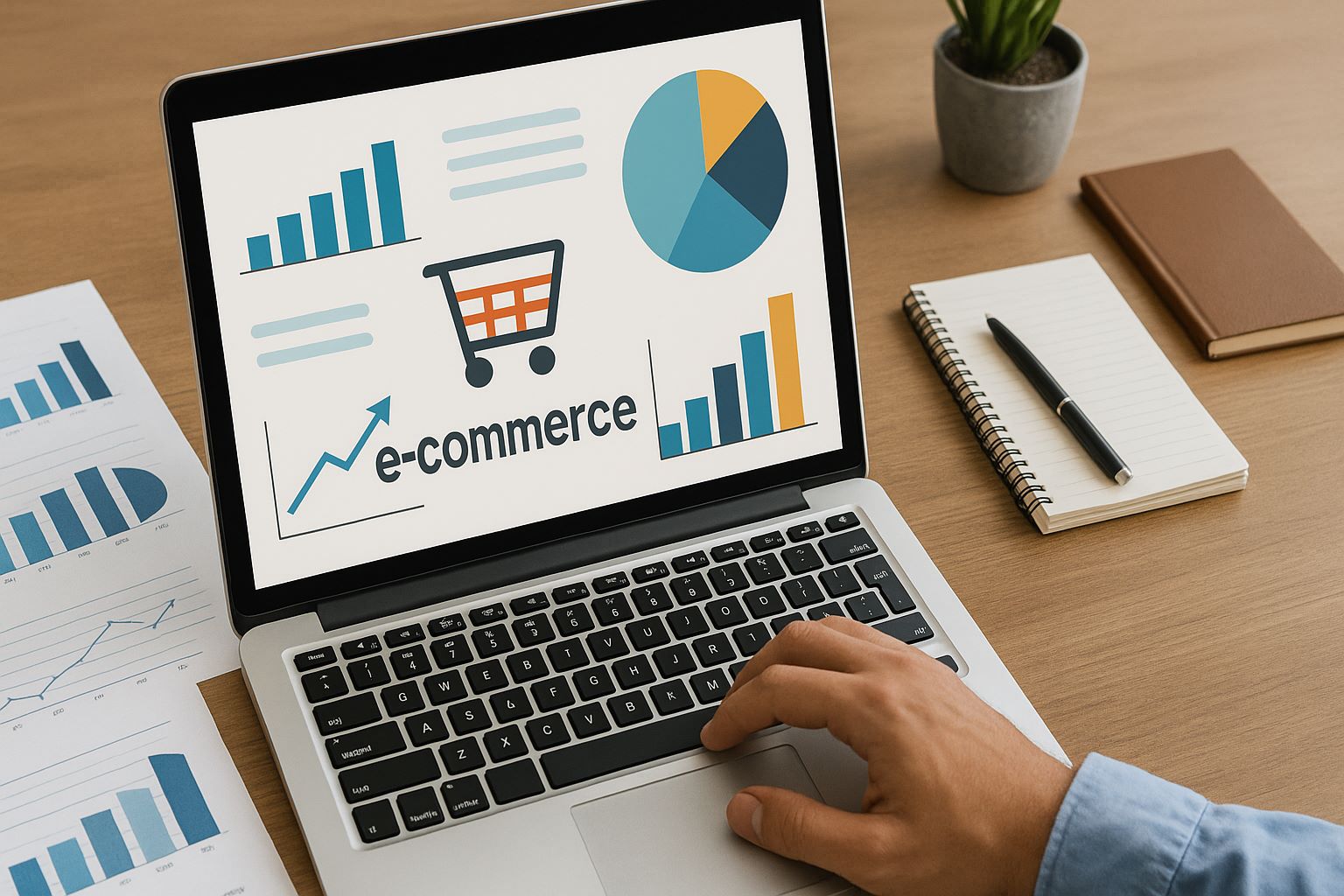
In today’s digital-first world, having an e-commerce store is no longer enough. With thousands of online shops competing for customer attention, the true challenge lies in driving consistent traffic and turning visitors into loyal buyers.
Thank you for reading this post, don't forget to subscribe!That’s where e-commerce marketing comes in — a blend of strategy, creativity, and data designed to attract, engage, and convert customers.
Whether you’re launching a new store or looking to scale an existing one, this guide will walk you through proven marketing tactics that can skyrocket your online sales and brand visibility.
1. Understand Your Target Audience
Before diving into any marketing strategy, you need to understand who you’re selling to. Successful e-commerce marketing starts with knowing your ideal customers’ needs, habits, and preferences.
🔍 How to define your target audience:
- Analyze your current customers — Use analytics tools to see who’s buying from you.
- Create buyer personas — Build fictional profiles based on demographics, interests, and behaviors.
- Study competitors — See who they’re targeting and how they’re positioning themselves.
- Use surveys and feedback — Get direct insights from your audience about what they value most.
When you truly understand your audience, you can tailor every campaign — from ads to emails — to speak directly to their interests.
2. Optimize Your Store for Search Engines (E-Commerce SEO)
If customers can’t find your store on Google, you’re missing out on free, organic traffic. Search engine optimization (SEO) is the foundation of long-term e-commerce growth.
🧭 Key SEO strategies:
- Keyword research: Use tools like Ahrefs, Ubersuggest, or Google Keyword Planner to find relevant keywords your audience is searching for.
- Optimize product pages: Include keywords naturally in titles, meta descriptions, and product descriptions.
- Improve site speed: A faster site means better rankings and lower bounce rates.
- Mobile optimization: Most shoppers browse on their phones — make sure your store is mobile-friendly.
- Create valuable content: Blogs, how-to guides, and videos help drive traffic and build authority.
Example: Instead of “Shoes,” optimize for “affordable running shoes for women” — it’s specific, high-intent, and easier to rank for.
3. Leverage Social Media Marketing
Social media is one of the most powerful tools for building brand awareness and driving traffic. The key is to show up where your customers spend their time — and create content that connects with them.
📱 Platforms to focus on:
- Instagram: Great for lifestyle and visual products (use Reels and Stories).
- Facebook: Ideal for targeted ads and community groups.
- TikTok: Perfect for viral short-form videos and influencer collaborations.
- Pinterest: Drives strong traffic for fashion, home décor, and DIY products.
- LinkedIn: Useful for B2B e-commerce or professional products.
💡 Tips:
- Post consistently and use relevant hashtags.
- Engage with followers by replying to comments and DMs.
- Run giveaways, contests, and collaborations to boost engagement.
- Use paid ads to retarget people who’ve visited your store but didn’t buy.
Example: A skincare brand can post before-and-after videos, customer testimonials, and daily skincare routines to build trust and drive clicks.
4. Invest in Email Marketing
Despite the rise of social media, email remains one of the highest ROI marketing channels — generating up to $36 for every $1 spent.
📧 Email marketing strategies that work:
- Welcome series: Greet new subscribers and introduce your brand.
- Abandoned cart emails: Remind shoppers of items left in their carts.
- Product recommendations: Use customer data to suggest relevant items.
- Loyalty programs and special offers: Reward repeat customers.
- Seasonal campaigns: Align with holidays and special events.
Tools like Klaviyo, Mailchimp, and Omnisend automate these campaigns and help track performance easily.
5. Use Pay-Per-Click (PPC) Advertising
While organic traffic takes time, PPC ads provide instant visibility. With platforms like Google Ads, Facebook Ads, and Instagram Ads, you can target your audience precisely and generate sales faster.
💰 Effective PPC strategies:
- Search ads: Target keywords like “buy wireless headphones online.”
- Display ads: Use visuals and banners to retarget website visitors.
- Shopping ads: Show product images, prices, and reviews directly in search results.
- Social media ads: Run targeted campaigns based on demographics, interests, and behaviors.
Tip: Start small, test multiple ad creatives, and track performance. Scale the ones that deliver the best ROI.
6. Build Trust with Social Proof
In e-commerce, trust equals conversions. Before buying, customers often look for proof that others have had a good experience.
🧠 Ways to build social proof:
- Add customer reviews and ratings to product pages.
- Display user-generated content (UGC) like real customer photos or testimonials.
- Showcase media mentions or influencer collaborations.
- Add trust badges (secure payment, money-back guarantee, verified business).
Example: Brands like Glossier and Gymshark use real customer stories to make their marketing feel authentic and relatable.
7. Implement Content Marketing
Content is what keeps your audience engaged beyond the sale. High-quality content builds trust, authority, and organic traffic.
📝 Types of content that convert:
- Blogs: Share tips, guides, and product comparisons.
- Videos: Create tutorials, product demos, and reviews.
- Infographics: Simplify complex information for easy sharing.
- Podcasts or interviews: Discuss trends in your niche.
- User guides and eBooks: Offer free value to capture leads.
Example: A fitness store can publish “10 Home Workout Routines” or “How to Choose the Right Dumbbells” — both drive SEO traffic and establish expertise.
8. Partner with Influencers and Affiliates
Influencer marketing is one of the most effective ways to build brand credibility and reach new audiences. Consumers trust recommendations from real people — especially micro-influencers with loyal followings.
🤝 How to use influencer marketing:
- Collaborate with influencers who align with your brand values.
- Offer free products for honest reviews or affiliate commissions.
- Track results through discount codes or affiliate links.
Affiliate marketing works similarly — partners promote your products for a percentage of each sale. It’s a low-risk way to expand reach and drive steady traffic.
Example: Fashion Nova built its empire by leveraging influencer partnerships and user-generated content.
9. Retarget Visitors and Reduce Cart Abandonment
Around 70% of online shopping carts are abandoned, but that doesn’t mean those visitors are lost forever. Retargeting brings them back.
🔁 Smart retargeting tactics:
- Use Facebook Pixel or Google Tag Manager to track visitors.
- Show personalized ads featuring the products they viewed.
- Send abandoned cart emails with limited-time discounts.
- Offer free shipping or bonuses to encourage checkout.
Retargeting reminds shoppers of what they loved — and gives them the nudge they need to complete their purchase.
10. Measure, Analyze, and Optimize
No marketing strategy is complete without tracking performance. Regular analysis helps you see what’s working — and where you’re losing potential sales.
📊 Key metrics to monitor:
- Website traffic (via Google Analytics)
- Conversion rate (percentage of visitors who buy)
- Customer acquisition cost (CAC)
- Return on ad spend (ROAS)
- Email open and click-through rates
- Customer lifetime value (CLV)
Use this data to refine your approach — test different ad creatives, update underperforming product pages, and adjust pricing or promotions as needed.
Marketing is not about perfection — it’s about constant improvement through testing and iteration.
11. Enhance the Customer Experience
Marketing doesn’t stop at making a sale. A seamless, positive shopping experience ensures customers return and recommend your store to others.
🌟 Tips to improve CX:
- Offer fast and reliable shipping.
- Simplify the checkout process — fewer clicks, fewer drop-offs.
- Provide responsive customer support via chat or email.
- Send follow-up emails thanking customers or asking for feedback.
A satisfied customer becomes your best marketing asset — they’ll come back and refer others organically.
12. Leverage Automation and AI Tools
E-commerce success in 2025 is about working smarter, not harder. Automation tools powered by AI can handle repetitive marketing tasks while delivering personalized experiences.
⚙️ Automation can help you:
- Send triggered emails (like welcome or re-engagement campaigns).
- Suggest personalized product recommendations.
- Manage ads based on real-time performance.
- Analyze customer behavior and predict trends.
Tools like HubSpot, ActiveCampaign, and Shopify Flow allow you to automate complex workflows without losing the human touch.
Conclusion: Marketing Smart Is the Key to E-Commerce Success
E-commerce marketing isn’t about chasing every new trend — it’s about creating a well-rounded strategy that connects with your audience, builds trust, and converts interest into sales.
By combining SEO, social media, email marketing, content creation, paid ads, and automation, you can build a strong foundation that drives sustainable growth.
Remember, success doesn’t happen overnight. Keep testing, learning, and adapting — and your online store will continue to grow and thrive in the competitive digital marketplace.