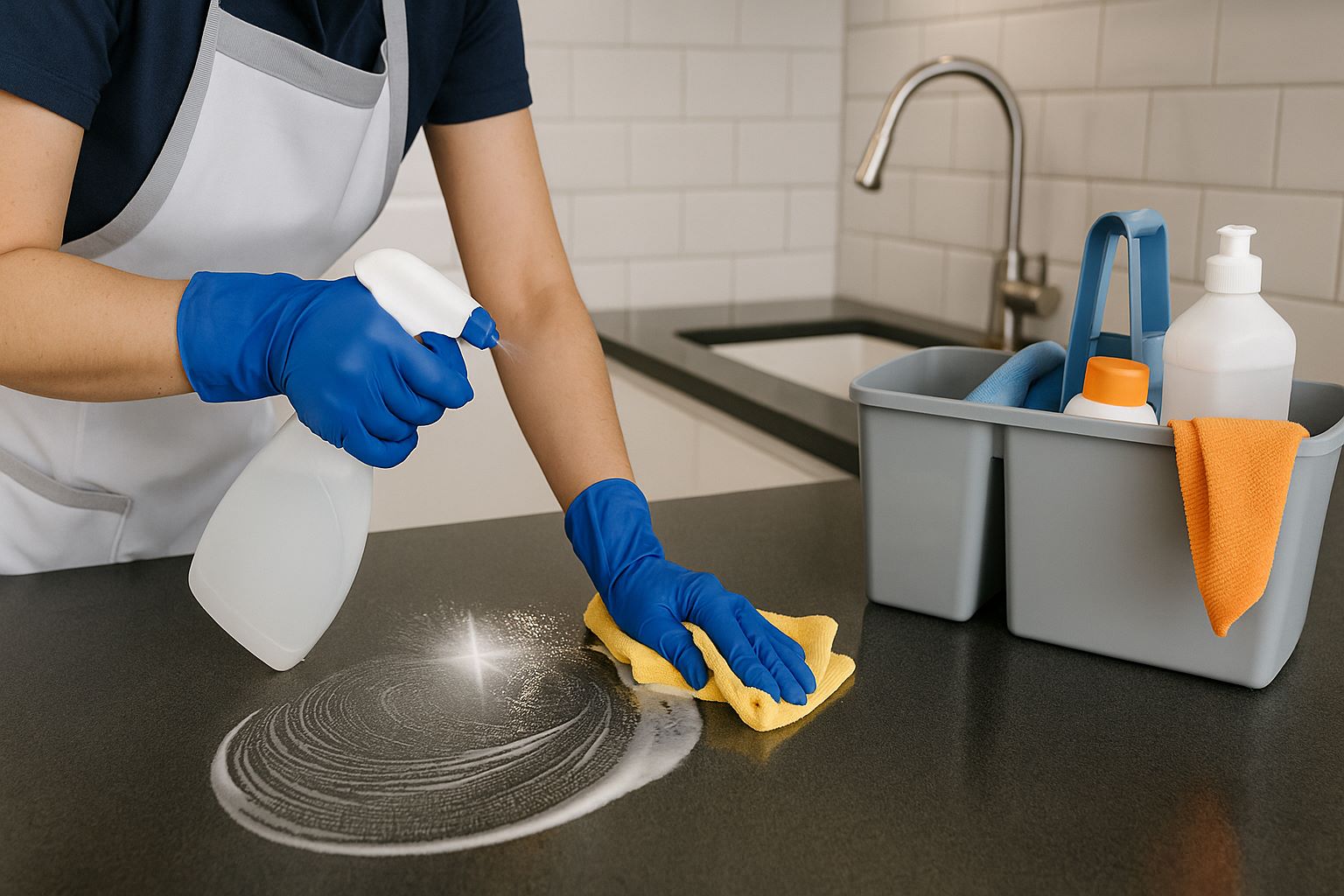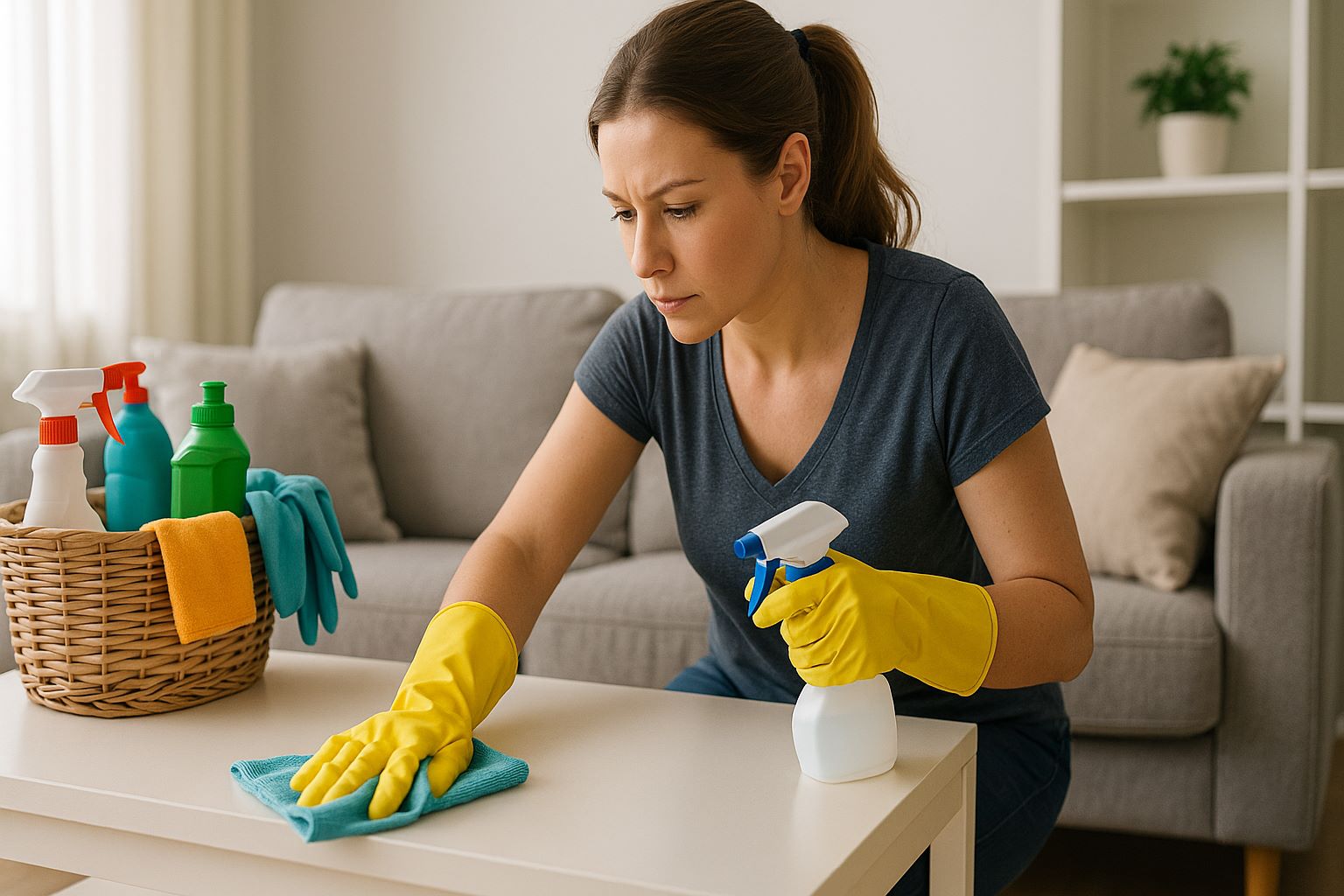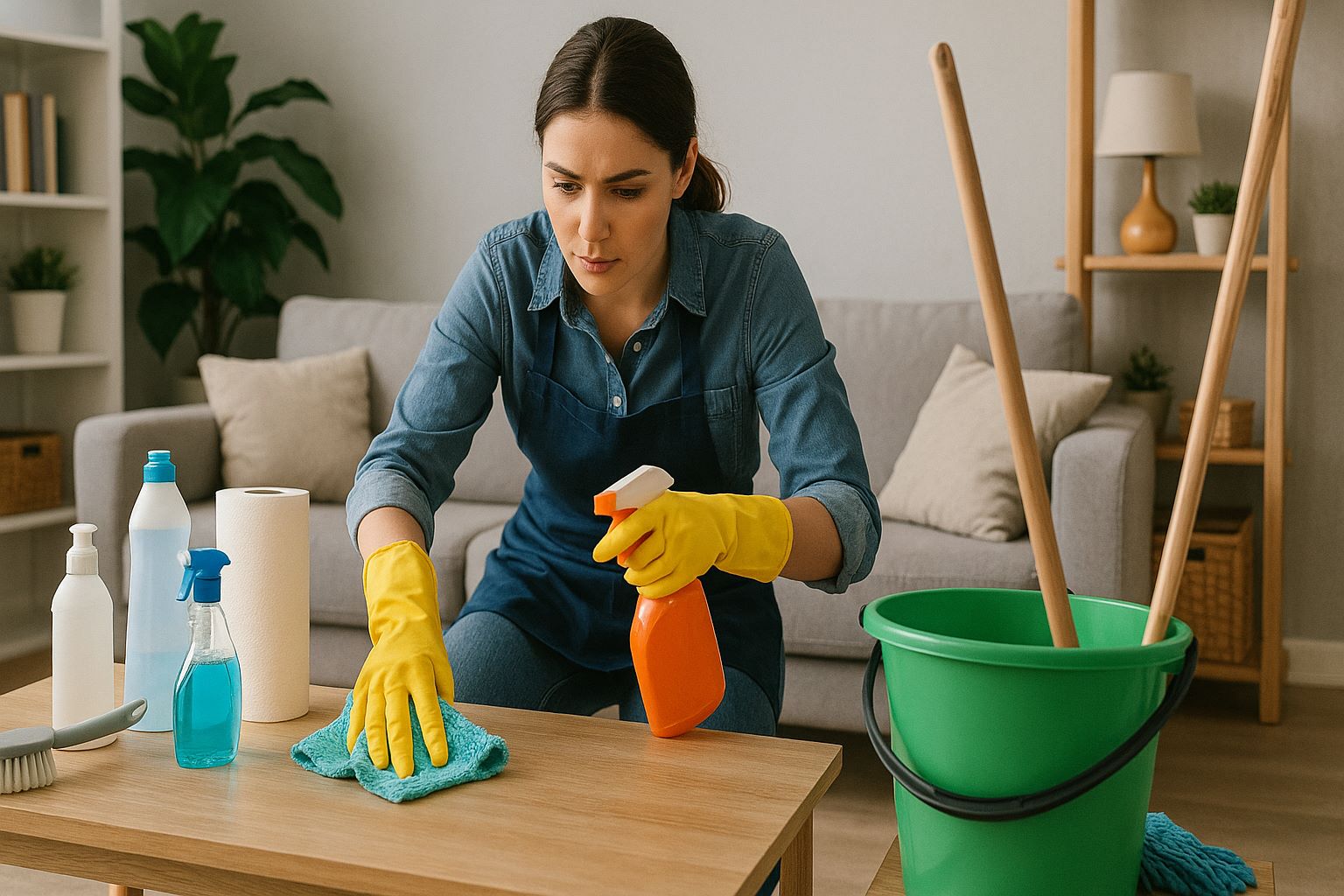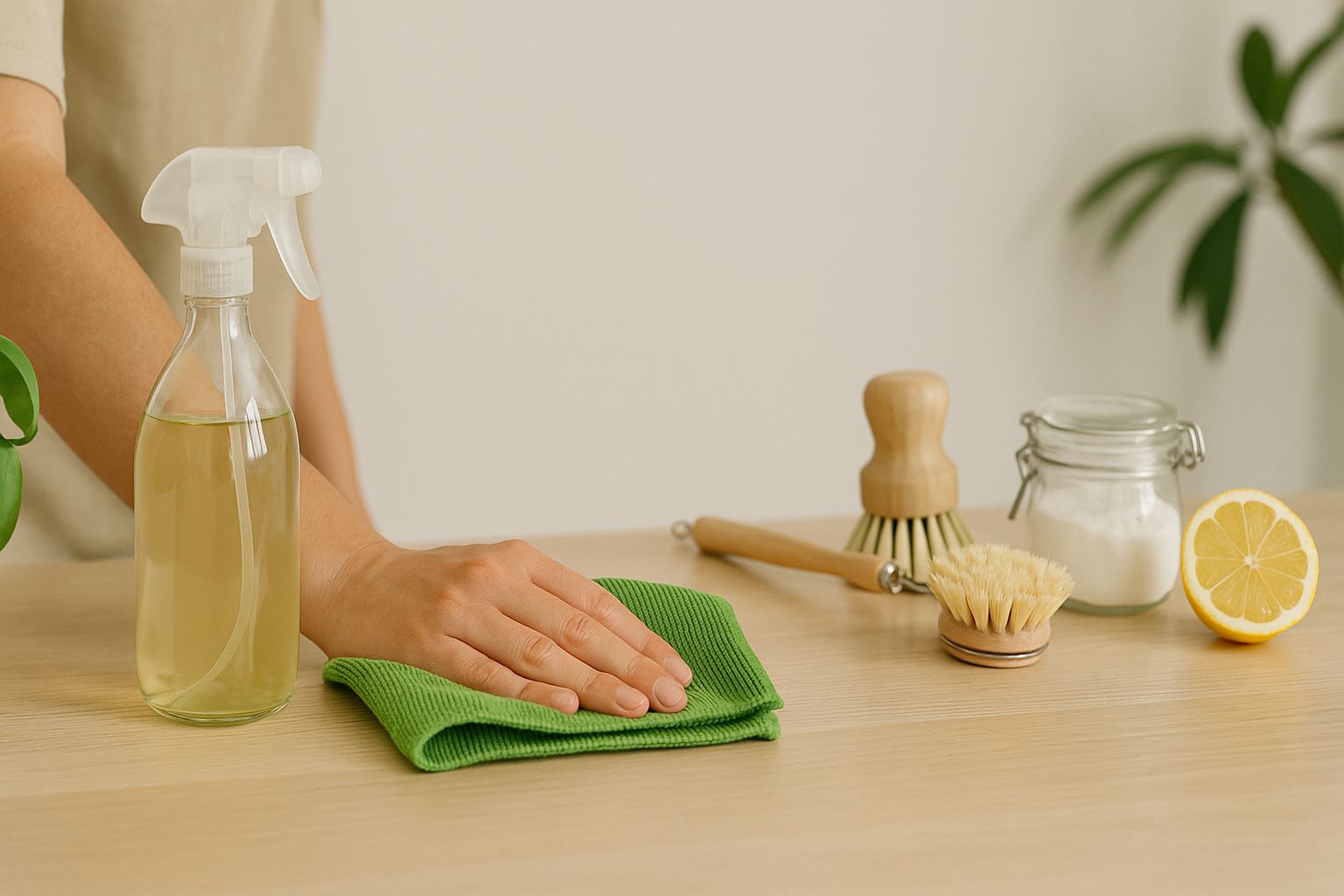
Maintaining a clean home is essential for comfort, hygiene, and peace of mind. However, many commercial cleaning products contain harsh chemicals that can harm your health and the environment. The good news? You don’t need toxic substances to keep your house sparkling. Eco-friendly cleaning offers a safer, more sustainable alternative using natural ingredients that are both effective and affordable.
Thank you for reading this post, don't forget to subscribe!This comprehensive guide will show you how to keep your home spotless without harmful chemicals, using eco-friendly methods and everyday household items.
Why Choose Eco-Friendly Cleaning?
Before diving into the methods, let’s understand why eco-friendly cleaning is worth the switch.
1. Health Benefits
Conventional cleaning products often contain toxins like ammonia, chlorine, and phthalates. These chemicals can irritate the skin, eyes, and respiratory system. Eco-friendly alternatives are non-toxic and safe for everyone, including children and pets.
2. Environmental Protection
When harsh chemicals are rinsed down drains, they enter the water system, harming aquatic life and polluting waterways. Natural cleaners break down easily and leave no harmful residues.
3. Cost-Effective
Homemade and natural cleaning solutions often use ingredients you already have at home — like vinegar, baking soda, and lemon — making them budget-friendly.
4. Pleasant, Natural Fragrance
Unlike artificial air fresheners, eco-friendly cleaning relies on essential oils or citrus extracts, leaving a light, refreshing scent without synthetic perfumes.
Essential Eco-Friendly Cleaning Ingredients
Switching to natural cleaning doesn’t require fancy products. Most ingredients are probably already in your pantry.
1. White Vinegar
A natural disinfectant that cuts through grease, soap scum, and mineral deposits. Ideal for glass, countertops, and bathroom surfaces.
2. Baking Soda
Great for scrubbing, deodorizing, and removing stains. It’s a gentle abrasive that won’t damage surfaces.
3. Lemon Juice
Lemon’s acidity breaks down grime, kills bacteria, and leaves a fresh scent. It also helps dissolve grease and mineral buildup.
4. Castile Soap
A plant-based soap that’s biodegradable and safe for all-purpose cleaning.
5. Essential Oils
Tea tree, lavender, eucalyptus, and citrus oils not only add fragrance but also offer natural antibacterial properties.
6. Hydrogen Peroxide
Acts as a natural disinfectant for bathrooms, cutting boards, and sinks.
Eco-Friendly Cleaning Recipes
Here are simple DIY recipes for effective, non-toxic cleaning solutions:
1. All-Purpose Cleaner
Ingredients:
- 1 cup white vinegar
- 1 cup water
- 10 drops lemon or lavender essential oil
Instructions:
Mix in a spray bottle and use on countertops, tiles, and glass. Avoid using on natural stone surfaces like granite or marble (vinegar can damage them).
2. Natural Glass Cleaner
Ingredients:
- 2 cups water
- ½ cup white vinegar
- 1 tablespoon cornstarch
Instructions:
Shake well before each use and spray on mirrors or windows. Wipe with a microfiber cloth for a streak-free shine.
3. Grease-Cutting Kitchen Spray
Ingredients:
- 1 tablespoon baking soda
- 1 cup warm water
- 1 teaspoon castile soap
- 5 drops orange essential oil
Instructions:
Apply to stovetops, range hoods, and kitchen counters to remove grease naturally.
4. Bathroom Disinfectant Spray
Ingredients:
- 1 cup vinegar
- 1 cup water
- 10 drops tea tree oil
Instructions:
Spray on tiles, faucets, and sinks to kill bacteria and remove water stains.
5. Carpet Deodorizer
Ingredients:
- 1 cup baking soda
- 10 drops lavender or eucalyptus oil
Instructions:
Sprinkle over carpet, leave for 15 minutes, then vacuum to remove odors and refresh the room.
Room-by-Room Eco-Friendly Cleaning Tips
1. Kitchen
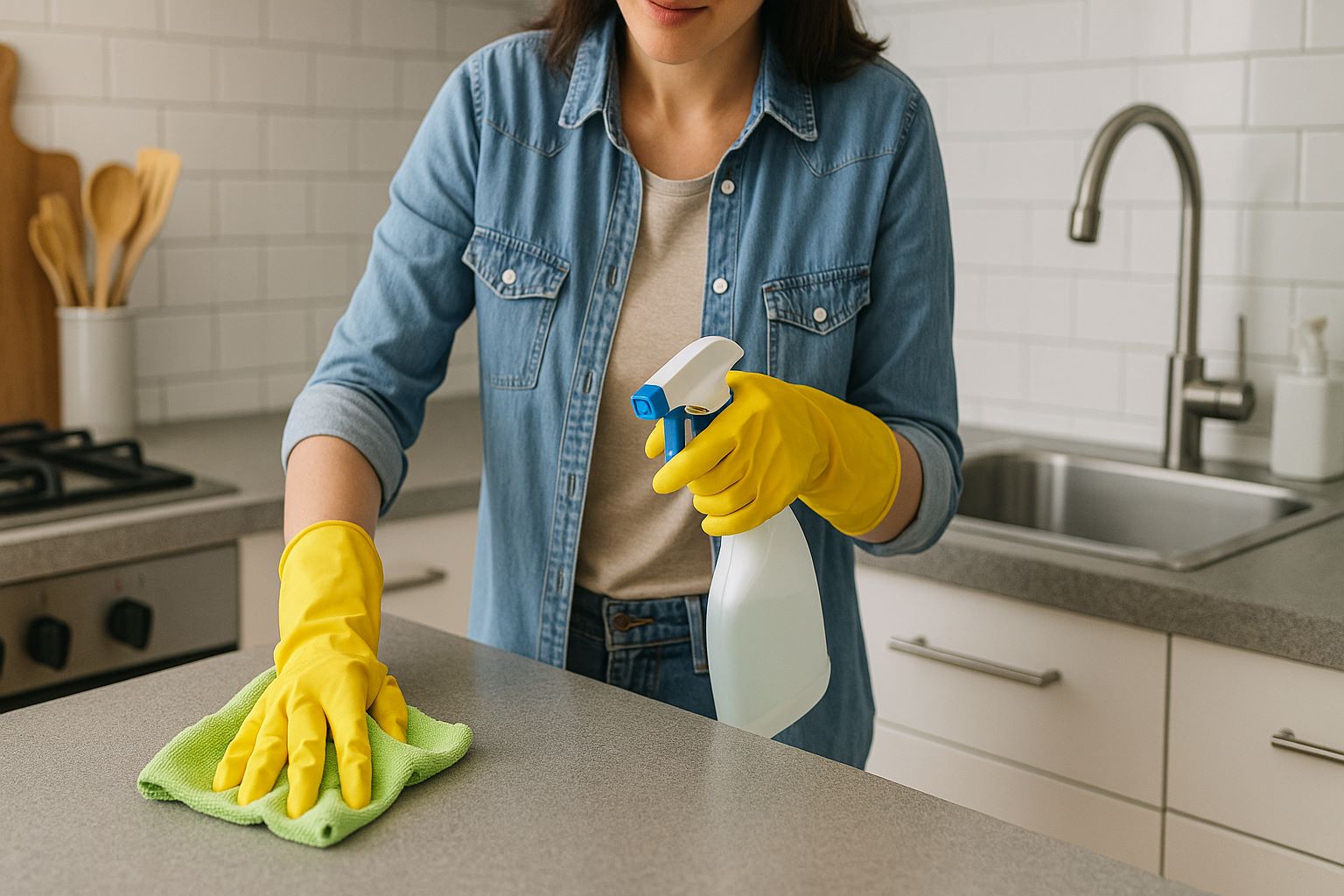
- Counters & Sinks: Clean with a mixture of vinegar and water.
- Microwave: Heat a bowl of water with lemon slices for 3 minutes. Wipe clean afterward.
- Refrigerator: Wipe shelves with baking soda and water solution to neutralize odors.
- Oven: Make a paste using baking soda and water, spread inside the oven, let it sit overnight, then scrub clean.
2. Bathroom
- Toilet: Pour half a cup of vinegar into the bowl, sprinkle with baking soda, let sit for 10 minutes, then scrub and flush.
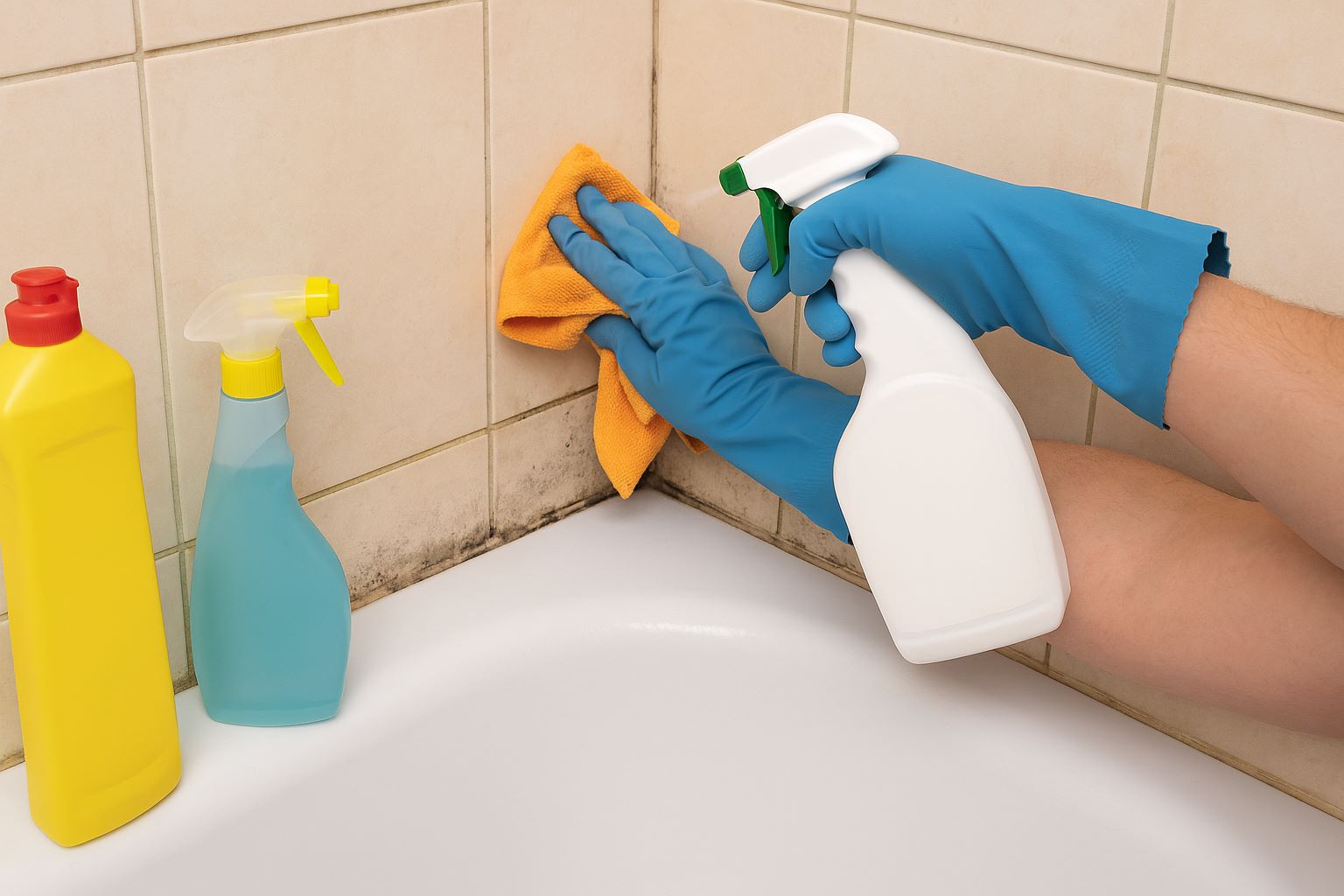
- Tiles & Grout: Mix baking soda with hydrogen peroxide to make a paste. Apply to grout lines, scrub, and rinse.
- Mirror: Use a vinegar-water solution for a streak-free reflection.
3. Living Room
- Furniture: Dust with a microfiber cloth. For wooden furniture, mix 1 part olive oil with 1 part vinegar for a natural polish.
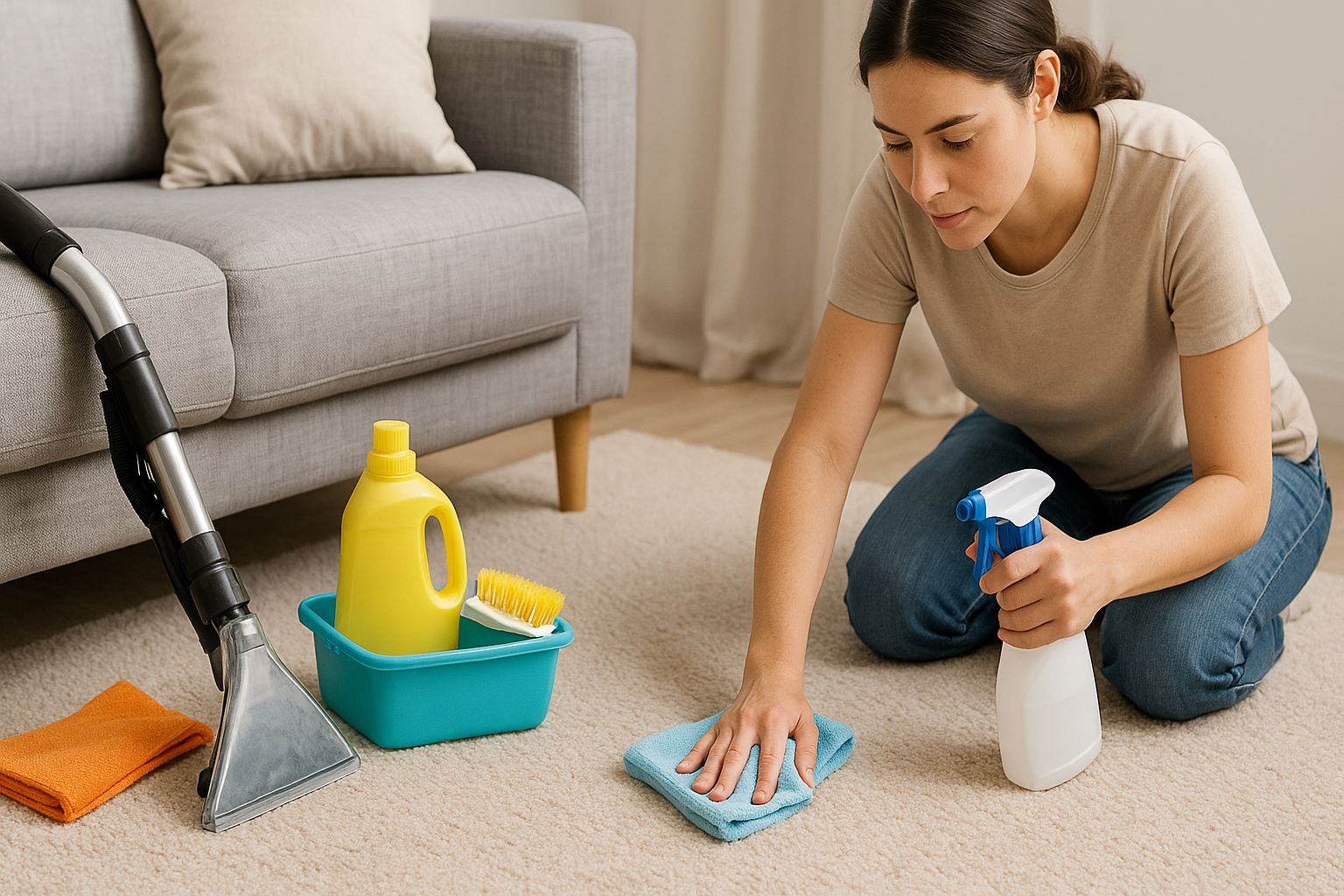
- Carpets & Rugs: Sprinkle baking soda, let it sit, and vacuum to remove odors and dirt.
- Windows: Spray vinegar-water mixture and wipe with newspaper or microfiber cloth.
4. Bedroom
- Mattress: Sprinkle baking soda, let sit for an hour, and vacuum. Add lavender oil for a soothing scent.
- Closets: Place small bowls of baking soda or activated charcoal to absorb odors naturally.
- Windows & Curtains: Use natural glass cleaner on windows and wash curtains with eco-friendly detergent.
5. Laundry Room
- Use eco-friendly detergents free of phosphates, dyes, and synthetic fragrances.
- Add ½ cup of vinegar during the rinse cycle to soften clothes naturally.
- Dry clothes outside when possible to reduce energy use and give them a fresh scent.
Eco-Friendly Cleaning Tools
Choosing the right tools enhances your cleaning efficiency while staying environmentally responsible.
1. Microfiber Cloths
Reusable and highly effective at trapping dust and dirt without chemicals.
2. Bamboo or Wooden Brushes
Durable, biodegradable, and ideal for scrubbing.
3. Reusable Spray Bottles
Opt for glass or BPA-free plastic bottles for your homemade solutions.
4. Steam Cleaner
A chemical-free tool that uses hot steam to disinfect and remove grime on floors and upholstery.
5. Compostable Sponges
Made from natural materials like cellulose, they can be composted when worn out.
Sustainable Cleaning Habits
Beyond ingredients and tools, eco-friendly cleaning is also about daily habits that reduce waste and pollution.
- Avoid Paper Towels: Use washable cloth rags instead.
- Buy in Bulk: Reduce packaging waste by purchasing concentrated cleaning supplies.
- Refill Containers: Use refill stations for detergents and soaps if available in your area.
- Conserve Water: Use minimal water while cleaning floors and washing dishes.
- Proper Waste Disposal: Recycle or compost cleaning materials whenever possible.
Common Mistakes to Avoid in Eco-Friendly Cleaning
- Mixing the Wrong Ingredients – Never mix vinegar with hydrogen peroxide in the same bottle; it forms a harmful acid.
- Using Too Much Essential Oil – Overuse can cause irritation; a few drops are enough.
- Skipping Patch Tests – Always test natural cleaners on a small spot first, especially on wood or fabric.
- Neglecting Ventilation – Even natural cleaners release strong scents; open windows while cleaning.
Benefits of Switching to Green Cleaning
When you make the transition to eco-friendly cleaning, you’re not just protecting your home — you’re contributing to a healthier planet.
- Reduces indoor air pollution.
- Prevents exposure to toxic chemicals.
- Saves money on commercial cleaning products.
- Supports a sustainable, zero-waste lifestyle.
Final Thoughts
Adopting eco-friendly cleaning habits is a small step that makes a big difference. By using natural ingredients like vinegar, baking soda, and essential oils, you can achieve a spotless home without endangering your health or the environment.
Sustainability begins at home — and cleaning green is one of the simplest ways to start. With these recipes, tools, and routines, you’ll enjoy a cleaner, fresher, and more eco-conscious living space every day.