For many aspiring athletes, the dream of turning their passion into a profession is both exciting and intimidating. The journey from amateur to professional is rarely easy — it demands not only physical talent but also discipline, perseverance, and a deep understanding of how the sports industry works.
Thank you for reading this post, don't forget to subscribe!In today’s competitive world, natural ability alone is not enough. Athletes must also master training techniques, build mental toughness, network with the right people, and take smart career steps. Whether you’re a young athlete, a college competitor, or someone just starting out, understanding the path from amateur to pro is the first step toward achieving your goals.
In this comprehensive guide, we’ll explore how athletes can go from playing for fun to competing at a professional level — and build a sustainable, successful career in sports.
1. Laying the Foundation: Discovering Your Passion and Potential
Every professional athlete starts with a spark — a love for the game. But passion alone isn’t enough; it must be paired with self-awareness and commitment.
Find Your Sport
The first step is to identify which sport best suits your physical and mental strengths. Try multiple sports early on to see where your skills shine. Some athletes are naturally inclined toward endurance-based sports like running or swimming, while others excel in team sports such as football, basketball, or cricket.
Assess Your Natural Abilities
Professional coaches and trainers can help evaluate your strengths through fitness assessments, skill evaluations, and psychological profiling. Knowing your strengths (and weaknesses) helps you focus your efforts where you have the greatest potential to succeed.
Commit to Consistency
Talent will only take you so far. The real key to success lies in consistency — showing up every day to train, improve, and compete. Many athletes who fail to go pro simply stop pushing when progress slows down. The pros never stop improving, even when they’re already great.
2. Training Like a Professional: Developing the Right Skills
Once you’ve chosen your sport, the next step is mastering your craft. This means refining technical skills, improving fitness, and building discipline.
Work with Qualified Coaches
A good coach is your greatest asset. They provide not only technical guidance but also motivation, structure, and feedback. Look for experienced coaches with a strong record of developing athletes at your level.
Focus on Physical Conditioning
Professional athletes follow strict training regimens that balance strength, endurance, flexibility, and recovery. This includes:
- Strength training to build muscle and prevent injury
- Cardio workouts to enhance stamina
- Agility drills to improve reaction time
- Rest and recovery routines to maintain long-term performance
Nutrition and Hydration
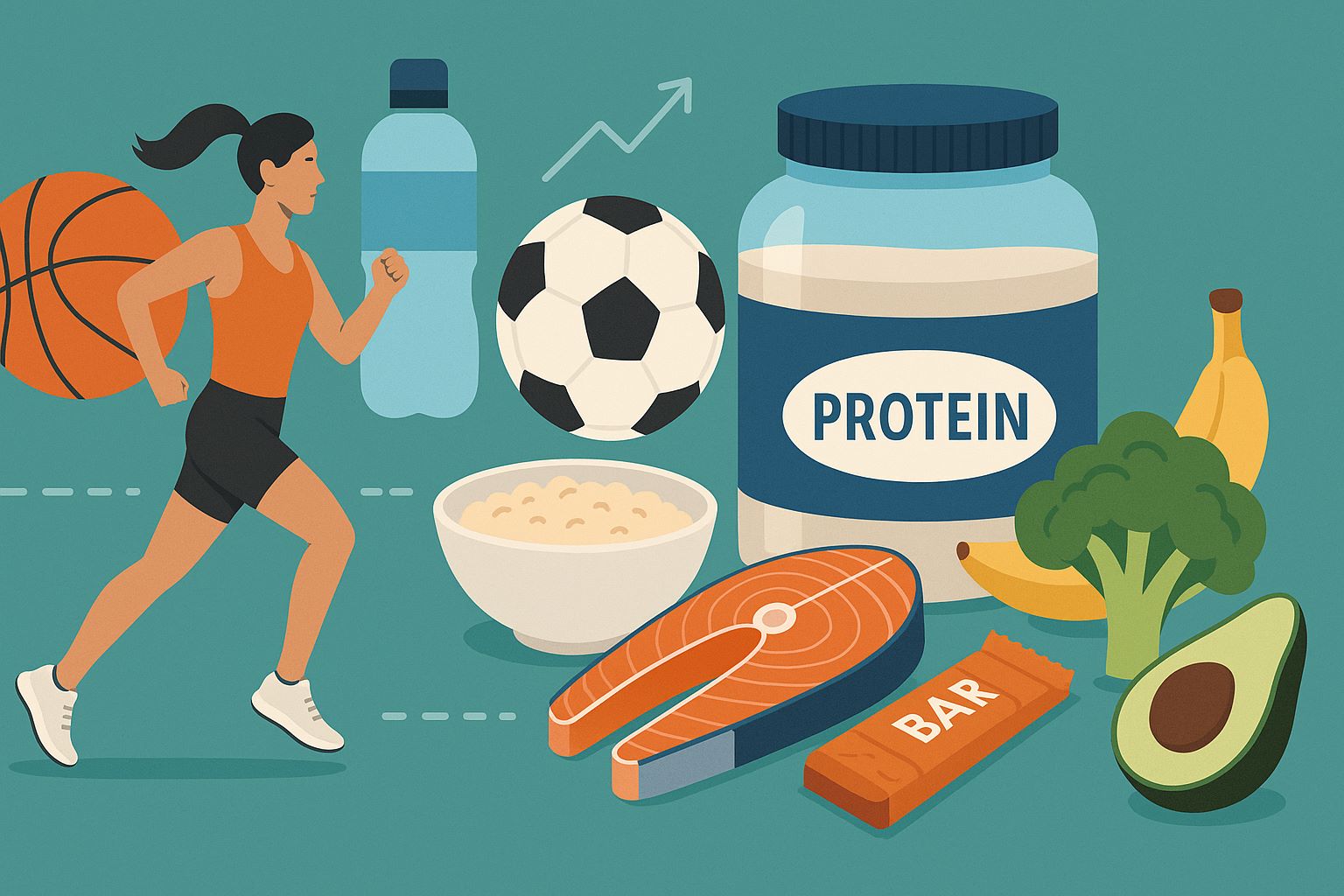
A balanced diet is crucial for fueling your body and maximizing performance. Sports nutritionists recommend meals rich in protein, complex carbohydrates, and healthy fats. Proper hydration before, during, and after training also ensures peak performance and reduces fatigue.
Set SMART Goals
Use SMART goals (Specific, Measurable, Achievable, Relevant, Time-bound) to track progress. For example, instead of saying “I want to get faster,” aim for “I will reduce my sprint time by 0.5 seconds within 3 months.”
3. Building Mental Toughness and Emotional Resilience
Physical training gets you into the game — mental strength keeps you there. Athletes at every level face setbacks, pressure, and self-doubt. Developing a strong mindset helps you handle challenges with confidence.
Stay Positive Under Pressure
Every loss or injury is an opportunity to learn. Mentally tough athletes focus on improvement instead of failure. Adopt a growth mindset — believe that skills can be developed through hard work and dedication.
Use Visualization and Focus Techniques
Visualizing success, rehearsing performances in your mind, and staying present during competitions are proven ways to boost confidence and consistency.
Build Support Networks
Having family, teammates, and mentors who believe in you makes a huge difference. Emotional support keeps you grounded when things get tough and helps you stay motivated for the long run.
4. Gaining Experience: Competing in Amateur and Semi-Pro Leagues
Experience is the bridge between training and professional competition. No athlete jumps straight from practice to the big leagues — real progress comes from participating in organized events, local tournaments, and amateur leagues.
Start Local
Begin with local clubs, school competitions, or community leagues. This helps you build confidence and learn how to handle real competition.
Join Regional and National Events
Once you start winning at the local level, move up to regional or national tournaments. These larger competitions expose you to higher levels of skill and intensity.
Play for a Team or Club
Joining a sports club or academy can provide structured training, exposure to scouts, and opportunities for professional connections.
Keep a Record of Your Achievements
Maintain a detailed record of your performances — stats, awards, videos, and press mentions. This “sports portfolio” is essential when approaching agents, scouts, or teams later in your career.
5. Networking and Finding Opportunities
Like any career, success in sports often depends on who you know. Building connections can open doors that talent alone might not.
Connect with Coaches and Scouts
Scouts and recruiters are always looking for new talent. Attend camps, clinics, and showcases where professional teams and agents are present.
Use Social Media and Digital Platforms
In today’s world, online visibility is crucial. Create a professional social media presence showcasing your achievements, highlights, and training routines. Platforms like YouTube, Instagram, and LinkedIn can help you get noticed by teams and sponsors.
Work with Sports Agents
When you reach an advanced stage, consider signing with a certified sports agent. Agents help negotiate contracts, secure sponsorships, and manage your public image. Always research and choose agents who have a strong track record and genuine interest in your success.
6. Transitioning to Professional Sports
The transition from amateur to pro doesn’t happen overnight — it’s a gradual process that combines preparation, performance, and perseverance.
Tryouts and Drafts
Many sports have formal tryouts or draft systems, where players are evaluated by professional teams. Prepare thoroughly — scouts look for skill, attitude, teamwork, and professionalism.
Performance Consistency
Coaches and managers want players who perform well not just once, but consistently. Regular, reliable performance across multiple games or events demonstrates that you’re ready for the next level.
Understand the Business Side
Professional sports are as much about business as they are about performance. Learn about contracts, sponsorships, taxes, and media obligations. Understanding the financial side ensures a stable, long-lasting career.
7. Managing Your Brand and Public Image
In the digital era, being a pro athlete means being a public figure. Your image, reputation, and how you communicate online can affect endorsements, sponsorships, and fan relationships.
Build a Personal Brand
A strong personal brand reflects your values, achievements, and personality. Use consistent messaging across all platforms and stay authentic.
Engage with Fans
Fans are an athlete’s biggest supporters. Interacting with them through social media, charity events, or public appearances builds loyalty and goodwill.
Stay Professional
Avoid controversies, negative comments, or risky online behavior. Professionalism off the field is just as important as performance on it.
8. Lifelong Learning and Career Longevity
A sports career doesn’t end when you stop playing — it evolves. Many athletes transition into coaching, sports management, commentary, or entrepreneurship.
Keep Learning
Enroll in courses on sports science, management, or leadership. Expanding your knowledge helps you stay relevant and prepared for life after active competition.
Take Care of Your Health
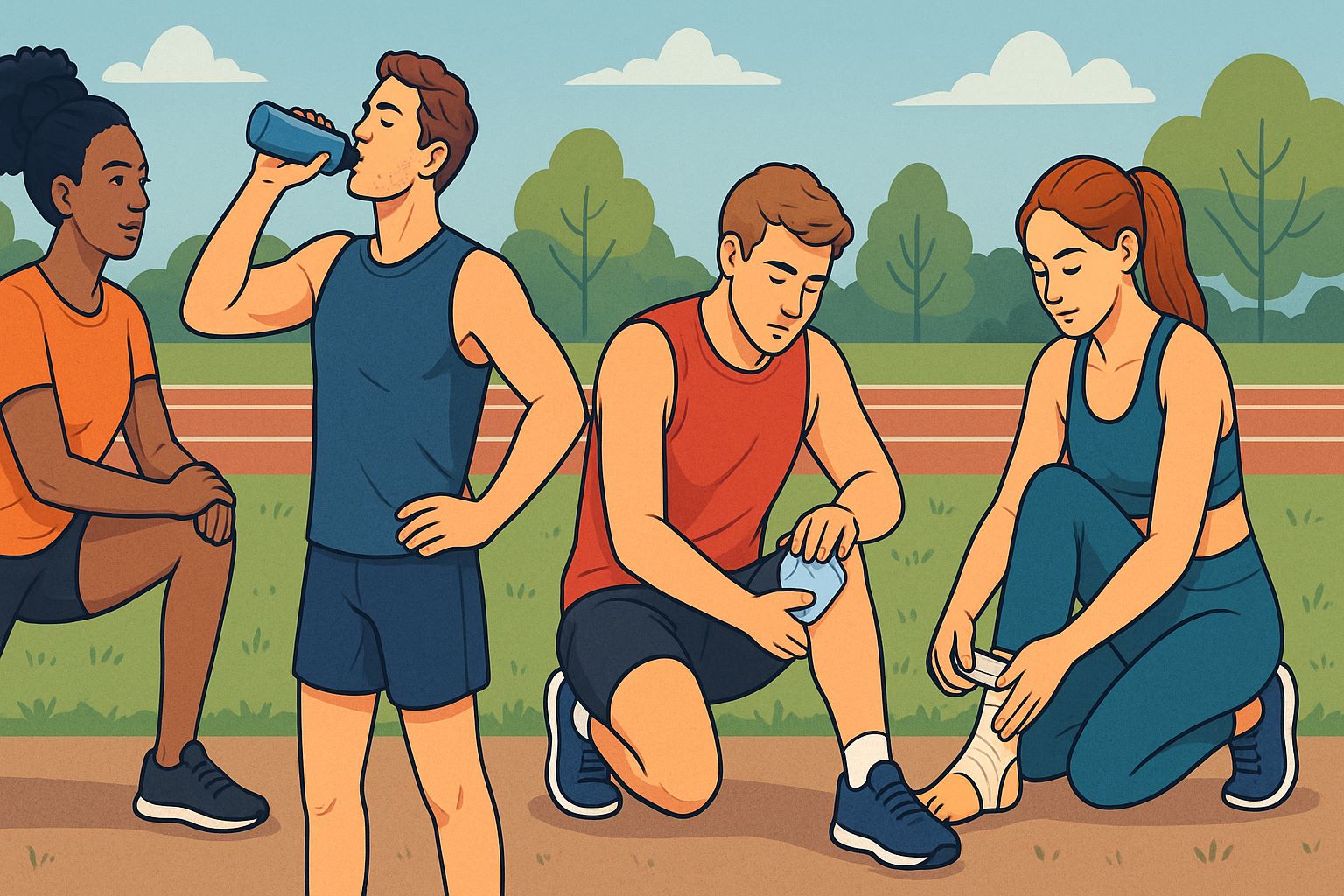
Injuries and burnout can shorten careers. Regular physiotherapy, balanced nutrition, and rest are essential for long-term performance and well-being.
Plan for the Future
Think ahead — save money, invest wisely, and plan for your post-sports career. Many successful athletes use their fame and experience to build new ventures after retirement.
Conclusion: Turning Dreams into Reality
The road from amateur to professional sports is not a sprint — it’s a marathon. It takes years of dedication, smart training, and resilience to reach the top. But for those who commit to the process, the rewards are extraordinary: representing your country, inspiring fans, and doing what you love for a living.
Every professional athlete once started where you are now — with a dream, a passion, and the determination to chase it. With the right mindset, hard work, and guidance, you too can build a successful career in sports and leave your mark on the game you love.