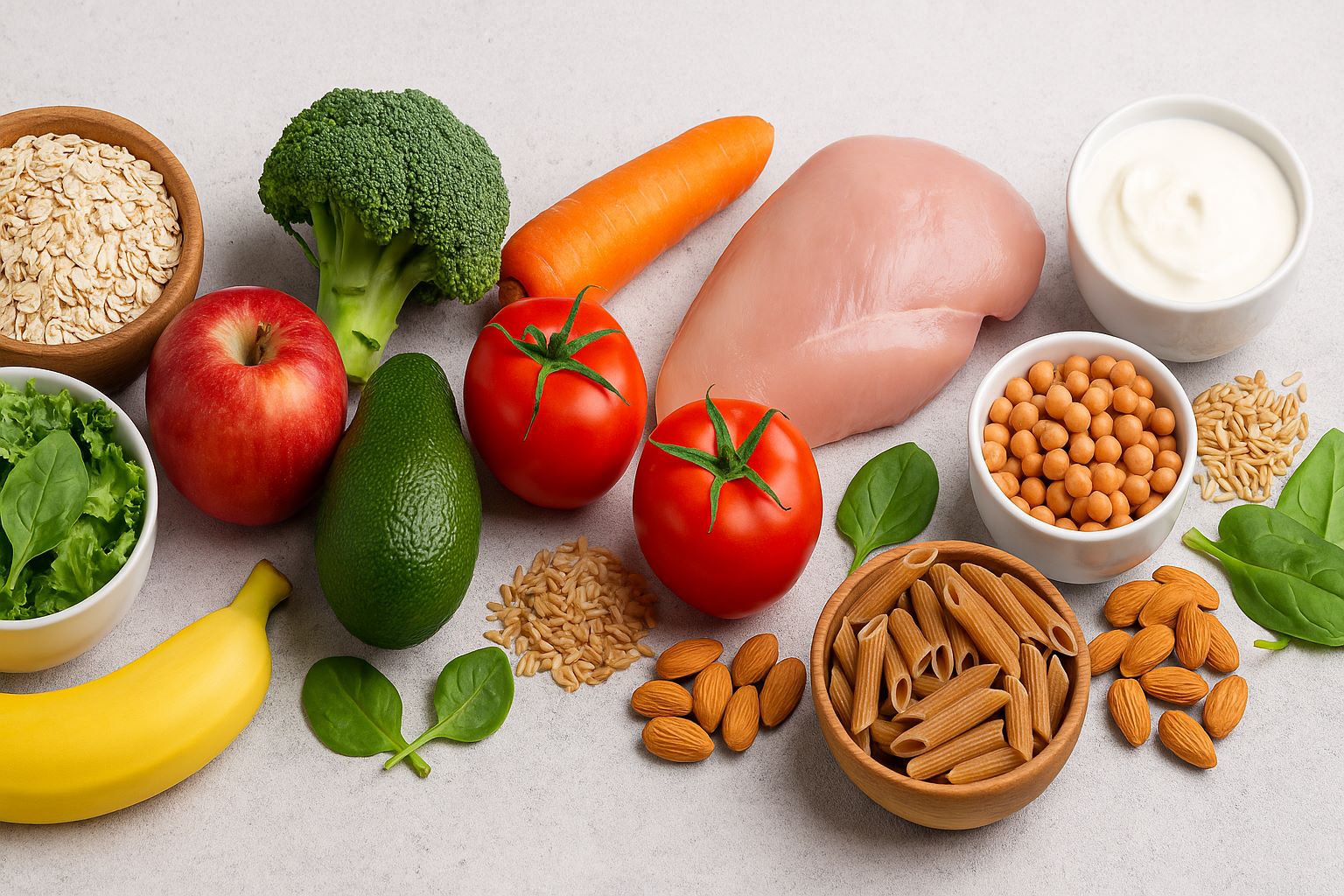
In a world where grocery prices are rising and fast food seems more affordable than ever, many people believe that eating healthy means spending a fortune. But the truth is, you don’t need expensive superfoods or fancy meal plans to nourish your body. With the right strategies, you can enjoy nutritious, delicious meals without breaking the bank.
Thank you for reading this post, don't forget to subscribe!Healthy eating is about making smart, intentional choices — knowing what to buy, how to store it, and how to cook it efficiently. Whether you’re a student, a busy professional, or feeding a family, this guide will show you how to eat well on a budget while still feeling great every day.
1. Why Healthy Eating Doesn’t Have to Be Expensive
A common misconception is that nutritious food always costs more. While some items like organic produce or exotic supplements can be pricey, healthy eating is ultimately about simplicity and balance, not luxury.
When you focus on whole, unprocessed foods — such as grains, beans, vegetables, and seasonal fruits — you’ll find that eating healthy can actually be cheaper than relying on pre-packaged or takeout meals.
Think about it: a bag of rice, a dozen eggs, and a pack of frozen vegetables can feed you for several days at a fraction of the cost of one restaurant meal.
Healthy eating isn’t about spending more — it’s about spending smarter.
2. Plan Your Meals Ahead of Time
The first and most powerful strategy for healthy eating on a budget is meal planning. When you plan your meals for the week, you reduce food waste, avoid impulse buys, and make shopping faster and more efficient.
Here’s how to do it:
- Make a weekly menu: Choose simple meals that use similar ingredients. For example, use beans for chili one day and in a salad the next.
- Check what you already have: Look through your pantry and fridge before buying new items.
- Write a shopping list — and stick to it: This keeps you from spending on snacks or unnecessary products.
Pro Tip: Meal planning saves not only money but also time and stress. You’ll always know what’s for dinner and won’t be tempted by takeout.
3. Buy in Bulk (and Store It Properly)
Buying in bulk is one of the best ways to save money on healthy staples. Items like rice, oats, beans, lentils, and nuts are often much cheaper per unit when bought in larger quantities.
To make the most of bulk buying:
- Store dry goods in airtight containers to keep them fresh.
- Freeze perishable items like meat or bread in portion sizes for later use.
- Share bulk purchases with friends or family if you don’t have storage space.
Bonus Tip: Buying in bulk reduces packaging waste, making it an eco-friendly choice too.
4. Choose Seasonal and Local Produce
Fruits and vegetables are healthiest — and cheapest — when they’re in season. Imported produce often costs more due to transportation and storage.
Visit local markets or roadside vendors to find fresh, affordable options. Not only will you save money, but you’ll also enjoy better flavor and nutrition.
Example:
- In summer: tomatoes, cucumbers, and berries are cheaper.
- In winter: root vegetables like carrots, potatoes, and cabbage are more affordable.
If possible, consider frozen fruits and vegetables — they’re often cheaper, last longer, and retain most of their nutrients.
5. Cook at Home More Often
One of the simplest ways to save money and eat healthier is to cook your own meals. Restaurant dishes and takeout meals often come with added oils, sugar, and salt — not to mention higher prices.
Home-cooked food gives you full control over ingredients, portions, and flavor.
Start with easy recipes like:
- Stir-fried vegetables with rice
- Lentil soup
- Whole-grain pasta with tomato sauce
- Omelets with spinach and cheese
Pro Tip: Batch cooking can save both time and money. Cook once, eat multiple times — and enjoy home-cooked meals all week long.
6. Embrace Plant-Based Proteins
Meat and seafood are among the most expensive items on grocery lists. Try replacing them occasionally with plant-based proteins, which are cheaper, healthier, and equally satisfying.
Affordable protein-rich foods include:
- Lentils and beans
- Chickpeas
- Tofu and tempeh
- Eggs
- Peanut butter
- Whole grains like quinoa and brown rice
You don’t have to become vegetarian — just balance your meals by adding more plant-based options.
Example: Swap one meat-based dinner each week with a hearty bean stew or vegetable curry. You’ll save money and boost your fiber intake too.
7. Limit Processed and Packaged Foods
Convenience foods like chips, sodas, frozen dinners, and sugary snacks may seem affordable, but they add up quickly — and often leave you feeling unsatisfied.
Processed foods are usually low in nutrients and high in calories, leading to more cravings (and more spending).
Instead, choose whole, single-ingredient foods: fruits, vegetables, grains, and proteins that you can prepare yourself. Not only will your wallet thank you, but your body will too.
8. Use Your Freezer and Leftovers Wisely
Your freezer is your best friend when it comes to saving money and reducing waste.
If you buy ingredients in bulk or cook in large batches, freeze portions for later. This helps prevent spoilage and ensures you always have something healthy ready when you’re too tired to cook.
Tips:
- Freeze soups, stews, and sauces in meal-sized portions.
- Store ripe fruits like bananas or berries for smoothies.
- Use leftover vegetables in stir-fries, omelets, or soups.
Nothing should go to waste — creativity in the kitchen can save hundreds over time.
9. Shop Smart — and Compare Prices
Don’t just grab the first product you see. Smart shoppers know that a few minutes of comparing prices can lead to major savings.
- Check unit prices (price per kilogram or liter) — not just the total cost.
- Try store brands — they often have the same quality as name brands but for less.
- Look for discounts, coupons, or loyalty programs.
- Shop with cash instead of a card to control spending.
Pro Tip: Avoid grocery shopping when you’re hungry — it leads to impulse buys and unnecessary snacks!
10. Drink More Water (and Skip Expensive Drinks)
One of the easiest ways to improve your health and save money is to ditch sugary beverages. Soft drinks, energy drinks, and even bottled juices can take a big bite out of your budget — and they offer little nutritional value.
Stick to water, herbal tea, or homemade smoothies instead. You’ll stay hydrated, save money, and avoid empty calories.
If you miss the flavor, add lemon slices, cucumber, or mint to your water for a refreshing twist.
11. Grow Your Own Food (Even in Small Spaces)
You don’t need a huge garden to grow food. Even a small balcony, windowsill, or backyard can produce herbs, tomatoes, or leafy greens.
Growing your own food:
- Saves money
- Reduces waste
- Gives you access to fresh, organic produce
- Teaches valuable life skills
Start small — try basil, mint, or green onions. You’ll be surprised how satisfying (and cost-effective) it can be.
12. Practice Portion Control
Eating healthy doesn’t just mean choosing the right foods — it also means eating the right amounts. Overeating wastes food and money.
Serve smaller portions first, and eat slowly so your body can signal when it’s full. This simple habit reduces waste and promotes better digestion.
Final Thoughts: Healthy Doesn’t Mean Costly
Eating healthy on a budget isn’t about restriction — it’s about intention and creativity. You can enjoy nutritious, delicious meals every day without overspending if you:
- Plan ahead
- Cook at home
- Buy smart
- Avoid waste
When you make mindful choices, you’ll discover that health and affordability can go hand in hand.
Remember, the goal is progress — not perfection. Every small change toward smarter, healthier eating adds up to big results over time.
So, the next time you think healthy food is too expensive, remember: the most valuable investment you can make is in your health — and it doesn’t have to cost much at all.