Your heart is one of the most important organs in your body — it works tirelessly, pumping blood and delivering oxygen to every cell. Yet, many people don’t give their heart the care it truly deserves. Cardiovascular disease remains one of the leading causes of death worldwide, but the good news is that most heart problems are preventable through simple lifestyle changes.
Thank you for reading this post, don't forget to subscribe!This article will guide you through the key steps to maintaining a strong and healthy heart — from diet and exercise to stress management and preventive care. By adopting these habits, you can protect your cardiovascular system and enjoy a long, energetic, and fulfilling life.
Understanding Heart Health
The cardiovascular system includes your heart, blood, and blood vessels. It’s responsible for transporting oxygen, nutrients, and hormones throughout the body while removing waste products.
When your heart and blood vessels function well, your body gets the oxygen and nutrients it needs to perform efficiently. However, poor diet, stress, lack of physical activity, and bad habits like smoking can damage your cardiovascular system, leading to conditions such as hypertension, heart attacks, and stroke.
A strong heart doesn’t just happen — it’s built through consistent healthy choices.
1. Eat a Heart-Healthy Diet
What you eat directly affects your heart health. A balanced diet can lower cholesterol, reduce blood pressure, and decrease your risk of heart disease.
Key Foods for a Healthy Heart:
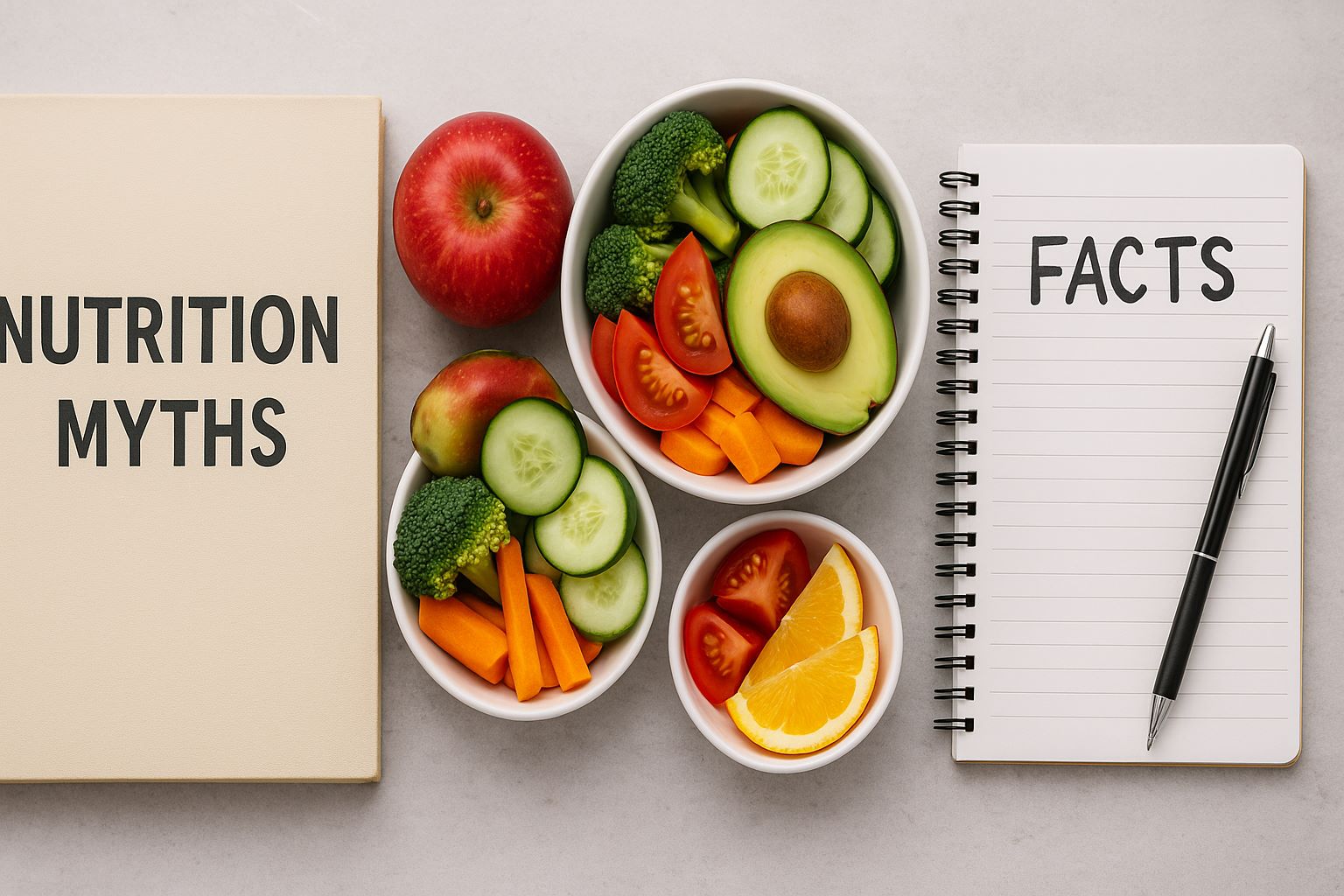
- Fruits and Vegetables: Rich in vitamins, minerals, and antioxidants that reduce inflammation. Aim for a colorful variety — spinach, berries, oranges, and tomatoes are excellent choices.
- Whole Grains: Foods like oats, brown rice, and whole wheat bread are high in fiber, which helps lower bad cholesterol (LDL).
- Healthy Fats: Replace saturated and trans fats with unsaturated fats found in olive oil, avocados, and nuts. Omega-3 fatty acids in fatty fish (like salmon, tuna, and sardines) also protect your heart.
- Lean Proteins: Choose lean meats, poultry, beans, and legumes instead of red or processed meats.
- Low-Fat Dairy: Opt for milk, yogurt, or cheese with less fat to reduce cholesterol intake.
- Limit Sodium and Sugar: High salt intake raises blood pressure, while too much sugar contributes to obesity and diabetes — both major heart risk factors.
Quick Diet Tips:
- Cook at home more often to control ingredients.
- Read food labels to check for hidden salt and sugar.
- Use herbs and spices instead of salt for flavor.
- Stay hydrated — water supports circulation and heart function.
Eating heart-healthy isn’t about restriction — it’s about balance and mindful choices that nourish your body.
2. Stay Physically Active
Exercise is one of the best ways to strengthen your heart. Regular physical activity helps lower blood pressure, control weight, improve cholesterol levels, and boost circulation.
Recommended Physical Activity:
- 150 minutes of moderate aerobic exercise per week (like brisk walking, swimming, or cycling).
- 75 minutes of vigorous activity (like running or high-intensity workouts).
- Add strength training twice a week to improve overall muscle tone and metabolism.
Simple Ways to Move More:
- Take the stairs instead of the elevator.
- Walk or bike for short errands instead of driving.
- Do a 10-minute workout during breaks.
- Try heart-friendly activities like dancing, yoga, or hiking.
The key is consistency — even small amounts of daily movement can make a huge impact on your heart health over time.
3. Maintain a Healthy Weight
Being overweight increases your risk of high blood pressure, diabetes, and heart disease. Maintaining a healthy weight helps reduce strain on your heart and keeps your cholesterol and blood sugar levels stable.
Tips for Healthy Weight Management:
- Focus on portion control — eat smaller, balanced meals throughout the day.
- Avoid fad diets; instead, aim for sustainable eating habits.
- Drink water before meals to prevent overeating.
- Monitor your Body Mass Index (BMI) and waist circumference, as excess belly fat is linked to cardiovascular issues.
Remember: slow, steady progress is more sustainable than quick fixes.
4. Quit Smoking and Limit Alcohol
Smoking is one of the most dangerous habits for your heart. It damages your arteries, reduces oxygen in the blood, and raises blood pressure — all leading to an increased risk of heart attack and stroke.
If you smoke, quitting is the single best thing you can do for your cardiovascular health. Within just weeks of quitting, your blood pressure and circulation improve, and your risk of heart disease begins to drop.
Similarly, excessive alcohol consumption can raise blood pressure, cause irregular heartbeats, and contribute to obesity. If you drink, do so in moderation — ideally, no more than one drink a day for women and two for men.
5. Manage Stress and Mental Health
Your emotional health has a powerful impact on your physical heart. Chronic stress triggers the release of hormones like cortisol and adrenaline, which can increase blood pressure, heart rate, and inflammation.
Healthy Ways to Manage Stress:
- Practice mindfulness or meditation — even 10 minutes a day can calm your nervous system.
- Engage in hobbies you enjoy — gardening, music, or reading.
- Exercise regularly to release endorphins (natural mood boosters).
- Connect with loved ones for emotional support.
- Prioritize rest and don’t overwork yourself.
Managing stress isn’t about eliminating it completely — it’s about learning to cope with it in healthy ways.
6. Get Enough Quality Sleep
Sleep plays a vital role in heart health. Poor sleep increases your risk of high blood pressure, obesity, and diabetes — all of which harm your cardiovascular system.
Better Sleep Habits:
- Aim for 7–9 hours of sleep every night.
- Maintain a consistent sleep schedule (same bedtime and wake-up time).
- Keep your room cool, dark, and quiet.
- Avoid caffeine, alcohol, and screens before bed.
- Practice a calming nighttime routine — such as stretching or reading.
Quality sleep helps your body recover, regulates stress hormones, and keeps your heart functioning at its best.
7. Keep Blood Pressure and Cholesterol in Check
High blood pressure (hypertension) and high cholesterol are two silent threats to heart health — they often show no symptoms until it’s too late.
How to Manage Blood Pressure and Cholesterol Naturally:
- Eat less salt — avoid processed foods and use herbs for flavor.
- Exercise regularly to keep blood vessels flexible.
- Limit saturated fats and trans fats, which raise bad cholesterol.
- Increase fiber intake to help remove cholesterol from the body.
- Monitor levels regularly with your doctor.
If prescribed medication, take it as directed. Consistency in treatment can prevent severe complications like heart attack or stroke.
8. Stay Hydrated
Hydration affects blood viscosity — or how thick your blood is. When you’re dehydrated, your heart has to work harder to pump blood. Drinking enough water keeps your blood flowing easily and your body functioning smoothly.
Aim for 8–10 glasses of water daily, and increase intake if you exercise or live in a hot climate.
9. Schedule Regular Checkups
Preventive care is one of the best ways to protect your heart. Regular checkups can catch early signs of heart disease before they become serious.
Essential Screenings:
- Blood pressure checks (at least once a year).
- Cholesterol and triglyceride levels.
- Blood sugar tests for diabetes risk.
- Weight and BMI monitoring.
Discuss your family history with your doctor — if heart disease runs in your family, you may need earlier or more frequent screenings.
10. Stay Positive and Consistent
Good heart health isn’t achieved overnight — it’s the result of daily choices and long-term habits. Celebrate small victories along the way, and don’t get discouraged by setbacks.
Remember: even small lifestyle changes — like walking 20 minutes a day or swapping fried foods for grilled ones — can add up to major heart benefits over time.
Final Thoughts
Your heart works nonstop for you — every minute of every day. The best way to thank it is by giving it the care it deserves.
By eating a balanced diet, staying active, sleeping well, managing stress, and avoiding harmful habits, you can strengthen your cardiovascular system and dramatically reduce your risk of heart disease.
Start today with one small change — your heart (and future self) will thank you for it.