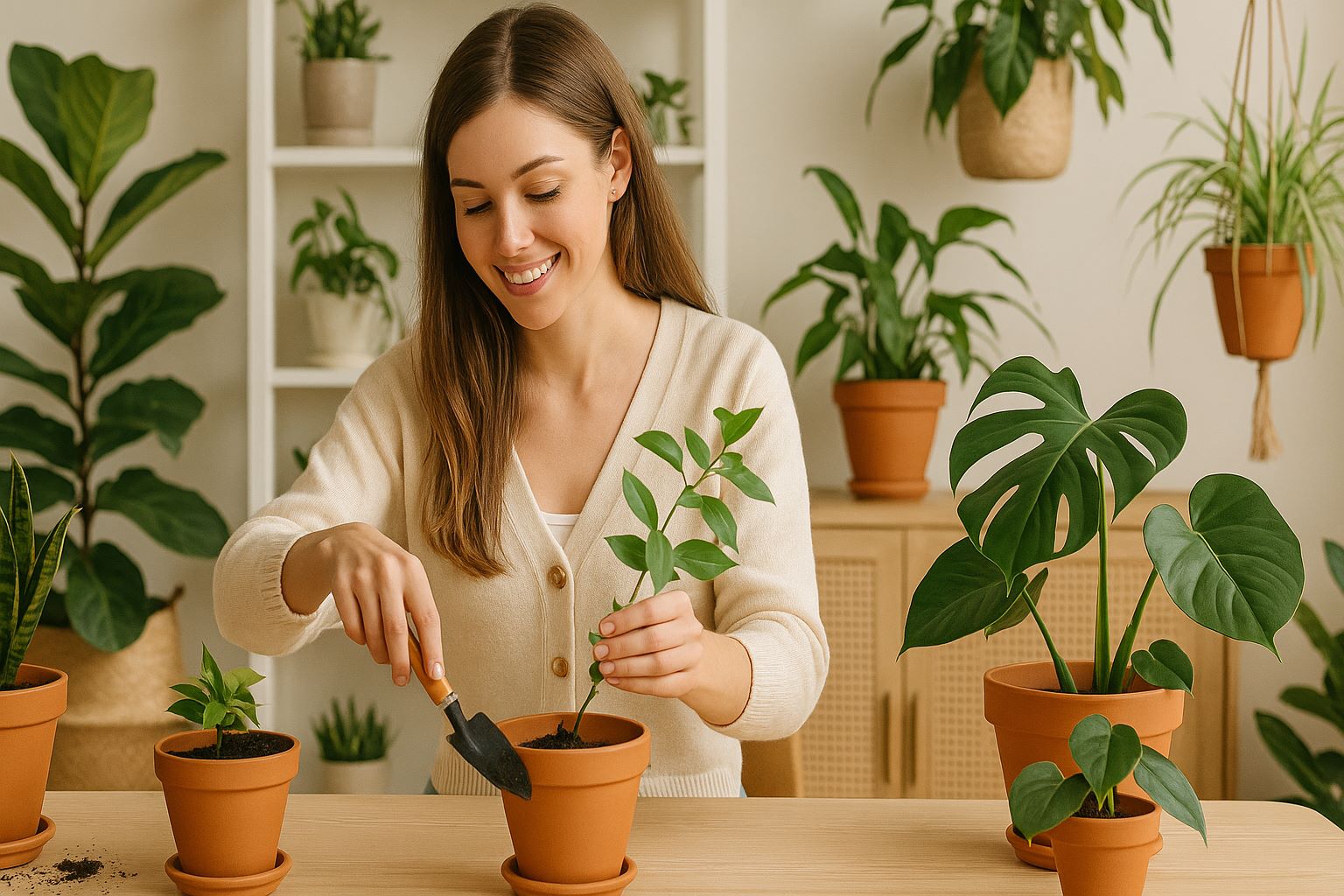
In today’s fast-paced urban world, not everyone has access to a backyard or an outdoor garden — but that doesn’t mean you can’t enjoy the beauty and benefits of plants. Indoor gardening has become a popular way to bring nature into your home, improve air quality, and create a peaceful, refreshing environment. Whether you’re a beginner or a seasoned plant lover, you can transform your living space into a lush green haven with the right ideas and techniques.
Thank you for reading this post, don't forget to subscribe!In this comprehensive guide, you’ll discover how to start your own indoor garden, the best plants to grow indoors, and creative design tips to help your greenery thrive year-round.
Why Indoor Gardening Is Worth It
Indoor gardening is more than just a trend — it’s a lifestyle choice with numerous physical and mental health benefits. Studies show that indoor plants can:
- Purify indoor air by removing toxins such as formaldehyde and carbon dioxide.
- Boost mood and reduce stress, helping to create a calm and positive atmosphere.
- Increase humidity, which is beneficial for skin and respiratory health.
- Improve focus and productivity, making them great additions to home offices and study areas.
Beyond the health perks, an indoor garden enhances your décor, adds natural beauty, and allows you to stay connected to nature — even in apartments or homes without outdoor space.
1. Choosing the Right Indoor Plants
The success of your indoor garden starts with choosing the right plants. Some species are naturally adapted to indoor environments and require less sunlight and maintenance.
Best Low-Maintenance Indoor Plants:
- Snake Plant (Sansevieria): Tough, air-purifying, and nearly impossible to kill.
- Pothos (Epipremnum aureum): Grows quickly in low light and looks great in hanging pots.
- Spider Plant (Chlorophytum comosum): Excellent for improving air quality and easy to propagate.
- Peace Lily (Spathiphyllum): Beautiful white blooms and thrives in indirect light.
- ZZ Plant (Zamioculcas zamiifolia): Tolerates neglect, drought, and low light.
If you prefer edible greenery, consider herbs like basil, mint, parsley, and chives — perfect for kitchen windowsills.
2. Selecting the Right Spot
Lighting is one of the most important factors in indoor gardening. Different plants have different light needs, so choose a location based on the amount of natural light available.
Light Conditions to Consider:
- Bright, indirect light: Ideal for most houseplants (near a sunny window but not in direct rays).
- Low light: Suitable for shade-loving plants like pothos or peace lilies.
- Artificial light: If your space lacks sunlight, use LED grow lights to mimic natural light.
Rotate plants occasionally to ensure even growth, and avoid placing them too close to heating vents or air conditioners, which can dry them out.
3. Use the Right Containers
The container you choose impacts both the appearance and health of your plants. Always pick pots with drainage holes to prevent root rot. You can get creative with materials — ceramic, terracotta, metal, or even recycled containers.
Container Tips:
- Self-watering pots are great for busy people.
- Hanging planters save floor space and add visual interest.
- Glass terrariums work beautifully for succulents and moss.
- Vertical planters are perfect for small apartments.
Make sure your containers fit the size of your plant — too big and the soil may stay soggy; too small and roots will be cramped.
4. Mastering Indoor Plant Care
Indoor plants may require less attention than outdoor gardens, but they still need proper care. Follow these basics for long-term success:
Watering:
Overwatering is the number one killer of houseplants. Check soil moisture before watering — if the top inch feels dry, it’s time to water. Always let excess water drain out.
Fertilizing:
Feed your plants once a month during the growing season (spring and summer) with a diluted organic fertilizer. In winter, most plants go dormant, so fertilizing isn’t necessary.
Pruning:
Trim dead leaves and spent flowers to encourage new growth. Pruning also keeps plants looking neat and healthy.
Cleaning:
Dust can block sunlight from reaching the leaves. Wipe leaves gently with a damp cloth every few weeks to keep them clean and shiny.
5. Try an Indoor Herb Garden
An indoor herb garden is both practical and decorative. Fresh herbs not only elevate your cooking but also fill your home with wonderful aromas.
Best Herbs to Grow Indoors:
- Basil: Loves sunlight — place it near a bright window.
- Mint: Grows quickly and thrives in partial shade.
- Parsley: Prefers moderate sunlight and well-drained soil.
- Rosemary: Needs full sunlight and dry conditions.
- Chives: Easy to grow and regrows after harvesting.
You can grow herbs in small pots, a tiered herb stand, or a window planter box. Remember to harvest them regularly to encourage fresh growth.
6. Create a Mini Indoor Jungle
If you have extra space and love greenery, transform a corner of your home into a mini indoor jungle. Combine plants of varying heights, textures, and colors for a lush, natural look.
Design Tips for an Indoor Jungle:
- Place tall plants like fiddle leaf figs or rubber plants in floor pots.
- Add medium plants like calatheas or ferns on tables or shelves.
- Hang trailing plants like pothos or philodendron from ceilings or macramé hangers.
- Use natural elements like wooden stands, stones, and woven baskets to complement the greenery.
This approach not only beautifies your space but also creates a calming retreat inside your home.
7. Try Hydroponic Gardening Indoors
Hydroponics — growing plants in water instead of soil — is a modern, mess-free way to enjoy gardening indoors. It’s perfect for tech-savvy gardeners or those who want to grow food year-round.
Advantages of Hydroponic Gardening:
- Plants grow faster due to direct nutrient absorption.
- No soil pests or weeds.
- Uses up to 90% less water than traditional gardening.
- Ideal for small apartments and kitchens.
You can buy compact hydroponic systems or create DIY setups for herbs, lettuce, or strawberries.
8. Experiment with Terrariums and Succulent Gardens
Terrariums are miniature gardens enclosed in glass — perfect for small desks or shelves. They require little maintenance and look stunning as home décor.
How to Create a Simple Terrarium:
- Choose a clear glass container (open or closed).
- Add small stones for drainage.
- Layer activated charcoal to prevent odor and mold.
- Add potting soil, then small plants like succulents or moss.
- Mist lightly and place in bright, indirect light.
Succulent gardens are another great option — they’re drought-tolerant, easy to care for, and come in various shapes and colors.
9. Incorporate Plants into Home Décor
Plants can enhance any interior design style, from minimalist to bohemian. Think of them as living decorations that add warmth and texture.
Creative Ideas:
- Use wall-mounted planters to create a green accent wall.
- Decorate shelves with small pots and trailing vines.
- Add a large statement plant in your living room or hallway.
- Use matching planters to coordinate with your furniture.
- Mix plants with candles, books, or art for a cozy, natural aesthetic.
10. Keep Your Indoor Garden Sustainable
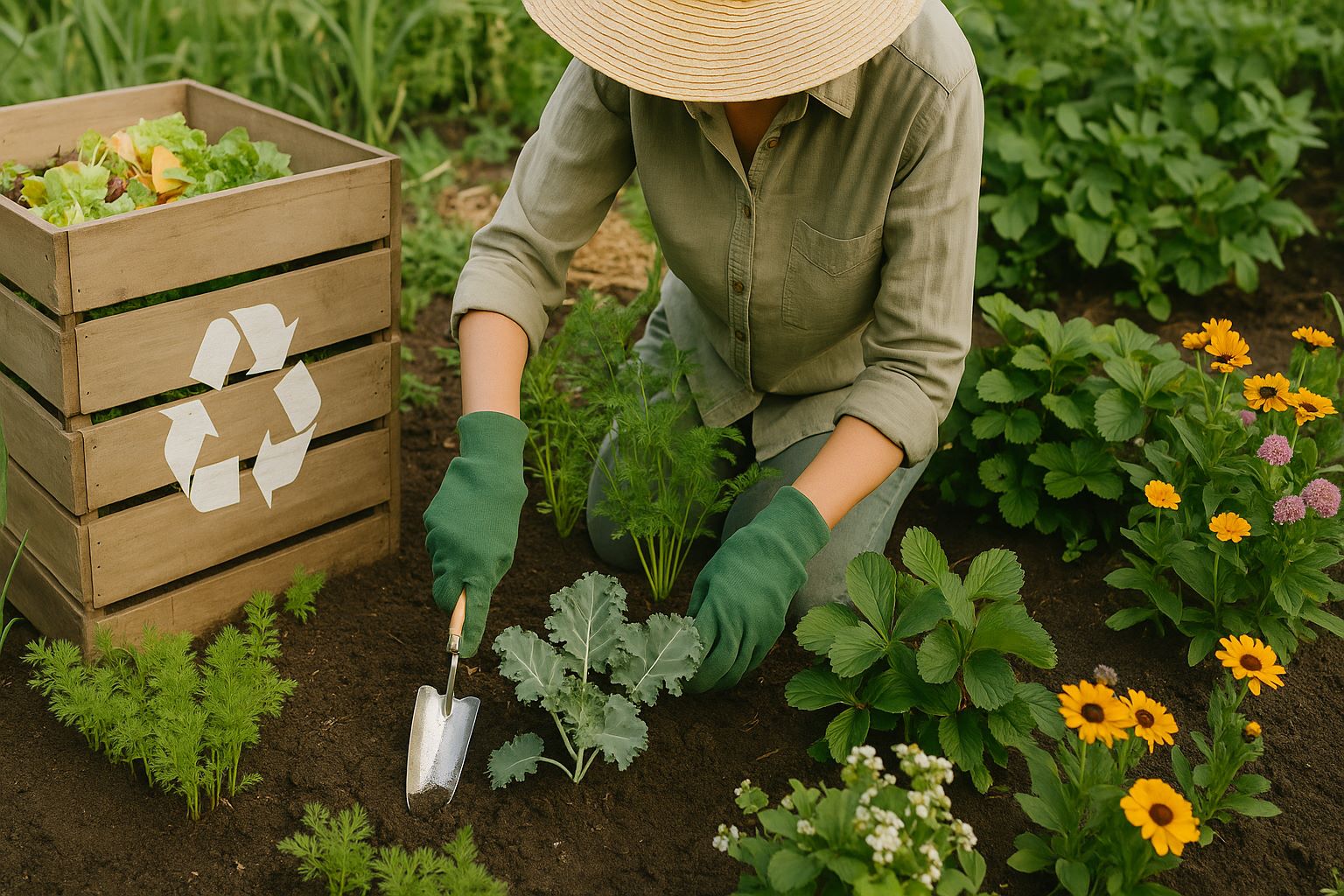
Indoor gardening can also be eco-friendly if done mindfully. Use organic soil, avoid synthetic fertilizers, and recycle containers whenever possible. You can even compost small kitchen scraps for use in your pots.
Switch to LED grow lights instead of high-energy bulbs and use rainwater or filtered water for your plants when possible. Sustainability keeps your indoor garden green in every sense.
Conclusion
Indoor gardening is a fulfilling hobby that reconnects you with nature — no matter where you live. From small windowsill herbs to lush green corners, every plant you grow brings life, beauty, and balance into your home.
By selecting the right plants, ensuring proper lighting, and maintaining them with care, you can create a thriving indoor oasis that purifies the air, soothes the mind, and adds joy to your daily life.
So, whether you start with a single succulent or a full indoor jungle, remember: every plant you nurture is a step toward a greener, happier home.