Debt can be a useful tool when handled correctly — it helps you buy a home, get an education, or build a business. However, when mismanaged, it can quickly turn into a heavy burden that limits your financial freedom and affects your peace of mind.
Thank you for reading this post, don't forget to subscribe!In a world where loans, credit cards, and buy-now-pay-later options are everywhere, learning to manage debt wisely is essential for long-term financial stability.
This comprehensive guide explores how to manage debt effectively, avoid common traps, and build a strong foundation for a secure financial future.
1. Understanding Debt: The Good, the Bad, and the Ugly
Not all debt is bad — the key is understanding the difference between good debt and bad debt.
Good Debt
Good debt is an investment in your future. It helps you build assets or increase your earning potential.
Examples include:
- Home Loans (Mortgages): Builds equity and long-term value.
- Student Loans: Increases knowledge and future income opportunities.
- Business Loans: Helps you grow a company or create wealth.
When managed responsibly, these debts can help you achieve financial goals.
Bad Debt
Bad debt, on the other hand, drains your resources and doesn’t add value.
Examples include:
- High-interest credit card balances
- Payday loans
- Personal loans used for non-essential spending
These types of debt often come with high interest rates, making them difficult to pay off and harmful to your financial health.
2. The Real Cost of Debt
Many people underestimate the true cost of borrowing. Debt is not just about the money you borrow — it’s about the interest you pay over time.
For example, if you owe $10,000 on a credit card with a 20% interest rate and make only minimum payments, it could take you over 15 years to pay it off — and you’ll pay nearly double the original amount in interest.
Lesson:
Understanding interest rates and repayment terms is crucial. Always calculate the total cost before taking on new debt.
3. Assessing Your Current Debt Situation
Before you can manage your debt, you need a clear picture of what you owe.
Step 1: List All Debts
Include:
- Credit cards
- Personal loans
- Auto loans
- Student loans
- Mortgages
Step 2: Note the Details
Record for each debt:
- Total balance
- Interest rate
- Minimum monthly payment
- Due date
This gives you a complete overview of your financial obligations and helps you decide which debts to tackle first.
4. Create a Realistic Repayment Plan
A solid debt management strategy starts with a repayment plan that fits your income and expenses.
The Two Most Popular Repayment Methods
1. Debt Snowball Method
- Focus on paying off the smallest debt first, while making minimum payments on others.
- Once the smallest debt is gone, move to the next smallest.
- This builds momentum and motivation.
Best for: People who need psychological wins to stay motivated.
2. Debt Avalanche Method
- Focus on paying off the highest interest rate debt first to save the most money long-term.
- Continue until all debts are cleared.
Best for: People who want to minimize total interest payments.
No matter which method you choose, consistency and discipline are what make the difference.
5. Set a Monthly Budget
You can’t control your debt without controlling your spending. A monthly budget helps you track where your money goes and ensures that you allocate enough to debt repayment.
Steps to Build a Debt-Friendly Budget
- List all income sources.
- Track all expenses — both fixed (rent, utilities) and variable (dining, entertainment).
- Set aside a specific amount each month for debt repayment.
- Cut unnecessary expenses and redirect those savings toward paying off debt faster.
Apps like Mint, YNAB (You Need A Budget), or PocketGuard can make budgeting easier and more effective.
6. Prioritize High-Interest Debt
High-interest debt, especially from credit cards or payday loans, can grow rapidly and trap you in a cycle of repayment.
Paying these debts off first will save you hundreds or even thousands in interest charges over time.
Example:
If you have:
- $5,000 credit card debt at 20% interest
- $10,000 student loan at 6% interest
Pay extra toward the credit card first — it costs you more in interest each month. Once that’s gone, redirect payments toward the next debt.
7. Consolidate Your Debts
If you have multiple high-interest debts, debt consolidation can simplify your payments and lower your interest rate.
Common Consolidation Options:
- Personal Loan: Combine all debts into one loan with a lower interest rate.
- Balance Transfer Credit Card: Move multiple balances to one card with 0% introductory interest (usually for 12–18 months).
- Debt Management Plan (DMP): Work with a credit counselor who negotiates with lenders on your behalf.
Tip: Consolidation works only if you stop adding new debt afterward.
8. Avoid Taking on New Debt
You can’t get out of debt if you keep borrowing more. It’s essential to break the cycle of dependency.
Practical Tips:
- Leave your credit cards at home when shopping.
- Use cash or debit cards to control spending.
- Avoid “buy now, pay later” temptations.
- Build an emergency fund to avoid borrowing in crises.
Even a small emergency fund of $500–$1,000 can prevent you from falling back into debt when unexpected expenses arise.
9. Negotiate with Creditors
If you’re struggling to make payments, don’t ignore your creditors — communicate with them. Most lenders would rather work with you than lose money to default.
Possible Negotiations Include:
- Lower interest rates
- Waived late fees
- Extended payment periods
- Settlement offers for less than the full balance
Contact your lenders early before the situation worsens — honesty and proactive communication often lead to flexible solutions.
10. Increase Your Income
While cutting expenses is important, increasing your income can dramatically speed up debt repayment.
Ways to Boost Income:
- Take a side job or freelance work.
- Sell unused items online.
- Ask for a raise or promotion.
- Start a small online business or gig-based work.
Apply any extra earnings directly toward your debt — this accelerates your progress and helps you regain control faster.
11. Build an Emergency Fund
An emergency fund acts as your financial safety net, preventing you from going back into debt when life throws a curveball.
How Much Should You Save?
- Start small: $500–$1,000 for basic emergencies.
- Long-term goal: 3–6 months’ worth of living expenses.
Keep this money in a separate savings account so you’re not tempted to spend it.
12. Monitor Your Credit Score
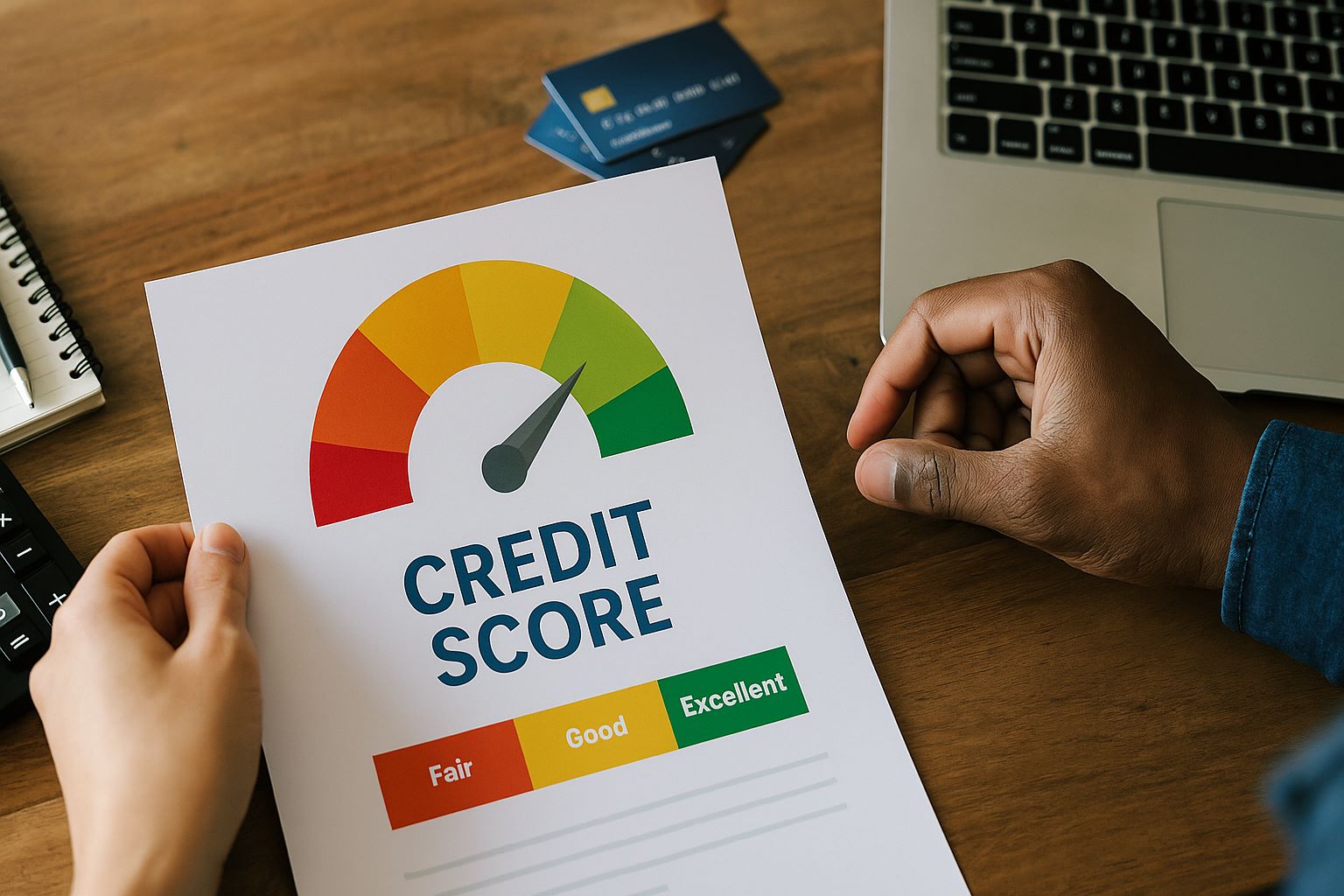
Your credit score reflects your financial behavior. Managing debt wisely improves this score, opening the door to lower interest rates and better financial opportunities.
To Maintain a Healthy Credit Score:
- Always make payments on time.
- Keep your credit utilization below 30%.
- Avoid applying for multiple loans at once.
- Review your credit report regularly to catch errors.
A good credit score helps you save money on future borrowing and strengthens your financial profile.
13. Seek Professional Help if Needed
If debt feels overwhelming, there’s no shame in asking for help. A certified financial counselor can create a customized repayment plan and negotiate with creditors for you.
Organizations That Can Help:
- National Foundation for Credit Counseling (NFCC)
- Financial Counseling Association of America (FCAA)
Avoid companies that promise instant results or debt elimination — legitimate counseling focuses on education and long-term success.
14. Change Your Money Mindset
Managing debt is as much about mindset as it is about money. Adopting the right financial attitude can transform your habits permanently.
Healthy Mindset Shifts:
- View debt repayment as freedom, not punishment.
- Celebrate progress, even small wins.
- Focus on financial discipline and delayed gratification.
- Remember: The goal is not just to be debt-free — but to stay that way.
15. The Benefits of Being Debt-Free
Once you’ve paid off your debts, your financial life changes dramatically.
Key Advantages:
- Reduced stress and better mental health.
- More savings for retirement or investments.
- Greater flexibility in career and life choices.
- Improved creditworthiness and borrowing power.
Freedom from debt gives you the power to live life on your terms — not your creditors’.
Conclusion
Managing debt wisely isn’t about perfection — it’s about progress and persistence. By creating a plan, budgeting effectively, avoiding new debt, and paying off high-interest loans first, you can achieve true financial stability.
Remember: Debt doesn’t define you — how you handle it does.
Start today by taking small steps toward becoming debt-free. Each payment you make brings you closer to peace of mind, financial independence, and a brighter, more secure future.