In today’s fast-paced world, stress and anxiety have become almost unavoidable. Whether it’s work deadlines, financial pressures, social expectations, or personal challenges, everyone experiences mental strain at some point. But while occasional stress is normal, chronic stress and anxiety can take a serious toll on your physical and emotional health.
Thank you for reading this post, don't forget to subscribe!The good news? You don’t need expensive therapy sessions or fancy retreats to protect your mental well-being. Small, consistent changes in your daily routine can make a huge difference. This article explores science-backed, practical ways to reduce stress and anxiety and build emotional resilience — so you can live a calmer, happier, and more balanced life.
1. Understand the Roots of Stress and Anxiety
Before you can manage stress, you need to understand what causes it. Stress is your body’s natural response to perceived threats, while anxiety is often a prolonged feeling of worry or unease about future events.
Common triggers include:
- Work or academic pressure
- Relationship conflicts
- Financial problems
- Health concerns
- Lack of sleep or poor nutrition
- Overuse of technology and social media
Identifying your personal stressors is the first step toward managing them. Keep a journal or note when you feel anxious and what triggered it — awareness gives you power to make changes.
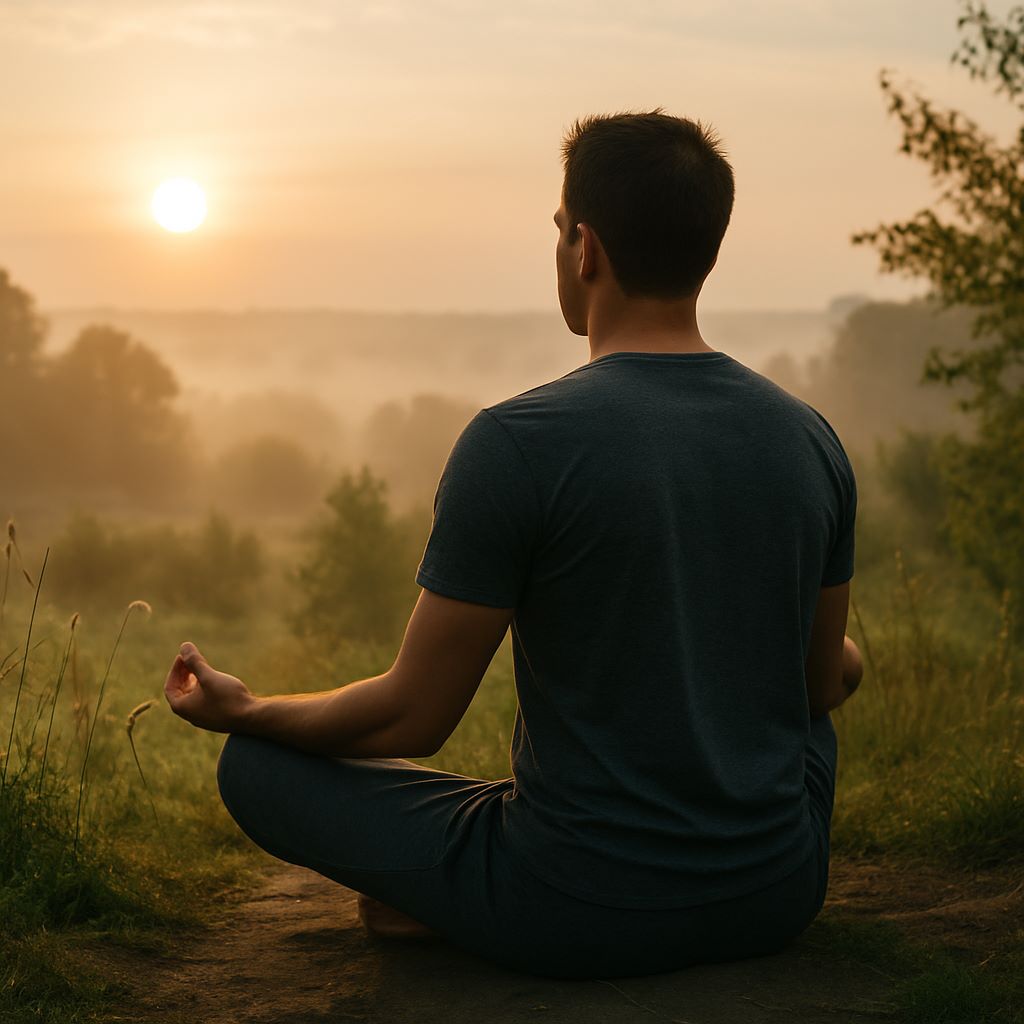
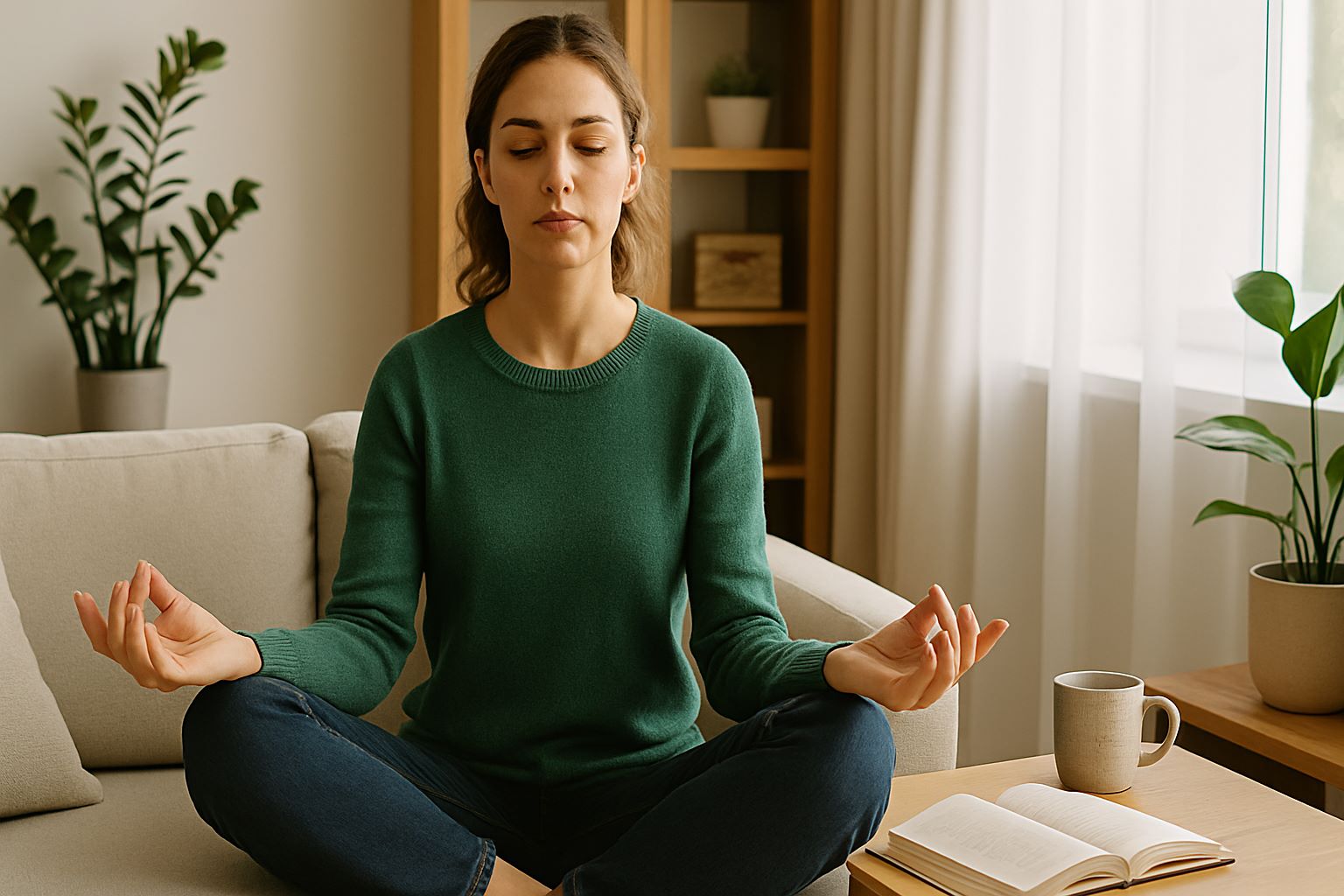
2. Practice Deep Breathing and Mindfulness
When stress hits, your body activates the “fight or flight” response — increasing heart rate, tightening muscles, and releasing stress hormones. Deep breathing helps reverse this reaction by calming your nervous system.
Try this simple breathing exercise:
- Sit or lie down in a quiet place.
- Inhale slowly through your nose for four counts.
- Hold your breath for four counts.
- Exhale gently through your mouth for four counts.
- Repeat for at least 5 minutes.
This technique, known as the 4-4-4 method, can instantly lower stress levels.
Pair breathing with mindfulness meditation, which involves focusing on the present moment without judgment. Research shows mindfulness reduces anxiety, improves concentration, and promotes emotional stability.
✅ Tip: Use free apps like Headspace or Calm to build a daily mindfulness habit.
3. Prioritize Quality Sleep
Sleep is the foundation of good mental health. When you’re sleep-deprived, your brain’s ability to regulate emotions weakens, making stress and anxiety worse.
Healthy sleep habits to adopt:
- Go to bed and wake up at the same time daily.
- Create a relaxing bedtime routine — read, stretch, or meditate before bed.
- Avoid screens and blue light an hour before sleeping.
- Keep your room cool, dark, and quiet.
- Limit caffeine and heavy meals in the evening.
Aim for 7–9 hours of sleep per night. Quality rest allows your mind to recharge and your body to recover from daily stressors.
4. Stay Physically Active
Exercise is one of the most effective natural stress relievers. Physical activity releases endorphins, the “feel-good” hormones that reduce tension, boost mood, and improve sleep quality.
You don’t need to spend hours at the gym — even 30 minutes of movement a day can make a difference.
Activities that help:
- Brisk walking or jogging
- Yoga or Pilates
- Dancing to your favorite music
- Swimming or cycling
- Strength training
The key is consistency. Exercise not only improves your physical health but also strengthens your mind against anxiety and depression.
5. Eat a Balanced, Brain-Boosting Diet
Your diet has a direct impact on how you feel mentally. Foods rich in nutrients like omega-3 fatty acids, magnesium, and B vitamins help regulate mood and reduce anxiety.
Eat more of:
- Leafy greens (spinach, kale) for magnesium
- Fatty fish (salmon, tuna, sardines) for omega-3s
- Whole grains and nuts for B vitamins
- Berries and dark chocolate for antioxidants
Avoid excessive sugar, caffeine, and processed foods — they can cause mood swings and energy crashes.
✅ Bonus tip: Stay hydrated. Even mild dehydration can cause irritability and fatigue.
6. Manage Technology and Social Media Use
Constant notifications, online comparisons, and negative news can overload your brain. Studies show that heavy social media use is linked to higher levels of anxiety, loneliness, and depression.
Set healthy digital boundaries:
- Take screen-free breaks throughout the day.
- Avoid scrolling before bed.
- Curate your feeds — unfollow accounts that make you feel anxious or inadequate.
- Try a “digital detox” one day a week to reconnect with real life.
Replacing screen time with offline activities like reading, painting, or spending time outdoors helps calm your mind and restore focus.
7. Build Strong Social Connections
Human beings are wired for connection. Talking to friends or loved ones can ease feelings of stress, loneliness, and worry. Social support gives you perspective, comfort, and encouragement during difficult times.
Ways to strengthen relationships:
- Call or meet friends regularly, even if it’s just for coffee.
- Join clubs, community events, or hobby groups.
- Volunteer — helping others boosts your own happiness.
- Be honest about your feelings instead of bottling them up.
Remember, it’s okay to ask for help. Sharing your emotions doesn’t make you weak — it makes you human.
8. Learn to Say “No”
Overcommitment is a silent stress trigger. When you take on too much — at work, home, or socially — you drain your energy and increase anxiety.
Setting healthy boundaries protects your time and mental space.
How to practice saying no:
- Be polite but firm: “I’d love to help, but I can’t right now.”
- Prioritize what truly matters.
- Don’t feel guilty about taking time for yourself.
Learning to say no isn’t selfish — it’s an act of self-care.
9. Practice Gratitude and Positive Thinking
Your mindset shapes your emotions. By focusing on gratitude, you train your brain to notice the good instead of dwelling on stress.
Try this daily gratitude exercise:
Each night, write down three things you’re thankful for — big or small. It could be a kind gesture, a beautiful sunset, or a personal win.
Over time, this practice rewires your brain for positivity and reduces feelings of anxiety.
✅ Bonus tip: Start your morning with a positive affirmation like, “I am in control of my thoughts and emotions.” It sets a calm tone for your day.
10. Seek Professional Help When Needed
Sometimes, stress and anxiety become overwhelming despite your best efforts. If you experience persistent sadness, panic attacks, or difficulty functioning in daily life, don’t hesitate to seek help from a mental health professional.
Therapists, counselors, and psychologists are trained to help you identify underlying issues and develop coping strategies. Cognitive Behavioral Therapy (CBT), for example, is highly effective in treating anxiety disorders.
You can also explore support groups — connecting with others facing similar challenges can be incredibly healing.
11. Engage in Relaxing Hobbies
Doing something you love is one of the best ways to relax your mind. Creative or calming activities distract you from anxious thoughts and give you a sense of joy and accomplishment.
Try:
- Painting or drawing
- Gardening
- Cooking or baking
- Listening to music
- Journaling
- Spending time in nature
Hobbies remind you that life isn’t just about responsibilities — it’s about enjoyment and self-expression.
12. Spend Time Outdoors
Nature has a proven calming effect on the brain. A simple walk in the park, breathing fresh air, or sitting under the sun can lower cortisol (the stress hormone) and boost serotonin levels.
Try “forest bathing” — a Japanese practice of mindfully immersing yourself in nature. You don’t need a forest; even 20 minutes outside can improve mood and reduce anxiety.
✅ Tip: Leave your phone at home and focus on the sights, sounds, and smells around you.
Final Thoughts
Mental health is just as important as physical health — and maintaining it requires daily effort. By incorporating small, realistic habits like mindfulness, exercise, gratitude, and connection, you can significantly reduce stress and anxiety.
Remember, it’s okay to slow down, to rest, and to prioritize yourself. Your mind needs care just like your body does.
Start today — breathe deeply, take a short walk, express gratitude, or simply give yourself permission to relax. Because when you nurture your mental health, you nurture every part of your life.