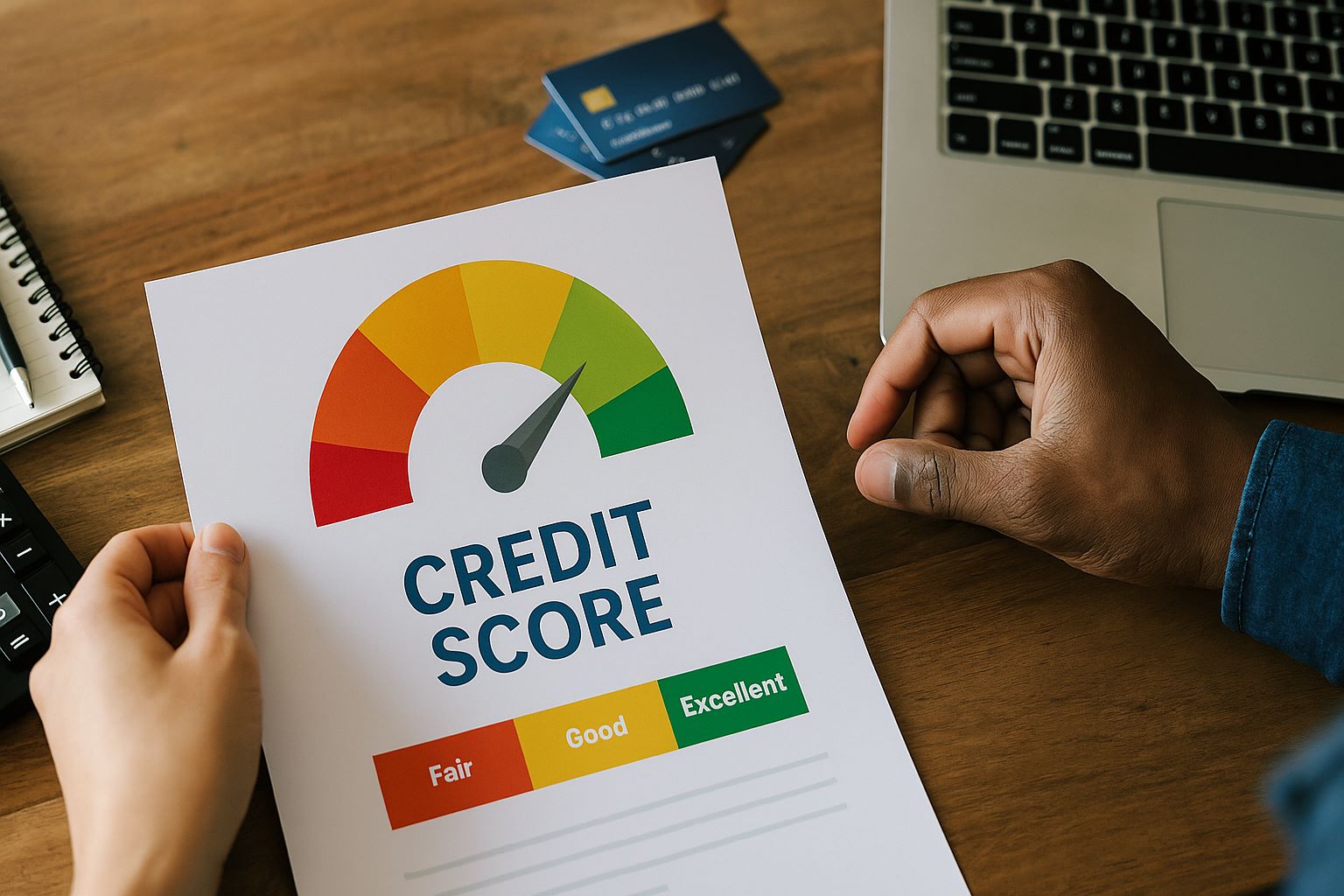
Managing your money wisely is one of the most important life skills you can develop. Whether you’re just starting your career, raising a family, or planning for retirement, personal finance plays a crucial role in shaping your financial freedom and peace of mind. In today’s fast-changing economy, mastering smart money habits can help you build wealth, reduce stress, and create a secure future for yourself and your loved ones.
Thank you for reading this post, don't forget to subscribe!This comprehensive guide will walk you through the fundamentals of personal finance, the habits that lead to long-term financial success, and the strategies to make your money work for you.
1. Understanding Personal Finance
Before diving into strategies, it’s essential to understand what personal finance really means.
Personal finance refers to managing your money through budgeting, saving, investing, and planning for future goals like buying a home, funding education, or retiring comfortably.
It includes several components:
- Income management: How much money you earn and how you allocate it.
- Budgeting: Planning where every rupee or dollar goes.
- Saving: Building a financial cushion for emergencies and future needs.
- Investing: Growing your wealth over time.
- Debt management: Handling credit cards, loans, and mortgages wisely.
- Insurance & protection: Safeguarding yourself from unexpected financial risks.
When you take control of these areas, you create a roadmap to financial independence.
2. The Importance of Financial Literacy
Financial literacy is the foundation of good money management. It’s the knowledge and understanding that allows you to make sound financial decisions. Unfortunately, many people never learn about saving, investing, or budgeting in school — which is why developing financial literacy on your own is so vital.
Being financially literate helps you:
- Avoid unnecessary debt and overspending.
- Make informed investment decisions.
- Build credit responsibly.
- Understand taxes and insurance.
- Plan for short-term and long-term goals.
The more you learn about money, the more power you have to control your financial destiny.
3. Building a Solid Budget
One of the first steps toward smart financial management is creating a realistic budget.
A budget helps you track your income and expenses, identify areas of overspending, and ensure that you’re saving enough each month.
How to Create an Effective Budget
- List Your Income: Include all sources — salary, freelance income, rental income, etc.
- Track Your Expenses: Write down everything you spend for at least a month to see where your money goes.
- Categorize Your Spending: Split expenses into fixed (rent, utilities, insurance) and variable (food, entertainment, travel).
- Set Spending Limits: Assign a maximum amount to each category and stick to it.
- Use the 50/30/20 Rule:
- 50% of income → Needs (bills, groceries, rent)
- 30% → Wants (leisure, hobbies)
- 20% → Savings or debt repayment
- 50% of income → Needs (bills, groceries, rent)
Budgeting apps like Mint, YNAB (You Need a Budget), or PocketGuard can make this process easier and more automated.
4. The Power of Saving Early
The earlier you start saving, the more your money grows thanks to compound interest — the process where your earnings generate even more earnings over time.
Tips for Building Strong Savings Habits
- Pay yourself first: Treat saving like a mandatory expense. Automatically transfer money to your savings account each month.
- Create an emergency fund: Aim for 3–6 months of living expenses to handle unexpected events like job loss or medical bills.
- Set specific goals: Saving for a vacation, a home, or retirement makes the process more motivating.
- Avoid lifestyle inflation: As your income grows, resist the urge to increase spending proportionally.
Even saving small amounts consistently can lead to major financial security in the long run.
5. Managing and Eliminating Debt
Debt can either be a useful tool or a financial trap, depending on how you manage it.
Credit cards, student loans, and mortgages can be helpful if handled wisely — but dangerous if ignored.
Smart Debt Management Tips
- Prioritize high-interest debt first: Focus on paying off credit cards or loans with the highest interest rates.
- Use the snowball method: Pay off small debts first to build motivation.
- Avoid taking unnecessary loans: Only borrow for assets that appreciate or generate income.
- Monitor your credit score: A good score (usually 700+) helps you get better loan rates and approvals.
- Avoid minimum payments: Paying only the minimum on credit cards can lead to long-term financial strain.
Debt freedom gives you greater flexibility and peace of mind.
6. Investing for Long-Term Wealth
Saving alone won’t make you wealthy — investing is where your money truly begins to grow.
Investing allows your money to work for you instead of the other way around.
Types of Investments
- Stocks: Ownership in companies that can grow over time.
- Bonds: Safer investments that offer fixed interest returns.
- Mutual Funds or ETFs: Diversified portfolios for beginner investors.
- Real Estate: Long-term appreciation and rental income.
- Retirement Accounts: Such as 401(k) or IRA plans, which offer tax benefits.
Key Investment Principles
- Start early: Time in the market beats timing the market.
- Diversify: Don’t put all your money into one asset type.
- Be consistent: Invest regularly, even small amounts.
- Think long-term: Avoid panic-selling during market dips.
Understanding your risk tolerance is also vital. If you prefer stability, choose conservative investments; if you can handle market fluctuations, explore higher-return options.
7. Protecting Your Financial Future with Insurance
Insurance might not seem exciting, but it’s essential for protecting your financial progress.
Unexpected events like illness, accidents, or natural disasters can wipe out savings if you’re unprepared.
Types of Insurance to Consider
- Health Insurance: Covers medical expenses.
- Life Insurance: Provides security for your family if something happens to you.
- Disability Insurance: Replaces income if you can’t work.
- Property Insurance: Protects your home and belongings.
Choosing the right insurance policies ensures your financial plan stays on track — even when life throws surprises your way.
8. Planning for Retirement
Retirement may seem far away, but the earlier you plan, the more comfortable your later years will be.
Relying solely on government benefits is risky — you need a personal retirement strategy.
Steps to Secure Retirement
- Start saving early: Even small contributions grow exponentially over decades.
- Use retirement accounts: Take advantage of employer-sponsored plans and tax benefits.
- Estimate your retirement needs: Calculate how much you’ll need to live comfortably.
- Revisit your plan regularly: Adjust for inflation, lifestyle changes, and income growth.
Your goal should be to achieve financial independence, where your investments generate enough income to cover your living expenses.
9. Avoiding Common Financial Mistakes
Even the best intentions can go wrong if you fall into common money traps.
Here are some mistakes to avoid:
- Overspending and living beyond your means.
- Ignoring credit card balances or late payments.
- Not having an emergency fund.
- Investing without research.
- Relying solely on one income source.
Avoiding these pitfalls keeps your finances healthy and your stress levels low.
10. Developing the Right Money Mindset
Financial success isn’t just about numbers — it’s also about mindset.
Building a positive relationship with money helps you stay disciplined, patient, and goal-focused.
Adopt These Money Mindset Shifts
- See money as a tool, not a goal.
- Focus on long-term rewards over short-term gratification.
- Stay consistent, even when progress feels slow.
- Celebrate financial milestones, no matter how small.
The right mindset keeps you motivated and confident on your journey to financial freedom.
Conclusion
Smart money habits don’t form overnight, but with consistent effort, knowledge, and discipline, you can take full control of your financial future. From budgeting and saving to investing and planning for retirement, every step you take today brings you closer to a life of stability and independence.
Remember: Personal finance is personal — what works for one person may not work for another. The key is to stay informed, set clear goals, and make decisions that align with your values and lifestyle.
With these strategies and habits, you can truly build a secure, prosperous, and stress-free financial future.