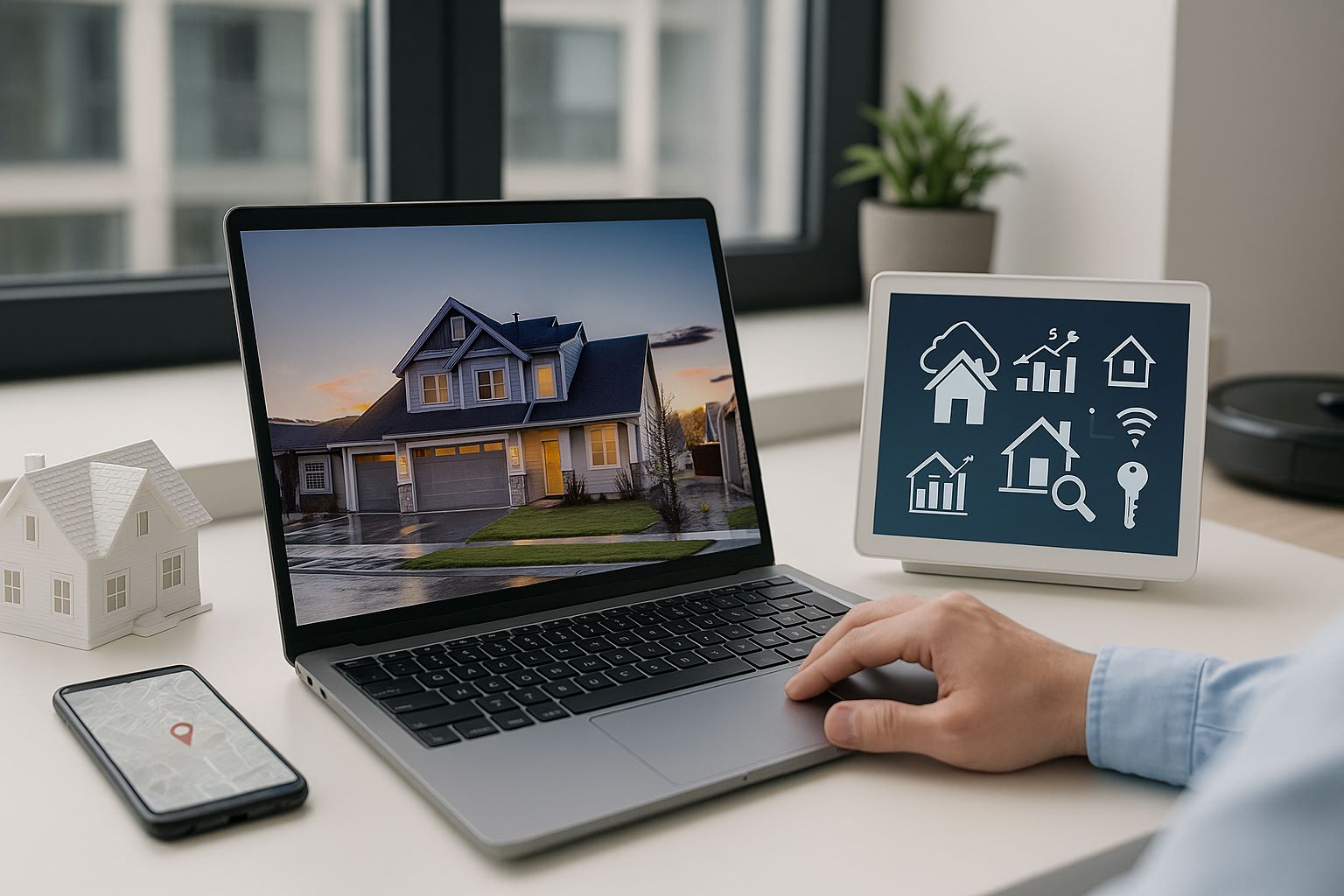
The real estate market is more competitive than ever. With thousands of listings available online, standing out and capturing the attention of potential buyers requires strategic, creative, and consistent marketing efforts. Whether you’re a real estate agent, developer, or property investor, your success largely depends on how effectively you market your properties.
Thank you for reading this post, don't forget to subscribe!To attract qualified buyers and close more deals, you need more than just good listings — you need a strong marketing strategy that blends digital innovation, branding, and relationship-building.
In this article, we’ll explore the most effective real estate marketing strategies to help you generate leads, boost visibility, and convert more prospects into loyal clients.
1. Build a Strong Online Presence
In today’s digital-first world, your online presence is your first impression. Most buyers start their property search on the internet, so it’s essential that your brand and listings are easily discoverable.
Key Steps:
- Create a professional website: Your website should feature high-quality images, video tours, property descriptions, and clear contact details.
- Make it mobile-friendly: More than 70% of property searches happen on smartphones.
- Optimize for SEO: Use keywords like “homes for sale in [city name]”, “best real estate agent near me”, and “investment properties in [region]” to improve search visibility.
- Update regularly: Keep listings fresh and relevant to encourage repeat visits and trust.
A strong online presence builds credibility and attracts serious buyers who are ready to take action.
2. Leverage Social Media Marketing
Social media is one of the most powerful tools for real estate professionals. It allows you to reach a wide audience, engage with potential buyers, and showcase properties in creative ways.
Best Platforms for Real Estate:
- Facebook: Ideal for targeted advertising and local listings. Use Facebook Marketplace and create property-specific posts with photos and videos.
- Instagram: Perfect for visual storytelling. Post professional photos, virtual tour snippets, and behind-the-scenes clips.
- LinkedIn: Build credibility and connect with investors or commercial buyers.
- TikTok & YouTube: Short and long-form videos can showcase walkthroughs, neighborhood highlights, or renovation transformations.
Tips for Success:
- Post consistently using a mix of educational content, property showcases, and client testimonials.
- Engage with comments and messages quickly.
- Use hashtags like #RealEstate, #DreamHome, #HouseHunting, and local tags for more visibility.
Social media isn’t just about marketing — it’s about building relationships and community.
3. Invest in High-Quality Photography and Videography
When it comes to selling real estate, visual appeal is everything. A property with poor-quality photos is likely to be ignored, even if it’s a great deal.
Professional Photography:
- Use natural lighting and stage the home to look inviting.
- Highlight key features like kitchens, bathrooms, and outdoor areas.
- Capture wide-angle shots to show spaciousness.
Videography:
- Create virtual tours or 3D walkthroughs for online viewers.
- Use drone footage to showcase property size and location.
- Add background music, captions, and your branding for a polished look.
High-quality visuals can dramatically increase clicks, shares, and inquiries.
4. Utilize Email Marketing to Nurture Leads
Email remains one of the most effective marketing tools in real estate for building relationships and driving conversions.
How to Use Email Marketing Effectively:
- Build a segmented email list (buyers, sellers, investors).
- Send out monthly newsletters with market insights, new listings, and success stories.
- Use personalized emails — include the client’s name and tailor recommendations based on their interests.
- Automate follow-ups for inquiries and open houses.
A consistent email strategy keeps your audience engaged and reminds them that you’re the go-to expert when they’re ready to make a move.
5. Optimize for Local SEO
Local SEO (Search Engine Optimization) is essential for real estate success. Since most buyers search for homes in specific locations, your goal is to rank high in local searches.
Steps to Improve Local SEO:
- Register your business on Google Business Profile (formerly Google My Business).
- Encourage satisfied clients to leave positive reviews.
- Include location-specific keywords (e.g., “condos for sale in Dubai Marina” or “best realtor in Karachi”).
- Create local blog posts like “Top Neighborhoods to Invest In 2025” or “Best Schools Near [Area].”
Local SEO increases your visibility in map searches and helps nearby clients find you easily.
6. Use Paid Advertising Wisely
Organic marketing is great, but combining it with paid advertising can amplify your reach dramatically.
Best Options for Real Estate Paid Ads:
- Google Ads: Target specific keywords like “apartments for sale in Lahore” or “homes for rent near me.”
- Facebook and Instagram Ads: Use demographic targeting (age, income, location, interests) to reach ideal buyers.
- YouTube Ads: Promote video tours or market updates to relevant audiences.
Pro Tip:
Retarget visitors who viewed your listings but didn’t contact you. Retargeting ads remind them of your brand and increase the chance of conversion.
7. Create Valuable Content (Content Marketing)
Content marketing helps position you as a trusted expert in the real estate industry. When you share useful information, you build credibility and attract more organic traffic.
Ideas for Content Marketing:
- Blog posts like “10 Things to Check Before Buying a Home”
- Neighborhood guides with local market insights
- Real estate market forecasts
- Tips for home staging, financing, and investment
You can also use videos, infographics, and podcasts to educate your audience and drive engagement.
8. Host Virtual and In-Person Events
Hosting events helps build personal connections with potential buyers and sellers.
Types of Events:
- Virtual open houses: Live-stream property tours for remote clients.
- Webinars: Educate your audience on market trends or investment tips.
- Local community events: Sponsor or host neighborhood gatherings to boost your reputation.
These experiences make your brand more approachable and trustworthy.
9. Strengthen Your Branding
Your brand identity is what sets you apart from thousands of other real estate professionals.
Strong branding builds recognition and trust, leading to long-term client relationships.
Branding Essentials:
- A memorable logo and consistent color scheme
- A professional tone in all marketing materials
- A slogan or tagline that communicates your unique value (e.g., “Turning Dreams into Addresses”)
- Positive client testimonials and success stories on your website
Consistent branding across all platforms — website, social media, and email — creates a professional and lasting impression.
10. Leverage Real Estate Portals and Listings
Make sure your listings appear on popular real estate platforms like:
- Zillow
- Realtor.com
- Rightmove
- Bayut
- Zameen (for Pakistan)
Include detailed descriptions, keyword-rich titles, and professional photos. Respond promptly to inquiries — fast replies increase the chance of conversion.
11. Use CRM Tools to Manage Leads Efficiently
Customer Relationship Management (CRM) software helps you organize, track, and nurture leads from different sources.
Popular real estate CRMs like HubSpot, Zoho, and Follow Up Boss can:
- Automate follow-ups
- Store client data securely
- Send reminders for appointments and calls
- Track communication history
Efficient lead management ensures no potential buyer slips through the cracks.
12. Build Trust with Testimonials and Case Studies
In real estate, trust sells more than anything else. Buyers and sellers want proof that you deliver results.
How to Build Social Proof:
- Ask satisfied clients for testimonials or short video reviews.
- Showcase before-and-after photos of homes you’ve sold or renovated.
- Publish success stories and case studies on your website and social media.
Social proof creates confidence and encourages new clients to reach out.
13. Analyze and Improve Your Marketing Results
You can’t improve what you don’t measure. Regularly analyze your marketing efforts to see what’s working and what’s not.
Track Metrics Like:
- Website traffic and bounce rate
- Social media engagement
- Email open and click-through rates
- Lead-to-sale conversion rates
Use tools like Google Analytics, Facebook Insights, and CRM dashboards to guide your decisions and refine your strategies.
Conclusion
Real estate marketing isn’t just about selling properties — it’s about building relationships, credibility, and visibility.
To attract more buyers and close more deals, focus on combining traditional expertise with modern digital marketing techniques.
Build a strong online presence, invest in visuals, create valuable content, and engage consistently with your audience.
Remember, success in real estate marketing doesn’t come from doing one big thing — it comes from doing many small things consistently and strategically.