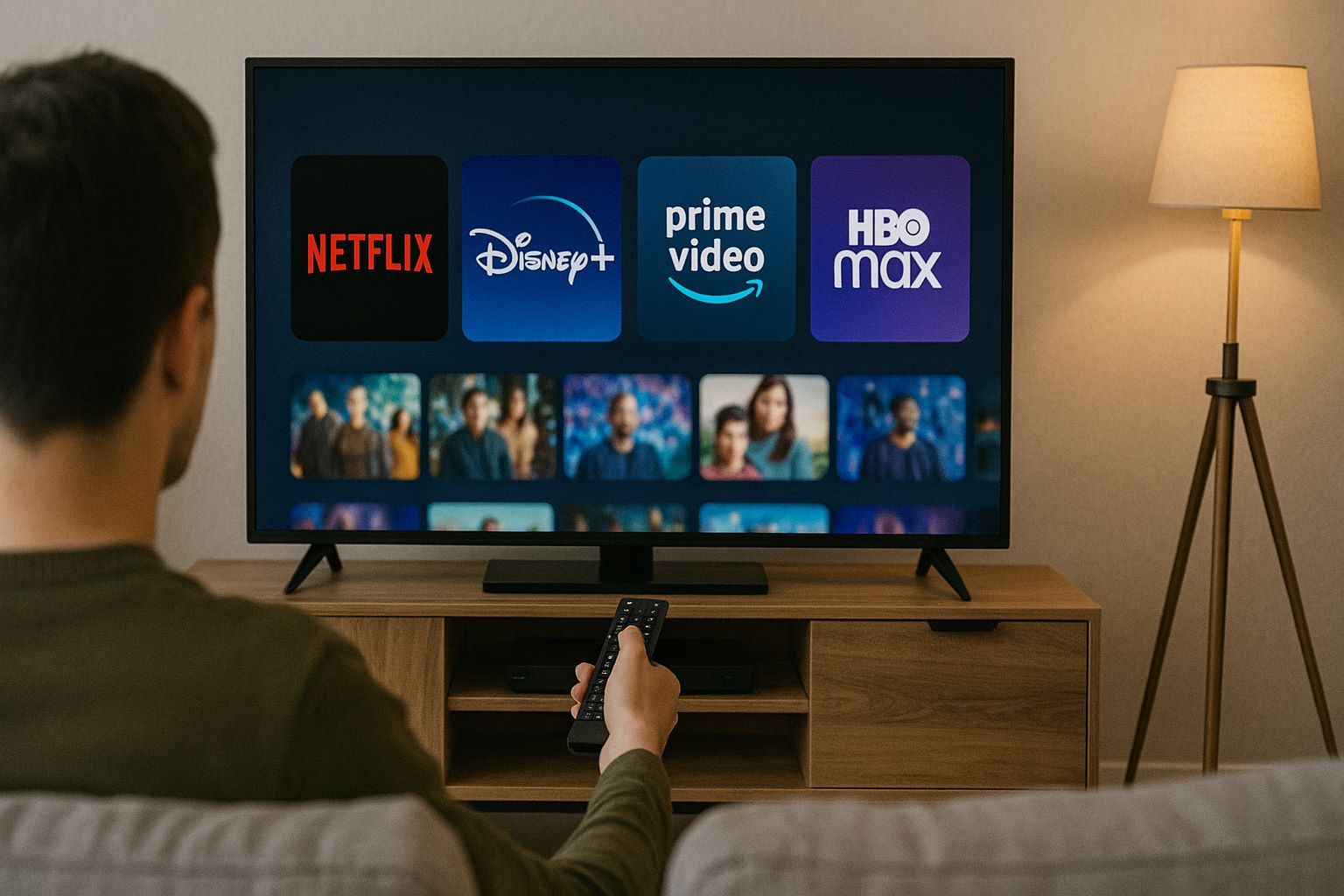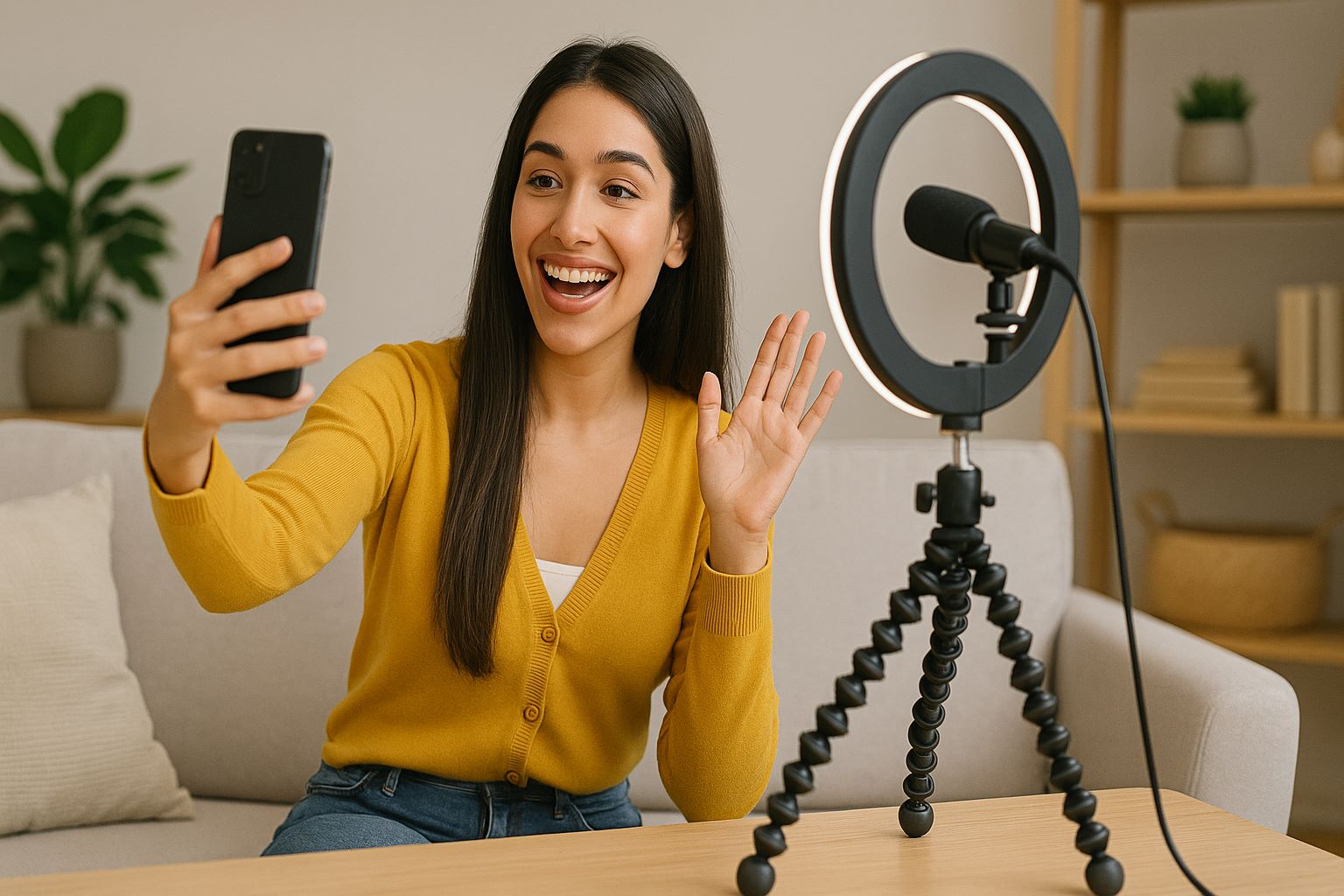
In the past, movie stars, musicians, and TV personalities dominated the entertainment industry. But in the digital age, a new generation of celebrities has emerged — social media influencers. These online creators have transformed platforms like Instagram, YouTube, TikTok, and Twitch into global stages, captivating millions with their authenticity, creativity, and personal connection to fans.
Thank you for reading this post, don't forget to subscribe!Today, influencers are the new faces of modern entertainment, shaping trends, driving conversations, and redefining what it means to be famous. In this article, we’ll explore how influencers rose to prominence, why audiences love them, and how they’ve revolutionized entertainment in the 21st century.
1. The Birth of the Influencer Era
From Bloggers to Global Icons
The influencer movement began in the early 2000s with bloggers and YouTubers who shared their hobbies and opinions online. What started as casual content creation soon evolved into a global phenomenon.
Platforms like YouTube (2005) and Instagram (2010) gave ordinary people the tools to reach massive audiences without needing Hollywood studios or record labels. Suddenly, anyone with a camera and a unique voice could become a public figure.
The Democratization of Fame
Unlike traditional celebrities, influencers weren’t “chosen” by producers — they earned fame through relatability and creativity. They built communities one follower at a time, often by sharing real-life experiences, opinions, and humor that resonated with everyday people.
This shift marked the beginning of a new kind of fame — one powered by connection rather than distance.
2. The Power of Authenticity: Why We Love Influencers
Relatable Over Perfect
Audiences are drawn to influencers because they feel real. Unlike movie stars who live behind velvet ropes, influencers share their lives openly — the good, the bad, and the messy. They film from their bedrooms, talk about personal struggles, and interact directly with fans.
This authenticity builds trust and loyalty — two qualities traditional celebrities often struggle to maintain.
Direct Engagement with Fans
Social media influencers don’t just broadcast; they converse. Through comments, DMs, and live sessions, fans feel seen and heard, creating a powerful sense of community.
This personal connection gives influencers an edge: when they recommend a product, movie, or lifestyle, people listen — not because they’re famous, but because they’re trusted.
The Power of Influence
It’s no surprise that brands now spend billions on influencer marketing. According to industry reports, influencer marketing is expected to surpass $30 billion globally by 2025 — proof that personal connection sells.
3. The Platforms That Built the Stars
YouTube: The Pioneer of Long-Form Influence
From makeup tutorials by James Charles to gaming content by PewDiePie, YouTube remains the foundation of influencer culture. The platform rewards creativity, consistency, and engagement, giving rise to influencers who became millionaires by turning hobbies into careers.
Instagram: The Visual Powerhouse
Instagram redefined aesthetics. Lifestyle, fashion, and travel influencers turned photo-sharing into an art form. It’s where creators like Chiara Ferragni and Kylie Jenner built empires by curating aspirational yet approachable lives.
TikTok: The Viral Factory
TikTok’s short-form videos changed everything. Its algorithm allows new creators to go viral overnight, giving birth to stars like Charli D’Amelio and Khaby Lame. By 2025, TikTok has become a dominant entertainment hub, merging humor, education, and trends into one addictive feed.
Twitch and Live Streaming
Live platforms like Twitch and Kick brought real-time interaction into entertainment. Streamers like Ninja and Pokimane turned gaming into spectator sport, creating immersive communities that rival traditional media audiences.
4. From Online Fame to Mainstream Stardom
Influencers Crossing Over
Influencers are no longer confined to social media — many have transitioned into mainstream entertainment.
Examples include:
- Addison Rae, who went from TikTok sensation to Netflix actress.
- Logan Paul, evolving from YouTuber to professional boxer and entrepreneur.
- Emma Chamberlain, a YouTube vlogger turned high-fashion ambassador and podcast host.
This crossover shows how influencers are reshaping traditional media, bringing their online charisma to film, music, and television.
Brands and Collaborations
Influencers are now collaborating with luxury brands once reserved for Hollywood elites. When Loren Gray partners with Revlon or MrBeast launches a chocolate brand, it’s clear that social media stars have as much — if not more — commercial power as A-list actors.
5. The Business of Being an Influencer
Monetization and Multiple Income Streams
Influencing isn’t just about likes — it’s a multi-billion-dollar business. Successful influencers earn through:
- Brand sponsorships and ads
- Affiliate marketing
- Merchandise and product lines
- YouTube monetization
- Patreon and subscription content
- Public appearances and collaborations
For top creators, influencing has become a full-fledged career, complete with managers, agents, and production teams.
Creator Economy Boom
The rise of the creator economy has changed how entertainment works. Platforms like OnlyFans, Substack, and Ko-fi allow creators to monetize directly from fans, bypassing traditional advertisers altogether.
By 2025, the creator economy is estimated to exceed $480 billion, making influencers key players in modern digital business.
6. Influencers as Trendsetters and Cultural Shapers
Driving Global Trends
Influencers dictate what’s fashionable, funny, or “viral.” From viral dances and slang to beauty standards and political opinions, their impact is undeniable.
One viral post can spark global conversations, shaping everything from fashion trends to social causes.
Influencers and Social Activism
Many influencers use their platforms for positive change — raising awareness about mental health, climate change, and social justice. Voices like Greta Thunberg, Liza Koshy, and Bretman Rock demonstrate how online influence can extend far beyond entertainment.
Pop Culture Powerhouses
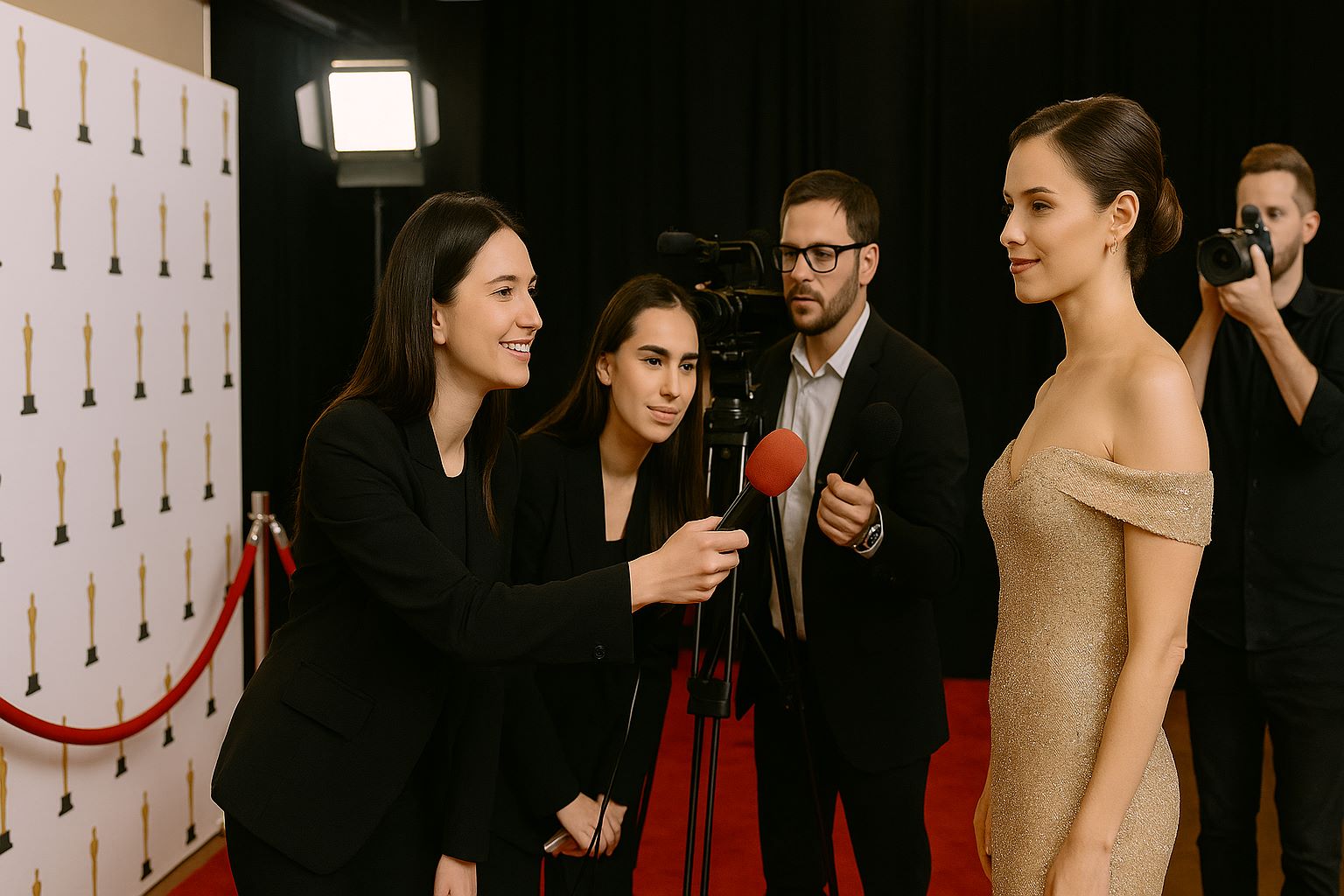
Influencers now rival traditional celebrities in red carpet appearances, brand deals, and magazine covers. They define the modern face of fame, where followers matter as much as film credits.
7. The Dark Side of Influence
Burnout and Mental Health Struggles
Constant content creation comes with pressure. Many influencers experience burnout, anxiety, and depression from living under online scrutiny. The demand to stay relevant 24/7 can take a serious toll on well-being.
Cancel Culture and Public Scrutiny
Influencers live in a glass house. One controversial statement or misstep can lead to “canceling,” where audiences withdraw support instantly. This intense accountability creates fear — but also encourages transparency and responsibility.
Fake Followers and Inauthenticity
The race for popularity has also birthed fake engagement and bots. Some creators buy followers or manipulate algorithms, damaging trust within the industry. Brands now rely on analytics tools to detect genuine influence versus inflated numbers.
8. How Influencers Are Changing Traditional Media
Advertising Revolution
Influencers have disrupted the advertising world. Instead of expensive TV commercials, brands now prefer targeted influencer campaigns that reach niche audiences with higher engagement.
Social Commerce
Platforms like TikTok Shop and Instagram Shopping allow followers to buy directly from influencer recommendations. This seamless link between entertainment and e-commerce makes influencers central to modern marketing.
Collaborations with Film and Music
Influencers are also entering the creative process — co-producing films, starring in music videos, and creating branded content that rivals professional studios. The entertainment industry now collaborates with influencers rather than competing against them.
9. The Globalization of Influence
Local Stars, Global Reach
Unlike traditional Hollywood fame, influencer culture is borderless. A creator in Seoul, São Paulo, or Karachi can attract millions of followers worldwide.
This global reach allows influencers to bridge cultures, making entertainment more diverse and inclusive.
Language No Longer a Barrier
Subtitles, short-form videos, and AI translation tools enable creators to reach audiences beyond their native language. Viral content is now universal — humor, dance, and emotion transcend borders.
10. The Future of Influencer Entertainment
AI-Generated Influencers
The next evolution has already begun. Virtual influencers like Lil Miquela and Imma are computer-generated avatars with massive followings. They collaborate with brands and release music, blurring the line between human and digital celebrity.
Metaverse Influence
As the metaverse grows, influencers will host virtual events, concerts, and meetups inside digital worlds. Fans will interact with them in real time using avatars — transforming fandom into a fully immersive experience.
Authenticity as the New Currency
Despite technological advances, the influencers who will thrive are those who remain authentic, ethical, and relatable. The future of entertainment belongs to creators who balance influence with integrity.
Conclusion: The New Age of Fame
Social media influencers have rewritten the rules of entertainment. They’ve replaced distant celebrity idols with relatable, creative, and interactive personalities who connect directly with audiences worldwide.
What started as casual content creation has evolved into a global entertainment powerhouse — one that shapes how we shop, think, and dream.
In the digital age, influence is the new fame, and the people holding smartphones — not studio contracts — are defining the culture of tomorrow.