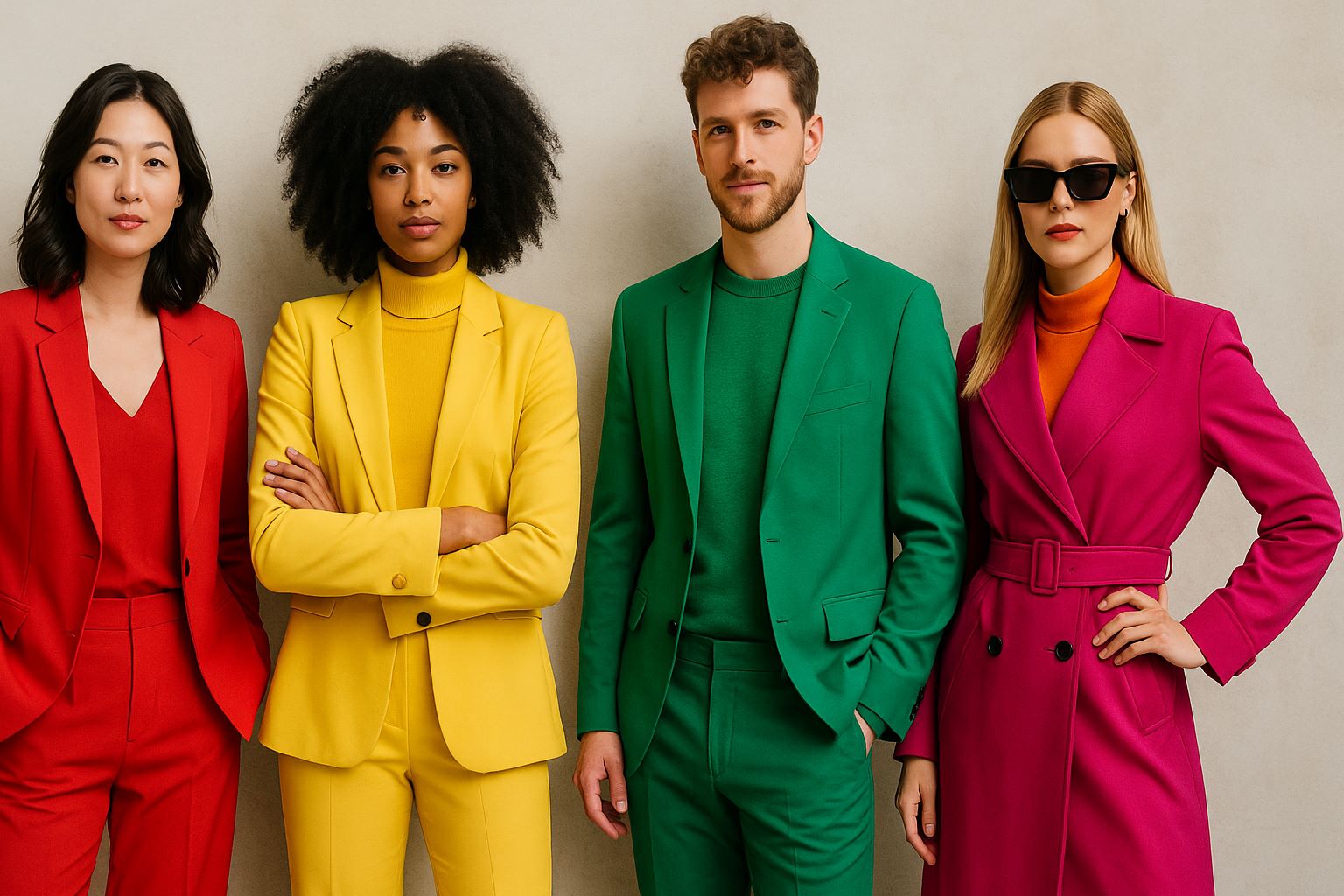
Fashion is more than just what we wear — it’s a reflection of our values, choices, and lifestyle. In recent years, the industry has faced growing criticism for its environmental footprint. From mass production to textile waste, the fashion world is one of the most polluting industries on the planet. But there’s good news — a new movement is changing that narrative.
Thank you for reading this post, don't forget to subscribe!Welcome to the era of sustainable fashion — a conscious approach to dressing that combines style, responsibility, and environmental awareness. Whether you’re a fashion enthusiast or simply want to make smarter choices, this guide will help you build an eco-friendly wardrobe that’s both trendy and timeless.
What Is Sustainable Fashion?
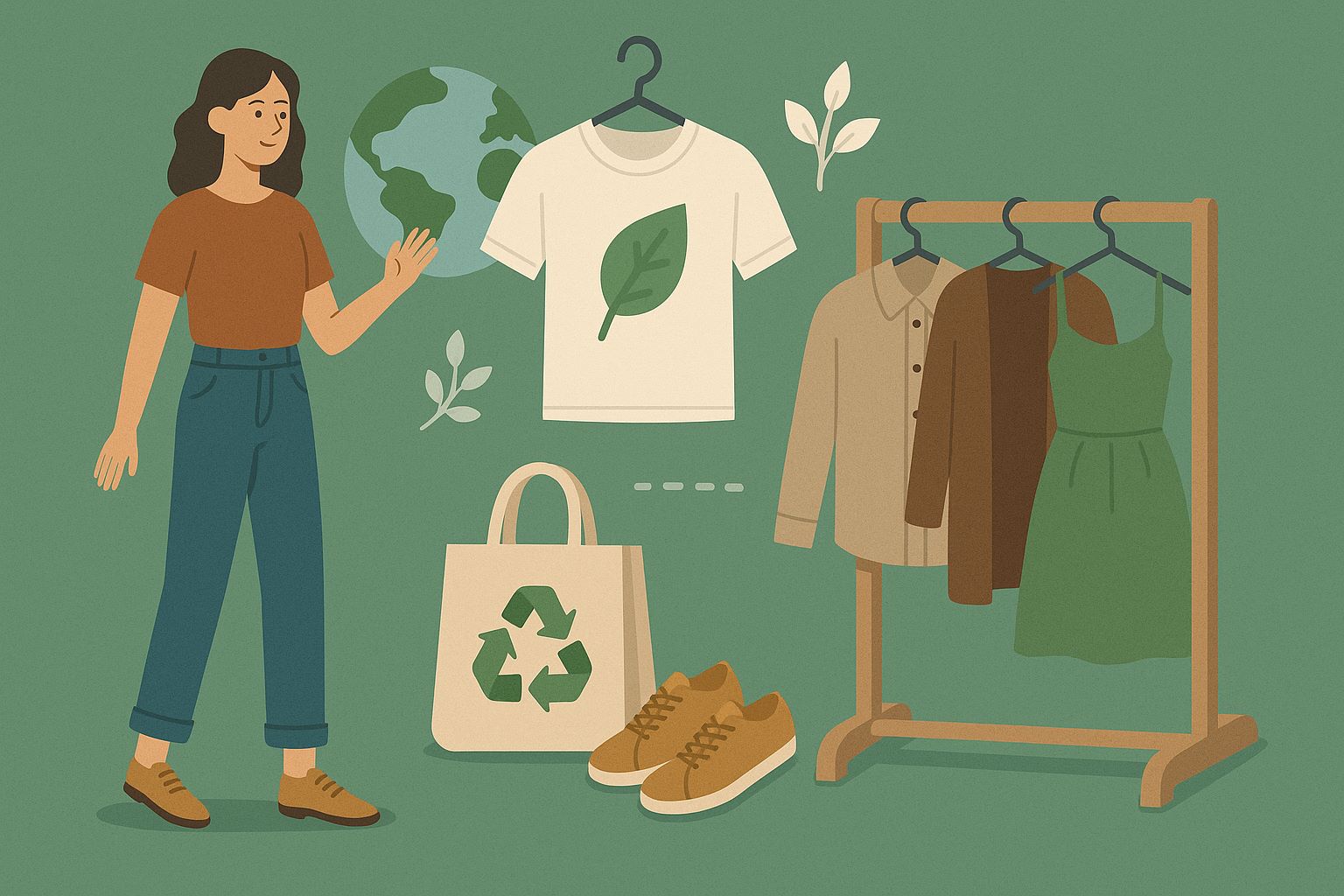
Sustainable fashion refers to clothing that is designed, produced, distributed, and used in ways that are environmentally friendly and socially responsible. It focuses on minimizing harm to the planet while ensuring fair treatment for workers across the supply chain.
This includes everything from using organic and recycled materials to reducing water waste, limiting carbon emissions, and promoting ethical labor practices. Sustainable fashion isn’t about giving up style — it’s about redefining it with purpose.
Why Sustainable Fashion Matters
The traditional fashion industry produces shocking environmental damage:
- Over 100 billion garments are made each year, many of which end up in landfills within months.
- The industry contributes to 10% of global carbon emissions, more than aviation and shipping combined.
- Textile dyeing is the second-largest polluter of clean water globally.
By embracing sustainable fashion, you can make a real difference. Every eco-conscious purchase supports ethical brands, reduces waste, and promotes a cleaner future for the next generation.
1. Start with Mindful Shopping
The first step toward building an eco-friendly wardrobe is intentional buying. Before you buy a new piece of clothing, ask yourself a few key questions:
- Do I really need this?
- Will I wear it at least 30 times?
- Is it made from sustainable materials?
Choosing quality over quantity is the foundation of sustainability. Instead of chasing every new trend, invest in timeless, versatile pieces that last for years. Not only will this reduce waste, but it will also save you money in the long run.
2. Choose Sustainable Fabrics
The type of fabric you wear plays a major role in sustainability. Here are some of the best eco-friendly materials to look for:
🌿 Organic Cotton
Grown without pesticides or harmful chemicals, organic cotton uses less water and energy compared to conventional cotton.
🌾 Hemp
One of the most sustainable crops on Earth, hemp is biodegradable, durable, and requires minimal water.
🍃 Bamboo
Bamboo grows rapidly without pesticides and creates soft, breathable fabrics — perfect for eco-conscious fashion.
🪶 Tencel (Lyocell)
Made from sustainably sourced wood pulp, Tencel is known for its silky texture and minimal environmental impact.
♻️ Recycled Fabrics
Many brands now produce clothes made from recycled polyester, nylon, or cotton, reducing waste and reusing existing materials.
When shopping, check labels or product descriptions — transparency about materials is a good sign of a sustainable brand.
3. Support Ethical and Transparent Brands
Not all brands are created equal. Many fast-fashion companies prioritize profit over people and the planet. To make a positive impact, support ethical brands that are transparent about their sourcing and manufacturing processes.
Look for certifications such as:
- Fair Trade Certified – ensures fair wages and safe working conditions.
- GOTS (Global Organic Textile Standard) – verifies organic and environmentally friendly textile production.
- OEKO-TEX Standard 100 – ensures fabrics are free from harmful substances.
Some popular sustainable fashion brands include Patagonia, Reformation, Stella McCartney, Allbirds, and Everlane. These companies lead by example in ethical production and innovation.
4. Embrace the Capsule Wardrobe
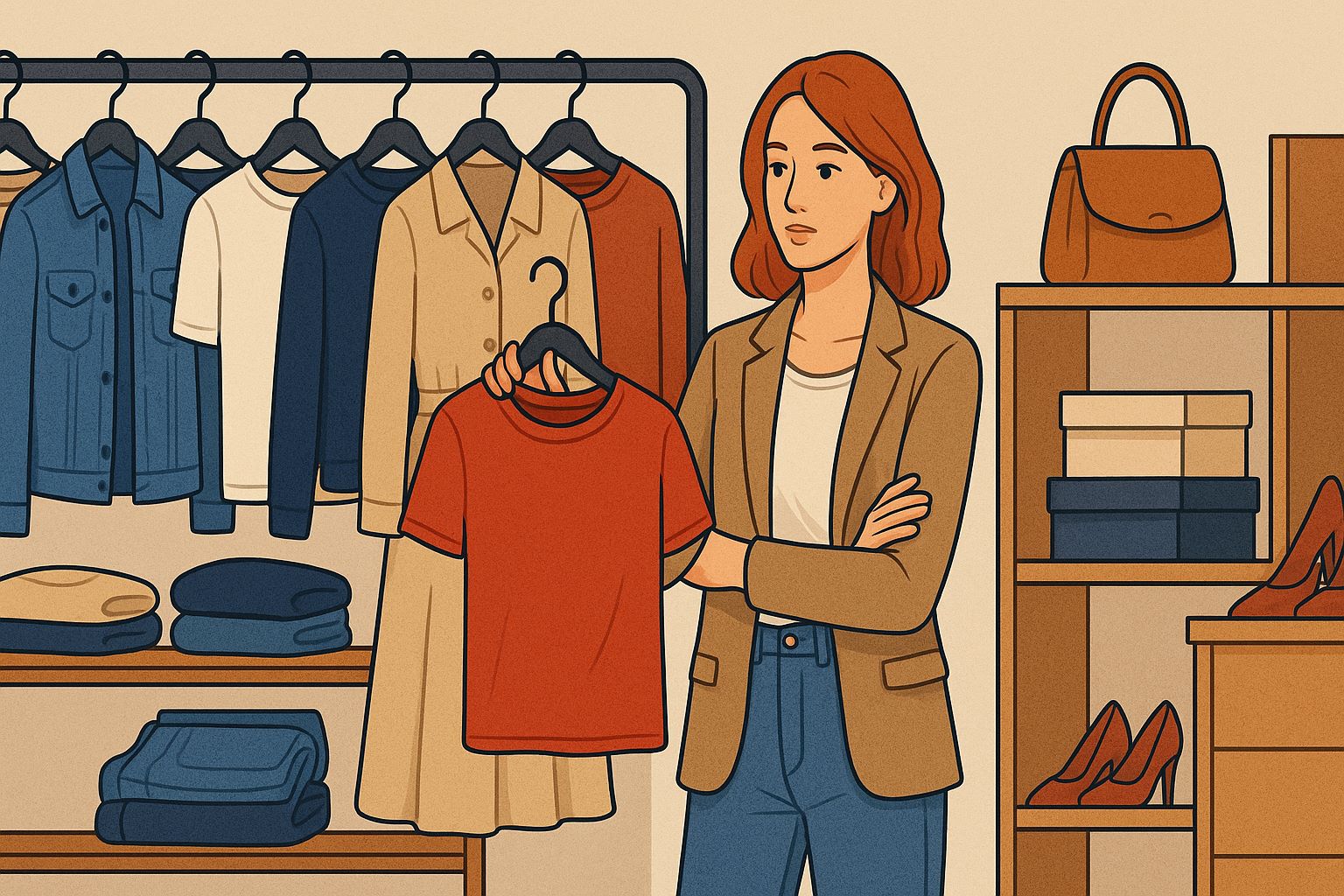
A capsule wardrobe is a small, curated collection of versatile clothing that you can mix and match to create multiple outfits. This concept promotes minimalism, practicality, and sustainability.
To build one:
- Choose a neutral color palette that suits your style.
- Invest in high-quality basics — jeans, shirts, blazers, and jackets.
- Add a few statement pieces for variety.
- Rotate seasonally and donate or sell what you don’t wear.
A capsule wardrobe simplifies your life, reduces decision fatigue, and ensures you’re wearing everything you own.
5. Shop Secondhand or Vintage
Thrift shopping and buying vintage are among the most effective ways to reduce fashion waste. Instead of buying new, explore local thrift stores, vintage boutiques, or online resale platforms like Depop, ThredUp, or Poshmark.
Not only can you find unique, high-quality pieces at a fraction of the cost, but you’re also giving clothes a second life — helping the planet and your wallet at the same time.
6. Upcycle and Repair Instead of Discarding
Instead of throwing away old clothes, get creative!
- Turn old jeans into shorts.
- Add embroidery or patches to give worn-out pieces a new look.
- Learn basic sewing to fix minor tears or replace buttons.
Upcycling adds personality and meaning to your wardrobe. Plus, it reduces the number of clothes ending up in landfills.
7. Rent or Swap Clothes
Special occasion coming up? Instead of buying something you’ll wear once, rent it! Clothing rental services are booming in 2025, offering designer outfits and luxury fashion for a fraction of the price.
You can also host clothing swap parties with friends — a fun, sustainable way to refresh your wardrobe without spending a dime.
8. Wash Smarter
Did you know that most of a garment’s environmental impact happens after you buy it? Laundry consumes water, energy, and releases microplastics into the ocean. To reduce this:
- Wash clothes only when necessary.
- Use cold water and eco-friendly detergents.
- Air dry instead of using a dryer.
- Invest in a microfiber-catching laundry bag to reduce plastic pollution.
Caring for your clothes properly also helps them last longer — another win for sustainability.
9. Recycle and Donate Responsibly
When it’s finally time to say goodbye to your clothes, avoid throwing them away. Many brands and local organizations accept clothing donations or textile recycling.
- Donate wearable items to charities or shelters.
- Recycle old, torn, or stained fabrics at textile recycling centers.
- Some brands like H&M and Levi’s even offer discounts for bringing back old garments for recycling.
Responsible disposal closes the fashion loop and supports the concept of a circular economy.
10. Educate Yourself and Inspire Others
The journey toward sustainability starts with awareness. Follow eco-conscious influencers, watch documentaries like The True Cost, and stay informed about ethical brands and innovations.
Encourage friends and family to adopt sustainable practices — small changes by many people can make a huge global difference.
The Future of Sustainable Fashion
The future of fashion lies in innovation, transparency, and accountability. From biodegradable fabrics to 3D-printed garments and AI-powered recycling systems, technology is helping the industry become greener every day.
Consumers are also driving this change by demanding ethical practices and choosing brands that align with their values. In the coming years, sustainability won’t be a trend — it will be the standard.
Final Thoughts
Building a sustainable wardrobe isn’t about perfection — it’s about progress. Each mindful choice you make contributes to a cleaner planet and a fairer fashion system.
By buying less, choosing better, and caring more, you can enjoy fashion that not only looks good but also does good. Remember, true style is timeless — and sustainability never goes out of fashion. 🌍✨