Introduction: The Dawn of a New Tech Era
The year 2025 marks a pivotal moment in technological evolution. With rapid advancements in artificial intelligence, automation, connectivity, and sustainability, technology is no longer just shaping industries—it’s transforming how we work, communicate, and live. From smarter homes and autonomous vehicles to virtual offices powered by AI, technology in 2025 is about creating efficiency, enhancing convenience, and driving innovation. This article explores the top tech trends of 2025 that are redefining our world and preparing us for a smarter, more connected future.
Thank you for reading this post, don't forget to subscribe!1. Artificial Intelligence: The Brain Behind the Digital Revolution
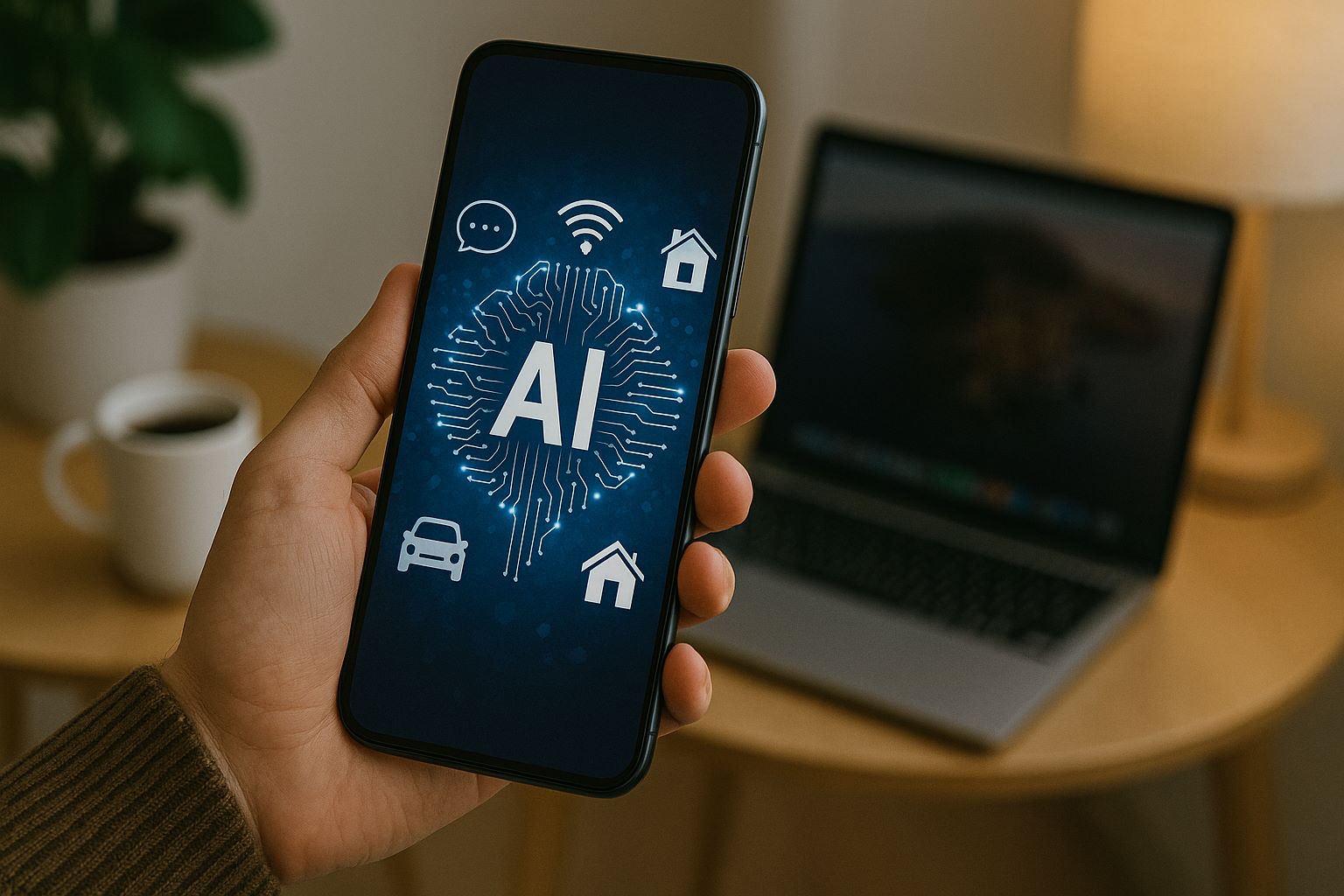
Artificial Intelligence (AI) continues to be the driving force behind most technological innovations in 2025. AI systems have evolved from simple automation tools to intelligent assistants capable of making complex decisions, analyzing emotions, and predicting behaviors.
- AI in Workplaces: Many companies now rely on AI-driven analytics to make data-backed decisions, optimize operations, and personalize customer experiences.
- AI in Daily Life: From smart home devices that anticipate user needs to AI-powered health monitoring systems, AI has seamlessly integrated into our routines.
- Generative AI Growth: Tools like ChatGPT, Midjourney, and other generative models are revolutionizing content creation, design, and software development.
The next phase of AI will focus on ethical intelligence—ensuring that algorithms operate transparently, fairly, and responsibly.
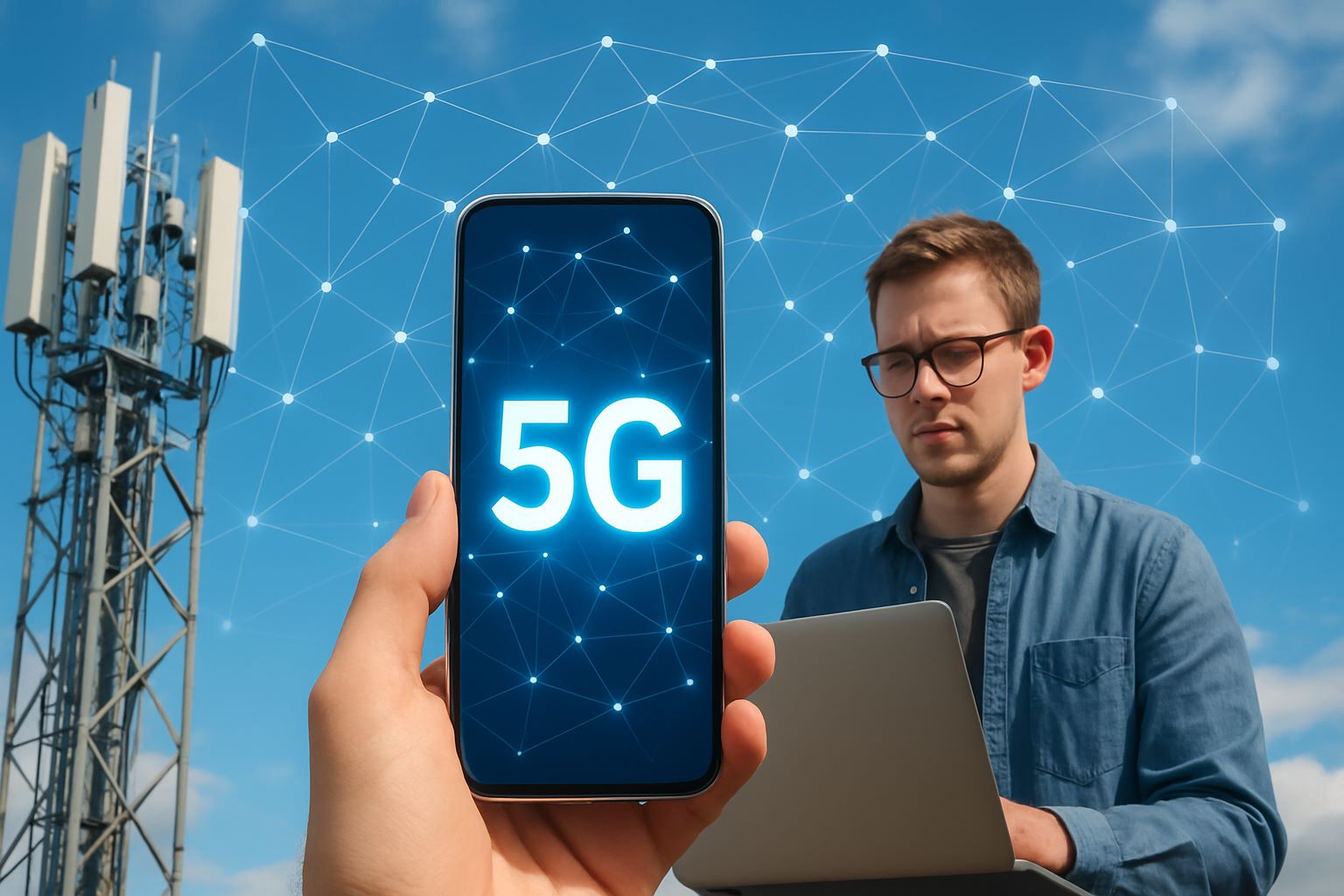
2. 5G and Beyond: The Era of Hyper-Connectivity
5G technology is already reshaping the global communication landscape, but by 2025, its true potential is being realized. Ultra-fast internet speeds, minimal latency, and massive network capacity are enabling technologies that once seemed impossible.
- Smarter Cities: With 5G, cities are adopting intelligent infrastructure—traffic lights, waste systems, and utilities that respond dynamically to real-time data.
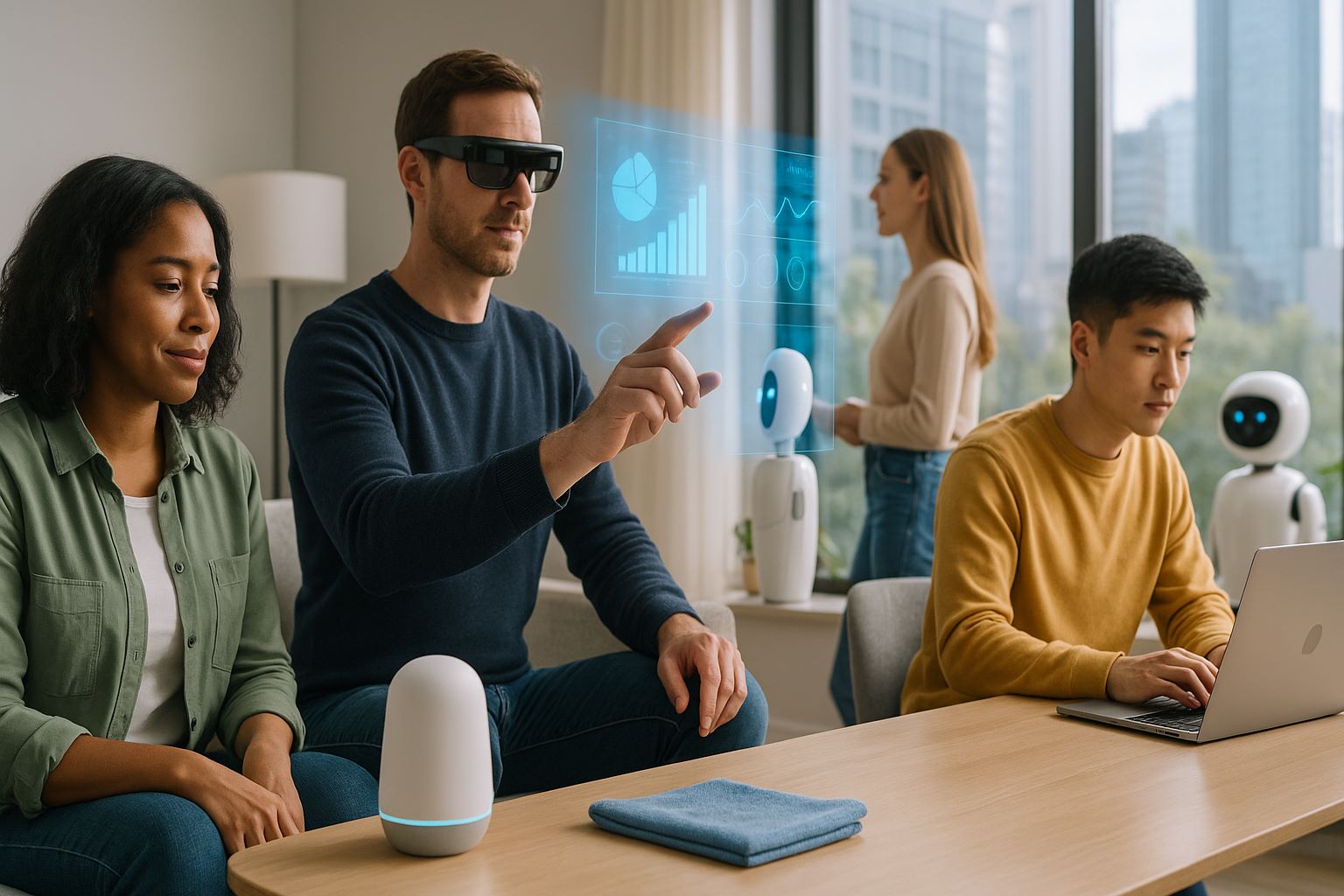
- Remote Work Revolution: High-speed connectivity supports immersive telepresence, enabling seamless collaboration through AR/VR environments.
- Next Stop – 6G: Research into 6G networks is already underway, promising speeds up to 100 times faster than 5G and enabling advanced metaverse applications.
3. The Internet of Things (IoT): Everything Connected
By 2025, IoT has expanded far beyond smart homes. Billions of connected devices—from industrial sensors to wearable health monitors—are continuously collecting and exchanging data.
- Smart Homes: Appliances, lighting, and security systems are all connected, learning from user behavior to enhance comfort and efficiency.
- Industrial IoT (IIoT): Factories are becoming smarter, using sensors and real-time analytics to reduce downtime and improve safety.
- Healthcare IoT: Wearable devices monitor vital signs and share data with healthcare professionals instantly, revolutionizing preventive medicine.
The IoT ecosystem is becoming the backbone of modern life, connecting humans and machines in ways that make our environments truly intelligent.
4. Cloud Computing and Edge Computing: The Power of Hybrid Infrastructure
Businesses in 2025 are embracing a hybrid model that combines the scalability of cloud computing with the speed of edge computing.
- Cloud Dominance: Companies are moving workloads to the cloud to increase flexibility, reduce costs, and support remote teams.
- Edge Expansion: As devices generate massive data, edge computing allows for real-time processing closer to the source, minimizing latency.
- AI and Cloud Integration: Cloud platforms are now infused with AI to automate cybersecurity, predictive analytics, and customer engagement.
This hybrid infrastructure enables faster innovation, stronger security, and better user experiences—driving business growth in every sector.
5. The Metaverse: The Next Digital Frontier
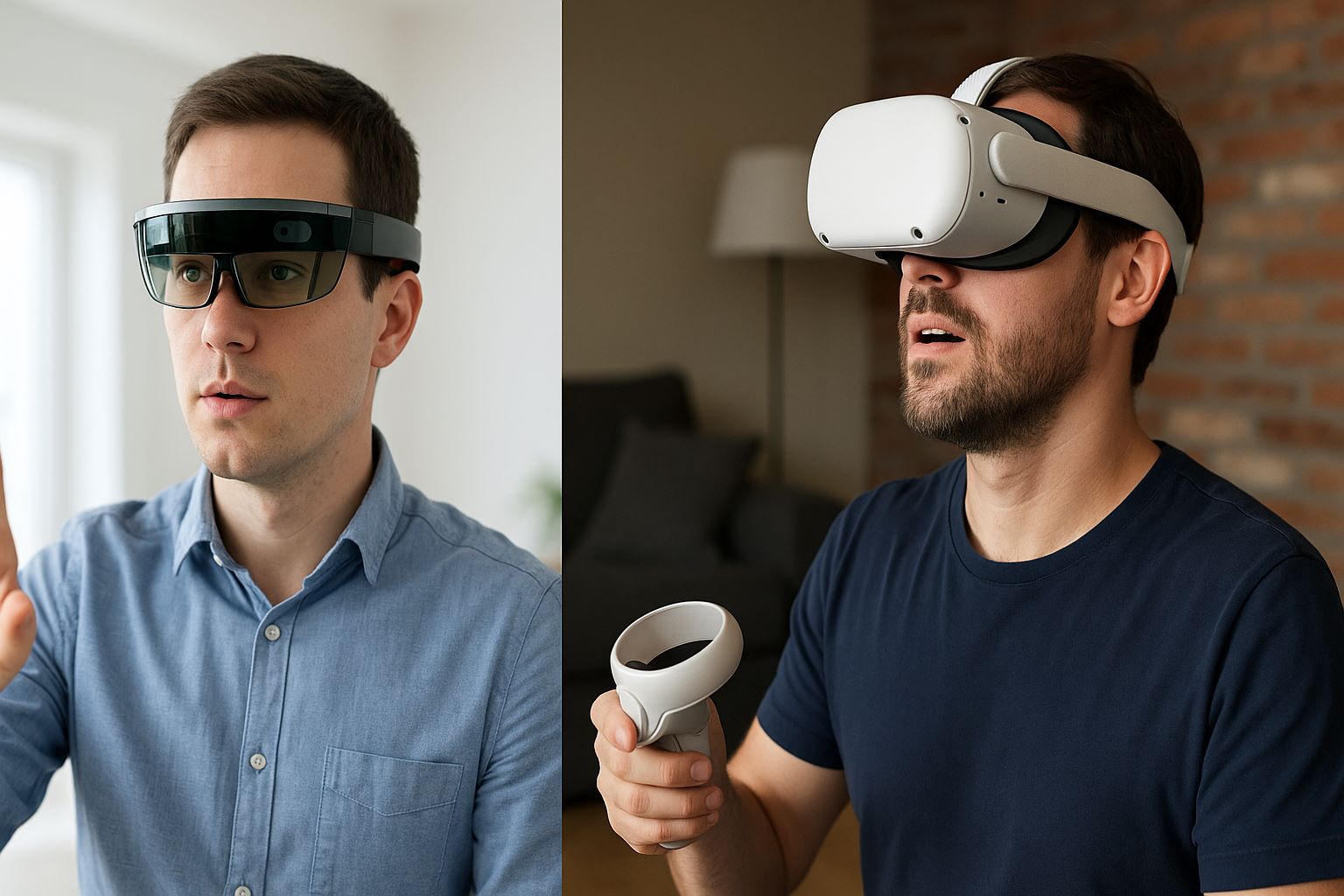
In 2025, the metaverse is more than just a buzzword—it’s becoming an alternate digital economy. Powered by VR, AR, and blockchain, the metaverse blends physical and virtual realities.
- Virtual Workspaces: Companies are adopting 3D virtual offices where employees interact using avatars in immersive environments.
- Digital Commerce: Brands are creating virtual storefronts where consumers can explore products through interactive experiences.
- Education and Training: The metaverse offers virtual classrooms and realistic simulations for learning and skill development.
While still in its early stages, the metaverse represents a new era of engagement, creativity, and opportunity in the digital world.
6. Robotics and Automation: The Future Workforce
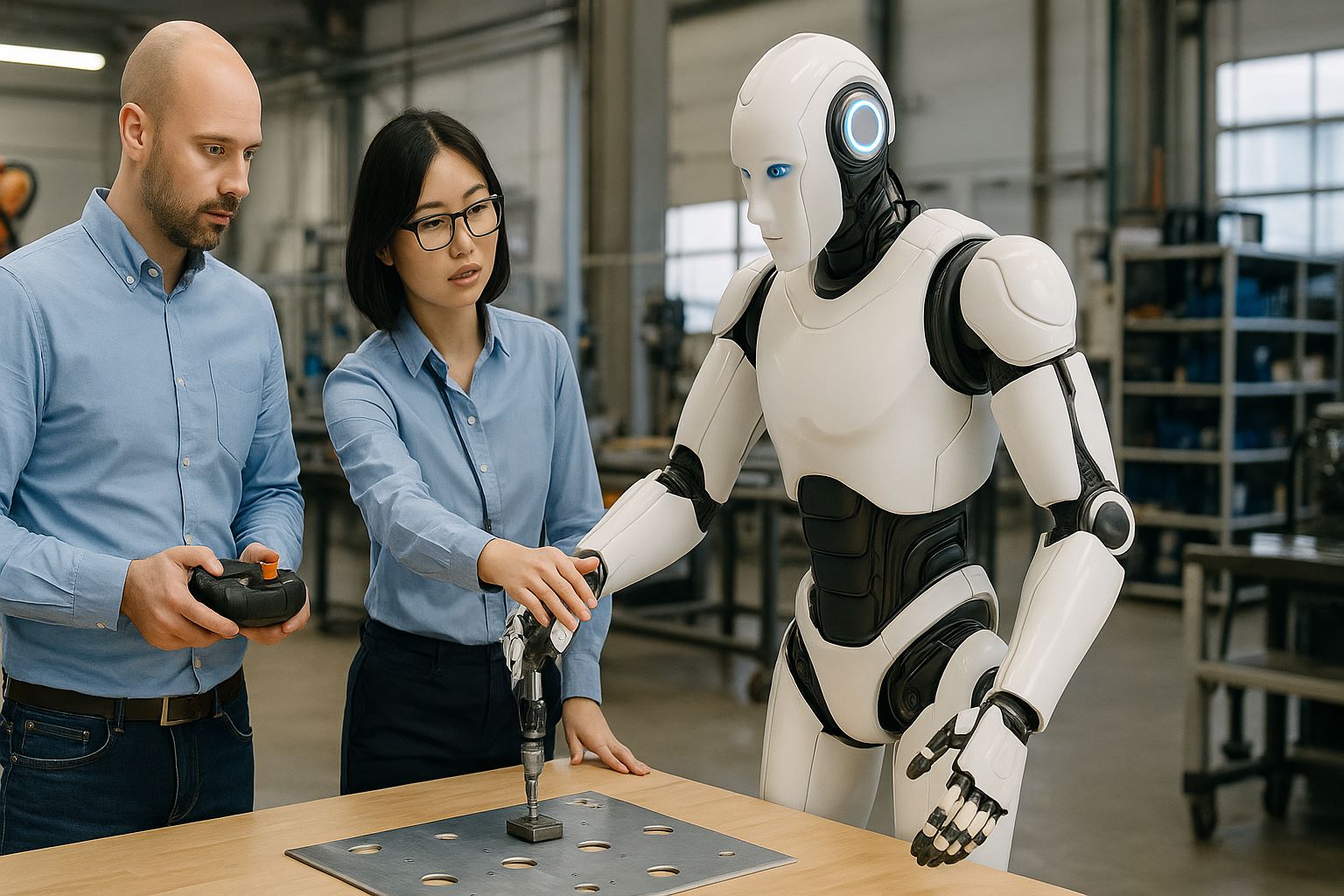
Automation is no longer a distant concept—it’s a part of everyday operations in manufacturing, logistics, and even service industries. By 2025, robots are collaborating with humans, enhancing productivity and safety.
- Collaborative Robots (Cobots): Designed to work alongside humans, cobots handle repetitive tasks while humans focus on creativity and strategy.
- Autonomous Delivery: Drones and robotic vehicles are redefining logistics and last-mile delivery systems.
- Healthcare Robotics: Robotic arms assist surgeons with precision operations, reducing errors and recovery times.
As automation advances, new roles will emerge in robot management, AI training, and system integration—reshaping the global workforce.
7. Green Technology: Innovating for Sustainability
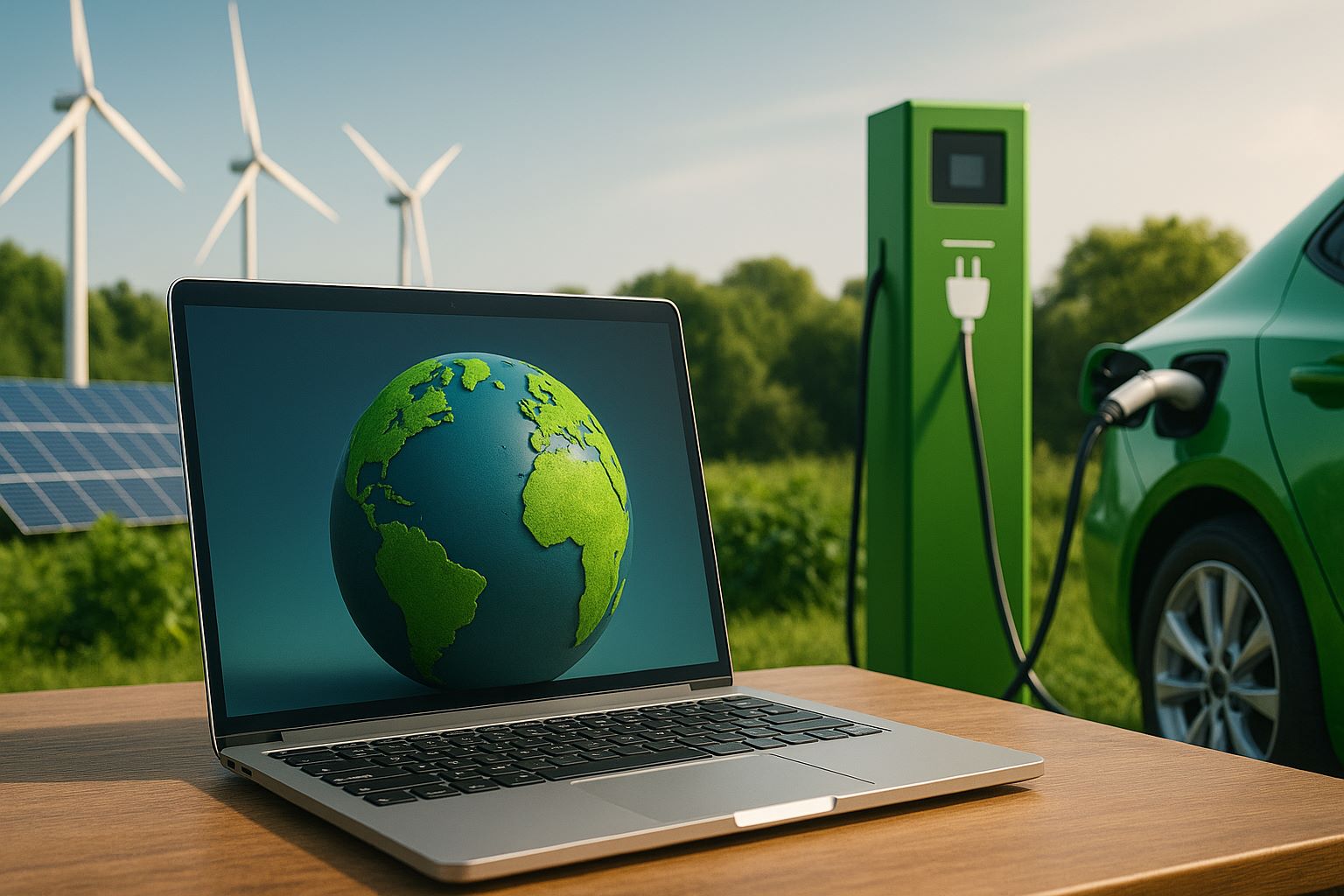
Sustainability has become a core pillar of technological innovation. In 2025, green tech solutions are driving change in energy, transport, and manufacturing.
- Renewable Energy: Advances in solar panels, wind turbines, and energy storage are making renewable power more efficient and affordable.
- Smart Grids: Digital grids powered by AI balance electricity supply and demand in real time.
- Sustainable Manufacturing: Eco-friendly materials and circular economy models are reducing industrial waste and emissions.
Technology is no longer just about convenience—it’s about creating a sustainable future for generations to come.
8. Quantum Computing: The Next Great Leap
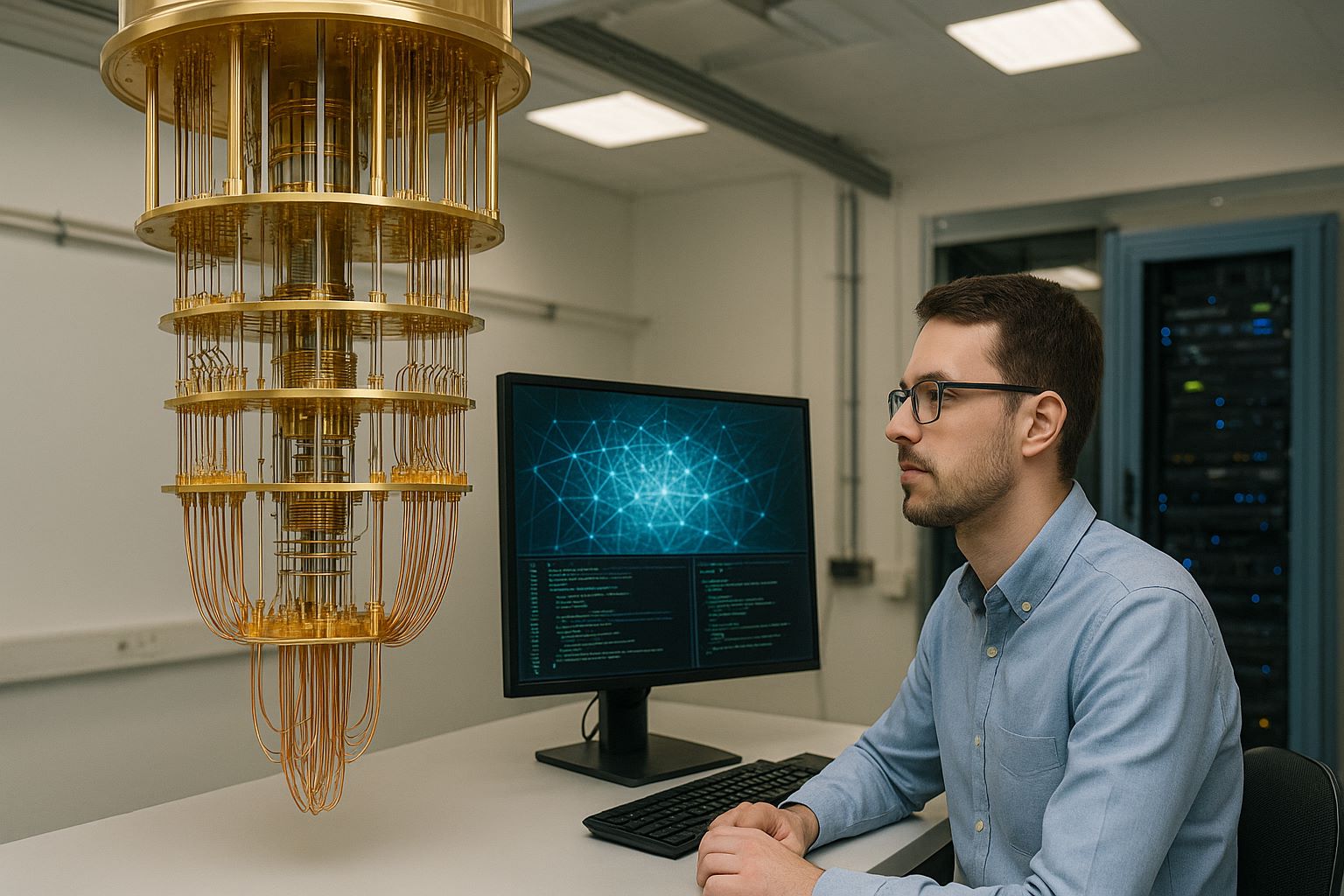
Quantum computing is transitioning from theory to reality in 2025. With unparalleled processing power, quantum computers are solving problems beyond the reach of classical systems.
- Scientific Research: Quantum algorithms accelerate drug discovery, material science, and climate modeling.
- Cybersecurity Impact: Quantum encryption promises unbreakable data protection, though it also challenges existing security systems.
- Business Advantage: Industries like finance and logistics use quantum simulations for faster decision-making and optimization.
Quantum technology is set to redefine computing power, marking a new chapter in technological advancement.
9. Digital Health Tech: Revolutionizing Medicine
The pandemic accelerated the adoption of digital health technologies, and by 2025, they’ve become an integral part of healthcare delivery.
- Telemedicine Evolution: Virtual consultations, remote diagnostics, and AI-based symptom analysis are now standard.
- Wearables and Health Apps: Continuous monitoring of heart rate, oxygen levels, and sleep patterns allows for early detection of health issues.
- AI in Medicine: Machine learning models analyze massive datasets to recommend personalized treatments.
Digital health innovation is empowering patients and improving global access to quality care.
10. Cybersecurity 2.0: Protecting a Hyperconnected World
As connectivity grows, so do cybersecurity threats. In 2025, cybersecurity is evolving with AI-driven defense mechanisms and quantum encryption to stay ahead of hackers.
- AI Security Systems: Machine learning algorithms detect unusual patterns and prevent cyberattacks before they occur.
- Zero-Trust Frameworks: Companies are adopting stricter authentication and data protection protocols.
- Privacy-First Design: Users demand greater control over their digital footprints, influencing how technology companies design systems.
Cybersecurity is no longer optional—it’s a cornerstone of the digital ecosystem.
Conclusion: Shaping the Future, One Innovation at a Time
The tech trends of 2025 reveal a world that’s smarter, faster, and more connected than ever before. From AI and robotics to green tech and quantum computing, these innovations are redefining how we live, work, and interact. As technology continues to evolve, embracing these advancements responsibly will ensure that progress benefits humanity as a whole. The future isn’t just digital—it’s intelligent, immersive, and sustainable.