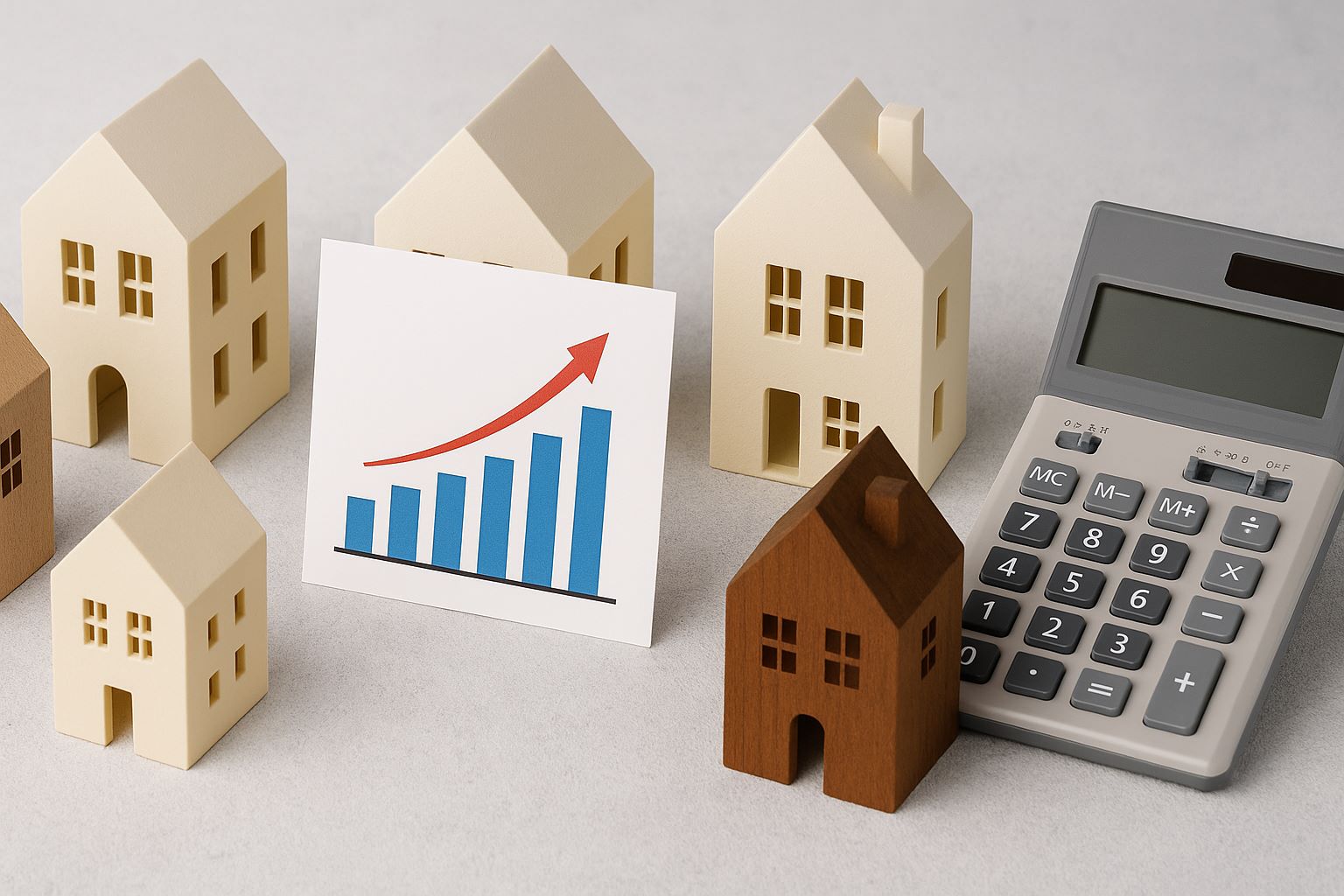
The real estate industry — once dominated by in-person showings, stacks of paperwork, and traditional marketing — is now undergoing a massive digital revolution. From virtual reality tours and blockchain transactions to AI-driven pricing models, technology is reshaping how properties are bought, sold, and managed.
Thank you for reading this post, don't forget to subscribe!This transformation is making the process faster, smarter, and more transparent than ever before. Whether you’re a buyer, seller, agent, or investor, understanding these tech-driven changes can help you stay ahead in the competitive real estate landscape.
In this article, we’ll explore how technology is redefining the real estate industry, the key innovations driving the change, and what the future might look like for property transactions.
The Digital Revolution in Real Estate
Just a decade ago, buying or selling a property involved meeting agents in person, visiting multiple homes physically, and handling endless paperwork. Fast-forward to today — most of these steps can now be done online or even virtually.
Thanks to emerging technologies, buyers can explore homes in 3D, sellers can reach global audiences, and deals can close in record time. The COVID-19 pandemic accelerated this digital shift, turning technology from a convenience into a necessity.
1. Artificial Intelligence (AI) and Big Data: Smarter Decisions
Artificial intelligence and big data are playing a huge role in modern real estate. These technologies help analyze market trends, forecast property values, and understand buyer behavior — providing insights that were once impossible to gather manually.
How AI Is Changing Real Estate:
- Property Valuation: AI algorithms analyze thousands of data points — location, amenities, crime rates, and market history — to estimate a property’s real-time value accurately.
- Personalized Recommendations: Just like Netflix recommends shows, AI-powered real estate platforms suggest homes based on a buyer’s search habits, budget, and lifestyle.
- Predictive Analytics: Agents and investors can predict which neighborhoods will appreciate most, helping them make smarter investment decisions.
Example:
Platforms like Zillow and Redfin use AI to provide “Zestimates,” automated home value assessments that give buyers and sellers a quick idea of a property’s worth.
2. Virtual Reality (VR) and Augmented Reality (AR): The New Way to Tour Homes
Gone are the days when buyers had to physically visit every potential home. Today, VR and AR have made virtual home tours a reality — offering 360-degree views and interactive experiences that help buyers explore properties from anywhere in the world.
How VR & AR Benefit Real Estate:
- Virtual Property Tours: Buyers can “walk through” homes without leaving their couch, saving time and money.
- AR Home Staging: Sellers can digitally furnish an empty property to help buyers visualize how it might look once decorated.
- Global Access: International buyers can explore properties remotely, expanding market reach for sellers.
Example:
Companies like Matterport and Zillow 3D Home use 3D scanning technology to create immersive home tours — turning property browsing into a seamless digital experience.
3. Blockchain Technology: Making Real Estate More Transparent
Blockchain, the technology behind cryptocurrencies, is revolutionizing the way real estate transactions occur. Traditionally, buying property involves multiple intermediaries — banks, lawyers, and agents — leading to delays, costs, and potential errors.
Blockchain enables secure, decentralized, and transparent transactions, reducing the need for middlemen.
Key Blockchain Applications in Real Estate:
- Smart Contracts: These are digital contracts that automatically execute terms once conditions are met, reducing paperwork and fraud.
- Tokenization of Real Estate: Properties can be divided into digital tokens, allowing partial ownership. This opens doors for small investors to participate in large projects.
- Transparent Ownership Records: Property titles can be stored on blockchain, making it easier to verify ownership and prevent disputes.
Example:
Platforms like Propy and RealT are already enabling blockchain-based real estate transactions — offering faster closings and lower transaction fees.
4. PropTech Platforms: Streamlining Every Step
The rise of PropTech (Property Technology) startups has changed the way real estate professionals and clients interact. These platforms integrate technology into property management, leasing, marketing, and investment.
Popular PropTech Innovations:
- Online Listing Platforms: Sites like Zillow, Realtor.com, and Rightmove allow users to browse listings with filters, high-resolution photos, and virtual tours.
- Smart Property Management Tools: Apps like Buildium and AppFolio help landlords manage rent collection, maintenance, and tenant communication online.
- Automated Marketing: Real estate agents use AI-driven CRM systems to target leads, personalize follow-ups, and optimize advertising campaigns.
PropTech has made real estate faster, more efficient, and more customer-centric than ever before.
5. Smart Homes and the Internet of Things (IoT)
Technology isn’t just transforming how homes are bought and sold — it’s changing how they’re lived in. The Internet of Things (IoT) connects everyday home devices like thermostats, lights, and security systems to the internet, creating smart homes.
Key Benefits of Smart Homes:
- Energy Efficiency: Smart thermostats and lighting reduce energy waste and lower utility bills.
- Enhanced Security: Smart locks, doorbell cameras, and motion detectors provide 24/7 monitoring.
- Increased Property Value: Smart homes often sell faster and for higher prices, appealing to tech-savvy buyers.
As technology advances, smart home features are becoming a key selling point — influencing property prices and buyer preferences.
6. Drones and Aerial Photography: A New Perspective
Drone technology has revolutionized property marketing by offering stunning aerial views of homes and neighborhoods.
How Drones Are Used in Real Estate:
- Aerial Property Tours: Capture landscapes, roof conditions, and nearby amenities.
- Land and Construction Surveys: Provide accurate mapping for developers and investors.
- Marketing Advantage: High-quality drone visuals attract more buyers and boost online engagement.
A single aerial shot can convey a property’s surroundings and potential far better than traditional photos ever could.
7. Mobile Apps: Real Estate in Your Pocket
Today’s buyers and sellers expect convenience — and mobile apps deliver exactly that.
From browsing listings to signing contracts digitally, mobile apps have made property transactions portable and fast.
Examples of Real Estate Apps:
- Zillow: Home browsing, valuation tools, and mortgage calculators.
- Realtor.com: Verified listings and virtual tours.
- LoopNet: For commercial property investors.
- DocuSign: Secure e-signatures for real estate contracts.
Mobile accessibility has made real estate more inclusive, allowing anyone to explore opportunities from their smartphone.
8. Artificial Intelligence in Customer Experience
AI-powered chatbots and virtual assistants are transforming real estate customer service.
These bots can:
- Answer buyer queries instantly
- Schedule property viewings
- Provide price estimates and mortgage information
This automation saves time for both agents and clients, offering round-the-clock support without needing human intervention.
The Future: Fully Digital Real Estate Ecosystems
The future of real estate is data-driven, virtual, and borderless. Within the next decade, we can expect:
- Fully digital closings using e-signatures and blockchain
- AI-driven investment platforms that identify high-performing properties
- Metaverse real estate, where virtual properties are bought and sold for profit
- Sustainability tracking through smart data integration
Ultimately, technology will make property buying and selling faster, safer, and more personalized.
Challenges Ahead
While technology brings innovation, it also comes with challenges:
- Cybersecurity risks and data privacy concerns
- Digital divide — not all regions have access to advanced PropTech
- Adoption resistance from traditional agents or institutions
Balancing innovation with regulation and human expertise will be key to a successful digital transformation.
Conclusion
The future of real estate is undeniably digital. From AI and blockchain to VR tours and smart homes, technology is reshaping how we discover, buy, and sell properties.
For buyers, it means more transparency and convenience. For sellers, it means greater market reach and efficiency. And for agents and investors, it opens up powerful new tools for success.
Those who embrace technology today will lead the real estate industry of tomorrow.