Introduction: The Modern Need for Mindfulness
In our fast-paced, constantly connected world, stress, anxiety, and distraction have become part of everyday life. From juggling work responsibilities to managing personal challenges, it’s easy to feel overwhelmed. This is where mindfulness and meditation come in — simple yet powerful practices that help calm the mind, reduce stress, and improve overall health.
Thank you for reading this post, don't forget to subscribe!But mindfulness isn’t just about relaxation or sitting quietly for a few minutes. It’s about training your mind to focus on the present moment — to be aware of your thoughts, emotions, and surroundings without judgment. Over time, this awareness leads to profound physical, mental, and emotional benefits.
What Is Mindfulness and Meditation?
Mindfulness is the art of paying attention — deliberately and non-judgmentally — to what’s happening in the present. Whether it’s noticing the taste of your food, the sound of rain, or your own breathing, mindfulness helps you anchor yourself in the moment.
Meditation, on the other hand, is a structured practice used to develop mindfulness. It involves setting aside time to focus your attention, often through breathing exercises, visualization, or body scans. Think of meditation as the gym workout for your mind — it strengthens your mental muscles over time.
1. Mindfulness Reduces Stress and Anxiety
One of the most well-documented benefits of mindfulness is its ability to lower stress levels. Studies have shown that meditation reduces the production of cortisol, the body’s primary stress hormone.
When practiced regularly, mindfulness helps you respond to challenges calmly rather than react impulsively. You begin to observe your thoughts instead of being controlled by them. For example, instead of thinking “I can’t handle this,” mindfulness helps you reframe it as “This is difficult, but I can take it one step at a time.”
✅ Tip: Try a 5-minute guided meditation at the start or end of your day. Apps like Headspace or Calm are great tools to get started.
2. Improves Focus and Concentration
In an age of constant notifications and multitasking, maintaining focus can be tough. Mindfulness trains your brain to stay present and improves your attention span.
A study published in Psychological Science found that just two weeks of mindfulness training improved participants’ working memory and concentration. Over time, meditation enhances the brain’s prefrontal cortex — the area responsible for decision-making, attention, and self-control.
✅ Tip: Practice “mindful moments” throughout your day. For instance, when drinking coffee, avoid scrolling your phone — just focus on the aroma, warmth, and taste.
3. Boosts Emotional Health
Mindfulness helps people manage emotions more effectively. By becoming aware of your thoughts and feelings, you can observe them without letting them control your actions.
Research from Harvard University shows that mindfulness meditation increases activity in the brain regions associated with positive emotions and empathy. Regular practice can even help reduce symptoms of depression and increase feelings of contentment.
✅ Tip: Keep a “mindful journal.” Each day, write down one thing you’re grateful for and one emotion you noticed during the day. This strengthens emotional awareness.
4. Enhances Physical Health
Mindfulness isn’t only good for the mind — it’s also beneficial for the body. Studies show that meditation can:
- Lower blood pressure by relaxing blood vessels and reducing stress-induced tension.
- Strengthen the immune system, helping your body fight off illness.
- Reduce inflammation, which is linked to many chronic diseases.
- Improve sleep quality by calming the nervous system before bedtime.
Over time, these physical benefits lead to improved overall health and longevity.
✅ Tip: Before sleeping, try a “body scan” meditation — focus on each body part from head to toe, relaxing it as you go.
5. Increases Self-Awareness
Mindfulness teaches you to observe your inner world — your thoughts, feelings, and behaviors — with curiosity and compassion. This self-awareness can help you identify negative thought patterns and replace them with healthier ones.
For example, you may notice that you often react angrily in certain situations. With mindfulness, you can pause, breathe, and choose a calmer response instead. This leads to more positive interactions and stronger relationships.
✅ Tip: During stressful moments, pause and take three deep breaths before reacting. This short mindfulness break can prevent emotional outbursts.
6. Supports Better Relationships
Mindfulness fosters empathy, patience, and active listening — all of which are essential for healthy relationships. When you’re fully present, you connect more deeply with others and communicate more effectively.
In couples, mindfulness reduces conflict by encouraging understanding instead of blame. In workplaces, it improves collaboration and emotional intelligence.
✅ Tip: When talking to someone, give them your full attention — no phone, no distractions. Just listen. This mindful communication can transform your relationships.
7. Promotes Better Sleep and Relaxation
Insomnia and poor sleep quality are often caused by racing thoughts. Mindfulness and meditation calm the mind, making it easier to fall and stay asleep.
According to a study published in JAMA Internal Medicine, mindfulness-based stress reduction (MBSR) significantly improved sleep quality in adults with insomnia.
✅ Tip: Try meditating for 10 minutes before bed. Focus on deep breathing or listen to calming music to relax your body and mind.
8. Builds Resilience and Mental Strength
Mindfulness helps you navigate life’s ups and downs with greater resilience. Instead of avoiding pain or discomfort, you learn to accept and process it. This doesn’t mean ignoring problems — it means responding with clarity rather than panic.
With consistent practice, you develop a balanced mind — one that can remain calm in chaos and steady under pressure.
✅ Tip: When faced with challenges, remind yourself: “This moment is temporary.” Focusing on the present helps you handle difficulties without getting overwhelmed.
How to Start a Mindfulness Practice
You don’t need hours of meditation to experience the benefits. Even 5–10 minutes a day can make a difference. Here’s how to begin:
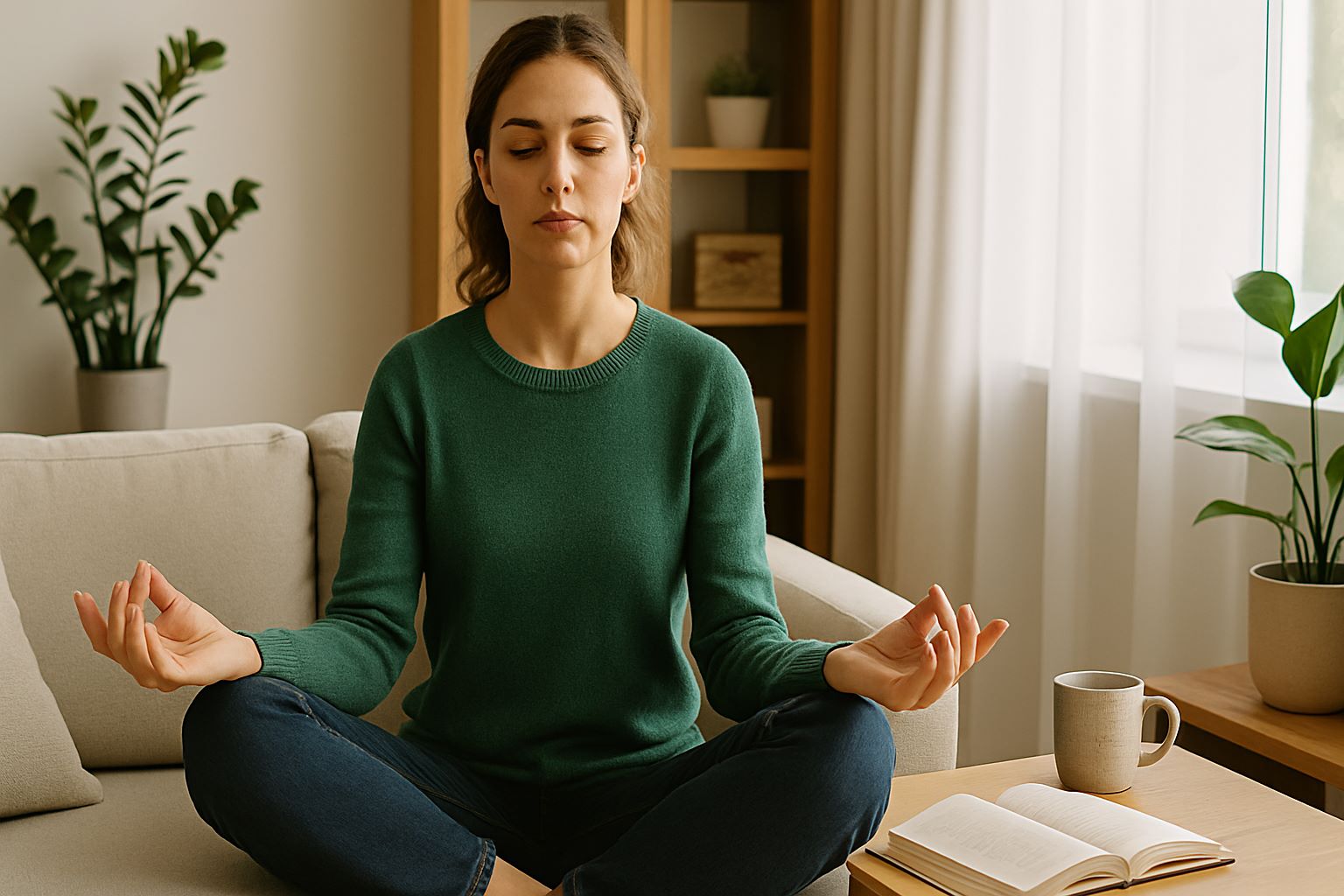
- Find a quiet space — Sit comfortably and close your eyes.
- Focus on your breath — Notice each inhale and exhale.
- Observe your thoughts — Let them come and go without judgment.
- Return to your breath — Whenever your mind wanders, gently bring it back.
- Be consistent — Practicing daily is more important than duration.
As you progress, try adding mindfulness to daily activities — walking, eating, or even washing dishes.
Conclusion: Embrace Mindfulness for a Healthier Life
Mindfulness and meditation aren’t just wellness trends — they are powerful, science-backed tools for improving your overall health and happiness. By training your mind to stay present, you reduce stress, boost emotional well-being, enhance focus, and even strengthen your body.
Start small — a few minutes each day — and watch how mindfulness transforms not just your health, but your entire outlook on life.
“The mind is everything. What you think, you become.” — Buddha