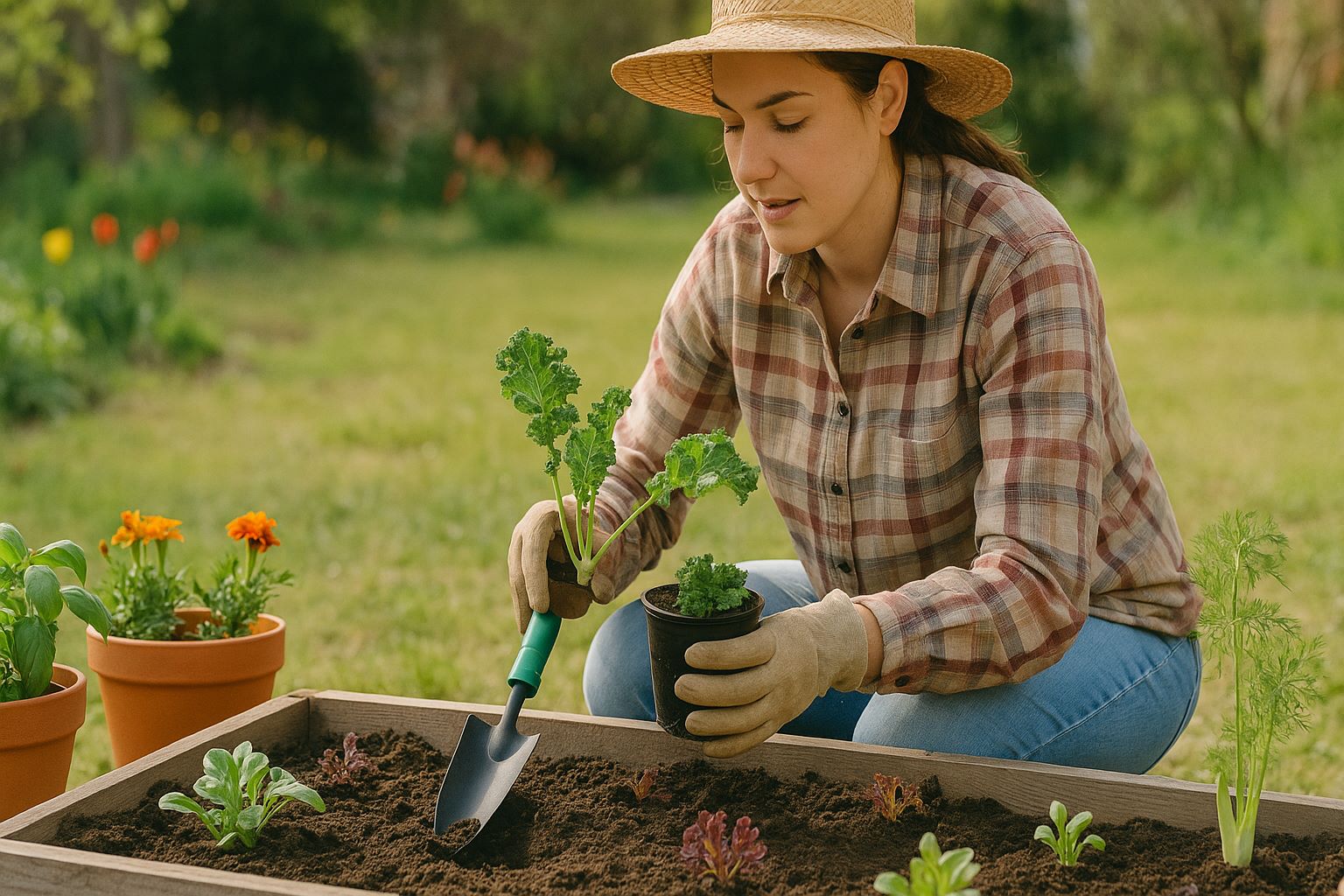
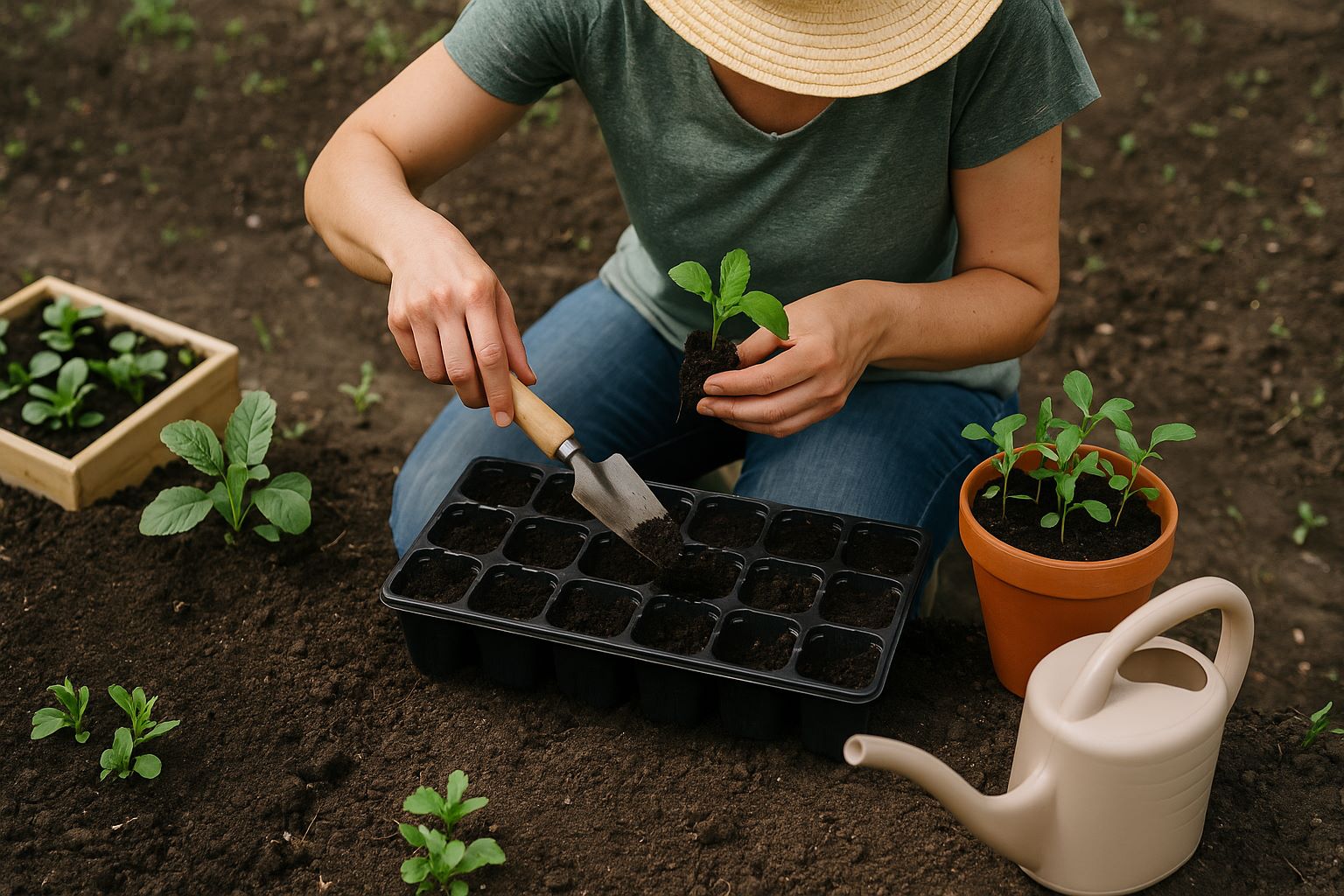
Healthy soil is the foundation of every thriving garden. Whether you grow flowers, vegetables, or ornamental plants, the condition of your soil directly determines how well your plants grow. It’s not just dirt — it’s a living ecosystem teeming with microorganisms, nutrients, and minerals that sustain plant life.
Thank you for reading this post, don't forget to subscribe!Understanding the science of soil helps you create a balanced environment where roots can flourish naturally, without relying on synthetic fertilizers or harmful chemicals. In this guide, we’ll explore how soil works, what makes it healthy, and the best natural ways to improve your garden’s soil for long-term success.
What Is Soil Made Of?
Soil is a complex mixture of four main components: minerals, organic matter, water, and air. Each plays a crucial role in plant health.
- Minerals (45%) – Derived from weathered rock, minerals provide essential nutrients like nitrogen, phosphorus, and potassium.
- Organic Matter (5%) – Decomposed plant and animal material that enriches soil fertility and improves structure.
- Water (25%) – Carries nutrients to roots and supports microbial life.
- Air (25%) – Oxygen is vital for root respiration and beneficial microorganisms.
When these components are balanced, your soil becomes the perfect medium for healthy plant growth.
Understanding Soil Structure
Soil structure refers to how soil particles (sand, silt, and clay) are arranged. These particles determine how well your soil drains, retains nutrients, and supports plant roots.
The Three Soil Types:
- Sandy Soil: Drains quickly but doesn’t hold nutrients well.
- Clay Soil: Holds water and nutrients but can become compacted and poorly aerated.
- Loamy Soil: The ideal mix of sand, silt, and clay — rich, crumbly, and fertile.
If your soil isn’t naturally loamy, don’t worry — you can improve it over time through organic methods.
The Role of Microorganisms in Soil Health
Beneath the surface, soil is alive with bacteria, fungi, protozoa, and earthworms — all working together to break down organic matter and recycle nutrients.
- Bacteria decompose organic material and release nutrients plants can use.
- Fungi form symbiotic relationships (mycorrhizae) that help roots absorb water and minerals.
- Earthworms aerate the soil and create nutrient-rich castings.
- Protozoa and nematodes help control harmful microbes naturally.
When this underground ecosystem is thriving, your plants receive a steady supply of nutrients and water, reducing the need for synthetic fertilizers.
1. Test Your Soil First
Before improving your soil, it’s important to understand its current condition. A simple soil test can reveal pH levels, nutrient deficiencies, and texture.
How to Test Your Soil:
- Purchase a DIY soil test kit or send a sample to a local agricultural lab.
- Check for key nutrients like nitrogen (N), phosphorus (P), and potassium (K).
- Measure pH — most plants prefer slightly acidic to neutral soil (6.0–7.0).
Once you know your soil’s needs, you can make informed decisions about amendments.
2. Add Organic Matter
Adding organic matter is the most effective and natural way to improve soil health. It enriches the soil with nutrients, enhances water retention, and supports microbial life.
Sources of Organic Matter:
- Compost: Decomposed food scraps and garden waste packed with nutrients.
- Manure: Aged animal manure adds nitrogen and organic matter.
- Leaf mold: Decayed leaves create a soft, moisture-retaining soil conditioner.
- Green manure: Grow cover crops like clover or alfalfa, then till them into the soil.
Organic matter transforms lifeless soil into a thriving ecosystem that nourishes your plants naturally.
3. Balance Soil pH Naturally
Soil pH affects how well plants can absorb nutrients.
- Acidic soil (below 6.0): Add lime or wood ash to raise the pH.
- Alkaline soil (above 7.5): Use sulfur, peat moss, or coffee grounds to lower the pH.
Regularly testing and adjusting pH ensures that essential nutrients remain available to plants.
4. Improve Soil Drainage and Aeration
Poor drainage leads to root rot and nutrient loss, while compacted soil restricts airflow. To fix this naturally:
- Add coarse organic materials like compost or shredded bark.
- Avoid over-tilling, which can destroy beneficial soil organisms.
- Use raised beds or mound soil to improve drainage in heavy clay areas.
- Encourage earthworms by keeping soil moist and rich in organic matter.
Healthy soil should feel crumbly, not hard or soggy — that’s the sign of good structure and aeration.
5. Use Mulch for Moisture and Nutrient Control
Mulching is one of the easiest ways to protect and enrich your soil. It helps maintain temperature, reduce evaporation, and prevent weed growth.
Best Natural Mulch Options:
- Straw or hay (great for vegetable gardens)
- Wood chips or bark (ideal for trees and shrubs)
- Grass clippings and leaves (adds nitrogen)
- Compost (feeds the soil as it decomposes)
Apply a 2–3 inch layer of mulch around plants, keeping it a few inches away from stems to avoid rot. Over time, mulch breaks down and adds valuable organic matter back to the soil.
6. Rotate Crops and Use Companion Planting
Growing the same plant in the same spot year after year depletes nutrients and increases pest risks. Crop rotation helps maintain balance by alternating plants with different nutrient needs.
Examples:
- Follow leafy greens (which use nitrogen) with root vegetables (which loosen soil).
- Plant legumes (beans, peas) to fix nitrogen into the soil naturally.
Companion planting also benefits soil and plant health. For instance, marigolds repel nematodes, while basil enhances tomato growth.
7. Composting: Nature’s Fertilizer Factory
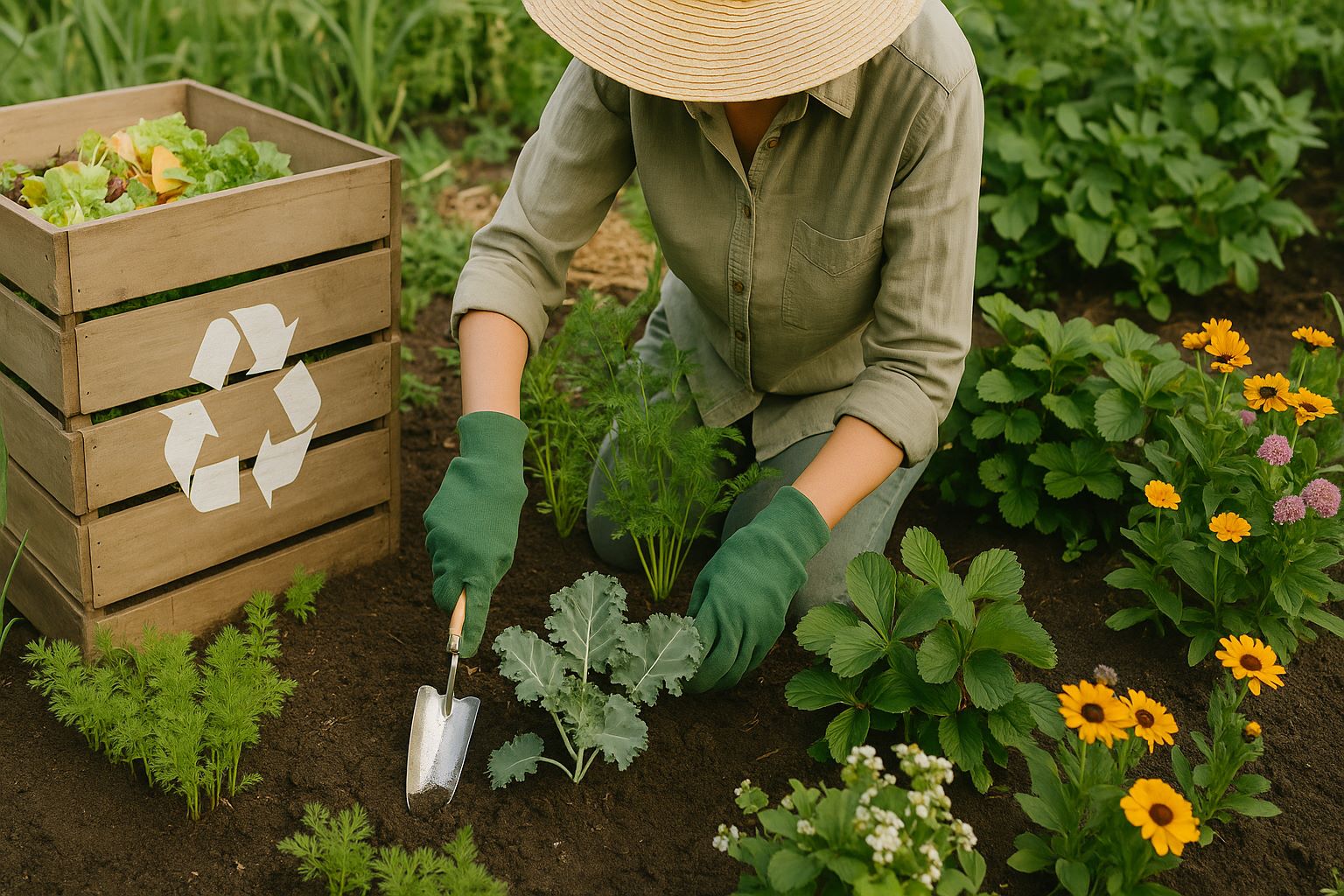
Composting turns kitchen scraps and yard waste into nutrient-rich fertilizer — no chemicals required. It feeds your soil while reducing landfill waste.
How to Make Compost:
- Combine green waste (fruit peels, vegetable scraps, grass clippings) with brown waste (dry leaves, straw, cardboard).
- Keep the pile moist and turn it regularly.
- In 2–3 months, you’ll have dark, crumbly compost ready to use.
Spread compost over your garden beds or mix it into the soil to boost fertility and microbial activity.
8. Encourage Beneficial Insects and Earthworms
Healthy soil depends on a balanced ecosystem. Avoid pesticides that kill beneficial insects and earthworms — they’re nature’s gardeners.
Encouragement Tips:
- Leave small areas undisturbed for insects to thrive.
- Add organic mulch to provide food and shelter.
- Avoid synthetic fertilizers that repel worms.
Earthworms are especially valuable — their burrows improve aeration and their castings are packed with nutrients.
9. Avoid Chemical Fertilizers
While chemical fertilizers may provide a quick nutrient boost, they often harm long-term soil health. Overuse can cause salt buildup, kill microorganisms, and pollute groundwater.
Instead, opt for natural fertilizers such as:
- Compost tea – a liquid extract from compost that feeds plants gently.
- Worm castings – full of beneficial microbes.
- Fish emulsion or seaweed extract – rich in trace minerals and organic compounds.
Natural amendments improve both the soil and the plants without causing environmental harm.
10. Protect Soil Year-Round
Bare soil is vulnerable to erosion, weeds, and nutrient loss. Keep it covered throughout the year with cover crops or mulch.
Plant cover crops like rye, clover, or alfalfa during off-seasons to prevent erosion, add organic matter, and improve structure. When the growing season returns, till them into the soil as green manure.
Conclusion
Healthy soil isn’t created overnight — it’s built gradually through consistent care and natural balance. By understanding the science behind soil and working with nature instead of against it, you can cultivate a thriving, resilient garden that produces strong plants year after year.
From composting and mulching to encouraging earthworms and balancing pH, every small step you take contributes to long-term soil health. The secret to a lush, productive garden isn’t found in a store-bought fertilizer bag — it’s beneath your feet, alive and waiting to be nurtured.
So dig deep, get your hands dirty, and start building your soil’s natural strength today. A healthy garden begins with healthy soil — and that’s where the science truly comes to life.