In today’s fast-paced world, achieving a healthy work-life balance can feel like an impossible dream. With technology keeping us connected 24/7, remote work blurring boundaries, and personal responsibilities constantly growing, many people find themselves juggling too much — and burning out in the process.
Thank you for reading this post, don't forget to subscribe!But here’s the truth: balance isn’t about splitting your time perfectly between work and personal life. It’s about creating harmony between the two so that neither overwhelms you. The goal is not to work less, but to live more intentionally — in a way that supports your mental, emotional, and physical well-being.
In this article, we’ll explore practical tips for managing stress and time in the modern world so you can regain control, boost productivity, and enjoy a more fulfilling life.
1. What Does Work-Life Balance Really Mean?
Work-life balance means different things to different people. For some, it’s about leaving work at the office. For others, it’s about having enough energy to enjoy family time, hobbies, and self-care after a long day.
At its core, work-life balance is about feeling in control of your life — where your professional ambitions don’t come at the cost of your health, relationships, or happiness.
In the modern world, the challenge lies in constant connectivity. Emails, messages, and deadlines follow us everywhere. The key is to set boundaries and priorities so that both work and life coexist in a healthy, sustainable way.
2. The Importance of Balance
Neglecting work-life balance can lead to:
- Burnout – emotional, physical, and mental exhaustion caused by chronic stress.
- Health issues – poor sleep, weakened immunity, and increased anxiety.
- Reduced productivity – overwork often leads to mistakes and inefficiency.
- Strained relationships – when work dominates, personal connections suffer.
On the other hand, a balanced life brings countless benefits:
- Improved mental clarity
- Better health and energy levels
- Stronger relationships
- Increased job satisfaction
- A sense of control and fulfillment
Simply put, balance is the foundation of long-term success and happiness.
3. Recognizing the Signs of Imbalance
Before you can fix the problem, you need to recognize it. Ask yourself:
- Do I feel constantly tired or stressed?
- Am I thinking about work even during personal time?
- Do I often skip meals, workouts, or social events because of work?
- Do I feel guilty when I’m not working?
If you answered “yes” to several of these, you may be out of balance. The good news? You can change that — one intentional step at a time.
4. Set Clear Boundaries Between Work and Life
Boundaries are essential in today’s “always-on” culture. Without them, work easily spills into every area of life.
Here’s how to reclaim your time:
- Create a defined work schedule — and stick to it. Set a clear “start” and “end” time each day.
- Turn off notifications after work hours. Constant pings keep your brain in work mode.
- Have a physical workspace, even at home. This helps your mind separate “work” from “rest.”
- Communicate boundaries clearly with coworkers and clients. Let them know when you’re available — and when you’re not.
Pro Tip: Don’t check work emails right before bed or immediately after waking up. Protect your mental space.
5. Prioritize and Manage Your Time Wisely
Time is the most valuable resource you have — but it’s also the one most people waste unintentionally. Productive people don’t just work harder; they work smarter.
Try these time-management techniques:
Use the Eisenhower Matrix
Divide your tasks into four categories:
- Urgent and important – do them immediately.
- Important but not urgent – schedule them.
- Urgent but not important – delegate if possible.
- Neither urgent nor important – eliminate them.
This method helps you focus on what truly matters.
Plan Your Day the Night Before
Spend 10 minutes each evening writing your top 3 priorities for the next day. You’ll start the morning with purpose instead of panic.
Avoid Multitasking
It may feel efficient, but multitasking reduces focus and increases stress. Focus on one task at a time — your brain will thank you.
6. Learn to Say “No”
Many people struggle with overcommitment because they can’t say no. Whether it’s extra work, social events, or favors, taking on too much can drain your energy.
Remember: every time you say “yes” to something unimportant, you’re saying “no” to something that matters.
Be selective. You don’t owe anyone constant availability. Saying “no” isn’t selfish — it’s self-respect.
7. Take Care of Your Body and Mind
A balanced life depends on a healthy body and a calm mind. Neglecting self-care is a fast track to burnout.
Here’s what productive, happy people do:
- Exercise regularly: Even 20 minutes a day boosts energy and reduces stress.
- Eat nourishing foods: Avoid skipping meals or relying on fast food.
- Get enough sleep: Aim for 7–8 hours every night.
- Practice mindfulness: Meditation or deep breathing helps reset your mind.
Remember: You can’t pour from an empty cup. Take care of yourself first — everything else will follow.
8. Make Time for What You Love
Life isn’t meant to be just work and responsibilities. Joy and fulfillment come from doing things that light you up.
Whether it’s reading, painting, gardening, or spending time with family — schedule those activities as non-negotiables. They’re just as important as your meetings and deadlines.
Pro Tip: Block time on your calendar for personal activities the same way you do for work. This signals to your brain — and others — that your personal life matters too.
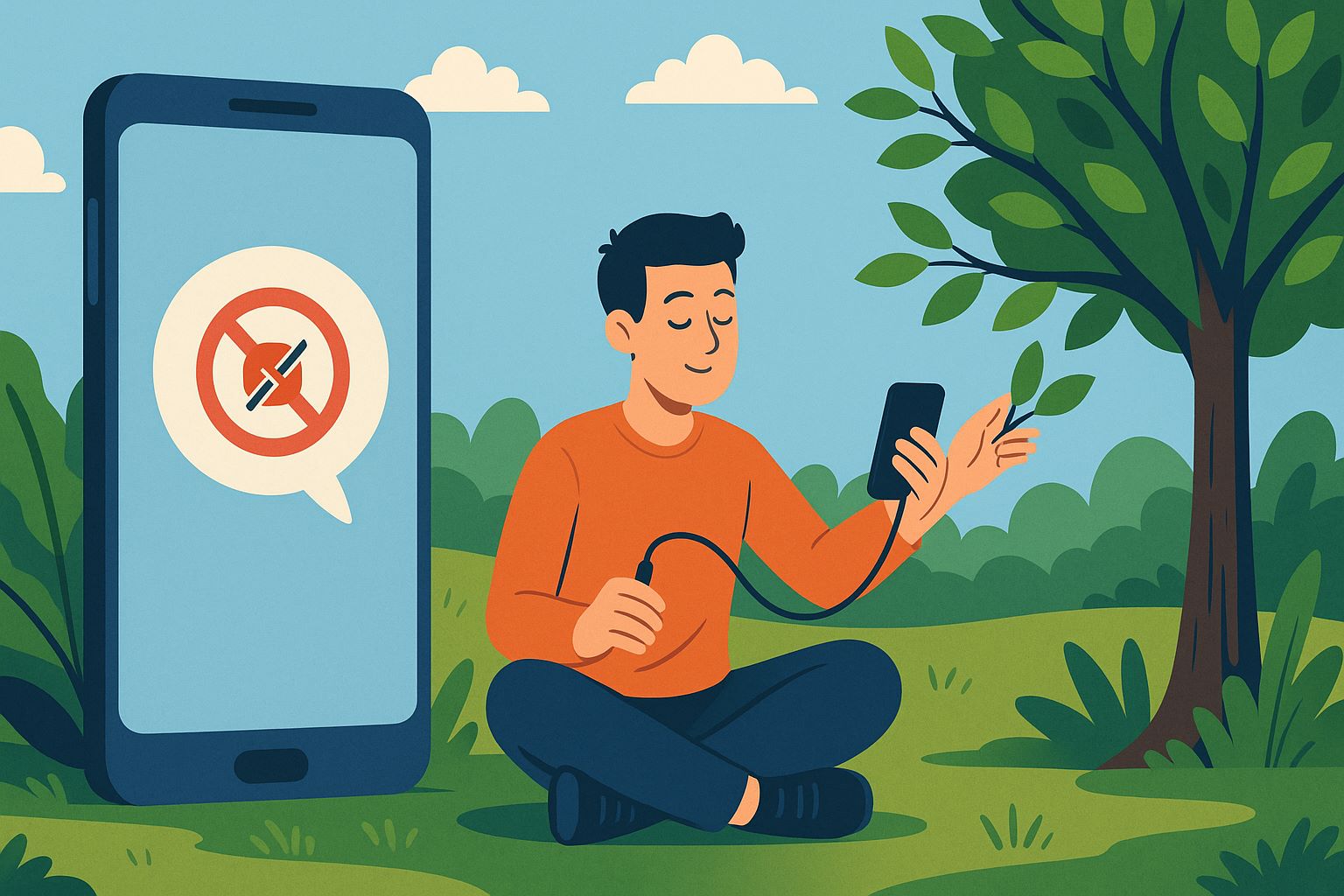
9. Use Technology Mindfully
Technology can be both a blessing and a curse. It helps us work efficiently but also keeps us tied to our jobs 24/7.
To maintain balance:
- Set “tech-free” hours — like during meals or before bed.
- Avoid endless scrolling or binge-watching that eats into rest time.
- Use productivity tools like time trackers or focus apps instead of distractions.
Mindful use of technology helps you stay connected — without being controlled by it.
10. Take Breaks and Disconnect
Working non-stop doesn’t make you productive — it makes you exhausted. Research shows that regular breaks improve focus, creativity, and performance.
- Take short breaks every hour to stretch or walk.
- Use lunch breaks to truly relax, not catch up on emails.
- Take vacations — and actually unplug from work during them.
When you rest, you recharge your energy and return sharper than before.
11. Reevaluate Your Priorities Often
Work-life balance isn’t a one-time fix — it’s an ongoing adjustment. Your priorities change as life evolves, and that’s okay.
Every few months, take time to reflect:
- Am I spending my time on things that truly matter?
- Is my work aligned with my goals and values?
- Do I feel fulfilled and present in my personal life?
If not, make small changes. Balance is not perfection — it’s awareness and action.
12. Seek Support When Needed
Sometimes, maintaining balance requires outside help. Don’t hesitate to talk to your manager about workload, delegate tasks, or seek support from friends, family, or even a therapist.
You’re not weak for asking for help — you’re human. Recognizing your limits is a sign of strength, not failure.
Final Thoughts: Balance Is a Lifestyle, Not a Destination
In the modern world, where the lines between work and life are increasingly blurred, finding balance takes effort — but it’s worth it.
Work-life balance isn’t about doing everything perfectly; it’s about making conscious choices that align with your health, happiness, and purpose.
Start with small changes:
- Define boundaries.
- Prioritize what truly matters.
- Take care of your body and mind.
- Learn to rest without guilt.
When you create harmony between your professional and personal life, you don’t just become more productive — you become more present, peaceful, and fulfilled.
Remember, success means nothing without well-being. So, make time for life — because it’s happening right now.
SEO Keywords: work-life balance, managing stress, time management tips, productivity habits, burnout prevention, modern lifestyle balance, healthy work habits, stress management at work